


Regulating core body temperature while moving through airport terminals, windy overlooks, and exposed mountain trails requires versatile outerwear that balances bulk against dependable weather protection. Many outdoor enthusiasts and frequent flyers naturally wonder what is a travel jacket when preparing for trips with unpredictable forecasts. A dedicated travel jacket is a highly compressible, lightweight outer layer engineered to protect against wind, light moisture, and temperature fluctuations without demanding substantial luggage space. When paired with efficient luggage planning, such as reviewing a detailed carry-on backpack sizing guide, selecting the proper compact shell ensures you remain prepared for shifting microclimates without overloading your luggage allowance.
Traditional heavy winter coats or stiff alpine hardshells often prove cumbersome during fast-paced transit, making packable weather protection and breathable wind resistance essential priorities for mobile adventurers. Modern garments in this category frequently incorporate stowable hoods, secure zippered storage, and dirt-resistant coatings that adapt seamlessly between urban sightseeing and rugged day hikes. Understanding how these multi-functional shells bridge the gap between technical rainwear and everyday casual outerwear helps travelers maintain personal comfort across variable terrain.


Everything You Need to Know About Travel Jackets
A travel jacket is an adaptable piece of outerwear engineered specifically to balance environmental protection, minimal pack volume, and functional comfort across changing travel itineraries. Unlike specialized mountaineering garments that prioritize heavy abrasion resistance at the expense of packability, a travel jacket emphasizes low weight, compact folding capability, and casual styling suitable for both wilderness trails and city centers. Understanding what is a travel jacket requires looking at how modern outdoor apparel solves the challenge of shifting climates without requiring travelers to haul bulky winter coats. By combining weather-resistant synthetic fabrics with thoughtful storage features, these jackets provide a dependable first line of defense against unexpected elements.
The Fundamental Definition of a Travel Jacket
At its core, a travel jacket serves as a portable weather shield designed to fit easily into daypacks, carry-on bags, or vehicle consoles. Traditional jackets often feature rigid hardware, thick linings, and heavy fabrics that consume valuable luggage space. In contrast, modern travel jackets utilize lightweight nylon or polyester weaves that compress down to pocket-sized proportions while delivering immediate barrier protection. This design philosophy allows travelers to navigate brisk morning airport departures, breezy coastal ferry rides, and sudden afternoon downpours without changing their entire wardrobe.
Travel outerwear also bridges the functional gap between athletic windbreakers and technical rain shells. While dedicated athletic shells often focus strictly on high-aerobic breathability, travel-specific jackets prioritize convenience features such as deep zippered hand pockets for passports and mobile devices. These garments adapt effortlessly to various daily activities, including walking city streets, exploring forested nature paths, and waiting out flight delays in air-conditioned transit hubs. Their intrinsic versatility makes them a standard staple for minimalist packers who want to be prepared for fluctuating weather conditions.
Key Architectural Characteristics and Fabric Constructions
The structural performance of any travel jacket depends heavily on its primary textile composition. Synthetic fibers such as nylon and polyester form the backbone of this apparel category due to their exceptional strength-to-weight ratios and inherent resistance to moisture. The Columbia Men’s Glennaker Lake II Rain Jacket, for example, utilizes a durable waterproof nylon shell engineered to withstand sudden shifts from light drizzle to persistent rain. Nylon provides remarkable tensile strength that resists snagging against tree branches or abrasive backpack straps, ensuring long-term reliability on remote trails.
Polyester is another widely utilized textile across travel windbreakers because of its soft hand-feel, rapid drying properties, and natural shape retention. Garments like the PITINAN Lightweight Rain Jacket Women Thin Travel incorporate pure polyester constructions that block chilling winds while offering a supple touch against the skin. Some travel jackets even combine synthetic outer barriers with soft interior linings to enhance next-to-skin comfort during cool weather. The LOMON Women Rain Jacket Lightweight Travel Trench pairs a waterproof polyester shell with a striped cotton lining, buffering skin contact and creating a pleasant microclimate during casual outings.
Packability and Volume Reduction Mechanisms
Efficient packability represents the defining trait that separates standard coats from dedicated travel apparel. Traditional outerwear requires considerable effort to roll and stuff into crowded luggage, often forcing travelers to wear their heaviest layers through transit checkpoints. Travel jackets eliminate this friction through specialized storage solutions, such as internal pack pockets or dedicated stuff pouches. For instance, the Columbia Men’s Glennaker Lake II Rain Jacket is designed to fold directly into its own zippered chest pocket, transforming into a self-contained parcel.
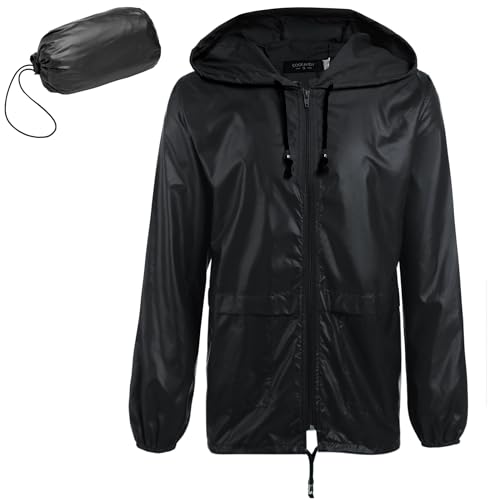
Other models, including the COOFANDY Travel Packable Foldable Raincoat for Men, arrive with dedicated carrying pouches that compress the garment into a slim rectangular package. The Zando Men’s Packable Raincoat similarly emphasizes minimal volume, allowing travelers to slip a functional windbreaker into a side pocket without adding noticeable bulk. Pairing a compressible wind shell with comfortable lightweight hiking pants allows travelers to maintain exceptional mobility across diverse climates without exceeding luggage constraints. When your outer layers pack down to the size of a water bottle, you can navigate changing elevations without having to reorganize your primary pack.
Weatherproof Engineering: Waterproof Membranes, Coatings, and Taped Seams
Weather resistance across travel jackets ranges from light water repellency to complete stormproof protection. Water-resistant shells often utilize surface-applied hydrophobic coatings that encourage light rain to form beads and roll away before soaking into the weave. However, true wet-weather performance requires attention to internal seam architecture. As seen in the PITINAN Lightweight Rain Jacket Women Thin Travel, fully taped interior seams prevent moisture from penetrating the needle holes created during manufacturing, eliminating damp spots along the shoulders and chest during steady rainfall.
Wind resistance is another critical performance metric that prevents rapid convective cooling during outdoor excursions. Gusty mountain ridges and exposed scenic viewpoints can strip away valuable body heat even in moderate ambient temperatures. Dense woven fabrics in models like the Zando Men’s Packable Raincoat block chilling airflow, helping hikers conserve internal energy during prolonged trail days. Elasticized cuffs and adjustable hem drawstrings further assist in sealing out strong drafts around the waist and wrists, keeping warmth securely trapped inside.
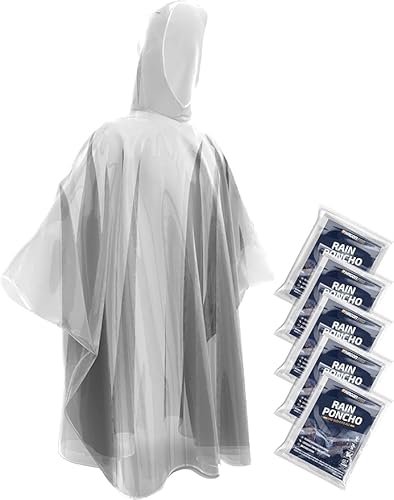
In extreme situations where sudden tropical downpours or severe storms overwhelm standard shells, ultra-compact emergency gear provides valuable backup security. Products like the Hagon PRO Disposable Rain Ponchos for Adults offer an ultra-portable emergency solution, folding down to a tiny four-by-six-inch footprint. Manufactured from durable 0.035mm polyethylene plastic, these ponchos provide full-length coverage that easily slips over both the hiker and a fully loaded daypack. Keeping a lightweight emergency poncho in your kit ensures dependable waterproof defense when unexpected torrential rains arrive.
Ergonomic Features: Hoods, Cuffs, and Travel-Friendly Storage
The usability of a travel jacket is defined by practical hardware and ergonomic patterning tailored to life on the move. Hood configurations play a major role in how well a jacket adapts across different social and environmental settings. The Columbia Men’s Glennaker Lake II Rain Jacket includes a convenient stow-away hood that folds neatly into the collar when not in use. This adaptable collar design prevents loose hood fabric from flapping annoyingly in high winds while presenting a clean, polished silhouette during urban walking tours.
Pocket layout is another defining characteristic that distinguishes travel outerwear from minimalist running gear. Secure zippered hand pockets, such as those featured on the Zando Men’s Packable Raincoat and the PITINAN Lightweight Rain Jacket Women Thin Travel, keep valuable essentials like passports, transit cards, and smartphones safe from pickpockets and wet weather. Having dedicated zippered storage means you can keep hands free while passing through busy transit hubs or scrambling up rocky overlooks. Front decorative accents or flap closures also add subtle styling without compromising secure item retention.
Cuff and hem adjustments offer fine-tuned control over garment ventilation and fit consistency. Elastic cuffs prevent loose fabric from sliding over your hands, ensuring full dexterity when handling trekking poles, luggage handles, or camera equipment. Meanwhile, adjustable drawstring hems allow wearers to cinch the bottom of the jacket to block cold updrafts or loosen it for increased airflow. Pairing these adaptable jacket features with functional durable trail pants ensures complete mobility and environmental shielding from head to toe.
The Role of Insulating Mid-Layers in Travel Systems
While many travelers immediately associate travel outerwear with ultralight rain shells, cold-weather itineraries require dedicated thermal regulation. A complete travel layering system pairs an uninsulated weather-resistant outer shell with a soft, insulating mid-layer. Garments like the Dokotoo Ladies Winter Coat 2026 Loose Fit Zipper illustrate the importance of cozy fleece outerwear for crisp autumn mornings and freezing winter transits. This short fleece jacket features a high stand collar, warm zippered pockets, and fluffy polyester construction that traps body heat without feeling rigid.
Fleece mid-layers excel in travel scenarios because the lofty synthetic fibers maintain thermal efficiency even in damp conditions. When moving between chilly outdoor sightseeing and heated indoor venues, a zippered fleece allows rapid temperature adjustment without complex wardrobe changes. Oversized or relaxed cuts accommodate base layers underneath, providing flexible comfort whether you are hiking mountain paths or relaxing during a lengthy flight. Integrating an insulating fleece into your pack ensures you stay comfortable across shifting climate zones.
Combining an insulating fleece with a lightweight windproof shell forms a formidable defense against changing alpine weather. The fleece layer traps a soothing layer of warm air against your torso, while the outer shell deflects biting wind and surface precipitation. This modular strategy is far more versatile than packing a single heavy coat, as each piece can be worn independently or stacked together. By rotating these layers based on current activity levels, travelers avoid both uncomfortable sweating during strenuous uphill walks and rapid chilling when stationary.
Breathability, Thermal Regulation, and Avoiding Internal Condensation
Managing internal perspiration during active excursions is one of the most significant challenges when wearing weather-resistant shells. When hikers exert energy on steep trails, the body generates heat and moisture vapor that must escape to maintain thermal comfort. If an outer shell lacks adequate breathability or mechanical venting, that internal moisture condenses against the cool fabric surface, leaving the wearer feeling clammy and cold. This unpleasant sensation, often termed sweating out, can lead to severe chills once physical activity stops on an exposed summit.
Manufacturers incorporate various design solutions to mitigate moisture accumulation during high-output travel activities. The COOFANDY Travel Packable Foldable Raincoat for Men emphasizes breathable waterproof fabric designed to promote internal airflow while blocking rain. Relaxed garment fits further encourage natural chimney-effect ventilation, allowing warm, humid air to escape through open necklines and hem clearances. Maintaining a loose fit prevents the inner shell fabric from clinging tightly to sweaty skin, enhancing overall endurance during humid outings.
Lined jackets, such as the LOMON Women Rain Jacket Lightweight Travel Trench, offer an alternative approach by placing a breathable cotton barrier between the skin and the synthetic shell. This lining absorbs minor surface sweat and prevents the clammy feeling common with unlined vinyl or polyurethane garments. However, during strenuous aerobic climbs, pure synthetic wicking layers remain the preferred choice to ensure rapid moisture transfer. Balancing lining comfort with anticipated physical exertion is vital when matching outerwear to your travel itinerary.
Essential Maintenance, Washing Protocols, and Coating Preservation
Preserving the weather-resistant qualities of a travel jacket requires proper laundering and garment care habits. Many travel shells feature delicate water-repellent surface coatings or internal laminated seam tapes that can degrade under harsh cleaning methods. The care instructions for the PITINAN Lightweight Rain Jacket Women Thin Travel specifically advise gentle hand washing while avoiding bleach, vigorous rubbing, and high-temperature tumble drying. Aggressive mechanical agitation can crack thin waterproof coatings or pull apart factory-applied seam seals, resulting in water leakage over time.
Heat management during laundry care is equally critical for protecting synthetic outerwear. Manufacturer notes for garments like the COOFANDY Travel Packable Foldable Raincoat for Men emphasize that ironing must be avoided to prevent melting protective waxes or technical membranes. Similarly, the care guidelines for the LOMON Women Rain Jacket Lightweight Travel Trench recommend gentle machine cycles or hand washing followed by air drying. High dryer heat can distort polyester weaves and permanently damage protective finishes, leaving garments vulnerable to moisture penetration.
Routine spot cleaning and proper storage habits will further extend the service life of your packable outerwear. Mud and trail dust should be gently wiped away with a damp sponge rather than subjecting the garment to frequent heavy washing cycles. Always ensure that packable jackets are completely dry before stuffing them into their compact storage pouches for long periods. Storing damp synthetic fabrics in airtight pouches can encourage mildew growth and accelerate seam adhesive breakdown, compromising your jacket before your next adventure.
Comparing Travel Jackets Against Specialized Rain Shells and Casual Coats
Discerning travelers often wonder whether a specialized travel jacket is truly necessary if they already own a heavy winter parka or a dedicated mountaineering hardshell. Heavy parkas provide exceptional warmth but prove far too bulky and hot for fluctuating shoulder-season weather or active walking tours. Conversely, expedition-grade mountaineering hardshells offer rigid alpine storm protection but often lack the soft, casual aesthetic and comfortable drape desired for urban exploration. A travel jacket successfully navigates this middle ground by prioritizing packability, low weight, and adaptable presentation.
Budget and frequency of use also factor heavily into outerwear selection for mobile lifestyles. Dedicated technical shells often command substantial prices due to complex multi-layer membranes that casual travelers may rarely need. Accessible options such as the Zando Men’s Packable Raincoat or the PITINAN Lightweight Rain Jacket Women Thin Travel deliver reliable wind and water barrier protection for everyday travel scenarios. Matching the garment’s technical capabilities to your actual environmental exposure ensures you avoid overpaying for unnecessary expedition features.
Ultimately, a quality travel jacket functions as an indispensable insurance policy against unpredictable weather shifts across the globe. Whether you rely on the packable nylon durability of the Columbia Men’s Glennaker Lake II Rain Jacket or the emergency coverage of disposable ponchos, having compact weather defense brings total peace of mind. Investing in a thoughtfully designed shell guarantees that sudden storms and gusty winds will never derail your outdoor explorations or urban adventures.


Write Your Review
No reviews yet. Be the first to share your experience!