


For a technical route with climbing gear, a climbing pack may be the better match; for a trail walk or a longer hike with varied supplies, a hiking pack is usually more suitable. The answer to is a climbing backpack better than a hiking backpack depends on the route, the load, and how you need to reach or secure your equipment. Pack names alone don’t tell you whether a particular model has the fit, support, storage, or attachment points your outing requires. Check the listed features against the actual gear and conditions rather than assuming that one category works better for every trip.
Climbing and hiking packs can overlap, but their intended uses may lead to different choices in access, external attachment, and load organization. A general hiking pack may offer multiple pockets, hydration access, and room for layers or food, while a climbing-oriented design may be arranged around carrying climbing equipment close to the body. Those are broad design tendencies, not guarantees about every model. For context on carrying weight on foot, see this guide to hiking pack weight, then compare the capacity and adjustment details actually provided for the pack you’re considering.

Pros
- Includes a dedicated rain cover stored in an underside pocket for rapid deployment during unexpected showers
- Extensive organizational layout featuring nine distinct storage areas, including an interior waterproof wet pouch
- Lightweight design at roughly 2.18 pounds helps minimize carrying fatigue on long trail days
- Integrated hydration sleeve hanger and hose port make adding an aftermarket reservoir straightforward
Cons
- Does not include a hydration bladder, requiring users to supply their own reservoir
- Torso length is fixed without micro-adjustable ladder adjustments for distinct back lengths
- A 40-liter profile may be bulkier than necessary for brief, gear-minimal day outings
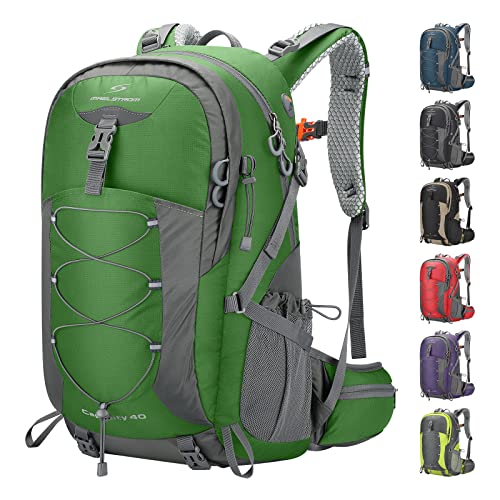
The Maelstrom 40L Hiking Backpack is a lightweight cargo hauler designed for extended day hikes, weekend camping trips, and travel itineraries where equipment volume matters. Weighing approximately 2.18 pounds with exterior dimensions of 8.86 by 12.99 by 23.62 inches, this pack provides substantial interior room while preventing excessive empty pack weight. It best suits hikers, scouts, campers, and travelers who need organized packing space for layers, food, and essentials without stepping up to a heavy, full-expedition frame pack.
On the trail, load management is handled through a system of padded shoulder straps, an adjustable sternum strap, and a padded hip belt. The hip belt transfers carried weight from the upper back to the hips, while dual integrated zippered belt pockets keep small trail necessities like lip balm, compasses, or energy bars immediately accessible. The sternum strap secures the shoulder straps across the chest to steady the pack during ascents, and its buckle integrates a built-in emergency whistle for safety signaling.
The pack body is built using 210D rip-stop nylon, offering resistance against trail scuffs, snags, and light moisture. Organization is well thought out, featuring a spacious zippered main compartment, one top zip pocket, two front accessory pockets, and two elastic mesh side pockets designed for standard water bottles. Inside the main cavity, a specialized waterproof pocket isolates damp clothing, rain shells, or sweaty base layers, preventing moisture transfer to dry electronics or food stores.
Hydration and external gear carry are built directly into the chassis. The interior contains a Velcro loop for hanging an aftermarket hydration reservoir, paired with a dedicated hose exit port on the upper-right shoulder area. On the exterior, elastic cord loops hold trekking poles securely when not in use. Additionally, an upper-left cord pass-through accommodates wired headphones, and reflective accents throughout the exterior enhance visibility in low-light conditions.
Prospective buyers should note a few operational limitations. While the 40L volume is spacious, the harness does not list a customizable torso-length adjustment ladder, meaning fit depends on personal torso proportions rather than mechanical adjustment. Furthermore, while the 210D nylon resists splashes, the pack body uses standard sewn zippers, making the deployable underside rain cover essential when rain sets in.
For day hikers, overnight car campers, and adventure travelers who want ample gear space, dependable pocket separation, and built-in weather protection, the Maelstrom 40L pack represents a practical, feature-packed gear carrier that handles demanding outdoor days with ease.
With 40 liters of total volume, the Maelstrom daypack provides generous room to pack thermal layers, trail meals, emergency shelters, and essential gear. The pocket layout allows systematic packing, preventing items from shifting to the bottom of the main cavity.
Organization includes a top zipper pocket for quick-access items, two front zippered compartments for maps and accessories, dual elastic side mesh pockets for water bottles, and two zippered hip-belt pockets for trail snacks. An internal waterproof wet compartment keeps damp clothes separated from dry essentials.
The main body of the pack uses 210D rip-stop nylon fabric that provides baseline water resistance against light mist and surface moisture. For moderate to heavy rainfall, the pack includes a fitted rain cover stored in a dedicated zippered pocket underneath the bottom panel.
The rain cover features an elasticized border for a snug wrap around the pack profile and includes a reflective silver logo to enhance visibility in fog or overcast conditions. Storing the cover in its underside pouch ensures it stays accessible without taking up main compartment volume.

Pros
- Spacious 40L storage capacity paired with a low empty weight under 2 pounds
- Integrated rain cover stows neatly in a dedicated bottom pocket for quick storm protection
- Dedicated external lash straps for carrying trekking poles, tripods, or a sleeping pad
- Dual zippered hip-belt pockets allow convenient access to snacks, keys, or small essentials
- Integrated safety features including a reflective logo and built-in sternum strap whistle
Cons
- Lacks a rigid internal frame or stays to support dense, heavy backpacking loads
- Hydration reservoir is not included and must be purchased separately
- Torso length is not adjustable for hikers requiring custom back-panel sizing
The Maelstrom 40L Hiking Backpack is a lightweight, high-volume daypack designed for day hikers, budget-minded outdoor enthusiasts, campers, and adventure travelers needing ample storage without excessive pack weight. Built with an exterior profile measuring 8.6 by 13.4 by 22 inches and offering a full 40-liter capacity, this pack provides sufficient space for bulky layers, trail rations, camera equipment, or weekend travel essentials.
Trail usability centers around thoughtful load management and convenient trail-side access. With an empty weight listed between 1.5 and 1.96 pounds, the pack adds minimal dead weight before packing your gear. The suspension system relies on ergonomic shoulder straps, a back support system, and dual side and bottom compression straps that help cinch the load tight to prevent shifting. Two zippered waist belt pockets provide on-the-move access to lip balm, trail snacks, or small navigation tools, while the sternum strap buckle integrates a survival whistle for emergencies.
The pack is constructed from a lightweight nylon fabric described as water-resistant, scratch-resistant, and tear-resistant. To defend gear against sudden mountain downpours, a dedicated bottom zippered pocket contains a fitted rain cover equipped with a reflective silver logo. External hardware includes side compression straps with quick-release buckles to secure trekking poles or tall water bottles, alongside dual bottom straps designed to hold a compact sleeping pad or camera tripod.
Hydration management is integrated directly into the primary compartment, which features an internal hook-and-loop strap to hold a hydration reservoir upright and a dedicated top port for hose routing. Gear organization is straightforward thanks to a main zippered compartment, two front zippered organizer pockets, two side water bottle sleeves, and exterior mesh pouches, allowing hikers to keep wet or quick-access items separated from clean interior gear.
Because this backpack uses a frameless structure, it is not built to carry heavy multi-day backpacking loads, which can cause the pack to pull against the shoulders without a rigid frame to transfer weight to the hips. Additionally, the back panel has a fixed torso length rather than an adjustable harness, meaning hikers with especially long or short spines cannot fine-tune the suspension. The water-resistant nylon handles light mist, but hikers should always deploy the included rain cover during steady rain to prevent moisture from entering through the seams or zippers.
For day hikers needing extra room for cold-weather layers, families packing trail gear for group outings, or travelers wanting an organized carry-on daypack, the Maelstrom 40L Backpack represents an affordable, highly functional choice. Those requiring structured load transfer for heavy backcountry expeditions should look toward internal-frame packs, but for general outdoor and travel use, this pack delivers strong everyday value.
The Maelstrom pack provides a verified 40 liters of volume distributed across several compartments to keep trail gear neatly sorted. The main compartment offers unobstructed packing space for bulkier layers, a rain jacket, or packed camp meals, while an internal sleeve holds your hydration reservoir securely against the back panel.
External organization includes two front zippered pockets for trail maps, headlamps, and hygiene kits, alongside dual mesh side pockets designed for standard water bottles. Two zippered hip-belt pockets provide quick access to trail snacks and compasses, and dual bottom lash straps allow you to secure a sleeping pad, rolled tarp, or compact tripod externally.
Constructed from water-resistant and tear-resistant nylon fabric, the pack body easily repels brief mist, dust, and light trail splashes. The exterior fabric resists scuffs from branches and rocky terrain during routine day hikes and travel.
For sustained downpours or heavy storm exposure, the pack features a dedicated bottom zippered pouch housing an integrated rain cover. Deploying this fitted cover over the entire pack shields exposed zippers and seams from rain intrusion while enhancing trail visibility via a reflective silver logo.

Pros
- Folds down into a self-contained 7.9 by 6.7-inch footprint, making it exceptionally easy to store and transport
- Weighs only around 0.75 pounds, adding practically no baseline burden to your shoulders on casual outings
- Excellent pocket selection for a compact bag, including a secure hidden rear pocket and tall 7.5-inch bottle sleeves
- Chest strap includes a built-in whistle, a thoughtful safety feature rarely found on basic packable bags
Cons
- Frameless collapsible construction lacks a rigid back panel or padded hip belt for carrying heavy loads
- 15-liter interior volume is strictly suited for short outings and cannot accommodate bulky cold-weather gear
- Lacks an included rain cover or verified waterproof rating for severe storm protection
The SKYSPER 15L Foldable Hiking Backpack is a frameless, collapsible daypack built specifically for day hikers, travelers, and outdoor recreationists who want a secondary pack without added bulk. Tipping the scales at roughly 0.75 pounds, this bag is engineered to fold down into its own compact pouch when not in use. It best suits short trail loops, national park excursions, city sightseeing, and quick summit pushes from a basecamp where carrying a standard internal-frame pack would be unnecessary.
With a 15-liter listed capacity and unfolded dimensions of roughly 16.9 by 10.8 by 4.7 inches, the pack accommodates core trail essentials such as a lightweight windbreaker, snacks, trail map, and compact first-aid kit. The main compartment features a wide opening that simplifies loading and unloading at trailside rest stops. Organization is further supported by three exterior zippered pockets, a concealed back pocket resting against your body for valuables, and two 7.5-inch tall side mesh pockets designed to hold water bottles securely.
Build quality centers on everyday trail durability without sacrificing lightweight packability. The exterior is crafted from a tear- and abrasion-resistant polyester fabric supported by reinforced stitching at critical seams and carry points. SKYSPER incorporates reliable SBS zippers that operate smoothly across the pockets, reducing the frustration of snagging thin fabrics. While not a heavy-duty expedition pack, the materials are well matched to the demands of light recreational use and casual travel.
The harness system features standard shoulder straps complemented by an upgraded adjustable chest strap. This sternum strap stabilizes the pack across your upper body, keeping the straps from shifting off your shoulders as you walk. As an added trail safety feature, the chest buckle includes an integrated safety whistle for signaling. When your outing concludes, the entire bag easily folds down to 7.9 by 6.7 inches, allowing you to slip it into a suitcase, glove box, or main backpacking pack without taking up valuable space.
Hikers should keep realistic gear boundaries in mind with this packable design. Because the bag is completely frameless and does not include a load-bearing hip belt, carrying heavy or dense hardware can cause the fabric to sag and place all weight directly onto your shoulders. Additionally, sharp items may poke through the unpadded back panel, and the fabric does not claim full waterproof protection, meaning vulnerable electronics or dry layers should be protected in plastic bags during rain.
For outdoor enthusiasts and travelers looking for an affordable, highly portable daypack with reliable organization, the SKYSPER 15L Collapsible Daypack is a dependable utility choice. It delivers functional storage, convenient bottle pockets, and an ergonomic chest strap in a package that takes up almost zero space when stowed away.
The standout attribute of the SKYSPER 15L daypack is its ability to collapse into a pocket measuring just 7.9 by 6.7 inches. This minimal footprint makes it an effortless addition to travel luggage, camping bins, or vehicle consoles.
Weighing approximately 0.75 pounds, it serves as an ideal secondary pack for multi-day trips where you want to leave your primary multi-day pack at camp and take only basic hydration and snacks on day loops.
Despite its lightweight packable design, this backpack provides five distinct storage areas to keep small gear sorted. The wide main compartment handles larger layers, while three separate zippered pockets keep items like sunglasses, sunscreen, and headlamps readily accessible.
A hidden back zippered pocket sits flush against your back to safeguard travel documents, wallets, or phones. On the exterior, two 7.5-inch tall mesh side pockets provide external storage for beverage bottles and quick-access trail items.

Pros
- Extensive pocket organization, including a specialized interior waterproof pocket for wet or sweaty clothing
- Comes standard with a dedicated, stowable rain cover for quick weather protection during storms
- Built-in trekking pole fasteners and hydration hose routing keep key trail essentials accessible on the move
- Padded shoulder harness, back-panel cushioning, and dual zippered hip-belt pockets provide practical day-hiking utility
Cons
- Product specifications do not list an adjustable torso-length system, so fit depends entirely on strap adjustment
- Specific empty pack weight and rigid internal stay details are not provided in manufacturer specifications
- Hydration reservoir is not included and must be purchased separately
The Maelstrom 40L Hiking Backpack is an organizational daypack and light camping pack designed for day hikers, outdoor travelers, and campers who require ample packing volume without extreme bulk. Measuring roughly 23.6 by 13 by 8.9 inches, this 40-liter pack bridges the gap between a high-capacity daypack and a compact travel pack, making it a functional option for trail users who need to carry extra clothing layers, emergency supplies, or shared family gear.
On the trail, the pack relies on its 40-liter capacity divided across multiple dedicated compartments, helping users avoid the gear clutter common in single-cavity sacks. The main compartment includes a hook-and-loop strap designed to secure a hydration bladder upright, paired with an upper hose port for routing a drinking tube, though the reservoir itself is sold separately. For external stability, the pack integrates an adjustable chest buckle that centers shoulder-strap placement, an integrated emergency whistle, and dual side fastener loops capable of securing up to two sets of trekking poles.
The exterior is built from 210D rip-stop nylon fabric designed to resist tears, scrapes, and surface moisture during outdoor use. To handle heavier trail downpours, the pack includes a dedicated rain cover stored inside an underside pocket, finished with a silver reflective logo for enhanced visibility in overcast or twilight conditions. The harness incorporates padded, breathable mesh shoulder straps paired with back-panel sponge padding to assist with load cushioning and air circulation during warm-weather outings.
Organization is a clear focal point of this model, featuring three front zippered pockets, a top zippered pocket, two stretchy side mesh pockets for water bottles, and two zippered hip-belt pockets for quick access to small snacks or navigation items. Inside the main zipper compartment, a built-in waterproof wet pocket separates damp swimsuits, sweaty clothes, or dirty trail socks from clean, dry essentials. An ergonomic top ring handle and standard top headphone pass-through port provide additional utility when staging the pack at trailheads or using it for transit.
While the 40-liter volume provides generous packing space, buyers should note specific design limitations. The product specifications do not detail an adjustable torso ladder or exact frame stay composition, meaning fit is largely determined by strap tension rather than micro-tailored suspension. Additionally, while the 210D nylon resists everyday abrasions and light surface moisture, full rain defense requires deploying the included rain cover, and total pack weight when empty is not numerically stated by the manufacturer.
For hikers, campers, and travelers seeking an accessible, multi-pocket 40L pack with built-in rain protection and trekking-pole storage, the Maelstrom 40L represents a high-utility choice. It is best suited for day trips requiring bulky gear, family day hikes, and weekend cabin outings where organized access and hydration routing take priority over technical alpine suspension systems.
The Maelstrom 40L Hiking Backpack emphasizes pocket separation, offering multiple dedicated storage zones to keep gear accessible without unloading the entire bag. The layout consists of a roomy zippered main compartment, one top pocket, three front zippered utility pockets, two zippered hip-belt pockets, and two elastic mesh side pockets designed for water bottles or compact accessories.
A notable interior feature is the integrated waterproof wet pocket located inside the main compartment. This compartment allows hikers and travelers to isolate wet towels, damp clothing, or sweaty athletic gear away from dry layers, electronics, and food. Externally, side elastic loops and fasteners hold up to two sets of trekking poles securely against the pack body.
The exterior of this backpack is made from 210D rip-stop nylon fabric, a material selected for its resistance to tears, scratches, and light water contact. The rip-stop weave helps prevent small snags from spreading into larger tears when moving through light brush or rocky terrain.
For wet-weather hiking, the pack includes a fitted rain cover stored in a dedicated zippered pocket on the bottom exterior. The rain cover features a silver reflective logo to increase visibility in dim or rainy environments, providing a practical external barrier against persistent trail precipitation.

Pros
- Generous 40L capacity at a low listed weight of just 2.18 pounds
- Included stowable rain cover offers immediate foul-weather defense
- Dedicated internal wet pocket keeps damp garments separated from dry trail gear
- Dual zippered hip-belt pockets provide convenient access to trail snacks and small items
- Built-in trekking pole loops and hydration hose routing support active day hiking
Cons
- Hydration reservoir is not included and must be purchased separately
- Manufacturer does not specify adjustable torso ranges, making custom spine fit limited
- Lacks heavy-duty load-transfer stays for carrying dense, expedition-weight loads
The Maelstrom 40L Hiking Backpack is a high-capacity, lightweight daypack designed for hikers, weekend campers, and adventure travelers who want ample gear space without carrying excess empty pack weight. At an accessible 2.18 pounds, this 40-liter pack bridges the gap between a standard single-day bag and an overnight pack, making it a viable option for full-day mountain excursions, gear-heavy family outings, or minimalist overnights.
For trail carrying comfort, the pack features an ergonomic, breathable padded back panel paired with contoured, ventilated shoulder straps. An adjustable chest buckle stabilizes the harness across the torso and integrates an emergency whistle for added trail readiness. Dual zippered waist pockets help stabilize the lower pack against your hips while keeping essential items within arm reach. Hikers should note that the pack does not provide adjustable torso-length sliding mechanisms, so overall suspension fit will depend on your individual torso proportions.
Exterior construction utilizes 210D rip-stop nylon fabric, offering water resistance and protection against light trail abrasions from overhanging branches or brush. When sustained rainfall rolls in, the pack includes a fitted rain cover stored inside a dedicated bottom pouch. This rain cover features a reflective logo to enhance low-light visibility while providing an extra barrier against moisture.
Organization is a distinct strength of the Maelstrom 40L, featuring a large main zippered compartment, three front zippered utility pockets, a top lid pocket, and two stretchy mesh side pockets for water bottles. An internal waterproof wet pocket lets you isolate damp rainwear, sweaty garments, or towels from the rest of your dry supplies. For hands-free drinking on the move, an internal fastener accommodates a hydration reservoir paired with a side hose port, though the bladder itself must be supplied separately.
In terms of limitations, the flexible lightweight build is engineered for moderate trail loads rather than dense, heavy backpacking gear. Carrying excessively dense gear without rigid aluminum stay support may cause the pack to sag against the lower lumbar area. Furthermore, the absence of specific torso sizing data means hikers with particularly tall or short torsos may need to experiment with strap tension to achieve balanced weight distribution.
Overall, the Maelstrom 40L Backpack is a practical, value-oriented solution for day hikers, campers, and travelers seeking dependable volume, structured pocket access, and foul-weather readiness. If you prioritize lightweight flexibility, included weather accessories, and versatile pocket dividers over rigid technical suspension systems, this pack serves as a capable companion across a wide range of outdoor adventures.
The Maelstrom 40L pack utilizes a multi-compartment structure to prevent trail gear from migrating to the bottom of the main chamber. It features a spacious main zipper compartment alongside three individual front zippered pockets that allow clear separation of trail maps, headlamps, first-aid kits, and electronics. The quick-access top pocket serves as a convenient stash location for items like sunglasses or keys.
Inside the primary chamber, a dedicated waterproof wet pocket separates damp swimsuits, rain jackets, or post-hike clothes from dry gear. Exterior storage is rounded out with dual side mesh pockets designed to hold standard water bottles, along with two zippered hip-belt pockets for snacks, multi-tools, or pocket knives. Side fastener cords and elastic loops securely anchor up to two trekking poles against the pack body when not in use.
Weather management relies on a two-part defense system starting with the 210D rip-stop water-resistant nylon shell. For steady rain and harsh conditions, an included rain cover deploys quickly from the dedicated bottom zipper pocket, providing supplemental coverage to shield pack zippers and seams from saturation.
Hydration integration includes a hook-and-loop hanging strap inside the main chamber to keep a reservoir upright, along with an upper pass-through hole for routing a drinking tube down the shoulder harness. Note that a hydration reservoir is not included with the pack, so hikers will need to pair it with their preferred compatible water bladder.
Match the pack to the route and carried gear
A climbing backpack isn’t automatically better than a hiking backpack. It may suit a climbing objective when its stated design and attachment points accommodate the equipment, while a hiking pack may be more practical for trail outings that call for layers, food, water, and easy access to smaller items. The decisive comparison is not the label but the match between the pack’s documented features and the load you’ll carry.
Both categories cover a range of sizes and layouts, so avoid treating either as a single standardized design. Read the product description for capacity, frame or support details, pocket layout, hydration compatibility, and attachment features. If those details aren’t provided, don’t assume them from a category name or a photograph.
Start by sorting the outing’s requirements into essentials: the equipment that must fit, items you need to reach while moving, and gear that can remain packed until a break. This simple distinction often clarifies whether a climbing-oriented layout or a general hiking layout makes more sense. It also exposes a mismatch before purchase, such as a pack with too little usable room or attachment points that don’t suit your equipment.
Use this checklist to frame the comparison before you focus on brand or appearance.
- List the climbing or hiking equipment that must fit inside the pack.
- Identify bulky items that need external attachment rather than internal storage.
- Note which supplies need quick access during the outing.
- Check whether the listed capacity suits the complete load, including layers and food.
- Look for stated hydration, pole, or gear-attachment compatibility.
- Confirm that the pack’s adjustment range corresponds to the intended wearer.
How climbing and hiking layouts serve different loads
A climbing pack may prioritize carrying climbing equipment in a compact arrangement and keeping the load close. Some designs may include attachment features for specialized gear, but these vary by model. Verify that the description names the specific attachment you need; a general loop or strap should not be assumed to support every tool or use.
A hiking pack may emphasize a mix of main-compartment space and smaller pockets for trail supplies. Features such as waist pockets, side pockets, hydration sleeves, or trekking-pole attachments can be useful when they are actually listed. None is universal, and a pocket count by itself doesn’t establish whether the layout will work for your particular items.
The distinction matters most when the equipment is awkwardly shaped or needed frequently. A load that fits inside a spacious compartment may still be inconvenient if the items you need are buried beneath other gear. Conversely, external attachment can help organize bulky equipment but may leave it exposed, catch on surroundings, or shift if it isn’t secured as directed.
For a hike without climbing-specific equipment, specialized attachment points may add little value. For a climbing approach followed by a technical objective, a hiking pack can still be considered if its stated capacity, fit, and attachment arrangement meet the actual requirements. The objective is to find documented suitability, not to assume one category is always more capable.
Fit and load control matter more than the category name
A pack that carries the right equipment can still be a poor choice if its adjustment and support don’t suit the wearer and load. Check any listed torso range, hip-belt range, shoulder-strap design, frame type, and load guidance. If these specifications are absent, seek clarification rather than guessing based on height, gender labeling, or stated capacity.
Try a pack with a representative load when possible and follow the maker’s fitting directions. Pay attention to whether the shoulder straps and hip belt can be adjusted without restricting movement, and whether the pack remains controlled during ordinary walking. A brief fit check cannot establish suitability for every route or duration, but it can reveal obvious pressure points or adjustment limitations.
Compression straps, sternum straps, and load-lifter straps can affect how a pack sits, when those features are included. They don’t replace correct sizing, and their presence shouldn’t be treated as proof that a pack is suitable for a heavy load. Keep straps adjusted according to the product instructions, and don’t modify buckles or use attachment hardware in an unlisted way.
Use these checks to compare fit and load control without relying on marketing labels.
- Compare the stated torso and waist ranges with the wearer’s measurements.
- Check whether the pack lists a frame or support structure for the intended load.
- Confirm that adjustment straps can be used as described by the manufacturer.
- Notice pressure or restricted movement during a safe, ordinary fit check.
- Review stated load guidance instead of inferring capacity from bag volume.
- Inspect buckle and strap condition before use, following the maker’s care advice.
Capacity and organization should follow the trip plan
Capacity is a starting point, not a verdict on comfort or suitability. A small pack may work for a short outing with a limited load, while a longer hike or a climbing day that includes extra equipment may require more space. The actual answer depends on the volume and shape of the carried items, as well as any water, food, clothing, and emergency supplies appropriate to the outing.
Don’t select a larger pack simply because extra space sounds convenient. Unused volume can encourage unnecessary packing, and a pack’s capacity doesn’t tell you whether its support is intended for the resulting weight. At the same time, a compact pack can be impractical if essential equipment must be attached externally without suitable listed features.
Think about access as well as volume. A wide-opening compartment may make packing simpler, while separate pockets can help organize smaller items. Side pockets can be convenient for bottles if they fit the bottle and remain accessible to the wearer; descriptions rarely establish that every person can reach them comfortably.
When comparing products, distinguish confirmed specifications from vague phrases such as “large capacity” or “lightweight.” A stated volume is useful for estimating space, but it doesn’t establish the pack’s weight, recommended load, or fit unless those are separately specified. Check each specification individually and avoid transferring details from one model to another.
Hydration, pockets, and attachment compatibility
Hydration compatibility is worth checking for either activity when carrying water in a reservoir is part of the plan. Look for an explicitly stated reservoir sleeve, fastening point, or hose port. A hose opening alone doesn’t prove that a reservoir is included or that a particular reservoir will fit.
External features should be assessed by their stated purpose and compatibility. A pack description may mention trekking-pole attachments, side compression straps, or loops, but those details don’t automatically establish compatibility with climbing equipment. If a specific item must be carried externally, check its dimensions and the maker’s instructions for the attachment system before relying on it.
Pocket placement is a practical distinction, not a substitute for capacity. Hip-belt pockets can place small items near the wearer, while front or side pockets can separate gear from the main compartment. Consider whether the pocket openings, closures, and stated dimensions suit what you plan to carry, particularly if quick access matters on the route.
Product descriptions can also mention a rain cover or water-resistant fabric. Treat these as distinct claims: a cover may provide an extra layer, while water resistance is not the same as a stated waterproof rating or sealed seams. Protect critical gear appropriately and follow the manufacturer’s care and use instructions for wet conditions.
Choose for the approach, objective, and return
A climbing outing can include a walk to the objective, time spent using climbing equipment, and a return with changing needs. Consider what must stay with you throughout and what can be carried separately, but follow the requirements and safety guidance for the activity. A pack intended for an approach may not be designed for use during technical climbing, so don’t infer that it is suitable for every phase.
For a general hike, the priority may instead be carrying food, water, layers, and other trail essentials in an accessible, balanced arrangement. A hiking pack’s listed rain cover, organization, or hydration details can be useful if they match those needs. The available product details may support a comparison of these features, but they don’t establish performance on a particular trail.
Trip duration helps define the likely load, but it doesn’t determine pack choice by itself. Weather, terrain, group plans, and the equipment required can change what needs to be carried. Use the trip plan to build a realistic packing list, then confirm that the pack’s stated capacity, support, and attachment features align with it.
For a wider view of useful pack features, this guide to hiking backpack features can help clarify which details to compare. Keep the distinction between a general trail pack and a climbing-oriented pack tied to your specific gear and route, rather than treating category language as a performance guarantee.
Read product claims without assuming missing details
Descriptions sometimes combine specific specifications with broad promotional wording. Give more weight to concrete details such as listed capacity, materials, pocket layout, and compatibility statements. If the product page doesn’t state a load range, torso size, or intended climbing application, that uncertainty is relevant to the decision.
Product information for general hiking packs can illustrate the type of details worth checking: one listing describes a 40-liter pack with hydration access, several storage pockets, and a rain cover, while another describes a foldable 15-liter daypack. Those features suggest different capacity and use priorities, but they don’t establish climbing-specific suitability or make either design right for every outing.
Keep similar distinctions in mind when reading claims about comfort, durability, or weather protection. A listed fabric or padded panel is a specification, not independent proof of how a loaded pack will feel over a long day. A stated rain cover is an included feature, not evidence that every seam or closure is waterproof.
When a key detail is missing, contact the manufacturer or seller with a precise question about the model, intended load, or attachment compatibility. Don’t rely on a visually similar product or a different version’s description. Small model differences can affect the information that matters to your decision.
Keep straps and attachment hardware within their intended use
Straps, buckles, and attachment points are part of the pack’s load-control system. Inspect them before setting out and stop relying on a component that appears damaged or fails to secure as intended. Follow manufacturer guidance for care and replacement rather than improvising a repair that changes how the pack carries equipment.
Pack external gear so it is secured using the intended attachment method and doesn’t create an obvious snag or balance problem. Don’t overload straps or buckle points based on appearance, and don’t bypass a buckle or other safety feature. If a component’s purpose or capacity is unclear, ask the maker instead of testing it with valuable or safety-critical gear.
Climbing and steep terrain call for particular caution because a shifting or unsecured load can affect movement. The backpack itself doesn’t make a route safe, and no general pack comparison substitutes for appropriate training, equipment, and route planning. Follow the relevant activity guidance and use suitable protection and handling precautions.
Make the final comparison model-specific
Write down the equipment list, the access needs, and the fit requirements, then compare them against each candidate’s actual specifications. Give priority to stated compatibility and support details over category names, promotional language, or assumptions about what a climbing pack or hiking pack normally includes. If a necessary feature is unconfirmed, treat it as unresolved.
A climbing backpack is the more relevant choice when its documented design accommodates the climbing load and the intended part of the outing. A hiking backpack is the more relevant choice when its fit, organization, and trail features suit the planned hike. If both appear plausible, settle the decision by verifying the load, attachment method, and fit details that matter most, then choose the pack whose intended use is actually supported by its specifications.
Before purchase or departure, confirm the exact model’s fit guidance and any essential compatibility directly from its product information or manufacturer. That check is more useful than relying on a broad claim that one backpack category is better.






Write Your Review
No reviews yet. Be the first to share your experience!