


Rocky switchbacks, sudden rain showers, and jagged tree roots quickly expose the structural weaknesses of standard everyday walking sneakers. When feet slide forward inside an unsupportive shoe during steep descents, bruised toenails and painful friction hot spots often ruin an otherwise scenic mountain outing. Hikers stepping onto technical paths need dedicated trail footwear featuring lugged rubber outsoles, structured midsoles, and secure lacing designs. Figuring out where can i buy hiking shoes becomes the first vital step toward protecting your feet and building genuine confidence on uneven dirt paths. Pairing the right footwear with flexible lightweight hiking pants allows you to move comfortably through unpredictable weather and changing backcountry conditions.
Outdoor enthusiasts today can choose between specialized brick-and-mortar gear shops, major sporting goods chains, and convenient online marketplaces that deliver directly to your front door. Each purchasing route offers distinct advantages, ranging from hands-on fitting ramps in physical stores to extensive customer sizing feedback and expansive inventory options online. Finding the best footwear requires evaluating how upper materials, internal shanks, and toe box dimensions match your specific foot shape. Knowing the right questions to ask and understanding store return policies ensures you invest in dependable trail gear without wasting time or money.

Pros
- Generous wide toe box allows toes to relax and spread naturally without pinching
- Aggressive rubber lug pattern delivers reliable grip on loose gravel and uneven trail surfaces
- Arch-support insole paired with high-rebound foam eases foot strain across extended walking sessions
- Soft microfiber suede upper provides a comfortable blend of water resistance and abrasion defense
Cons
- Water-resistant upper repels light moisture but will not keep feet dry during deep puddle crossings or heavy downpours
- Low-top cut does not provide the rigid ankle stability found in mid or high-top hiking boots
- Extra-wide forefoot volume may feel too loose for hikers with narrow or standard-width feet
FitVille Men's Outdoor Hiking Shoes are low-top trail shoes built specifically for outdoor enthusiasts who require extra forefoot volume and dependable underfoot support. Designed with a wide and extra-wide toe box, these shoes cater to day hikers, casual trekkers, campers, and fitness walkers who experience pinching or hot spots in standard-width footwear. By allowing the toes to splay naturally, this design helps reduce cramped pressure points on extended walks across varied terrain.
On the trail, footing and impact management play an essential role in foot endurance. The shoes feature a full rubber outsole equipped with pronounced lugs designed to bite into loose gravel, packed dirt, and uneven trail surfaces. Paired with a high-rebound cushioning system in the midsole, each stride absorbs footstrike shock to help manage fatigue over longer routes. The built-in arch-support insole provides targeted structural stability beneath the foot, encouraging balanced alignment through repeated steps.
The upper construction utilizes a soft yet durable microfiber suede that offers built-in water resistance. This exterior helps minimize moisture penetration from morning dew, light splashes, or damp brush while resisting minor trail abrasions. The low-top silhouette prioritizes mobility around the ankle, making it easy to transition from campground tasks to wooded nature trails without feeling weighed down by heavy, restrictive boot collars.
Securing the right fit relies on the shoe's traditional lace-up closure, allowing hikers to tighten or loosen the midfoot while keeping the wide forefoot open and unconstrained. Maintaining the shoes between outings involves brushing away dried dirt from the lugged sole and wiping the suede upper with a damp cloth before air-drying away from direct heat sources. Because suede requires gentle care, keeping the material clean helps preserve its water-resistant surface over time.
While the shoes deliver generous forefoot room and reliable dry-trail grip, they come with clear functional boundaries. The water-resistant microfiber suede upper handles damp conditions and light trail mist, but it is not a fully waterproof membrane suitable for submersion in creeks or heavy rain. Additionally, the low-cut design provides nimble freedom of movement rather than rigid ankle stabilization on steep, technical rock scrambles, and the extra-wide profile may feel excessively loose for narrow feet.
For day hikers, trail walkers, and outdoor adventurers seeking relief from cramped toe boxes, FitVille Men's Outdoor Hiking Shoes offer an appealing blend of arch support, responsive cushioning, and gravel-ready traction. If your trail outings center on maintained paths, campground trails, and casual backcountry walking where wide-width comfort is the top priority, this model stands out as a sensible, foot-friendly choice.
FitVille specializes in footwear engineered for wide and extra-wide foot profiles. The spacious toe box lets toes splay naturally without rubbing against the sides, which can help prevent blisters and uncomfortable pressure buildup during extended trail walks.
This specific model is listed in size 10.5 X-Wide, making it ideal for hikers who consistently find standard D-width shoes too constricting. Hikers with narrow or average-width feet should keep in mind that the extra forefoot volume may feel loose unless paired with high-volume hiking socks.
The outsole is constructed from full rubber featuring a lugged tread pattern designed to provide reliable traction on unpredictable terrain. The lugs help bite into loose gravel, dry dirt, and undulating forest paths to reduce the likelihood of slipping.
While the tread provides dependable hold on dry and moderately damp trail surfaces, smooth wet boulders and slick mud still demand cautious foot placement, as with any low-top trail footwear.
The upper is crafted from microfiber suede, selected for its soft feel, flexible movement, and surface resistance to scuffs and trail debris. The fabric offers water-resistant qualities to shed light surface moisture during morning hikes.
To maintain the durability of the suede upper, users should avoid soaking the shoes in water and allow them to air dry thoroughly at room temperature after exposure to damp trail environments.

Pros
- Highly breathable mesh upper and vented sole construction keep feet cool in hot weather
- Quick-adjust elastic lacing eliminates untied shoelaces on the trail or at the gym
- MD midsole combined with a grooved rubber outsole provides balanced cushioning and traction
- Lightweight, flexible build transitions smoothly between light day hikes, travel, and casual wear
Cons
- Sole ventilation holes and mesh uppers offer no water resistance or rain protection in wet weather
- Low-cut sneaker design provides minimal ankle support compared to dedicated mid-cut hiking boots on rocky or technical terrain
- Sizing is specific to listed dimensions, requiring careful fit verification for hikers with wider feet
The AIVEJE Men's Hiking Shoes are lightweight, low-top outdoor walking sneakers engineered for warm-weather day hikers, casual trekkers, travelers, and active commuters. Featuring a breathable mesh upper, an MD cushioned midsole, and a grooved rubber outsole, this pair in men's size 7.5 grey targets users who want sneaker-like flexibility with dependable outdoor traction. It is especially well suited for beginner trail walkers, campground use, and gym-to-trail transitions where heavy boots feel excessive.
On moderate dirt paths, gravel trails, and park paths, the grooved rubber outsole provides slip resistance while the MD midsole delivers impact cushioning underfoot. The upper mesh fabric promotes continuous air circulation, which helps manage heat buildup during sunny summer hikes. AIVEJE also incorporates sole ventilation holes to dissipate heat and moisture from below, making these shoes geared directly toward dry, warm conditions rather than wet or technical mountain routes.
The shoe construction relies on synthetic mesh fabric across the upper for flexibility and ventilation, paired with a dual-layer sole setup. The MD midsole provides the primary step dampening, while the textured rubber bottom layer manages contact with varied terrain. Instead of standard laces, the shoe features adjustable elastic straps that secure foot tension quickly and prevent trailing lace ends from snagging on trail debris.
Adjusting the fit is straightforward thanks to the quick-cinch elastic lacing system, which accommodates different foot volumes without needing to re-tie knots during an outing. Cleaning and maintenance are simple because the synthetic materials air-dry quickly after dusty walks or light workouts. Their low weight and pliable profile also allow them to stash easily inside a daypack or travel bag as comfortable change-of-pace camp footwear after a long day in heavy backpacking boots.
Prospective buyers should evaluate key limitations regarding weather and support. Because the shoe features mesh uppers and ventilation holes right through the sole, it provides zero water resistance and will allow water, mud, or puddle splashes to enter directly. Additionally, the low-profile sneaker chassis lacks the rigid torsional support, rock-plate shielding, and ankle stability needed for heavy load-bearing backpacking or technical, rocky trails.
For day hikers, fitness walkers, and travelers seeking an airy, budget-friendly shoe for warm, dry trail walks and daily activities, the AIVEJE Men's Hiking Shoes offer functional traction and convenient elastic adjustment. Those who plan to hike in rainy conditions, cross streams, or carry heavy multi-day backpacks should look for waterproof footwear with structured ankle support instead.
The AIVEJE Men's Hiking Shoes are offered here in a designated men's size 7.5 in grey. The adjustable elastic lace system allows wearers to fine-tune upper tension across the instep without tying traditional laces, helping secure the midfoot quickly.
Because hiking foot comfort varies based on sock thickness and foot width, hikers should verify their standard sneaker measurements before heading to the trail. Those planning to wear cushioned hiking socks may want to account for internal volume, as the low-cut design relies on the elastic cinch for lateral security.
These outdoor shoes combine an open-weave mesh fabric upper with a composite sole consisting of a molded MD midsole and a grooved rubber outsole. The rubber compound provides slip resistance on firm ground, while the MD foam layer cushions each stride.
To maintain the materials, brush away dry dirt and dust after trail use and allow the shoes to air dry naturally away from direct heat sources. Avoid submersing them in water or using them on sharp scree, as the open sole vents and lightweight mesh are tailored for breathability rather than heavy abrasion resistance.
For mild to moderate day hikes on packed dirt, groomed nature trails, and mixed recreational paths, the AIVEJE Men's Hiking Shoes deliver light weight and superior air circulation. The grooved tread pattern delivers reliable traction over level and gently sloping terrain.
The integrated ventilation system makes them particularly appealing on sweltering summer days when foot overheating is a concern. However, day hikers should keep their outings confined to dry trails, as water and fine trail grit can penetrate the sole ventilation openings during wet weather.
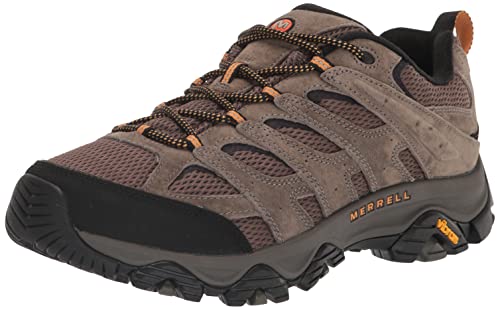
Pros
- Vibram TC5+ rubber outsole offers dependable grip across hard-pack, loose soil, and rocky terrain
- Kinetic Fit ADVANCED removable insole delivers reliable medium arch support and heel impact absorption
- Pigskin leather and mesh upper with a protective toe cap shields against abrasion and trail obstacles
- Bellows tongue and molded nylon arch shank enhance trail comfort and midfoot stability
Cons
- Non-waterproof mesh construction allows moisture penetration during heavy rain or wet stream crossings
- Low-cut design provides less lateral ankle wrap than a mid or high-cut hiking boot
- Listed weight of roughly 1.85 pounds per pair is heavier than ultralight trail runners
The Merrell Men's Moab 3 Hiking Shoe is a low-cut trail shoe designed for day hikers, weekend trail walkers, and backpackers looking for a dependable balance of support, traction, and breathability. Offered in the Walnut colorway in men's size 11 medium, this footwear suits hikers who favor the freedom and mobility of an ankle-height shoe over a rigid hiking boot. It is engineered for varied outdoor terrain, from groomed state-park paths to rocky backcountry loops across the United States.
Underfoot performance on the trail relies heavily on the shoe's shock mitigation and stability features. The Moab 3 incorporates Merrell Air Cushion technology in the heel alongside a lightweight EVA foam midsole, which absorbs shock upon heel strike and promotes a balanced stride. For foot support, the shoe features a molded nylon arch shank that stiffens the midfoot against uneven surfaces, combined with the Kinetic Fit ADVANCED removable contoured insole that delivers reinforced heel cushioning and medium arch support. Hikers carrying daypacks or moderate overnight gear can appreciate this structured platform during long hours on the trail.
Upper durability is achieved through a combination of pigskin leather overlays and breathable mesh panels that promote air circulation while resisting scuffs from trailside brush. Merrell incorporates 100% recycled laces, webbing, and interior mesh lining into the build, improving sustainability without compromising everyday trail utility. A protective toe cap guards the front of the foot against painful impacts with loose rocks and roots, while the bellows tongue prevents pebbles, sand, and loose gravel from sifting into the interior during dry, dusty treks.
Traction is managed by a Vibram TC5+ rubber outsole engineered to maintain purchase across mixed surfaces, including dry hardpack, loose soil, and damp rock faces. The traditional lace-up system with 100% recycled webbing allows hikers to dial in midfoot tension and heel lockdown to match foot volume. The removable insole also makes it simple to air out the shoes after warm summer hikes or swap in specialized orthotic inserts if personal biomechanics require custom support.
While the Moab 3 is a dependable all-around trail shoe, buyers should keep specific design tradeoffs in mind. Because this version utilizes breathable mesh without a waterproof membrane, water from rain showers, dewy morning brush, or stream crossings will seep through the upper fabric. Additionally, the low-cut profile offers less lateral ankle bracing than a dedicated mid-cut boot, which some hikers carrying heavy multi-day backpacks over off-camber scree may prefer. At approximately 1.85 pounds, it is also moderately heavier than minimalist trail running shoes.
For outdoor enthusiasts seeking reliable out-of-the-box comfort, dependable Vibram grip, and structured underfoot support, the Merrell Men's Moab 3 in Walnut is a practical and proven choice. It performs best on day hikes, light backpacking trips, and camping outings where warm-weather airflow and solid stability take priority over waterproof protection.
The Merrell Moab 3 relies on a Vibram TC5+ rubber outsole, engineered to deliver reliable purchase across diverse trail surfaces such as packed dirt, loose scree, and exposed slab. The lug geometry provides confident grip on both ascents and descents without producing excessive stiffness under the ball of the foot.
Underfoot stability is reinforced by a molded nylon arch shank that resists torsional twisting on uneven ground. Working together with the Kinetic Fit ADVANCED contoured insole, the platform offers medium arch support and heel shock absorption to help minimize foot fatigue over extended trail miles.
The upper combines genuine pigskin leather with breathable mesh panels, offering abrasion resistance against trailside rocks while venting excess foot heat on warm hikes. Sustainability is highlighted throughout the hardware, with 100% recycled content in the laces, webbing, and inner mesh lining.
Trail protection is enhanced by a durable rubber toe cap that shields against direct impacts from hidden roots and stones. In addition, the bellows tongue is connected along the sides of the throat to prevent grit, dirt, and trail debris from entering the shoe.

Pros
- Advanced traction rubber outsole provides reliable grip on wet or uneven terrain
- Manageable 14.98 oz single shoe weight minimizes leg fatigue on long day hikes
- Waterproof suede leather build keeps feet protected in damp outdoor environments
- Cushioned EVA insole and supportive midsole soften impact on rocky trails
- Integrated mesh tongue assists with airflow during strenuous hiking
Cons
- Slightly firm sole feel may be stiffer than expected for hikers preferring plush trail-runner cushioning
- Hikers wanting a roomy toe splay may need to choose the wide toe box variant over this standard profile
- Specific waterproof membrane specifications and prolonged submersion limits are not provided
The NORTIV 8 Women's Waterproof Hiking Boots are designed for day hikers, weekend backpackers, and outdoor enthusiasts seeking protective, budget-friendly footwear for trail use. Listed in women's size 8.5 with an eye-catching black and pink colorway, these mid-cut trekking boots combine waterproof suede leather uppers with an ankle-height structure to balance weather resistance and trail stability.
For trail performance on varied ground, the boot relies on an advanced traction rubber outsole built for slip resistance on uneven, muddy, or rocky terrain. Weighing 14.98 ounces for a single shoe, the design keeps foot weight relatively low compared to traditional heavy backpacking boots, which helps reduce overall fatigue during high-mileage day hikes. The slightly firm sole profile delivers essential underfoot protection against sharp stones and roots without unnecessary bulk.
Construction features include a durable suede leather exterior that shields feet against trail debris, complemented by a breathable mesh tongue that facilitates ventilation during warm hikes. Underfoot, a lightweight midsole works alongside an EVA insole to provide all-day cushioning and shock absorption. The boot blends functional durability with a feminine outdoor style through soft suede textures and contrasting color panels.
In terms of fit and adjustment, this standard size 8.5 model features traditional lace-up hardware to secure the ankle and midfoot. For hikers who prefer extra forefoot volume or plan to wear thicker wool socks on backpacking trips, the manufacturer suggests considering the wide toe box version. Routine trail care involves brushing dried dirt from the suede surface and letting damp boots air dry away from direct heat sources.
Realistic limitations should be kept in mind before purchase. The slightly firm sole is designed primarily for stability and rock protection, which may feel rigid to hikers who prefer the flexible, plush cushioning of trail-running shoes. Furthermore, while the boots feature waterproof construction, deep water crossings or continuous heavy downpours can still test exterior materials over time.
For women seeking a dependable, cost-effective boot for state park day hikes, rugged weekend backpacking, or general camping, the NORTIV 8 Waterproof Hiking Boots offer practical performance. With reliable rubber traction, supportive EVA cushioning, and weather-resistant suede, they represent a solid entry-level choice for hitting the trail with confidence.
Finding the right fit in hiking footwear is essential for avoiding trail discomfort. This NORTIV 8 model comes in women's size 8.5 with a standard profile designed to secure the heel and midfoot. For hikers who prefer additional room for toe splay or thicker wool backpacking socks, the manufacturer recommends opting for the wide toe box version.
Standard lacing across the midfoot and ankle shaft allows users to customize tension depending on whether they are climbing uphill or descending steep terrain. Trying boots on with your preferred trail socks helps confirm adequate room in the front without heel slippage.
Underfoot stability on rugged trails depends heavily on outsole compound and tread design. NORTIV 8 equips this boot with an advanced traction rubber outsole engineered to resist slipping on loose dirt, gravel, and wet rock surfaces during backcountry trekking.
The slightly firm sole profile acts as a protective barrier against sharp stones and trail roots, preventing foot bruising under a loaded pack. Inside, an EVA insole paired with a lightweight midsole adds essential shock absorption to cushion recurring trail impact.
The upper is built from waterproof suede leather paired with an ankle boot structure to provide ankle support and barrier protection against wet brush and damp trail conditions. Suede offers natural abrasion resistance against light scrapes from rocks and trailside branches.
To maintain internal airflow, a durable mesh tongue is integrated into the lacing area to vent heat and moisture vapor during exertion. Proper maintenance includes brushing off dried mud and applying suede-safe waterproofing treatments periodically to preserve leather quality over multiple hiking seasons.

Pros
- Multi-density insole and midsole setup provides soft step-in comfort and dependable impact absorption
- Full rubber outsole with triangular lugs offers solid traction across wet, muddy, and loose trail surfaces
- Gusseted tongue and reinforced toe and heel caps enhance trail protection against debris and impact
- Four-hour submersion-tested waterproof barrier keeps feet dry in rainy and damp hiking conditions
Cons
- Low-top cut provides less ankle support than high-top boots on steep, off-camber, or rocky terrain
- Waterproof barrier can reduce overall breathability during hot-weather summer hikes
- Reported 16.58 oz weight is based on a size 9, meaning larger sizes such as 10.5 will weigh slightly more
The NORTIV 8 Men's Waterproof Lightweight Hiking Shoes are low-top outdoor trail shoes built for day hikers, campers, commuters, and travelers who need reliable moisture protection and stable traction without the stiffness of a heavy work boot. Featuring an Army Green color scheme, a mixed-material upper, and a flexible low-cut ankle profile, these shoes are suited for maintained mountain trails, state park footpaths, campground walks, and general outdoor recreation where all-weather readiness is required.
Underfoot comfort relies on the brand's 4-in-1 rebound technology, which layers a Supercritical foam insole over a Strobel insole and a dual-density EVA midsole. This tiered configuration delivers immediate step-in softness while absorbing ground shock across gravel, packed dirt, and uneven trail surfaces. With a baseline weight of 16.58 oz per shoe for a size 9, this footwear maintains a manageable weight profile that helps day hikers cover moderate trail mileage without feeling bogged down by heavy footwear.
The shoe upper is assembled from leather, Oxford fabric, and supportive TPU structural pieces to balance durability and flexibility. For wet conditions, the construction is manufacturer-tested to resist water ingress during up to 4 hours of water submersion, providing peace of mind when crossing damp grass, muddy patches, or wet footbridges. Practical trail defense is reinforced with an impact-resistant toe cap, a stabilizing heel counter, and a fully gusseted tongue that prevents trail dust, small stones, and twigs from working into the shoe.
Traction across variable terrain is handled by a full-coverage rubber outsole featuring aggressive triangular tread patterns. This geometric layout expands the contact area between the shoe and the trail, helping secure foot placement over slick mud, damp timber, and loose gravel. Traditional lace eyelets allow hikers to customize midfoot tension and heel lockdown, while the low-top silhouette facilitates natural ankle mobility during uphill climbs and quick changes in direction.
Buyers should keep a few practical limitations in mind before heading out. As a low-top shoe, it does not offer the high-ankle mechanical support needed when traversing technical scree fields or carrying heavy multi-day expedition backpacks. Furthermore, while the waterproof membrane successfully keeps external moisture out during wet outings, it naturally traps more interior heat than an unlined mesh trail runner, which can lead to warmer feet during mid-summer day hikes.
For day hikers, weekend outdoor enthusiasts, and travelers looking for an accessible, water-resistant trail shoe, the NORTIV 8 Waterproof Hiking Shoes offer solid practical value. Their combination of multi-layer footbed cushioning, protective toe reinforcement, dependable water barrier, and grippy triangular tread makes them a capable choice for wet-weather walks, park trails, and routine outdoor use.
The upper of the NORTIV 8 hiking shoes utilizes a composite build made of leather, Oxford textile, and molded TPU reinforcements. This material pairing creates a sturdy exterior shell that resists scrapes from trail brush while maintaining adequate flexibility through the forefoot during natural stride mechanics.
To withstand direct impacts on rough footpaths, the shoe includes a hardened protective toe cap and a supportive heel counter that maintains shoe shape over repeated outings. Underneath, the full-length rubber outsole shields the foot from sharp rocks and uneven ground while resisting tread wear across varied outdoor surfaces.
These hiking shoes are built with an internal waterproof barrier tested by the manufacturer to withstand up to 4 hours of full water submersion. This level of water resistance helps keep socks dry when navigating wet grass, trailside puddles, stream approaches, and rainy weather conditions.
A critical component of this protection is the integrated gusseted tongue, which is stitched directly along the sides of the lacing eyestays. This barrier blocks water runoff, mud splatters, and loose trail debris from slipping between the tongue and upper into the foot chamber.
Traction is generated through a full rubber outsole covered with multidirectional triangular tread lugs. This pattern maximizes surface contact on slick mud, wet rock surfaces, and loose dirt, helping reduce slips on rolling terrain.
Underfoot support combines a Supercritical foam footbed for soft initial stepping comfort, a Strobel insole for sustained cushioning, and a dual-density EVA midsole that dampens trail shock and returns energy throughout the day.
Where to Buy Hiking Shoes and How to Choose the Right Trail Footwear
Finding the right place to purchase hiking footwear depends on your trail experience, your confidence in your foot measurements, and whether you require hands-on fitting assistance. Hikers can source dependable trail shoes from dedicated brick-and-mortar outfitters, general sporting goods chains, direct manufacturer websites, and broad online marketplaces. Understanding the trade-offs of each purchasing channel ensures you secure the best combination of sizing availability, pricing value, and return flexibility. Combining the right retail channel with a clear understanding of technical footwear specifications makes the purchasing process smooth and dependable.
Evaluating Local Specialty Outfitters Versus Online Marketplaces
Specialty outdoor outfitters provide an immersive shopping environment that online retailers cannot fully replicate. These physical stores employ trained gear staff who understand regional trail demands and can evaluate your foot width, arch height, and volume in real time. Visiting a local outfitter allows you to test several footwear brands consecutively on simulated trail inclines and rocky ramps. The primary limitation of brick-and-mortar stores lies in their physical floor space, which often restricts inventory to mainstream sizes and prominent brands.
Online marketplaces and digital storefronts compensate for the lack of in-person staff by providing an immense selection of styles, widths, and price points. Shoppers can easily locate niche designs like the FitVille Men’s Outdoor Hiking Shoes with, which specifically caters to hikers needing a wide or extra-wide forefoot profile. Furthermore, digital retailers provide direct access to verified customer reviews detailing sizing quirks and long-term durability. The trade-off with online ordering involves shipping delays and the minor inconvenience of returning items that fail to match your foot shape.
Key Benefits of In-Person Fitting at Physical Outdoor Shops
Trying footwear on in a physical shop provides immediate tactile feedback that eliminates sizing guesswork. A trained store associate can measure your feet using a traditional Brannock device, noting differences in length and width between your left and right feet. Physical retailers frequently keep testing ramps with varied rock textures, allowing you to walk down steep declines to check for toe collision. You can also bring your specific trail socks to ensure the interior volume feels secure without pinching your instep.
Another advantage of physical stores involves immediate gear pairing and accessory testing. While trying on trail footwear, hikers often test how different pack weights influence foot pressure and ankle stability. Testing shoes alongside gear like internal frame backpacks reveals whether a shoe’s midsole offers enough torsional support under substantial loads. If a shoe collar rubs your Achilles tendon or pinches your pinky toe in the store, you can discard that option immediately without waiting for return shipments.
Navigating Online Marketplaces and Direct Brand Storefronts
Purchasing trail shoes directly from manufacturer websites or major digital retailers gives buyers complete access to full colorways, half sizes, and specialized width variants. Brands often maintain detailed digital size charts with centimeter measurements that help you cross-reference your true foot dimensions. Digital platforms also make it simple to compare budget-conscious models alongside heritage trail classics. Hikers outfitting themselves with affordable daypacks can readily balance overall gear costs by comparing competitive online options across multiple stores.
When ordering online, the most effective strategy involves ordering two adjacent half sizes if your budget and the retailer’s return policy permit. Trying both sizes side by side in your home environment clarifies whether you need extra forefoot clearance for steep descents. Digital platforms also make it easier to discover accessible entry-level models such as the AIVEJE Men’s Hiking Shoes Breathable Non-Slip, which features breathable mesh construction and convenient elastic closure systems. Always check customer feedback on digital storefronts to see if buyers recommend sizing up or down.
Return Policy Essentials and In-Home Trial Protocols
Before finalizing any online footwear purchase, verifying the retailer’s exchange and return framework is critical. Premium outdoor retailers often allow generous return windows, occasionally accepting gently worn shoes if they cause discomfort on the trail. In contrast, standard digital marketplaces typically require footwear to remain in pristine condition with factory tags intact. Knowing whether return shipping is free or deducted from your refund protects you against unexpected restocking fees.
Conducting a disciplined in-home fit test ensures you preserve the return eligibility of newly purchased shoes. Lace the shoes up in the late afternoon when your feet have naturally expanded from daily movement. Walk across carpeted surfaces, step onto stairs, and walk down an inclined board to evaluate toe clearance without scratching the outer rubber lugs. If you feel any sharp pressure points or excessive heel lift during this clean indoor trial, return the shoes promptly rather than hoping they stretch out.
Sizing Considerations, Afternoon Swelling, and Toe Clearance
Trail footwear sizing requires a different mindset than purchasing casual sneakers or formal dress shoes. Feet naturally expand both longitudinally and laterally during prolonged hikes as blood flow increases and packs exert downward force. Hikers frequently experience bruised toenails or subungual hematomas when shoes are purchased without adequate forward room. Maintaining approximately a thumb’s width of space between your longest toe and the front bumper provides essential room for downward trail strikes.
Shoe volume is just as crucial as overall length when evaluating how a model accommodates your foot anatomy. Footwear with wide toe box configurations allows the metatarsals to splay naturally across uneven surfaces, which can reduce forefoot pressure on extended hikes. The NORTIV 8 Women’s Waterproof Hiking Boots highlights an available wide toe box profile designed to give hikers extra forefoot room without squeezing the pinky toe. If you have a high instep, ensure the lacing eyelets do not bite into the top of your foot when pulled snug.
Outsole Traction, Tread Patterns, and Compound Grip
The outsole represents the critical point of contact between your body and unpredictable trail surfaces. Trail footwear outsoles use specialized rubber compounds engineered to deliver grip across wet roots, loose gravel, and hardpacked dirt paths. Harder rubber compounds tend to resist abrasion on rocky switchbacks, whereas softer compounds conform to slick granite slabs for superior friction. Hikers must evaluate the terrain they frequent most often to choose an appropriate balance between rubber longevity and wet-weather traction.
Lug geometry and depth directly influence how well a shoe navigates challenging backcountry surfaces. Deep, multidirectional lugs bite into loose scree and soft mud, providing mechanical propulsion on ascents and reliable braking control on steep declines. Spacing between the lugs also matters, as wider channels allow tacky mud to shed naturally rather than packing flat into a slick surface. For instance, the NORTIV 8 Men’s Waterproof Lightweight Hiking utilizes triangular rubber tread patterns engineered to expand surface contact across uneven paths.
Midsole Construction, Cushioning Density, and Arch Stability
The midsole provides vital shock absorption and shields your feet from the punishing impact of rocky trails. Compression-molded ethylene vinyl acetate, commonly known as EVA, remains the most widely used midsole material due to its lightweight cushioning and immediate step-in softness. However, standard EVA midsoles gradually compress over high mileage, reducing shock attenuation over time. Manufacturers frequently integrate firmer dual-density foams or specialized rebound compounds to extend cushioning longevity across challenging trekking expeditions.
Torsional rigidity and arch support protect your plantar fascia from excessive strain during long ascents over uneven ground. Shoes lacking internal stability allow the foot to twist excessively on off-camber paths, leading to premature muscle fatigue in the lower leg. The Merrell Men’s Moab 3 Hiking Shoe, Walnut incorporates a molded nylon arch shank and Kinetic Fit ADVANCED contoured insole to maintain midfoot stability while absorbing heel strike shock through its integrated air cushion. Structured arch components keep the foot aligned, preventing strain across long distances.
Underfoot cushioning systems also vary significantly between different lightweight hiking models. Some footwear uses specialized Strobel insoles paired with responsive foam layers to deliver immediate step-in comfort without adding noticeable bulk. Cushioning configurations that emphasize energy return help propel your stride forward on flat trail sections. Hikers managing foot sensitivity should look for removable insoles that permit aftermarket orthotic upgrades when additional arch elevation is needed.
Weather Protection Trade-Offs: Waterproofing Versus Open Ventilation
Choosing between a waterproof membrane and an open-mesh upper requires evaluating expected trail temperatures and moisture conditions. Waterproof shoes feature internal booties designed to seal out shallow puddles, wet morning grass, and driving rain. The manufacturer of the NORTIV 8 Men’s Waterproof Lightweight Hiking notes waterproof protection designed to keep feet dry through damp conditions and puddle crossings. These sealed barriers keep moisture from penetrating the upper, providing invaluable protection during shoulder-season dampness or marshy hikes.
Despite their advantages in wet weather, waterproof linings have inherent physical limitations that hikers must consider. Waterproof membranes trap foot perspiration in warm, humid weather, which can lead to soggy socks and friction blisters during summer outings. Additionally, when water breaches the low ankle collar during a deep stream crossing, a waterproof liner holds that moisture inside and takes days to dry. For hot, arid trails and frequent water crossings, highly ventilated mesh shoes allow cool air to circulate while draining and drying rapidly.
Upper Materials, Protective Bumpers, and Debris Protection
A trail shoe upper must withstand constant scraping against sharp stones, coarse underbrush, and abrasive trail grit. Suede, nubuck, and split-grain leather uppers provide excellent abrasion resistance and natural structural durability against rough terrain. Modern hiking shoes frequently pair durable leather sections with tough synthetic panels to reduce weight while preserving ruggedness. For example, the Merrell Men’s Moab 3 Hiking Shoe, Walnut combines pigskin leather with breathable mesh to deliver a durable yet ventilated exterior structure.
Perimeter protection features prevent painful foot impacts and keep trail debris from compromising your comfort. Reinforced rubber toe caps protect your toes when you inadvertently kick buried roots or granite obstacles on the trail. A bellows or gusseted tongue connects directly to the upper on both sides, preventing sand, pine needles, and small pebbles from sliding inside the shoe. These protective details ensure your footwear handles rugged trails without premature seam failure or frustrating trail stops.
Synthetic overlays crafted from thermoplastic polyurethane often reinforce high-stress zones along the sides of the foot. These structural overlays cradle the midfoot securely without adding unnecessary ounces to each step. Abrasion-resistant collars also prevent trail dirt from wearing through the internal fabric around your ankle. Inspecting upper seams and reinforcement panels before purchasing ensures the shoe is built to handle the mechanical stresses of off-pavement travel.
Trail Verification and Gradual Break-In Protocol
Once you purchase your hiking shoes, establishing a methodical break-in procedure ensures they perform reliably on remote trails. Even lightweight synthetic shoes benefit from a few short neighborhood walks to allow the insole to conform to your foot shape. Structured leather uppers demand gradual wear to soften flex points near the metatarsals and mold the heel collar around your Achilles tendon. Wear the exact sock thickness you plan to use on the trail during these initial break-in sessions to detect potential friction spots.
Pay close attention to how the lacing tension interacts with your foot during your initial trial outings. If you notice your heel lifting slightly inside the shoe, try utilizing a runner’s lock loop lacing method to cinch the ankle collar snugly against your heel cup. Conversely, if you feel numbness or tingling across the top of your foot, loosen the laces over your midfoot while keeping the upper eyelets secure. Taking the time to dial in your fit before embarking on technical backcountry routes guarantees a comfortable and dependable hiking experience.
Selecting where to buy your hiking footwear ultimately comes down to balancing personal fitting needs with shopping convenience. Whether you choose the personalized attention of a local outfitter or the vast selection and sizing variants of online platforms, focusing on proper toe clearance, outsole grip, and underfoot stability remains paramount. Review retailer return terms carefully, test your shoes indoors thoroughly, and confirm that the fit supports natural foot expansion. Investing the effort to source the right trail shoes ensures every mile on the trail remains secure, comfortable, and memorable.


Write Your Review
No reviews yet. Be the first to share your experience!