


Steep descents covered in loose gravel and jagged granite often make outdoor travelers question their footwear choices before reaching the summit. While many hikers automatically reach for sturdy high-top boots, the question of do i need hiking boots to hike depends heavily on trail conditions, pack weight, and foot mechanics. Light day outings on packed dirt paths present vastly different biomechanical demands than off-trail backcountry treks across boulder fields.
Footwear provides the primary interface between your body and uneven ground, directly affecting joint fatigue, blister risks, and overall stability. If you are preparing your trail wardrobe alongside gear decisions like wearing long hiking pants, choosing between rugged mid-cut leather boots and lightweight trail shoes requires weighing traction against agility. Stiff leather uppers and deep lugged outsoles offer formidable underfoot rock protection, but flexible low-cut shoes reduce swing weight over long distances. Understanding how trail surfaces, weather barriers, and pack weights interact allows you to pick the right footwear without unnecessary bulk.


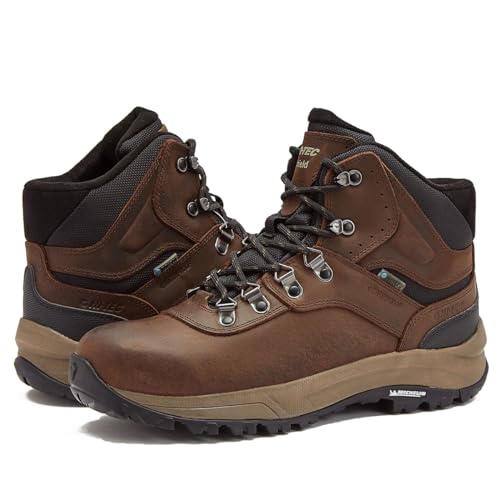


Deciding on Trail Footwear: When Hiking Boots Are Essential and When They Are Not
You do not strictly need traditional hiking boots to complete every outdoor hike, but your choice of footwear should always match the objective hazards of the route. Millions of hikers safely navigate gentle forest paths and well-graded park trails every weekend in low-cut running shoes or trail sneakers without incident. Sturdy hiking boots become necessary when rocky scree, wet river crossings, heavy pack loads, and cold weather expose your feet to bruising, rolling, and moisture. Evaluating the balance between ankle stabilization, torsional sole stiffness, and overall shoe weight will help you select the exact level of support your journey requires.
The Core Tradeoff: Ankle Support Versus Trail Agility
A common assumption in outdoor footwear is that high-cut boot collars physically prevent ankle sprains by locking the joint in place. Ankle collars certainly offer tactile resistance, proprioceptive awareness, and protection against scraping rocks or trail debris. True mechanical stability, however, stems primarily from a stiff heel counter and a rigid torsional chassis rather than collar height alone. When an uneven rock tries to twist your foot sideways, a supportive boot prevents the midsole from contorting beneath your heel.
Lighter footwear promotes foot agility and allows natural ankle articulation, which can help nimble hikers react quickly on stable ground. A flexible shoe enables your calf muscles and lower leg tendons to absorb micro-movements across predictable terrain. Heavy, rigid boots demand more energy with every stride, creating cumulative leg fatigue over long mileage days. If your lower leg strength is sound and you walk well-maintained trails, the freedom of flexible footwear often outweighs the restrictive bracing of heavy boot shafts.
Terrain Severity and Underfoot Hazard Protection
Trail surfaces dictate footwear needs more than almost any other variable. Smooth dirt trails, crushed gravel rail-trails, and well-graded switchbacks impose minimal lateral stress on your feet and ankles. On these forgiving surfaces, soft rubber midsoles and light uppers deliver plenty of cushioning while keeping your steps light and swift. You rarely need thick leather uppers or dense protective rands when there are no sharp rocks or dense roots threatening your toes.
Technical trails filled with jagged talus, loose scree, exposed tree roots, and sharp granite tell an entirely different story. Sharp rock edges can push through thin running shoe soles, bruising the metatarsals and straining the plantar fascia after just a few miles. Boots with reinforced rubber toe caps, durable leather uppers, and protective internal shanks shield your feet from painful impacts. Stiff outsoles bridge the gaps between pointed boulders, giving you a firm, level platform to stand on instead of allowing your foot to bend painfully over sharp contours.
Pack Weight Demands and Midsole Longevity
The weight resting on your shoulders dramatically shifts the biomechanical demands placed upon your footwear. Day hikers carrying only water, snacks, and a light jacket generally generate low downward force with each footstrike. Light pack weights allow standard compression-molded EVA midsoles to absorb impact without completely collapsing under load. Under these conditions, low-profile shoes provide plenty of shock absorption without needing heavy structural reinforcements.
Carrying a heavy multiday pack transforms your gait mechanics and magnifies the force pressing into your soles. If you are preparing gear while packing for a multi-day backpacking trip, your footwear must support the combined weight of your body and gear over rough topography. Heavy packs cause soft midsoles to compress prematurely, leaving your heels striking a flattened foam base that transmits harsh shock into your knees. Heavy-duty boots utilizing dense polyurethane midsoles or firm CMEVA foam resist packing out, maintaining essential arch support and cushioning across grueling expeditions.
Outsole Traction, Rubber Compounds, and Shank Stability
Traction on uneven dirt and slick granite depends on purposeful outsole engineering and rubber formulation. Hiking boots often incorporate rugged lug patterns designed to dig into loose mud and clear wet soil as you walk. Deep perimeter lugs bite into steep inclines, while specialized heel-braking lugs provide friction to stop forward slides on loose downhill descents. Specialty designs, such as boots engineered with high-performance Michelin rubber outsoles, use tailored tread geometry to maintain solid grip across wet rock and loose gravel.
Shank stability represents another hidden engineering feature that separates true hiking boots from everyday athletic footwear. Internal shanks, made from hardened materials such as nylon, TPU, or composite fork shanks, sit inside the midsole to provide torsional rigidity. This rigid internal backbone stops the boot from twisting into a spiral when you step on the edge of a rock. By preventing lateral torsion, internal shanks reduce foot strain and stabilize your stride across off-camber hillside traverses.
Weather Protection: Waterproof Membranes Versus Ventilated Mesh
Wet trail conditions introduce another critical question when choosing footwear. Waterproof hiking boots typically feature specialized internal membranes, such as DRI-TEC or similar barrier liners, built behind durable leather or synthetic uppers. These membranes prevent external moisture from splashing stream crossings, marshy mud, and morning dew from soaking your socks. A gusseted bellows tongue seals the lacing opening, keeping water and stray pebbles from slipping over the instep.
Waterproof membranes also come with distinct trade-offs that hikers must consider carefully before buying. While a membrane locks out rain and puddle splashes, it also restricts vapor escape during hot, sunny hikes. Trapped sweat softens the skin on your soles, increasing the likelihood of painful shear friction blisters. In arid desert climates or warm summer days, non-waterproof boots with ventilated mesh uppers dry faster and allow feet to breathe freely, avoiding swampy internal moisture altogether.
Comparing Footwear Categories: Boots, Trail Runners, and Hiking Shoes
Understanding the differences between boots, trail running shoes, and low-cut hiking shoes helps clarify which option fits your goals. Traditional hiking boots feature high or mid-cut collars, stiff midsoles, and durable leather or heavy synthetic uppers. They excel in rough backcountry conditions, snow, mud, and heavy backpacking, offering maximum durability and foot protection. Their primary drawbacks remain higher weight per pair and extended break-in requirements before long trips.
Trail runners have surged in popularity among thru-hikers and fastpackers who prioritize speed and low weight. These shoes combine breathable mesh uppers with aggressively lugged outsoles and soft, flexible running midsoles. They dry rapidly after water crossings, require virtually no break-in period, and minimize lower leg fatigue over twenty-mile days. However, trail runners wear down much faster than leather boots, often showing tread wear and foam compaction after a few hundred miles of rough use.
Low-cut hiking shoes offer a middle path between heavy boots and lightweight trail runners. These shoes retain the stiff midsoles, durable leather overlays, and rugged rubber outsoles of traditional boots while stopping below the ankle bone. They provide excellent underfoot rock protection and arch support without the restrictive collar of a mid-cut boot. For day hikers tackling rocky trails without heavy pack loads, low-cut hiking shoes deliver an ideal blend of protection and freedom.
Foot Anatomy, Volume, and Pre-Existing Discomfort
Individual foot shape plays an immense role in determining whether a boot or a flexible shoe serves you best. Hikers with wide forefeet, prominent bunions, or high instep arches often experience uncomfortable pinching inside stiff leather boots that lack generous width. Stiff boot uppers resist stretching around wide metatarsals, leading to numbness and friction hotspots during steep climbs. Flexible mesh uppers or footwear built in dedicated wide width profiles give wide feet room to splay naturally.
Hikers dealing with plantar fasciitis, weak arches, or recurring ankle sprains frequently benefit from the structural scaffolding of a supportive boot. Premium boot footbeds, such as Ortholite Impressions insoles with slow recovery foam, cushion repetitive heel strikes while contouring to the plantar arch. When paired with an impact-absorbing CMEVA midsole, structured footwear keeps your foot from overpronating on uneven surfaces. If your feet require aftermarket orthotic insoles, the deeper volume of a mid-cut boot typically accommodates rigid footbeds better than low-profile running shoes.
Sizing, Fit Testing, and Downhill Toe Clearance
Proper fit is crucial for any trail footwear, but sizing errors in boots produce immediate and painful consequences. During a long hike, feet naturally swell due to increased blood flow and prolonged standing. Footwear that fits snugly in the morning can pinch your toes by afternoon, creating severe discomfort. When trying on trail footwear, always size up sufficiently to allow a full finger-width of clearance behind your heel when your toes touch the front unlaced.
Downhill descents quickly reveal whether your footwear provides adequate interior room. If your boots lack sufficient length, your toes will hammer into the front of the toe box with every downward step. This downhill toe collision causes subungual hematomas, commonly known as black toenails, and can ruin a multiday trek. Testing boots on an inclined ramp or kicking firmly into the floor helps verify that your heel stays locked in place without toe contact.
Lacing Techniques for Heel Hold and Pressure Relief
Lacing patterns give you precise control over internal boot volume and foot stability on shifting terrain. Hikers frequently suffer from heel slip when the heel pocket fails to hold the calcaneus firmly against the back of the footbed. You can easily fix heel lift by executing a surgeon’s knot, which involves twisting the laces twice over the instep before locking them into the lower ankle hooks. This simple friction knot isolates the lower foot zone and keeps your heel planted without overtightening the collar.
If you experience dorsal nerve compression or painful throbbing across the top of your foot, alternative lacing can relieve pressure instantly. Window lacing, also known as box lacing, skips the eyelets directly over a high instep arch or painful hot spot. Instead of crossing diagonally across the sensitive bone, the laces run vertically up the sides before resuming normal cross patterns higher up. Adjusting your laces mid-hike takes only seconds but prevents blisters and keeps blood circulating freely through tired feet.
Trail Break-In and Footwear Maintenance
Synthetic hiking boots and trail shoes generally offer out-of-the-box comfort, requiring minimal preparation before you hit the trail. Rugged full-grain or nubuck leather boots, by contrast, demand a progressive break-in schedule before tackling serious trail mileage. Leather uppers must flex naturally against your foot to soften stiff collars and mold around your heel. Wearing new leather boots on short neighborhood walks and easy day hikes allows materials to conform gradually without causing debilitating blisters.
Maintaining your footwear ensures consistent traction and weather protection across multiple hiking seasons. After muddy treks, brush away caked dirt and dry your footwear naturally at room temperature away from wood stoves or campfires. High heat degrades the adhesives bonding rubber outsoles to midsoles and causes natural leather to dry out and crack. Pairing well-maintained boots with dedicated hiking apparel and gear keeps your entire lower body shielded from rough brush, mud, and trail abrasions.
Practical Decision Framework for Your Trail Choices
Choosing whether to wear hiking boots comes down to an honest assessment of your trail, load, and physical conditioning. If you plan short day hikes on smooth gravel paths in warm weather with a light pack, lightweight trail shoes or running sneakers are entirely adequate. They keep your legs feeling energetic and eliminate the heavy, clunky sensation of rigid leather shafts. Under these moderate conditions, you do not need the heavy-duty protection of high-cut boots.
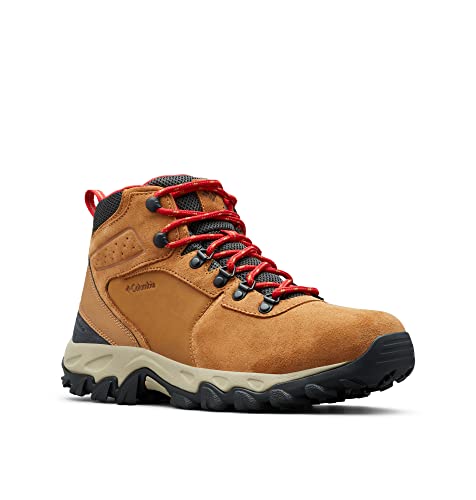
When your itinerary involves cold weather, steep scree, muddy trails, or a loaded multiday pack, reaching for a supportive waterproof hiking boot is the safest choice. Mid-cut boots with durable leather uppers, internal fork shanks, and deep rubber lugs protect your joints from fatigue and your soles from stone bruising. By matching your footwear directly to your terrain and pack weight, you ensure comfortable miles and injury-free adventures on every trail you explore.



Write Your Review
No reviews yet. Be the first to share your experience!