


Navigating overgrown singletrack and steep switchbacks often forces outdoor enthusiasts to rethink their trail apparel before heading out the door. Dense brush, sharp thorns, and unexpected encounters with poison ivy can quickly turn a scenic morning trek into an itchy, uncomfortable ordeal. Deciding should you wear long pants when hiking usually hinges on the specific terrain, local wildlife hazards, and shifting weather patterns of your route. While exposed legs might feel cooler in intense summer heat, full coverage provides an essential physical barrier that shorts simply cannot match. Pairing reliable leg coverage with breathable, lightweight trail pants ensures you stay protected without overheating during strenuous climbs.
Modern outdoor garments have evolved well beyond heavy canvas trousers to offer remarkable temperature regulation and mobility. Technical nylon weaves, integrated stretch elastane, and smart venting now allow hikers to move freely across rocky scrambles without feeling restricted or sweltering in humid conditions. Evaluating fabric durability, pocket storage, and sun defense helps clarify whether pants or shorts best suit your upcoming journey. Considering your personal tolerance for insects, trail scratches, and changing mountain climates will ultimately guide the smartest choice for your day pack. Reviewing how purposeful apparel designs balance trail protection against warm-weather ventilation makes your gear selection straightforward and effective.


The Comprehensive Guide to Wearing Long Pants on the Trail
Direct Answer: When Long Pants Are Essential for Hikers
Wearing long pants is the safer, more protective choice for most outdoor hikes. While lightweight shorts offer great airflow in hot weather, full-length pants provide an essential physical shield against scrub, sun, and biting insects. Seasoned hikers frequently opt for trousers even during warm mornings because trail conditions can shift dramatically over several miles. Selecting appropriate full-length trousers allows you to tackle varied backcountry routes without worrying about painful scrapes.
Your destination route plays a major role in determining whether full leg coverage is necessary. Wide park paths rarely present thick brambles or thorny overgrowth, making shorts a reasonable option for casual outings. Narrow backcountry tracks, alpine routes, and overgrown forest trails present constant contact with rough rocks and tangled brush. On these demanding pathways, durable pants prevent minor scrapes from turning into distracting trail injuries.
Unpredictable mountain weather also makes full-length legwear an asset for extended excursions. Early departures often begin in crisp, chilly air before temperatures climb by midday. Wind exposure on open ridges can cause rapid cooling that chills bare legs surprisingly fast. Wearing technical hiking pants gives you dependable thermal insulation against stiff breezes while keeping you comfortable as temperatures rise.
Physical Protection Against Brush, Scratches, and Toxic Plants
Dense trailside vegetation poses an immediate challenge for anyone exploring less-traveled footpaths. Thorny blackberry vines, stiff chaparral, and low branches routinely whip against your shins and calves. Without fabric covering your skin, these plants leave bleeding scratches that collect trail dirt and sweat. High-density woven materials resist snagging, letting you push through thick underbrush without suffering continuous minor cuts.
Toxic vegetation represents another serious hazard that makes long pants worth wearing on green trails. Brushing against poison ivy, poison oak, or stinging nettles transfers plant oils or stinging hairs directly onto bare skin. These plant defenses trigger intense itching and painful rashes that can linger for several weeks. Wearing dedicated outdoor trousers keeps plant toxins on the outside of your fabric, where you can wash them off safely at home.
Rocky terrain and steep scrambles also place extra mechanical stress on your lower extremities. Hikers who navigate loose scree or boulder fields frequently bump their knees against sharp granite edges. Wearing pants engineered with articulated fabric panels helps prevent skin tears during unexpected slips. Hikers managing joint strain often choose specialized supportive knee hiking pants to combine joint stability with rugged exterior protection.
Tick Defense, Bug Bites, and Insect Management
Tick prevention remains one of the strongest practical arguments for wearing long pants in the woods. Ticks perch on the tips of tall grass and low shrubs, waiting to latch onto warm-blooded passersby as they brush past. Bare legs offer these parasites immediate access to your skin, increasing the risk of tick-borne illnesses like Lyme disease. A sturdy pant leg creates a smooth barrier that makes it harder for ticks to attach securely.
Using the proper pant configuration enhances your defense against ground-level pests. Tucking the cuffs of your pants directly into your hiking socks or boots creates an unbroken physical seal. This barrier forces crawling ticks to travel upward along the exterior of your trousers, where you can spot and brush them away. Choosing lighter fabric colors further improves your ability to spot small dark arachnids before they reach your waistband.
Flying insects like black flies, gnats, and aggressive mosquitoes can also turn a mountain trek into a frustrating battle. Swarming insects easily target exposed calves and thighs, especially near damp riverbeds or alpine marshlands. Tightly woven fabrics prevent insect mouthparts from penetrating through to your skin. Even thin synthetic pants offer a reliable physical barrier that reduces the need for constant insect repellent reapplication.
Sun Protection and Alpine Climate Adaptability
Sun protection is a critical consideration that many day hikers overlook until they experience severe sunburn. High-elevation environments expose your skin to significantly stronger ultraviolet radiation than valley floors. Sunscreen washes away quickly with heavy perspiration, leaving your calves vulnerable to painful burns. Wearing pants with built-in ultraviolet protection provides consistent, all-day defense without the greasy mess of frequent lotion reapplications.
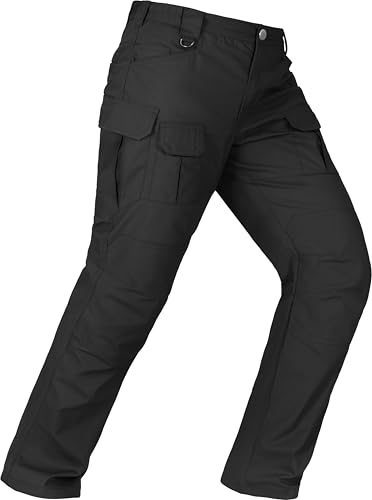
The product description for the SPOSULEI Cargo Pants for Mens Lightweight Outdoor highlights integrated UPF 50+ sun protection. A UPF 50+ rating blocks roughly 98 percent of harmful ultraviolet rays, safeguarding your legs across exposed ridgelines. Having permanent sun protection woven into the garment eliminates the risk of missing spots with topical creams. This reliable coverage proves invaluable during multi-hour treks above the tree line where natural shade is nonexistent.
Sudden mountain showers and damp morning foliage can soak bare legs or casual clothing in minutes. The SPOSULEI design incorporates a durable water repellent (DWR) finish designed to shed light rain showers and trail stains. This specialized exterior finish causes water droplets to bead up and roll off rather than soaking into the weave. Staying dry prevents chilling breezes from sapping your core body temperature when weather conditions turn wet.
Fabric Selection: Technical Nylon Blends Versus Casual Cotton
Understanding fabric composition is essential when determining whether your pants will perform well on the trail. Experienced backpackers strictly avoid standard cotton garments on demanding backcountry routes due to poor moisture management. Cotton fibers absorb water readily and retain moisture for long periods, leading to chafing, heavy clothing, and rapid chilling. Technical synthetics like nylon or polyester dry substantially faster and wick sweat away from your skin during intense exertion.
The PLEPAN Mens Cotton Casual Cargo Joggers Navy Blue feature a 94 percent cotton and 6 percent elastane twill fabric. This blend delivers exceptional softness, high breathability, and generous casual stretch for everyday wear. The natural cotton twill feels gentle against the skin and works nicely for light strolls in crisp, dry weather. In wet backcountry environments or during high-output scrambles, however, cotton twill can hold onto dampness and dry much slower than synthetic fibers.
Synthetic options like the SPOSULEI cargo trousers utilize four-sided elastic nylon fabric that offers distinct advantages for rugged trails. Nylon provides superior abrasion resistance compared to cotton, standing up against rough granite edges and dense briars. The four-way elasticity delivers micro-stretch that adapts to high-stepping movements without tearing at stress points. When combined with fast-drying properties, technical nylon keeps you light, agile, and comfortable across varying trail conditions.
Mobility Features: Articulated Knees, Gussets, and Venting
Mobility is just as important as protection when choosing whether to wear long pants on steep mountain ascents. Ill-fitting or rigid trousers pull tightly across the quadriceps whenever you take high steps or climb over fallen logs. This resistance tires your leg muscles prematurely and can cause irritating friction along your inner thighs. Thoughtfully designed hiking pants incorporate specific anatomical tailoring to maintain complete freedom of movement on uneven terrain.
The SPOSULEI outdoor cargo pants incorporate articulated seams at the knees along with a dedicated crotch gusset structure. Articulated knee tailoring mimics the natural bend of the leg, eliminating fabric bunching and pulling during steep climbs. A crotch gusset replaces traditional four-way seam intersections with an extra fabric panel to disperse strain and reduce chafing. These geometric construction details allow the pants to flex effortlessly without riding up or binding.
Overheating remains the primary complaint among hikers who hesitate to wear long pants on warm summer afternoons. To solve this problem, manufacturers frequently incorporate mechanical ventilation features into their apparel designs. The SPOSULEI model includes two dedicated ventilation openings on the inner thighs engineered to promote constant internal air circulation. Opening these vents releases trapped body heat quickly, keeping you noticeably cooler while maintaining complete lower-leg brush protection.
Pocket Organization and Trail Gear Management
Secure pocket storage is a practical benefit that gives cargo hiking pants a major advantage over running shorts. Navigating uneven terrain requires quick access to navigation tools, trail snacks, pocket knives, and mobile phones. Loose or shallow pockets risk dumping valuable essentials onto the forest floor during steep descents or scrambles. Trousers built with zippered utility compartments keep your critical trail gear safe and organized throughout the day.
Pocket layout differs significantly between dedicated hiking gear and casual athletic joggers. The SPOSULEI design provides six utility pockets, including zippered thigh compartments and secure back pockets for personal valuables. Slanted side pockets and straight thigh pockets offer balanced storage for multi-tools without bouncing uncomfortably against your knees. The PLEPAN casual cargo joggers utilize four reinforced pockets, which work well for keeping lighter personal items secure during low-intensity walks.
Efficient pocket organization allows you to balance weight distribution between your clothing and your daypack. Keeping small navigational tools and sunscreen in secure thigh pockets reduces the need to stop and take off your backpack repeatedly. Many day hikers pair their organized cargo bottoms with reliable budget trail backpacks to manage heavier gear like hydration bladders and warm layers. This combination ensures essential items stay immediately accessible while keeping your hands free on technical trail sections.
Scenarios Where Shorts or Casual Joggers Make Sense
Wearing long technical hiking pants is not strictly necessary for every single outdoor excursion you undertake. Broad, paved park loops and well-cleared rail trails rarely expose hikers to brush, thorny vines, or dense tick colonies. When temperatures soar on open, manicured paths, hiking shorts provide superior cooling and evaporative comfort. If your route carries zero risk of abrasive plant contact, opting for shorts is a reasonable and comfortable decision.
Casual cotton-blend cargo joggers can also serve a useful purpose for specific low-intensity outdoor routines. The PLEPAN casual cargo joggers feature a soft cotton twill fabric and an adjustable drawstring waist that provides all-day leisure comfort. These tapered joggers work wonderfully for short neighborhood walks, campsite lounging, or relaxed trail strolls in dry, mild conditions. Their comfortable stretch construction makes them great for light workouts without the technical complexity of mountain gear.
The key is aligning your clothing choices with the specific demands of your planned trail environment. Casual joggers excel during relaxed outdoor recreation where weather is predictable and terrain is smooth. Rugged backcountry loops with variable weather and dense brush demand the superior protection of technical nylon pants. Assessing the trail conditions honestly before leaving home helps you choose the right garment for comfort and safety.
A Practical Decision Framework for Your Next Hike
Making a confident gear choice starts with a quick review of your trail environment and weather forecast. Ask yourself whether the trail is known for overgrown brush, poison oak, rocky scrambles, or high tick activity. If any of these environmental hazards are present, reaching for full-length protective pants is always the smarter call. For open, shaded, and well-groomed gravel trails during dry summer heat, lightweight shorts remain a perfectly suitable alternative.
Pay close attention to waistband design and sizing details to ensure optimal comfort over long trail distances. The PLEPAN joggers utilize an elastic waist with an adjustable long drawstring, offering easy waist customization for casual strolls. Technical pants like the SPOSULEI model provide structured waistbands and dedicated belt loops designed to carry pocket weight securely without sagging. Always check the manufacturer size recommendations carefully before purchasing to achieve a secure and comfortable fit.
Choosing proper trail legwear ultimately balances physical protection against personal temperature preferences. Selecting lightweight, breathable pants with built-in venting and articulated knees gives you the best of both worlds on challenging routes. You gain comprehensive defense against sun, briars, and insects without sacrificing range of motion or enduring stifling heat. Making an informed apparel choice ensures your upcoming outdoor adventures remain safe, comfortable, and thoroughly enjoyable.


Write Your Review
No reviews yet. Be the first to share your experience!