


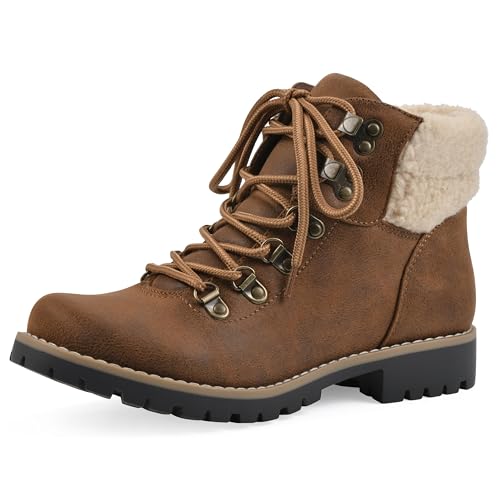
Heading out onto uneven dirt trails requires footwear that protects your feet from sharp rocks, steep descents, and sudden slips. Many outdoor walkers encounter stylish footwear lines and find themselves asking are cliffs boots good for hiking when planning an afternoon in local parks or nature reserves. Footwear bearing the Cliffs moniker, particularly the Cliffs by White Mountain collection, combines outdoor styling cues like sweater knit collars and D-ring lacing with casual lifestyle construction. While pairing comfortable footwear with wearing long pants on overgrown trails helps shield your legs from brush, matching your boots to trail difficulty is critical for avoiding foot fatigue and ankle strain.
Evaluating whether these models belong in your outdoor gear rotation requires looking closely at midsole support, outsole traction, and upper protection. Models in the fashion hiker bootie category feature lightweight cushioned insoles and decorative hardware built for city walking, whereas dedicated trail models like the Propét Cliff Walker provide waterproof leather uppers, internal heel counters, and rubber traction lugs. Understanding the exact mechanical differences between urban lifestyle booties and dedicated trail boots ensures you choose footwear that keeps your arches comfortable without risking painful trail mishaps.


Evaluating Cliffs Footwear for Trail Walking and Outdoor Performance
The short answer to whether are cliffs boots good for hiking depends entirely on the terrain you plan to explore. Footwear models from the Cliffs by White Mountain line are categorized by the manufacturer as fashion hiker booties and city hikers rather than technical outdoor gear. These shoes offer attractive styling like sweater knit collars and lightweight cushioning, making them popular for casual urban commutes and flat park walks. Technical trails with loose rocks, slick mud, and steep gradients demand specific structural reinforcements that casual lifestyle footwear does not provide.
The Direct Answer: City Hiker Styling Versus Technical Trail Performance
Outdoor walkers frequently see footwear marketed as hiker booties and wonder if the rugged appearance translates to genuine trail capability. Cliffs by White Mountain models, such as the Pathfield, Hearty, and Duena, are designed primarily for everyday lifestyle wear, leisure walks, and light recreational use. Their construction prioritizes visual appeal, soft step-in comfort, and lightweight convenience over heavy-duty foot protection. When an outdoor route involves groomed gravel paths or paved multi-use park paths, these lightweight booties handle the distance comfortably.
Backcountry trails create an entirely different mechanical environment for your feet. Technical hiking footwear requires rigid chassis construction, multidirectional lugged outsoles, and supportive uppers capable of deflecting trail debris. While a fashion hiker looks rugged from the outside, it lacks the protective toe bumpers, high-denier fabrics, and torsional stiffness necessary for rugged terrain. Taking fashion-forward footwear onto rocky singletrack or wet mountain trails often leads to rapid material wear, sore arches, and unstable footing.
Differentiating between visual styling and functional engineering is essential for safe outdoor planning. Manufacturers use terminology like city hiker to signal that a boot borrows visual design elements from traditional mountaineering boots without claiming technical outdoor capabilities. Recognizing this distinction helps outdoor walkers avoid the frustration of taking lifestyle footwear into environments that demand specialized protective gear.
Anatomy of Fashion Hikers: Materials, Sweater Collars, and Decorative Hardware
Upper construction determines how effectively a boot resists trail abrasion and shields the foot from trail hazards. The Cliffs by White Mountain collection frequently utilizes soft synthetic fabric uppers, knit sweater collars, and fleece linings. Models like the Kelsie and Duena feature fold-down fleece or sweater trim that adds warmth and seasonal aesthetic charm. While these materials feel soft around the ankle, they do not offer the abrasion resistance provided by thick leather or high-denier nylon.
Trail obstacles like sharp granite edges, thorn bushes, and submerged roots can quickly snag or scuff lightweight synthetic fabrics. Dedicated hiking boots rely on durable leather or heavy synthetic textiles with reinforced perimeter rands to shield the foot from direct impact. Fashion booties rarely feature heavy-duty rubber rands around the toe box and heel. Without these protective layers, direct contact with jagged rocks can cause painful toe impact and cause outer materials to degrade prematurely.
Lacing hardware on lifestyle boots also serves a different purpose than the hardware found on technical outdoor boots. Cliffs models often incorporate decorative D-ring eyelets alongside functional inside zippers or ornamental buckle straps, as seen on the Hearty and Powell models. While side zippers allow effortless entry when stepping out for errands, they introduce a structural weak point on rough trails. Zipper tracks can burst under lateral force during uneven footholds and can jam when exposed to trail grit.
Outsole Construction and Traction Limitations on Mud, Scree, and Wet Rock
Underfoot traction is the primary safety factor preventing slips and falls on natural trail surfaces. Cliffs by White Mountain shoes generally employ molded synthetic or lightweight EVA outsoles with shallow tread patterns, described in specifications as sporty or lug treaded soles. These outsoles provide adequate slip resistance on smooth concrete, dry asphalt, and compact park dirt. Their softer compounds and shallow lug indentations deliver quiet, flexible steps across flat urban environments.
Unpaved hiking trails present dynamic surfaces including slick wet roots, loose scree, wet river stones, and deep mud. Dedicated trail boots utilize specialized rubber compounds with deep, multidirectional lugs typically measuring four to six millimeters in depth. These aggressive lug channels bite into soft earth and feature open spacing that sheds sticky mud with every stride. Shallow fashion outsoles tend to pack quickly with damp soil, transforming the bottom of the sole into a smooth, slick surface that offers minimal grip on an incline.
Descent control requires another critical outsole feature that fashion booties lack. Dedicated trail footwear incorporates a pronounced, undercut heel brake that digs into the ground when walking down steep dirt inclines. Flat or continuous sporty outsoles rely on surface friction alone rather than mechanical braking geometry. Lacking a defined heel breast, hikers wearing fashion booties downhill may find their feet sliding forward on loose gravel or damp pine needles.
Midsole Cushioning, Torsional Rigidity, and the Need for Internal Shanks
Midsole composition dictates how effectively footwear absorbs impact while supporting the plantar fascia over several hours of walking. Cliffs booties feature cushioned insoles and lightweight molded EVA or synthetic midsoles designed for instant step-in comfort. This plush underfoot feel is pleasant during short neighbourhood walks because the foam compresses easily under body weight. However, unreinforced foam midsoles behave very differently when subjected to repetitive pressure across uneven terrain.
Walking over pointed rocks without a protective internal barrier causes stone bruising on the metatarsal heads and heel. Technical hiking boots incorporate semi-rigid thermoplastic polyurethane or nylon shanks embedded directly within the midsole assembly. These internal shanks provide torsional rigidity, preventing the boot from twisting excessively when you step on the edge of an angled rock. Without a stiff shank, your foot muscles must work overtime to stabilize every step, accelerating arch fatigue.
Foam compression resistance also becomes critical if you carry any supplemental gear. When planning outdoor adventures or preparing gear for a multi-day backpacking trip, the combined weight of your pack and body places immense pressure on footwear midsoles. Soft, unreinforced EVA foams compress rapidly under heavy loads, losing their shock-absorbing capacity within a few trail miles. Sustained pack weight demands denser dual-density EVA or structured polyurethane compounds that resist bottoming out on rugged paths.
Weather Resistance, Tongue Gussets, and the Impact of Side Zippers
Wet feet on the trail lead rapidly to macerated skin, increased friction, and painful blisters. Technical waterproof hiking boots employ internal waterproof-breathable bootie membranes combined with fully gusseted bellows tongues. A gusseted tongue connects the tongue fabric directly to the upper eyestay, preventing standing water from seeping into the boot as long as the water level remains below the collar opening. This sealed barrier keeps trail muck and shallow puddles on the outside of your footwear.
Fashion hiker booties like the Cliffs Powell and Tracking models prioritize convenience by featuring functional inside zippers. While zippers allow you to slip boots on and off quickly at home, they introduce substantial water entry channels. Standard zippers are rarely waterproof, and their teeth sit close to ground level where morning dew, trail puddles, and splashback can penetrate directly. Once water enters a fleece-lined fashion boot, the synthetic linings absorb the moisture and dry very slowly in the field.
External fabric treatments also differ substantially between fashion footwear and technical trail gear. Many lifestyle booties use light water-resistant synthetic finishes or unsealed fabric panels that repel mist for a short duration. In contrast, dedicated outdoor boots undergo factory durable water repellent applications across tightly woven or treated leather uppers. Walking through wet grass or shallow trail runoff in fashion booties saturates the fabric, leaving socks damp and vulnerable to friction hot spots.
Foot Biomechanics: Heel Counters, Ankle Support, and Downhill Stability
Ankle stability on unpaved ground relies on how securely the heel bone is locked into the rearfoot cup. While fashion booties often feature mid-cut shafts rising four to five inches above the sole, collar height alone does not guarantee joint stabilization. A soft fabric or sweater knit collar offers zero structural resistance against lateral ankle rolling. True stability originates from a stiff internal heel counter that cradles the calcaneus and anchors the rearfoot firmly in place.
Steep descents expose another critical biomechanical requirement known as foot lockdown. When descending an incline, gravitational forces push the entire foot forward toward the front of the shoe. Technical hiking boots use precision lacing hardware with locking lace hooks to secure the instep and prevent the toes from colliding with the front rand. Without a firm instep lockdown, toes repeatedly jam against the front interior wall, leading to subungual hematomas and painful bruised toenails.
Fashion booties generally utilize decorative D-rings and flexible laces that stretch during forward foot motion. This allows the foot to slide forward on downhill grades, particularly when paired with smooth factory insoles. To minimize blister risk and foot translation, hikers require footwear that holds the midfoot securely while providing adequate forefoot width for natural toe splay. Evaluating how firmly your heel remains anchored during steep descents is an essential check before trusting any boot on elevation changes.
The Propét Cliff Walker Distinction: Orthopedic Support and Walking Performance
Shoppers researching whether cliffs boots are suitable for trail walking often encounter the Propét Cliff Walker boot series alongside Cliffs by White Mountain. While sharing the Cliff name, the Propét Cliff Walker represents an entirely different class of footwear engineered specifically for therapeutic walking and trail support. The Propét boot features genuine waterproof leather uppers, padded collars, and a specialized Medicare A5500 diabetic footwear certification. This classification requires rigid structural standards, deep toe box volume, and medical-grade interior accommodations.
Underfoot construction on the Propét Cliff Walker incorporates both an internal and external heel counter paired with a molded EVA midsole. The durable rubber outsole features a self-cleaning lug pattern designed for positive traction and shock absorption across uneven terrain. Speed lacing hooks provide reliable midfoot lockdown, allowing walkers with sensitive feet or wide width requirements up to 5E to secure a stable, supportive fit. For individuals needing structured foot protection and orthopedic arch accommodation, the Propét model delivers genuine walking durability that fashion booties cannot match.
This comparison highlights the importance of checking brand specifications and model purposes rather than relying solely on product name keywords. While Cliffs by White Mountain focuses on affordable, fashion-forward styling for casual wear, Propét builds functional walking footwear engineered to support vulnerable joints and accommodate custom orthotics. Distinguishing between these two footwear categories prevents costly sizing mistakes and ensures your footwear matches your physical support requirements.
When Cliffs Booties Are Appropriate: Terrain Limits and Walking Scenarios
Concluding that Cliffs by White Mountain booties are poorly suited for technical alpine trails does not mean they lack practical utility. These stylish booties excel in everyday walking scenarios where comfort, aesthetic charm, and easy on-and-off access are top priorities. Strolling through paved suburban greenways, walking on packed gravel park paths, or running errands during crisp autumn weather represent ideal use cases. Their lightweight build prevents the heavy leg fatigue associated with stiff, bulky mountaineering footwear.
Cushioned insoles and flexible outsoles provide comfortable shock absorption on hard artificial surfaces like pavement and boardwalks. The fleece and sweater knit collar trims offer cozy thermal insulation during dry, cool morning walks. For casual outings where elevation change is minimal and trail obstacles are nonexistent, fashion hiker booties deliver an enjoyable blend of warmth and seasonal style. They keep your steps light without requiring lengthy break-in schedules or specialized leather care routines.
Honest assessment of your intended route ensures you stay within the functional boundaries of lifestyle footwear. If an outing involves manicured nature center walkways or dry scenic park trails, Cliffs booties perform comfortably. Maintaining realistic expectations about surface conditions prevents unexpected footwear damage and keeps your feet feeling relaxed throughout casual outdoor outings.
Matching Your Footwear to Trail Difficulty and Load Demands
Selecting appropriate outdoor footwear requires matching boot capabilities directly against trail difficulty, weather exposure, and pack weight. For casual walking on flat, dry, maintained surfaces, lightweight fashion booties like those from Cliffs by White Mountain provide adequate everyday comfort. If your route introduces modest mud, damp grass, or rocky patches, transitioning to a dedicated light hiker like the Nortiv 8 waterproof boot ensures deeper lug traction and better upper protection.
When outdoor plans include technical terrain, steep elevation gradients, or multiday backpacking loads, footwear selection shifts toward rigid, supportive hiking boots. Look for features such as torsional shanks, deep multidirectional rubber lugs, protective rubber toe rands, and gusseted waterproof tongues. Walkers needing orthopedic arch accommodation or extra-wide width profiles will find substantial support in structured walking models like the Propét Cliff Walker. Making an informed footwear decision ensures your arches remain supported, your joints stay protected, and your outdoor journeys remain safe and enjoyable.



Write Your Review
No reviews yet. Be the first to share your experience!