


Foot fatigue, joint stiffness, and unpredictable weather often lead people to wonder if their trail footwear can double as an everyday shoe. You might love the dependable traction and ankle coverage of your trail shoes, which naturally brings up the question: can i wear hiking boots everyday? Modern trail boots feature impressive engineering designed to support your feet across uneven terrain, but walking on paved sidewalks and indoor surfaces creates unique demands that differ from forest paths.
Choosing to wear trail footwear daily offers substantial underfoot protection, especially when navigating rainy commutes, light work sites, or extended outdoor walks. Pairing your boots with casual attire or breathable trail pants provides dependable foul-weather defense and joint stability. However, boot weight, midsole cushioning, and rubber compound stiffness all influence whether daily wear feels exceptionally supportive or unnecessarily exhausting over time.

Pros
- Ankle-high waterproof build protects against puddles, wet mud, and shallow splashes
- Flexible EVA midsole and removable cushioned insole deliver immediate step-in comfort
- High-traction rubber outsole provides dependable grip on wet, muddy, and loose ground
- Multipurpose design suits day hiking, camping, light backpacking, and manual outdoor work
Cons
- Waterproof membrane reduces upper airflow in hot, dry summer weather compared to ventilated mesh footwear
- Lacks the rigid shank support required for technical mountaineering or crampon use
- Sizing is fixed to standard shoe lasts and may require aftermarket insoles for specialized arch shapes
The NORTIV 8 Men's Ankle High Waterproof Hiking Boots are built for day hikers, weekend backpackers, campers, and outdoor workers who need ankle stability and dependable wet-weather protection. Featuring an ankle-high silhouette in a brown, black, and tan colorway, this trail footwear caters to outdoor enthusiasts who navigate muddy paths, rocky forest tracks, and uneven ground. The design emphasizes immediate step-in cushioning and reliable traction, making it an appealing option for beginners and budget-minded hikers seeking functional outdoor footwear.
Underfoot cushioning and trail shock absorption rely on a balanced two-part comfort setup featuring lightweight EVA midsoles and removable cushioned insoles. The flexible EVA foam absorbs ground impact and provides responsive energy return, helping to minimize foot fatigue over long days on the trail. In addition, the removable shock-absorbent footbed allows hikers to remove the insoles to air out after wet outings or replace them with custom orthotics if specific arch support is needed.
Outsole traction and upper construction are specifically engineered for challenging, slick outdoor surfaces. The durable rubber outsoles feature pronounced, multidirectional lugs designed to grip mud, damp dirt, wet rocks, and loose gravel, minimizing slipping on steep ascents or slick descents. The ankle-high cut offers added lateral support and keeps trail debris from entering the footwear, while the waterproof upper helps keep feet dry during rainy hikes, dewy mornings, and shallow stream crossings.
Caring for and maintaining these boots is straightforward thanks to the synthetic upper and durable rubber foundation. Because the insoles can be taken out, drying the boots after rainy trail excursions or sweaty hikes is much faster, which helps preserve the internal materials and reduce odor buildup. Hikers should routinely brush dried mud from the outsole grooves to ensure the rubber lugs retain their intended grip on future outings.
While these boots deliver solid recreational performance across everyday outdoor activities, they do have practical footwear limitations. The waterproof barrier naturally limits upper ventilation during hot, dry summer hikes, which can cause feet to feel warm over extended mileage. Additionally, while the flexible sole excels on moderate trails, it lacks the rigid full-length shank needed for alpine mountaineering or heavy pack loads on jagged rock. For day hikers, weekend campers, and casual trail travelers wanting dependable grip, ankle coverage, and weather protection, these boots provide sensible, trail-ready utility.
The NORTIV 8 hiking boots are equipped with a high-traction rubber outsole engineered specifically for slippery and varied surfaces. The multidirectional lug pattern is shaped to dig into soft soil, mud, wet leaves, and loose gravel, giving hikers confident footing on rolling hills and uneven ground.
To maintain maximum grip, hikers should periodically clean packed mud from between the tread blocks, allowing the durable rubber compounds to make direct, secure contact with the trail surface.
Comfort is delivered primarily through a lightweight, flexible EVA midsole combined with a removable cushioned insole. This setup provides shock attenuation that dampens repetitive trail impacts, helping to keep foot fatigue manageable over miles of walking.
The removable nature of the insoles also means hikers with specific orthopedic requirements can easily insert personalized arch supports without overcrowding the interior of the boot.
These boots incorporate an ankle-high waterproof exterior designed to resist moisture from rain, wet grass, and trail puddles. The ankle-height collar provides extra barrier clearance compared to low-top hiking shoes, preventing shallow splashes from entering over the top.
Hikers should keep in mind that stepping into water deeper than the ankle collar will allow moisture inside, and waterproof footwear generally dries slower and retains more foot warmth than non-waterproof ventilated shoes.

Pros
- Noticeably agile feel on the trail at approximately 12.3 oz per shoe
- Four hours of static water resistance provides useful defense against damp ground and morning dew
- TPU patches and tough Oxford fabric reinforce critical high-wear contact zones
- Debris-blocking tongue design effectively stops gravel and dirt from entering the boot
- Cushioned EVA insole with breathable mesh promotes walking comfort and air circulation
Cons
- Static water resistance is designed for light exposure rather than full submersion or heavy rain
- Flexible ankle-height cut provides less lateral rigidity than stiff, heavy backpacking boots on steep alpine routes
- Offered in a specific women's 7.5 sizing profile, requiring hikers to verify personal fit and sock thickness
The NORTIV 8 Women's Lightweight Ankle Hiking Boots in Khaki, Size 7.5, are engineered for day hikers, outdoor fitness walkers, campers, and adventure travelers who want agile foot protection without excess bulk. Built with a mid-cut ankle profile, this footwear bridges the gap between flexible trail walking shoes and structured hiking boots. The design caters particularly well to beginners, weekend explorers, and budget-conscious hikers seeking dependable traction on maintained dirt tracks, woodland loops, and local park trails.
Weighing approximately 12.3 ounces per shoe, this model prioritizes low swing weight to help keep leg fatigue minimal across extended day hikes. The interior features cushioned EVA insoles that supply responsive impact absorption with every step, which helps soften strikes against packed dirt and gravel. To manage interior temperature, the upper incorporates a breathable mesh covering that promotes air ventilation, allowing moisture vapor to escape during warm-weather trail outings.
Trail durability centers on an Oxford fabric upper reinforced with TPU patches positioned across high-wear contact points. These targeted overlays protect against tears and scuffs from low-lying brush, rocks, and trail obstacles. Underneath, a rugged rubber outsole provides slip resistance, helping you maintain traction across uneven dirt, damp rocks, and loose gravel slopes. The tongue is intentionally tailored to block trail debris, preventing small stones and loose grit from working down into your socks.
Weather protection relies on four hours of static water-resistant capability alongside the debris-deflecting tongue. This rating makes the boots well suited for damp morning hikes, dew-soaked grass, and shallow trailside puddles. In terms of handling, the standard lace-up closure allows straightforward tension adjustment across the forefoot and ankle collar. After dusty or muddy trail use, the synthetic Oxford fabric and TPU patches wipe clean with a damp rag, and the boots can be air-dried naturally away from direct heat.
Operational limits exist primarily around water exposure and extreme terrain support. Four hours of static water resistance helps shield against moisture seepage, but it is not a fully waterproof membrane suitable for deep stream fords, boggy trails, or prolonged downpours. Additionally, the lightweight, flexible construction is optimized for day hiking with light daypacks rather than carrying heavy multi-day expedition packs over technical off-trail boulders where rigid ankle support is required.
For female hikers needing a dependable, budget-conscious trail boot for state parks, dirt paths, and light weekend travel, the NORTIV 8 Lightweight Ankle Hiking Boots offer a balanced combination of comfort, traction, and practical trail protection. The low overall weight, cushioned EVA footbed, and debris-blocking tongue make them an approachable option for everyday outdoor recreation.
Upper construction utilizes high-density Oxford fabric designed to withstand friction from trailside branches, dry brush, and loose dirt. Critical high-abrasion zones are shielded by TPU patches that enhance tear resistance without adding unnecessary weight.
The bottom assembly consists of a lugged rubber outsole formulated for slip-resistant grip over variable trail surfaces. Inside, the combination of an EVA footbed and breathable mesh upper helps balance shock cushioning with long-term material resilience under routine trail walking conditions.
These boots are listed in women's size 7.5 and feature an ankle-height shaft that supports the lower leg while retaining forward stride flexibility. The traditional lacing system allows hikers to dial in midfoot tension and lock the heel comfortably into place.
Trail suitability centers on casual day hikes, weekend nature trails, dog walking, campsite chores, and travel excursions where lightweight footwear is preferred over heavy mountaineering boots. Hikers planning to wear thick wool hiking socks should consider their personal volume preferences to ensure adequate toe room.
The Practical Guide to Wearing Hiking Boots for Everyday Use
Lacing up trail boots for daily activities is entirely possible, but doing so requires understanding how trail-specific features interact with man-made surfaces. Hiking footwear is fundamentally engineered to absorb off-camber ground forces, shield against sharp rocks, and prevent joint fatigue over rough ground. When you translate those design choices to hard concrete and carpeted office floors, several comfort and mechanical tradeoffs immediately come into play.
Direct Verdict: When Everyday Hiking Boot Wear Makes Sense
The short answer is yes, you can wear hiking boots on a daily basis without harming your feet, provided you choose the right style of boot for your environment. Flexible, lightweight synthetic boots with responsive cushioning transition remarkably well into casual footwear, daily walking shoes, or light-duty work shoes. They offer dependable arch support, reliable water resistance during rainy commutes, and stable footing on slippery pavement.
Conversely, rigid backpacking boots built with thick leather, heavy steel or composite shanks, and ultra-stiff outsoles are generally poor choices for daily sidewalk use. Those heavier models are designed to stabilize ankles under heavy pack loads on steep mountain inclines, not to cushion repetitive heel strikes on unforgiving asphalt. Matching the stiffness and weight of your boot to your daily routine determines whether the experience feels delightfully supportive or stiff and clunky.
Biomechanics on Pavement: Walking on Concrete Versus Natural Soil
Natural trail soil compresses under your footsteps, absorbing a substantial portion of kinetic impact before it reaches your lower leg joints. In contrast, concrete sidewalks, ceramic tile, and asphalt provide virtually zero shock absorption, reflecting impact force straight into your heel, shins, and knees. Hiking boots equipped with ultra-rigid outsoles prevent your foot from flexing through its natural gait cycle, which can amplify impact forces on hard pavement.
When an outsole is excessively stiff, your foot acts like a rigid lever rather than a flexible shock absorber. Over many miles of city walking, this restriction can strain the plantar fascia and increase tension along the Achilles tendon. If you intend to walk several miles daily on concrete, choosing boots with moderate forefoot flexibility allows your metatarsals to splay and roll forward naturally, protecting your gait biomechanics.
Midsole Cushioning: EVA Foam Dynamics on Hard Surfaces
Midsole composition plays the most decisive role in determining everyday underfoot comfort. Ethylene-vinyl acetate (EVA) foam is the premier choice for daily use because it delivers lightweight shock attenuation, plush step-in comfort, and responsive energy return. Footwear like the NORTIV 8 Men’s Ankle High Waterproof Hiking boot utilizes lightweight and flexible EVA midsoles specifically designed to reduce foot fatigue during extended standing and walking.
EVA foam acts as an active dampening layer that cushions each hard heel strike against unyielding urban pavement. Many outdoor footwear designs pair this foam with removable shock-absorbent insoles, allowing you to fine-tune the internal volume and arch contouring to suit your specific foot shape. While firm polyurethane midsoles excel at supporting heavy backpacking loads, flexible EVA foam provides the immediate softness necessary for standing comfortably on hard floors throughout an eight-hour shift.
One factor to monitor with daily EVA wear is compression pack-out over extended mileage. Because everyday pavement walking concentrates repetitive pressure on the heel and ball of the foot, EVA foam gradually compresses and loses its rebound elasticity faster than it would on soft dirt. Inspecting your midsoles for deep compression wrinkles helps you recognize when internal cushioning has diminished and requires insole replacement.
Waterproof Linings and Breathability Inside Heated Buildings
Water-resistant and waterproof membranes are wonderful assets when walking through morning slush, wet grass, or heavy rainfall. Footwear options such as the NORTIV 8 Women’s Lightweight Ankle Hiking boot provide four hours of static water-resistant capability alongside a protective tongue design that blocks moisture and debris. That external barrier provides outstanding peace of mind during inclement weather and muddy walking conditions.
However, waterproof membranes function as a semi-permeable barrier that inevitably restricts internal vapor transmission compared to open mesh sneakers. When you transition from a cold, rainy outdoor commute into a heated indoor office or retail environment, your feet continue to generate warmth and perspiration. If that internal moisture cannot escape quickly, sweat accumulates inside the sock lining, creating a clammy, swampy interior environment.
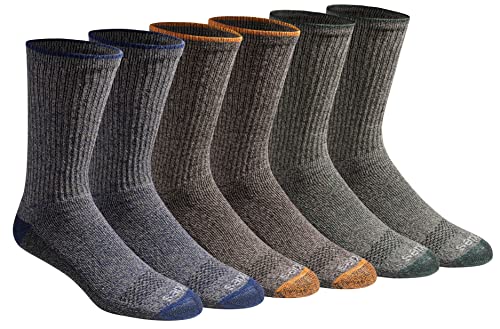
Prolonged exposure to trapped sweat can soften skin through maceration, increasing your susceptibility to friction hot spots, blisters, and persistent foot odor. If your daily routine involves long hours sitting in warm indoor spaces, pairing waterproof footwear with breathable, moisture-wicking synthetic or merino wool socks is essential. Removing your boots during extended desk breaks or loosening the laces allows trapped vapor to dissipate naturally.
Outsole Wear and Tear: Soft Trail Lugs on Abrasive Sidewalks
Trail outsoles are engineered with specialized rubber compounds and deep multi-directional lugs designed to bite into loose dirt, gravel, and mud. When you walk on abrasive asphalt and concrete, those tall lugs experience intense friction and shear forces that wear down tread rubber much faster than trail soil ever would. The textured pavement essentially acts like coarse sandpaper against the softer perimeter lugs.
As the aggressive lugs grind down flat over months of daily sidewalk use, the boot loses the specialized traction needed for actual backcountry trail hikes. Furthermore, deep trail lugs actually provide less surface contact area on flat, wet surfaces like smooth polished concrete or wet ceramic tile than flat-bottomed casual shoes. This reduced contact patch can make deep-lugged boots surprisingly slick when stepping indoors from the rain onto polished commercial flooring.
To balance longevity and everyday grip, look for boots featuring high-grade, durable rubber outsoles with moderately spaced, broad-contact traction patterns. Rubber compounds designed for both daily work and outdoor versatility provide dependable slip resistance across wet outdoor surfaces while holding up admirably against urban pavement abrasion.
Footwear Weight and the Energy Cost of Daily Steps
Footwear weight influences physical fatigue through a well-documented biomechanical principle: mass placed at the end of your leg requires significantly more energy to swing forward than mass carried on your torso. Traditional full-leather backpacking boots can easily weigh several pounds per pair, forcing your hip flexors and calf muscles to work harder with every single step. Carrying that extra burden across an ordinary day of running errands or navigating a workplace can leave your legs feeling leaden by late afternoon.
Modern lightweight hiking shoes solve this dilemma by utilizing advanced composite materials and agile construction methods. Designs like the NORTIV 8 Women’s Lightweight Ankle Hiking model weigh approximately 12.3 oz per shoe, placing them close to standard athletic sneakers in overall heft. This modest weight profile ensures you retain trail-tested foot protection and stability without dragging unnecessary mass through your daily routine.
Lightweight builds are particularly advantageous for urban commuters who frequently climb subway stairs, walk long airport terminals, or walk city blocks. You gain the protective benefits of reinforced uppers and ankle collars while expending practically the same metabolic energy as you would wearing running shoes. For everyday wearability, minimizing per-shoe weight should always remain a top priority.
Matching Boot Designs to Daily Jobs, Commuting, and Dog Walking
Certain everyday routines align perfectly with the protective qualities of mid-cut trail boots. If you spend significant time outdoors each morning handling active chores or gathering trail ready dog walking gear, a water-resistant ankle boot delivers unmatched stability through damp grass, leaf litter, and gravel paths. The raised ankle collar keeps wet vegetation and stray pebbles from slipping into your socks.
Similarly, professionals working in light construction, warehouse logistics, gardening, or home inspection frequently find hiking boots superior to heavy steel-toe work boots. Hiking boots provide superior arch support, agile cushioning, and dependable slip resistance without the cumbersome rigidity of industrial footwear. They flex easily when squatting, climbing ladders, or stepping over uneven obstacles on job sites.
However, if your typical day is spent seated in an office with strict professional dress codes, the outdoor aesthetic and bulk of trail footwear can look out of place. While modern outdoor styling pairs easily with workwear, cargo pants, or jeans, evaluating your daily dress requirements prevents awkward wardrobe clashes.
Upper Materials: Synthetic Oxford Fabric Versus Heavy Leather
Upper construction directly dictates how quickly a boot adapts to your foot shape for everyday comfort. Traditional full-grain leather boots demand an extensive break-in period, requiring weeks of gradual wear to soften stiff collar leather and shape the heel counter. Wearing unbroken-in leather boots for a full day of standing or walking on pavement frequently results in heel blisters, collar bite, and arch soreness.
Synthetic textiles, such as sturdy Oxford fabric reinforced with thermoplastic polyurethane (TPU) overlays, deliver outstanding immediate comfort right out of the box. Footwear designs incorporating reinforced Oxford fabric and TPU patches in high-wear zones resist scuffs and tearing while retaining supple flexibility across the metatarsal flex zone. They match nicely with supportive outdoor apparel for casual weekend outings or light manual labor.
Synthetic uppers also dry significantly faster than saturated heavy leather when caught in unexpected downpours. Furthermore, synthetic textiles require far less specialized maintenance, eliminating the need for regular leather conditioning oils or wax treatments. A simple wipe with a damp cloth is usually all that is needed to keep synthetic uppers looking fresh for daily use.
Everyday Fit Checks, Insole Upgrades, and Pressure-Relief Lacing
Ensuring your boots fit properly is even more critical for daily wear than for occasional weekend hikes. Your feet naturally expand and swell by several millimeters as blood pools toward your lower extremities throughout a standard day on your feet. If your boots fit snugly in the morning, they may squeeze your metatarsal heads and pinch your pinky toes by mid-afternoon, causing painful numbness or bunion irritation.
A reliable daily fit requires approximately a half-inch of clearance between your longest toe and the front of the toe box when standing unlaced. When testing fit, push your toes forward until they lightly touch the front cap, then verify you can slide an index finger snugly behind your heel. This extra volume provides ample space for natural foot swelling and prevents downhill toe banging when walking down steep city streets.
Adjusting your lacing technique can also relieve uncomfortable pressure points across the top of your foot. If you experience dorsal nerve tightness across high insteps, try window lacing (parallel lacing) by skipping crisscrosses directly over the sensitive instep zone. Utilizing the top collar eyelets secures your heel firmly in the rear pocket without requiring excessive lacing tension across the bridge of your foot.
Moisture Management and Shoe Rotation Routines
Wearing the exact same pair of hiking boots day after day is the quickest way to ruin internal cushioning and breed persistent bacterial odor. The human foot produces significant perspiration daily, and thick foam ankle collars and internal insoles absorb that moisture like sponges. Without adequate time to dry completely between uses, lingering moisture breaks down internal stitching and accelerates foam deterioration.
Practicing a simple twenty-four-hour shoe rotation provides the perfect solution for everyday boot lovers. Alternating between two pairs of footwear gives each pair ample time to air out completely in a dry, ventilated room. If your boots become damp from sweat or wet weather, pull out the removable insoles and open the tongue wide to accelerate internal air circulation.
Never place damp hiking boots directly against radiators, wood stoves, or high-heat forced-air vents to speed up drying. High radiant heat can melt internal adhesives, shrink synthetic textile meshes, and cause protective rubber rands to delaminate prematurely. Ambient room airflow is the safest, most effective way to dry your footwear and maintain its structural integrity.
Recognizing When Your Boots Are Causing Daily Strain
Your body provides clear warning signs if your hiking boots are ill-suited for your everyday routine. Experiencing persistent arch soreness upon taking your first morning steps often signals early plantar fascia inflammation caused by an overly rigid outsole or a collapsed factory footbed. Similarly, dull aches along the front of your shins or tightness across your calf muscles indicate that the boot’s weight and stiffness are interfering with natural lower-leg mechanics.
Pay close attention to tread wear patterns under the ball of the foot and the outer edge of the heel. When outsole lugs wear down unevenly, they can force your ankle into excessive pronation or supination with every step on flat concrete. If you observe severe tread wear, cracked outsoles, or crushed midsole foam that fails to rebound, it is time to retire those boots from daily pavement service.
Ultimately, wearing hiking boots every day is a practical and comfortable choice when you choose agile, well-cushioned synthetic models built for versatile movement. Selecting footwear with responsive EVA midsoles, durable slip-resistant outsoles, and breathable upper construction ensures your feet stay supported, dry, and comfortable across all your daily adventures.



Write Your Review
No reviews yet. Be the first to share your experience!