


Rocky switchbacks and uneven dirt paths quickly reveal whether your trail footwear provides the protection your feet need. Hikers often face aching arches, bruised heels, or slippery outsoles when tackling moderate trails in basic athletic sneakers. A common question among outdoor enthusiasts preparing for seasonal day trips is are columbia hiking shoes good for varied trail conditions. Dedicated trail shoes bridge the gap between heavy mountaineering boots and flimsy road runners by offering rugged traction and structured midsoles. Choosing the right pair helps prevent premature foot fatigue while keeping your strides secure across changing surfaces.
Columbia has established a massive presence in the outdoor industry with footwear designed for accessible trail performance. Evaluating whether these models match your specific hiking plans requires looking closely at their proprietary materials, traction rubber, and upper support. While pairing proper shoes with dedicated hiking pants protects your lower body from trail brush, your footwear shoulders the direct impact of every rocky step. Understanding how proprietary systems like TechLite cushioning and Omni-Grip outsoles handle dirt, mud, and gravel ensures you invest in footwear that meets your trail requirements.



Evaluating Columbia Footwear for Day Hikes and Varied Terrain
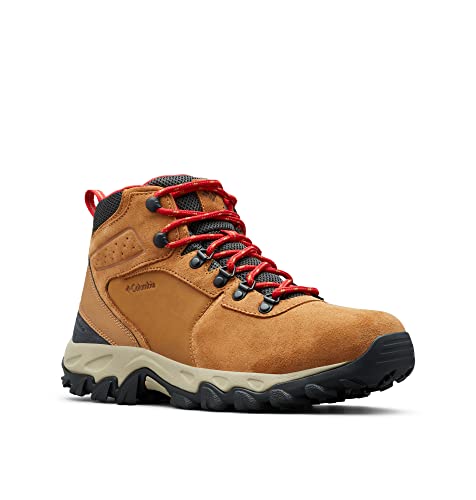
Determining whether are columbia hiking shoes good comes down to matching their design intentions with your real-world hiking demands. Columbia crafts footwear primarily targeted at day hikers, weekend adventurers, and casual trail walkers who want dependable trail performance without the rigid heft of alpine boots. Popular options like the Columbia Men’s Crestwood Hiking Shoe and the Columbia Men’s Newton Ridge II Waterproof Hiking boot focus heavily on immediate out-of-the-box comfort and accessible utility. Analyzing these designs across traction, cushioning, weatherproofing, and upper durability reveals where they excel and where their realistic boundaries lie.
Trail Intention: Matching Footwear Design to Hiker Demands
Understanding the target purpose of Columbia footwear helps set realistic expectations for your trail outings. The brand designs hiking footwear aimed squarely at recreational day hikes, forest preserve paths, state park switchbacks, and general outdoor travel. Footwear like the Columbia Mens Fairbanks Low blends urban aesthetics with off-road utility, allowing hikers to move seamlessly between town sidewalks and hardpacked woodland dirt. These models prioritize a softer, more flexible ride that eliminates the prolonged, painful break-in periods common with traditional leather backpacking footwear.
Serious backcountry expeditions involving jagged off-trail talus, heavy expedition loads, and sharp scree often demand stiff shanks and heavy-duty protective rands. Columbia shoes are generally engineered with more compliant soles that favor flexibility, making them exceptionally comfortable for five- to ten-mile day hikes on established pathways. A hiker carrying a light daypack will appreciate the reduced foot fatigue that comes from lower overall shoe weight. But trekkers venturing into technical scree or scrambling across loose boulders may find the softer flex provides less torsional support than dedicated mountain boots.
Outsole Traction: How Omni-Grip Performs on Varied Terrain
Traction serves as the foundation of trail safety, determining whether you stay upright on slick mud or loose gravel switchbacks. Columbia equips its footwear lineup with proprietary Omni-Grip non-marking traction rubber outsoles. The lug configuration blends multidirectional perimeter lugs for lateral stability with aggressive interior blocks shaped to provide forward propulsion and downhill braking. On packed dirt, crushed limestone, pine-needle carpets, and dry forest trails, Omni-Grip bites cleanly into the ground to give hikers reliable, confident footing.
Performance characteristics shift when trail conditions transition from dry soil to wet, polished river stones or slick granite slabs. The Omni-Grip rubber compound is tuned to balance long-term abrasion resistance with traction, which means it leans slightly firmer than ultra-sticky specialized compounds. This firmer density prevents lugs from rapidly wearing down when you cross paved sections or gravel roads. But on soaking wet tree roots or slick polished rock, firmer rubber compounds provide slightly less tactile grip than soft, high-friction compounds.
Specific boots in the lineup, such as the Columbia Men’s Newton Ridge II Waterproof Hiking boot, incorporate a specialized dual-zone winter tread pattern designed to assist footing across slush and light snow. The strategically spaced lugs help shed sticky mud rather than allowing clay to pack into a slick, flat surface underfoot. Hikers navigating standard nature paths and moderately steep grades will find the grip more than adequate for predictable footing. Assessing your local terrain before heading out helps ensure that the lug profile matches the trail surface you plan to encounter.
Midsole Cushioning: Impact Absorption with TechLite Foam
Repetitive impacts across miles of stony ground can quickly lead to painful metatarsal bruising and aching heel pads. Columbia addresses underfoot impact absorption across its trail lineup using TechLite lightweight midsole foam. This specialized compound cushions each heel strike and smoothly transitions kinetic energy toward toe-off. The cushioning feels noticeably plush right out of the box, offering a comfortable, forgiving underfoot platform that protects sensitive joints during afternoon excursions.
Energy return remains a critical factor for hikers who want to reduce leg fatigue over rolling terrain. TechLite midsoles offer responsive springiness that helps propel your stride forward on long, flat trail sections. Footwear models like the Columbia Mens Newton Ridge Plus II Suede pair this cushioning with structured heel cups to keep your foot centered over the foam bed. This balanced design prevents excessive side-to-side rolling without requiring rigid medial posts or heavy orthopedic reinforcements.
Midsole longevity depends heavily on pack weight and cumulative trail mileage. Compression-molded EVA foams like TechLite eventually pack out over extended use, gradually losing their spring as the internal cell structures collapse under repeated compression. Day hikers carrying light packs will enjoy comfortable cushioning for several seasons of regular use. However, anyone planning a multi-night backpacking trip with heavy pack loads should note that softer EVA midsoles compress faster under substantial weight than dense, rigid polyurethane platforms.
Weather Protection: Omni-Tech Waterproofing Versus Breathable Mesh
Managing internal and external moisture dictates whether your feet stay comfortable or end up covered in painful friction blisters. Columbia provides two distinct upper strategies across its footwear catalog: fully waterproof membranes and high-ventilation open mesh. Footwear such as the Columbia Mens Crestwood Waterproof and the Columbia Mens Transverse Waterproof Hiking Boot utilize Omni-Tech multilayered seam-sealed construction. This waterproof bootie keeps out damp morning dew, shallow puddle splashes, and light rain while permitting internal water vapor to vent outward.
Waterproof membranes shine during damp autumn hikes, muddy spring thaws, and unexpected trail downpours. The sealed bootie construction prevents external moisture from soaking your socks, which protects your skin from softening and shearing against the shoe liner. But every waterproof liner reduces overall air circulation compared to an unlined shoe. On scorching summer days, internal heat and foot perspiration can become trapped inside the shoe, causing damp socks from sweat rather than rain.
Hikers who frequent arid desert trails or hike primarily in midsummer heat may prefer non-waterproof variations like the standard Columbia Men’s Crestwood Hiking Shoe. These models feature open suede and mesh uppers that maximize airflow, allowing sweat to evaporate rapidly and keeping foot temperatures cooler. If water breaches the low ankle collar during an unavoidable stream crossing, non-waterproof mesh drains and dries far quicker than a flooded waterproof bootie. Matching your regional climate and seasonal weather to the correct upper build prevents unnecessary moisture buildup inside your footwear.
Upper Construction: Leather, Suede, and Mesh Materials
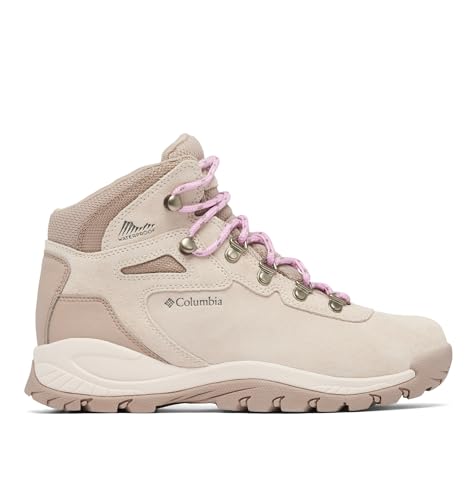
Trail debris, abrasive granite, and snagging briars constantly test the exterior durability of hiking footwear uppers. Columbia combines durable split-grain leather, supple suede, and tightly woven synthetic mesh to balance protective structure against lightweight breathability. The Columbia Womens Newton Ridge Plus Waterproof boot utilizes supportive leather and suede panels combined with metal hardware for durable, reliable lacing tension. These leather panels resist scuffs from trailside stones while maintaining structural integrity around the instep.
Protective reinforcements around high-wear zones protect both the shoe materials and the hiker’s toes from painful trail impacts. Extended rubber outsoles and reinforced toe barriers guard against accidental collisions with submerged rocks and exposed tree roots. In models like the Columbia Men’s Crestwood Hiking Shoe, flexible synthetic webbing eyelets distribute lacing pressure evenly across the top of the foot. This adaptive eyelet design creates a snug midfoot wrap without pinching sensitive dorsal nerves or creating painful pressure points.
Material choices also influence long-term care and cleaning routines after messy trail adventures. Full-grain leather and suede uppers require occasional brushing to clear away dried mud that can leach natural oils from the hides. Synthetic mesh inserts wash clean easily with cool water, helping keep the breathable pores clear of clogging fine silt. Selecting models with durable exterior hardware and reinforced perimeter overlays ensures that your trail footwear withstands regular contact with abrasive trail hazards.
Fit Profile, Foot Volume, and Blister Prevention
A secure anatomical fit remains the single most important factor in preventing hot spots, heel slip, and black toenails on steep descents. Columbia hiking shoes generally feature a standard medium-width fit that accommodates average foot volume comfortably. The forefoot area offers sufficient room for natural toe splay during foot strike without feeling overly sloppy or cavernous. When trying on new trail footwear, checking for a thumb width of clearance between your longest toe and the front of the shoe prevents painful toe collisions on steep downhill descents.
Heel slippage is a primary culprit behind friction blisters during steep uphill climbs on backcountry trails. Columbia incorporates cushioned ankle collars and contoured heel counters into designs like the Crestwood and Newton Ridge lines to cradle the calcaneus securely. If you experience minor heel lift, adjusting your lacing pattern using an alternate heel-lock technique can cinch the collar firmly without overtightening the instep. Testing footwear indoors on stairs or inclined ramps before taking them on a long hike helps verify that your heel stays locked in place.
Sock selection and foot swelling over long distances also dictate your overall trail comfort. Natural foot swelling occurs during afternoon hikes as blood flow increases and temperatures rise. Pairing your footwear with moisture-wicking merino wool or synthetic socks minimizes friction while providing light, resilient cushioning under the ball of the foot. In addition, wearing long pants on rugged trails helps keep abrasive gravel, burrs, and pine needles from tumbling over the ankle collar and irritating your skin inside the shoe.
Low-Cut Shoes Versus Mid-Cut Boots for Pack Weight
Choosing between a low-cut hiking shoe and a mid-cut hiking boot depends on your preferred walking speed, trail roughness, and pack load. Low-cut designs like the Fairbanks Low and Crestwood Low weigh less, allowing hikers to move nimbly and expend less energy with each forward stride. Shaving ounces off your footwear significantly reduces muscular fatigue in your calves and hip flexors over high-mileage day hikes. These low-cut options excel on well-graded singletrack, dry park trails, and warm summer walks where ankle agility is an advantage.
Mid-cut boots such as the Newton Ridge II provide additional coverage around the ankle bones, guarding against painful bumps from loose trail rocks and stray branches. The elevated collar also creates a physical barrier that helps keep trail debris, shallow mud, and stray moisture from entering the top of your footwear. While mid-cut collars do not completely prevent severe ankle rolling, they provide beneficial tactile resistance that increases your proprioceptive awareness on uneven ground. Hikers navigating off-camber paths or carrying moderate daypacks often prefer the added security of a mid-height cuff.
Pack weight acts as a decisive factor when evaluating the proper footwear height and sole stiffness for your trips. Light daypacks weighing under fifteen pounds pair effortlessly with flexible low-cut shoes because your body does not require heavy structural support. When your pack weight climbs past twenty-five pounds, the additional downward force increases the demand on your ankles and the shoe midsole. Matching your shoe height to the weight on your back ensures a balanced, stable hiking experience across rolling terrain.
Longevity, Outsole Wear, and Proper Maintenance
Understanding the expected lifespan of your trail footwear ensures you replace worn shoes before they compromise your footing or foot comfort. Columbia hiking shoes deliver solid durability for their category, typically offering hundreds of miles of reliable service on recreational paths. The Omni-Grip rubber outsoles hold up well to typical dirt, packed gravel, and woodland mulch. But regular use on hot, abrasive asphalt or rough concrete will accelerate lug wear, rounding off the crisp edges needed for dirt traction.
Inspecting your shoes periodically reveals clear signs of when cushioning or traction has reached the end of its useful trail life. Check the midsole sidewalls for deep horizontal compression wrinkles that indicate the TechLite foam has packed out and lost its impact-absorbing rebound. Examine the outsole lugs, paying special attention to the forefoot propulsion zone and the heel braking perimeter for worn-down tread depth. When the lugs wear smooth or the midsole feels hard and unyielding underfoot, retiring the shoes protects your knees and feet from excess impact strain.
Proper cleaning routines extend the functional lifespan of both the uppers and the internal waterproof membranes. After muddy hikes, remove the insoles and knock off caked-on dirt before gently scrubbing the exterior with a soft brush and lukewarm water. Never place hiking footwear into a clothes dryer or near direct heat sources like radiators or campfires, as intense heat shrinks EVA midsoles and compromises seam adhesives. Allowing your shoes to air-dry slowly at room temperature preserves the flexibility of the materials and keeps them ready for your next outdoor adventure.
Columbia hiking shoes represent an appealing, practical choice for hikers seeking reliable comfort, functional traction, and accessible value for recreational trail exploration. While they are not intended for technical mountaineering or grueling off-trail expeditions, their balanced construction handles everyday woodland paths, national park trails, and weekend day hikes with ease. By selecting between breathable mesh or waterproof uppers based on your regional climate, you can enjoy dependable footing and comfortable miles across your favorite outdoor trails.


Write Your Review
No reviews yet. Be the first to share your experience!