


Pitching a reliable shelter in backcountry conditions often comes down to understanding how to attach a tarp to a pole with adequate stability and tension. When heavy winds or sudden downpours sweep across an exposed campsite, an improperly secured tarp edge can tear free or buckle under wind shear. Backpackers frequently rely on durable shelter supports or multi-use trekking poles to create overhead clearance and rain runoff. Packing versatile gear like an internal frame hiking pack allows campers to carry specialized tarp hardware and sturdy uprights into remote wilderness areas.
Achieving a taut, weather-resistant pitch requires balancing downward axial pressure against lateral line tension. Dedicated telescoping rods and hiking sticks provide the rigid framework needed to shed rainwater and resist buffeting gusts. Connecting a tarp fabric to a support pole involves specific hardware interfaces, including tip spikes, reinforced corner grommets, rubber protection caps, and tensioned guy lines. Taking time to learn how to attach a tarp to a pole ensures your outdoor canopy remains upright and secure throughout stormy nights.


Essential Techniques for Attaching Tarps to Support Poles
Pitching a canopy shelter requires a mechanical connection that can withstand both steady tension and sudden gusts. Understanding how to attach a tarp to a pole allows outdoor enthusiasts to convert flat fabric sheets into rigid, weather-resistant living spaces. The connection between fabric, hardware, and upright shafts determines whether a structure sheds wind effectively or collapses during heavy rain.
Securing Pole Spikes Through Corner and Ridge Grommets
Standard camping tarps feature stamped metal grommets installed along hemmed borders and reinforced corners. To secure a pole using this method, the tapered metal spike at the top of the shaft is inserted directly upward through the grommet eyelet. The wider collar beneath the spike prevents the pole tube from sliding through the opening. Once the spike penetrates the eyelet, downward tension from anchored guy lines locks the grommet firmly against the shoulder.
Fabric reinforcement around the eyelet is crucial when subjecting the assembly to significant tension. Multi-section models such as the ALPS Mountaineering Adjustable Tarp Pole provide reliable aluminum support for grommet-based shelters across varied heights. If an eyelet experiences uneven torque, the metal rim can twist or pull free from the fabric border. Placing the pole spike perpendicular to the fabric plane minimizes lateral stress on the grommet teeth.
Campers should inspect the eyelet diameter before heading into the backcountry to ensure a proper fit over the pole spike. If the spike is too wide, forcing it can distort the brass ring or tear surrounding stitches. When the spike fits smoothly, the shoulder bears the axial load without damaging the material. This clean mechanical connection forms the primary anchor point for many popular A-frame and lean-to configurations.
Utilizing Protective Caps to Prevent Fabric Punctures
Pitching a tarp without pre-installed grommets or using center support poles creates a risk of fabric damage. Sharp metal tips can slice through treated ripstop nylon or silpoly canopy fabric under moderate downward load. A protective cap acts as a broad buffer, distributing point pressure across several square inches of fabric. Without this protective barrier, a center ridge pole can easily punch through a shelter during a midnight squall.
Manufacturers frequently supply specialized caps to safeguard shelter fabrics while adding functional utility. The Tent Poles for Tarp, AVOFOREST Camping Tent Tarps include glow-in-the-dark caps designed to prevent punctures on seamless tarps while aiding nighttime identification. The rounded rubberized profile prevents sharp edges from abrading the waterproof coating. Positioned beneath a central ridge pull-out, these caps create an elevated peak that sheds precipitation efficiently.
Larger canopies exposed to open terrain benefit from broad-diameter protective tops that enhance wind resistance. The Tarp Poles Heavy Duty Adjustable set features substantial protective caps engineered to shield the fabric from friction and outdoor elements. These wider caps prevent the pole tip from slipping sideways against slick canopy coatings. Incorporating a durable cap ensures non-grommeted pitches remain weather-tight without requiring permanent fabric modifications.
Guy Line Attachment and Knot Configurations for Pole Tips
A pole tip inserted through a grommet cannot remain upright without continuous outward tension provided by guy lines. After sliding the top spike through the eyelet, the cord must be hitched securely around the protruding metal tip. A clove hitch wrapped directly over the spike prevents the rope from slipping off under wind oscillation. The line must exit the hitch toward ground stakes set at an angle that counters the fabric pull.
Certain pole designs incorporate dedicated attachment points at the crown to simplify cord management. The Frebuta Tarp Poles,Tent Poles Set of 2 2ft are engineered with small ear openings at the top, allowing campers to attach tarpaulin ropes directly to the pole crown. This direct interface prevents the rope from sliding up and over the spike during violent canopy flapping. Threading guy lines through dedicated hardware provides a positive mechanical lock that knots alone cannot always maintain.
Setting the proper guy line angle is just as critical as the knot itself. Staking lines out at roughly a 45-degree angle balances downward vertical force with horizontal outward tension. If the line is anchored too close to the pole base, it fails to resist horizontal wind shear. Conversely, placing the stake too far away reduces downward clamping force, allowing the spike to pop out of the grommet.
Hardware Connectors, Tensioning Buckles, and Base Anchors
Knots can jam or loosen when wet, leading many outdoor enthusiasts to employ specialized mechanical hardware. The Tarp Pole Fixing Buckle provides a durable stainless steel connection point that allows swift cord adjustment under challenging field conditions. These hardware tensioners grip the cord firmly without stripping sheath fibers, maintaining constant line tautness. Stable tension ensures the pole remains locked inside the tarp grommet regardless of fluctuating wind gusts.
Carabiners and quick-attachment clips provide another practical method for linking cordage to fabric edges. Equipment like the EZ Leaf Hauler – EZ Tarp Tugger highlights how snap clips connect directly to tarp grommets without complex knot work. Clipping a carabiner through an eyelet and looping it over a pole spike creates a modular attachment that disassembles rapidly. This approach allows fast adjustments when storm fronts demand an immediate shift in shelter angle.
Securing the lower shaft is equally vital, as base-anchoring accessories prevent the pole from skidding across slick mud or wet grass. The SquEqu 8 Pack Camping Tarp Poles Holder Fixing uses clasp anchors that connect the pole base to ground nails for enhanced stability. Working at ground level to set stakes is much easier when wearing flexible, lightweight hiking pants for men that allow free movement while kneeling in brush. Locking the base eliminates lateral kick-out and keeps the structure upright even during severe wind gusts.
Telescoping Adjustments: Twist Locks, Press Pins, and Segmented Rods
Proper tarp attachment depends on matching pole length to the desired canopy pitch and ground clearance. Telescoping poles allow micro-adjustments to take up fabric slack or pitch one side lower for water runoff. The locking mechanism must deliver sufficient clamping force to prevent the shaft sections from collapsing under vertical snow or rain weight. Different adjustment designs offer distinct operational advantages in the backcountry.
Internal expansion twist mechanisms allow continuous, fluid height adjustments along the entire shaft length. The Sunnyglade 2 Pcs Adjustable Tarp Poles Telescoping rods utilize marked rotational locking systems that secure sections with a firm clockwise turn. Rotating the inner shaft expands an internal friction collar against the outer tube wall to hold the selected height. While highly adjustable, twist locks require clean internal surfaces free of trail grit to maintain consistent friction.
Push-button positioning holes provide positive mechanical engagement that cannot slip under vertical loading. The UEAKPIC Camping Tarp Poles 3.28-8.2FT Telescoping set features press-lock buttons that snap directly into machined positioning holes along the shaft. This positive stop ensures identical pole heights on opposite sides of a ridge line without measurement guesswork. The system remains reliable in freezing conditions where friction-based twist collars might slip.
Segmented rods offer an alternative to telescoping shafts for fixed-height applications. Products like the Tent Poles Adjustable Tarp Poles Steel Rods assemble by inserting interlocking steel sections to create a predetermined length. While less flexible for micro-tuning tension, segmented poles eliminate slippage concerns entirely because there are no sliding friction collars. Users can adjust overall height simply by adding or removing individual sections.
Pitching Tarps with Standard Trekking Poles
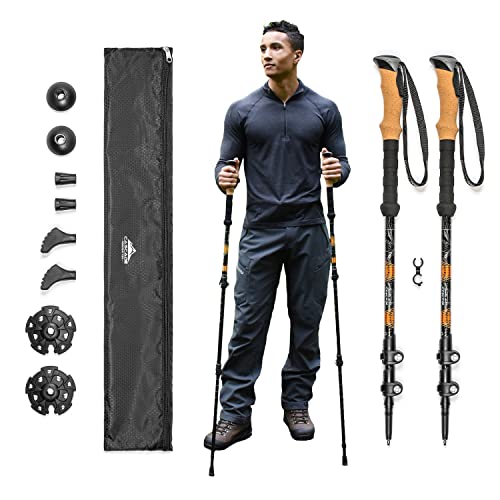
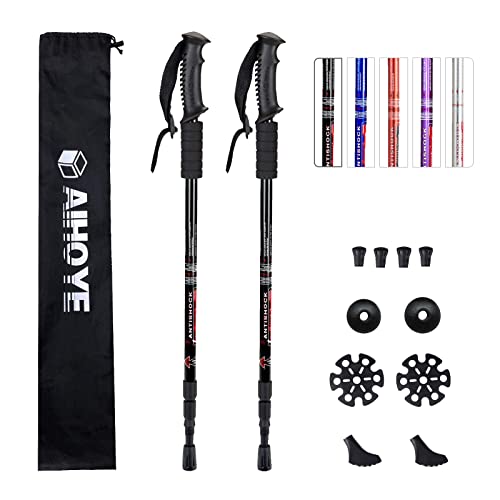
Backpackers often prefer pitching tarps using their standard trekking poles to save pack weight. Unlike dedicated tarp rods with long metal spikes, trekking poles feature ergonomic grips and short carbide flex tips. Attaching a tarp to a hiking pole requires adapting your technique based on whether the tip or the handle faces upward. Both orientations are viable depending on the tarp design and reinforced tie-out locations.
The tip-up method works well when corner tie-outs feature small metal grommets that fit trekking pole carbide points. Because hiking pole tips are shorter and slightly thicker than dedicated tarp spikes, campers must ensure the tip seats fully through the eyelet. Sliding a rubber road boot or mud basket beneath the grommet can prevent the pole from slipping through too far. A secure guy line hitched over the exposed carbide tip locks the connection in place.
The handle-up method protects tarp fabric when pitching shelters that lack grommets or feature apex fabric pockets. Inverting the trekking pole places the rounded cork, rubber, or EVA foam grip against the underside of the canopy ridge. The wide surface area of the grip distributes downward tension without puncturing delicate lightweight silpoly or silnylon. The lower carbide tip is then planted firmly into the ground to anchor the base.
Managing Wind Dynamics, Lateral Shear, and Tension Balances
An assembled tarp canopy behaves like a sail, converting moving air into tremendous lateral shear forces. While an upright pole easily bears vertical downward weight, lateral buffeting attempts to bend the shaft or rip grommets free. Understanding these dynamic forces allows campers to position support poles and guy lines to maintain structural equilibrium. Rigid setups rely on balanced opposing tension between the fabric pull and the anchor lines.
Angling the support poles slightly outward away from the center of the tarp significantly enhances wind resistance. When a pole tilts outward by five to ten degrees, guy lines pull against the natural lean to create a stable tripod geometry. This slight angle directs wind-induced downward forces into the ground while keeping the tarp fabric taut. Vertical poles are far more prone to wobbling when crosswinds alternate pressure against the canopy.
Heavy duty pole shafts with wider diameters resist lateral bending far better than narrow rods. Strong gusts can bow thin poles, loosening line tension and causing the top spike to disengage from the tarp grommet. Selecting thick aluminum or steel tubing ensures the upright remains straight under severe wind pressure. A rigid pole framework prevents canopy fluttering, which is the primary cause of torn stitching and failed eyelets.
Field Troubleshooting: Slipping Locks, Loose Grommets, and Fabric Sag
Backcountry shelters inevitably encounter shifting conditions that require rapid field diagnosis and correction. If a telescoping pole slips downward overnight, rainwater can pool in low spots, drastically increasing the risk of structural collapse. When slippage occurs on twist-lock models, disassembling the shaft, wiping away fine silt, and retightening the collar usually restores holding power. For lever-lock trekking poles, tightening the external thumbscrew increases clamping force on the inner shaft.
A blown grommet presents a common challenge when unexpected wind gusts overload a corner tie-out. If an eyelet tears out completely, campers can create an improvised attachment point using a small, smooth pebble. Placing the stone on the underside of the fabric corner and wrapping utility cord tightly around the bundle creates an instant anchor knob. The guy line and pole spike can then be secured behind the stone knob without damaging the remaining fabric.
Fabric sag caused by nighttime temperature drops or moisture absorption in nylon tarps requires periodic adjustment. As the canopy stretches, line tension decreases, allowing poles to tilt or wobble inside loose grommets. Re-tensioning guy line buckles and slightly extending adjustable pole sections restores tautness across the shelter ridge. Regularly inspecting the entire assembly before settling in for the night ensures your tarp remains a secure, dependable backcountry haven.
Executing a dependable tarp setup requires careful attention to component compatibility, proper knotting or hardware connection, and balanced line tension. Whether utilizing dedicated heavy duty telescoping poles or multi-purpose trekking sticks, seating spikes cleanly into grommets and bracing footings against slippage guarantees dependable weather protection. Maintaining your hardware and practicing setup configurations in calm conditions ensures rapid, reliable shelter deployment when wilderness weather turns severe.






Write Your Review
No reviews yet. Be the first to share your experience!