


Technical terrain demands thoughtful preparation because loose rocks, steep climbs, and unpredictable weather quickly expose gear oversights. Heading miles away from trailheads without adequate water, calories, or emergency insulation can turn an invigorating backcountry workout into a hazardous situation. Deciding exactly what to bring trail running requires balancing minimal carry weight against self-sufficiency on remote singletrack. Runners venturing onto technical dirt paths benefit from understanding how trail demands differ from paved roads, much like hikers assessing protective trail apparel choices on brushy mountain slopes.
Carrying the right gear prevents painful hotspots, muscle cramps, and dangerous navigation errors when cell reception disappears. Modern carrying systems such as lightweight hydration vests and bounce-free waist belts keep hydration bladders, soft flasks, and blister balms within easy reach while running. Proper planning also involves matching footwear traction and protective accessories to regional dirt, sand, and scree conditions. Preparing your kit methodically ensures steady energy output, injury prevention, and reliable security across every mountain mile.




Essential Trail Running Gear and Packing Strategies
Packing for unpaved terrain requires a systematic approach based on route distance, elevation gain, and environmental exposure. Unlike road running where water fountains and vehicle assistance remain accessible, dirt singletrack demands self-contained hydration, navigational tools, and protective accessories. A well-designed running kit prioritizes low bounce, breathable fabrics, and functional gear that keeps your hands free on technical sections. Understanding how each piece of equipment interacts with your stride ensures efficient movement without carrying unnecessary ballast.
Fluid Management and On-Body Hydration Systems
Hydration choices depend primarily on trail duration, ambient temperatures, and the distance between natural water sources. Handheld bottles work well for short perimeter loops, but longer mountain outings demand hands-free carrying options to maintain balance on rocky scrambles. Running vests such as the 5L BECOJADDE running pack provide dedicated chest harness storage for dual 500ml soft water flasks or a rear compartment for a larger hydration bladder. Distributing fluid weight across the upper torso prevents lower back fatigue and stabilizes your center of gravity during steep descents.
Vest fit determines whether carrying several pounds of liquid feels natural or disruptive over high mileage. Modern vests feature multi-point adjustment hardware, including sliding sternum straps and dual side tensioners, to lock the chassis firmly against the ribcage. Ventilated mesh back panels and soft edge piping help prevent chafing against damp shirts when temperatures climb. Flexible soft flasks compress as you drink, which eliminates annoying liquid sloshing and keeps the weight compact against your chest.
Waist packs present an alternative solution when running shorter technical trails or temperate canyon routes. A dedicated running belt like the Zenvic waist pack offers elastic compartments tailored to hold a compact 250ml soft flask without bouncing against the hips. Belts keep the upper back completely ventilated, making them an ideal choice for humid trail loops where full vest coverage causes excessive sweating. Carrying a reusable collapsible cup, such as the Nathan race day cup, also allows runners to drink at natural springs or cup-free aid stations without creating trail waste.
Trail Footwear Selection and Ground Feel Dynamics
Selecting appropriate footwear forms the foundation of any successful off-road adventure. Road shoes lack the lugged traction, reinforced rock plates, and durable upper meshes required to negotiate slick mud, loose gravel, and jagged tree roots. Traditional trail runners like the New Balance DynaSoft Nitrel V6 incorporate structured midsoles with responsive foam inserts, moderate heel-to-toe drops around 6mm, and rugged outsoles designed for hybrid on-and-off-road grip. This structural support cushions joints against hard downhill impacts and protects the plantar fascia from sharp stone bruising.
Minimalist trail options cater to runners seeking enhanced ground feedback and natural foot biomechanics. Footwear like the MIFAWA barefoot running shoe features a zero-drop profile that positions the heel and forefoot level with the ground to encourage an upright posture. Wide toe boxes give toes room to splay naturally across uneven surfaces, which improves lateral balance when traversing loose granite or muddy slopes. Minimalist designs rely on thin, flexible rubber outsoles to maximize sensory input while keeping overall shoe weight exceptionally low.
Matching footwear to trail geometry prevents premature leg fatigue and unstable landings. Rocky alpine switchbacks generally benefit from durable toe bumpers and torsionally stiff soles that resist twisting on off-camber stones. Softer forest dirt, sandy washes, and rolling singletrack allow runners to experiment with lighter shoes and more flexible sole platforms. Regardless of cushion preference, ensuring adequate room in the forefoot prevents blackened toenails caused by repetitive forward sliding during extended descents.
Debris Protection and Low Ankle Gaiter Systems
Loose trail matter such as decomposed granite, sand, dried mud, and pine needles frequently works its way over low-cut running collars. Once inside a shoe, sharp particles grind against socks, tearing skin and creating debilitating hot spots within a few miles. Low ankle gaiters provide a simple physical barrier that seals the gap between running shoes and lower ankles without restricting joint articulation. Modern running gaiters weigh only a couple of ounces, making them an effortless addition to any backcountry running kit.
Gear such as the TRIWONDER low ankle gaiters uses lightweight 15D nylon coated with silicone to achieve dependable water and dirt resistance. A three-point attachment system, combining a top elastic cuff, a front metal lace hook, and an under-shoe instep strap, ensures the fabric remains taut during aggressive strides. Hook-and-loop closures allow runners to wrap gaiters securely around their shoes without unlacing footwear on muddy trailheads. Keeping debris out of footwear reduces trailside stops and preserves the integrity of your technical running socks.
Friction Mitigation and Blister Prevention Protocols
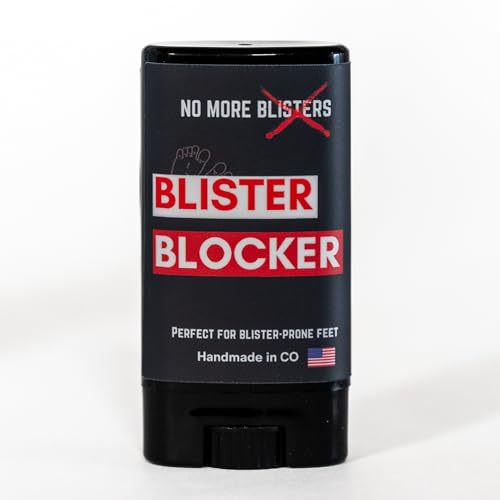
Repetitive friction between skin, socks, and shoe uppers poses a constant threat during multi-hour trail outings. Moisture from stream crossings and perspiration softens skin tissues, accelerating shearing forces that cause deep dermal blisters. Applying a dedicated anti-friction balm before lacing up creates a protective barrier that repels water and minimizes chafing across critical impact points. Runners should treat high-risk areas including the heel cup, outer edges of the forefoot, and spaces between individual toes.
Formulations like the 55 Miles blister prevention stick utilize natural ingredients such as beeswax, cacao butter, coconut oil, and zinc oxide to maintain skin lubrication through extreme sweat. Unlike petroleum-based jellies that break down quickly or leave greasy residues, structured wax balms adhere to skin surfaces across long distances. Integrating skin lubricants into your morning packing routine significantly reduces the need for mid-run first aid interventions. Carrying a travel-sized balm stick in a running vest pocket allows rapid reapplication if moisture penetrates your footwear.
Navigation, GPS Tracking, and Topographic Planning
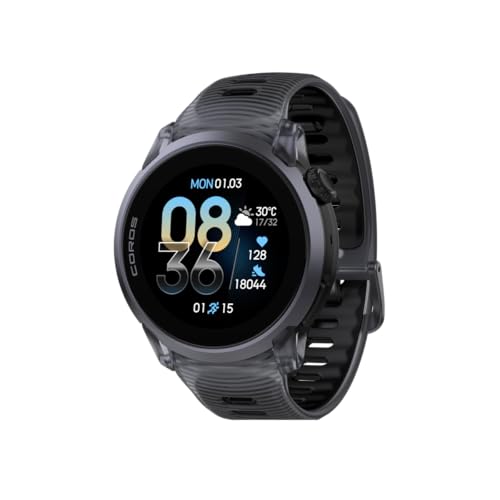
Navigating backcountry singletrack demands reliable tools to prevent getting disoriented at unmarked junctions. Dedicated sport GPS watches deliver continuous positional tracking, elevation profiles, and breadcrumb route navigation directly to your wrist. Devices like the COROS PACE 4 weigh only 33 grams with a nylon band and incorporate high-efficiency satellite receivers paired with durable aluminum bezels. Extended battery life reaching over 40 hours of continuous GPS operation ensures tracking stability during dawn-to-dusk ultra runs without requiring mid-trail power banks.
Wrist displays featuring AMOLED touchscreen technology provide clear visibility when glancing down under bright mountain sun or inside dense forest canopies. Built-in digital crowns and action buttons allow runners to cycle through elevation metrics, pace stats, and waypoint markers even when wearing lightweight running gloves. In addition to guiding your route, modern GPS platforms record biometric indicators like heart rate variability and recovery metrics to help pace strenuous mountain climbs. Tracking real-time vertical ascent assists in calculating realistic turnaround times before daylight fades.
Electronic devices should always be supplemented by foundational topographic route preparation before leaving cell service. Studying regional guidebooks, such as the Pacific Crest Trail Southern California guide from Mountaineers Books, provides critical context regarding reliable spring locations, seasonal snowfields, and dry canyon stretches. Physical maps or saved offline digital route files prevent panic if cold weather depletes watch battery reserves unexpectedly. Understanding the elevation profile and major trail intersections beforehand builds situational awareness that electronic breadcrumbs alone cannot replace.
Trekking Pole Stowage and Uphill Propulsion
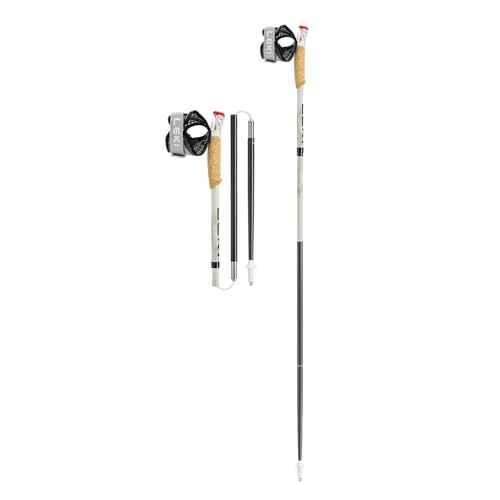
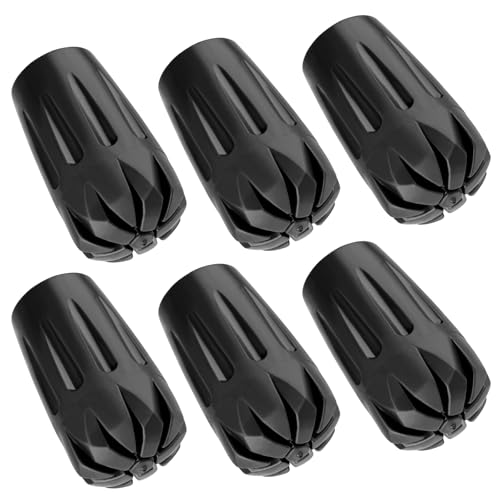
Trekking poles provide substantial propulsion on steep mountain grades by transferring vertical climbing loads from the quadriceps to the upper body. Folding Z-style poles constructed from lightweight carbon fiber or aluminum collapse into compact segments that nest easily when running along flat terrain. Deploying poles on grueling climbs helps stabilize rhythm, while planting them on technical descents offers additional contact points over loose shale. Incorporating poles into your trail kit requires a reliable carry system that prevents bouncing or snagging on low-hanging branches.
Running packs and waist systems increasingly feature dedicated pole carry sleeves or elastic attachment bungees. The Zenvic running belt includes rear elastic retention straps equipped with internal silicone grip strips to hold collapsed poles firmly against the lower back. This horizontal carry position minimizes swing weight and prevents pole tips from striking your thighs during normal running strides. Stowing poles securely frees both hands for grabbing rocks on scrambles or reaching for nutritional gels in front harness pockets.
Protective Weather Layers and Pack Organization
Mountain climates can transition from blistering afternoon heat to cold rain showers in a matter of minutes. Carrying a compact windbreaker or ultralight waterproof shell in your rear vest compartment prevents rapid core cooling when wind speeds pick up along exposed ridgelines. Running vests with 5L or 6L storage capacities offer adequate volume to house a folded shell jacket, lightweight thermal gloves, and an emergency foil bivy. Organizing gear logically ensures critical protective layers remain accessible without forcing you to unpack essential hydration supplies.
Packing for fast singletrack runs differs substantially from preparing for multi-day wilderness treks. When evaluating your loadout against a backcountry gear packing checklist, you will notice trail running eliminates heavy sleeping systems and cook sets in favor of featherweight emergency essentials. Fastpackers prioritize high thermal efficiency and extreme packability to ensure every carried gram serves a direct survival or performance purpose. Keeping a mini first aid kit with cohesive wrap, sterile gauze, and water purification tablets takes up negligible vest space while providing peace of mind.
Storage organization inside running packs prevents disruptive bouncing and balance shifts on technical downhills. Heavy items like water bladders and dense calorie supplies should sit close to the spine within central vest sleeves. Lighter emergency apparel and foil blankets pack neatly into lower rear zippered compartments, creating a stable mass that hugs the torso. Front harness stretch pockets should remain reserved for items needed while moving, such as lip balm, salt capsules, and mobile phones.
Nutrition Strategy and Caloric Density Logistics
Endurance efforts on hilly terrain consume significant glycogen reserves, demanding a steady intake of easily digestible carbohydrates. Trail runners should aim to consume between 150 and 300 calories per hour depending on body mass, pace, and climbing intensity. Energy gels, chewable blocks, and liquid carbohydrate mixes provide quick glucose delivery without requiring heavy stomach digestion during hard aerobic efforts. Stashing single-serve fuel packets across accessible chest pockets allows consistent fueling every twenty to thirty minutes without breaking running cadence.
Electrolyte replenishment remains just as important as carbohydrate intake when sweating heavily under direct trail exposure. Sodium, potassium, and magnesium loss can trigger painful muscle cramping and cognitive sluggishness on remote singletrack. Carrying electrolyte tablets or powders that dissolve easily in soft flasks ensures continuous mineral replacement throughout warm mountain runs. Dedicated zippered vest pockets also provide secure storage for empty nutritional wrappers, keeping public trails clean and adhering to Leave No Trace principles.
Constructing a reliable running kit is an iterative process that evolves alongside your trail experience, fitness, and geographical playground. Testing your hydration systems, protective apparel, and friction barriers on shorter training loops helps identify gear quirks before embarking on ambitious mountain traverses. Matching your carried equipment to terrain remoteness guarantees safety, physical comfort, and endurance longevity across every unpaved mile.






Write Your Review
No reviews yet. Be the first to share your experience!