


Regulating core body temperature quickly becomes a challenge when ascending exposed mountain ridges or trekking shaded forest paths with a loaded backpack. Hikers routinely face heavy perspiration during steep climbs, only to suffer sudden summit chills once the wind picks up. Figuring out exactly what to wear hiking men should focus on starts with ditching moisture-trapping cotton in favor of technical synthetic fibers and natural merino wools. Pairing breathable shirts with lightweight hiking pants for men provides a durable physical barrier against rough brush while keeping skin dry and comfortable.
A dependable outdoor clothing setup relies on an adaptable three-part layering system engineered for shifting elevations and unpredictable weather fronts. Efficient moisture management pulls sweat away from your skin, helping prevent both painful inner-thigh chafing and sudden post-exertion shivering. High-performance trail garments incorporate thoughtful ergonomic features, including articulated knees and gusseted crotches, alongside practical weather-resistant fabric treatments. Choosing versatile apparel ensures you stay shielded from intense sun exposure and sudden trail downpours without overloading your backpack.

Pros
- Concealed knee zippers allow fast conversion between pants and shorts without needing to pack a separate change of clothes.
- Quick-dry ripstop polyester construction with UPF 50+ sun defense handles hot, sun-exposed trail conditions effectively.
- Teflon exterior surface coating resists light moisture, mud, and trail grime.
- Six dedicated cargo and stash pockets with mesh linings provide organized small-gear storage.
- Includes a removable webbing belt alongside a partially elasticized waistband for easy adjustment.
Cons
- Horizontal knee zipper seams may create noticeable friction against bare skin during repetitive uphill climbing.
- Teflon coating provides water and stain resistance but is not waterproof in steady rain.
- Specific inseam measurements are not provided in manufacturer specifications, making leg length dependent on individual proportions.
The Toomett Men's Convertible Hiking Pants are two-in-one trail pants designed for hikers, backpackers, campers, and outdoor travelers who need quick adaptability in shifting weather conditions. Featuring concealed zippers at the knees, this garment converts smoothly from full-length pants into walking shorts without requiring you to carry a separate change of clothing. They suit day hikers starting out on cool mornings that warm up by midday, backpackers conscious of pack volume, and anglers or travelers who value functional utility across varied outdoor environments.
Trail mobility and climate management form the foundation of these convertible trousers. The fabric utilizes quick-dry moisture transport technology that draws perspiration away from the skin across the ripstop polyester weave to accelerate evaporation during demanding climbs. Integrated UPF 50+ protection blocks harmful UVA and UVB rays, which is beneficial when hiking exposed ridgelines or high-altitude routes. For movement over rocky scrambles and uneven paths, articulated knees and a gusseted crotch allow a natural range of motion without uncomfortable binding across the thighs or seat.
Constructed from ripstop polyester, the pants feature an exterior Teflon coating intended to resist surface water, dirt, and stains encountered along brushy trails or around camp. Hardware includes a durable SBS zipper fly paired with a sturdy metal button closure for dependable fastening. Waist fit is supported by partial elastic sections along the waistband, standard belt loops, and an included detachable nylon webbing belt with a quick-release buckle, helping to keep the pants firmly in position when carrying gear.
Storage is handled by a comprehensive six-pocket system consisting of two front slash hand pockets, two mid-thigh cargo pockets, and two hook-and-loop rear pockets. These compartments feature breathable mesh pocket linings to maintain airflow and reduce internal bulk. When wearing a daypack or backpacking pack, the low-profile partial elastic waist and flat webbing belt sit smoothly under padded backpack hip belts without creating bulky pressure points against the hips or lower spine.
Potential buyers should consider a few realistic limitations before choosing convertible hiking pants. While the Teflon coating repels light splashes, morning dew, and trail dirt, the fabric is not waterproof and will wet out during sustained rainfall, requiring separate rain gear. In addition, the horizontal concealed zippers across the knees can occasionally cause rubbing or mild friction against the lower thighs during repetitive climbing, particularly for hikers with sensitive skin. Furthermore, removing the lower leg sections may require unlacing bulky hiking boots to slide the cuffs off smoothly.
For outdoor enthusiasts seeking versatile warm-weather hiking apparel at an accessible price point, the Toomett Convertible Hiking Pants offer dependable value. The combination of UPF 50+ sun protection, fast-drying ripstop fabric, convenient shorts conversion, and organized cargo storage makes them a sensible pick for trail days, camping weekends, and active outdoor travel.
The Toomett Convertible Hiking Pants feature a relaxed seat and thigh cut designed to allow comfortable movement while walking, hiking, or sitting around camp. A partial elastic waistband provides natural flex around the waistline, while integrated belt loops accommodate the included detachable webbing belt for a customized fit. Articulated knees and a gusseted crotch ensure the fabric moves with your stride during steep ascents.
This specific listing is labeled for a waist size 36 in Army Green. Because leg inseam measurements are not explicitly listed in the specifications, hikers should evaluate personal height and limb proportions when assessing overall fit. If wearing heavy hiking boots, test whether the lower pant cuffs slide freely over your footwear when unzipping the legs into shorts.
Gear organization is provided by six functional pockets arranged for practical trail utility. The layout includes two standard front slash pockets for quick-access items, two hook-and-loop rear pockets for flat essentials, and two mid-thigh cargo pockets suitable for carrying trail snacks, a pocket knife, or compact navigational gear.
All pockets feature interior mesh lining, which promotes internal airflow and prevents excess moisture buildup against your skin. The low-profile cargo pocket design keeps contents distributed flat against the thighs to minimize swinging or bulk while trekking.
These pants are constructed from lightweight ripstop polyester engineered for outdoor trail use. The tight-weave fabric provides certified UPF 50+ protection against ultraviolet radiation by absorbing UV rays before they reach your skin. Surface treatment includes a Teflon coating that beads off light water, morning dew, and outdoor stains.
Hardware components are selected for extended field use, featuring genuine SBS zippers at the fly and knee conversion points, complemented by a secure metal waist button. While the ripstop weave helps resist snagging against light brush and branches, technical off-trail bushwhacking through dense briars should still be approached with care.

Pros
- 4-way stretch fabric allows full range of motion for hiking and scrambling
- Two secure zippered pockets prevent phones and small essentials from falling out
- Lightweight 0.6125 lb fabric dries quickly and wicks moisture away on warm outings
- Adjustable drawstring with elastic waistband provides a relaxed, customizable fit
Cons
- Lacks cargo and rear pockets for hikers who carry extensive gear on their person
- Designed for warm-weather use and does not provide thermal insulation or waterproof protection
- Drawstring elastic waist may not appeal to hikers who prefer traditional belt loops
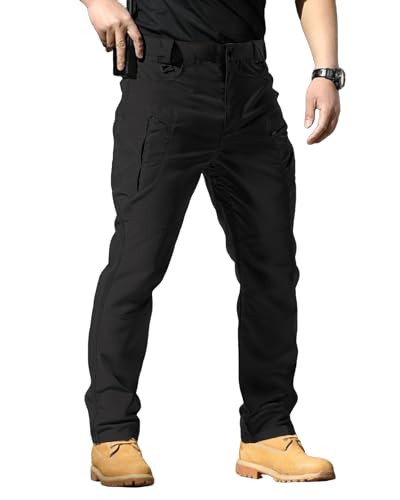
The Boladeci Men's Hiking Pants are lightweight, quick-drying athletic trail pants designed for hikers, campers, and active travelers who need breathable, flexible lower-body apparel on warm-weather outings. Built in a size 36 with a clean black finish, these pants cater to day hikers, casual backpackers, and outdoor enthusiasts looking for moisture-wicking trail wear that transitions smoothly from local trails to travel and leisure.
Weighing approximately 0.6125 pounds, these pants add minimal weight to a hiker's outfit or packed gear list. The lightweight, breathable fabric incorporates moisture-wicking properties and quick-dry performance, which helps keep the wearer cool during warm summer hikes or high-output activities like jogging and trail walking. The integrated 4-way stretch material provides a full range of motion, allowing hikers to scramble, step over trail debris, or squat at camp without feeling restricted.
Construction features an elastic waistband with an adjustable drawstring, offering an adaptable fit around the waist without the immediate need for a separate belt. Storage includes two zippered side pockets engineered to hold essential items like a wallet or a smartphone up to 6.5 inches. The secure zippered closures prevent carried items from sliding out while climbing steep grades, crouching, or resting along the trail.
Dialing in the fit is straightforward due to the pull-on elastic waistband and drawstring adjustment. Because the fabric is lightweight and packs down flat, these pants can easily be rolled into a daypack or travel duffel as a backup trail layer or camp pant. When exposed to sweat or trail moisture, the quick-drying material facilitates rapid air-drying at camp or after washing.
These pants come with realistic trail considerations. As lightweight, warm-weather athletic hiking pants, they lack thermal insulation for sub-freezing conditions and do not offer waterproof membrane protection against sustained rain. In addition, the storage layout is streamlined with only two zippered side pockets, meaning hikers who rely on dedicated cargo pockets or rear pockets for map navigation and field gear will need to use their daypack for supplemental organization.
For hikers, campers, and warm-weather outdoor travelers seeking an uncomplicated, stretch-infused pant that manages moisture and protects small pocket essentials, the Boladeci Men's Hiking Pants offer functional simplicity. Hikers who prefer an elastic-and-drawstring waist, lightweight portability, and zippered security for their phone will find them a capable option for summer day hikes, weekend camping trips, and active trail recreation.
These Boladeci hiking pants are offered in size 36 and feature an elastic waistband paired with an adjustable drawstring. This combination accommodates waist adjustments easily, providing a secure feel without requiring a rigid belt.
The integration of 4-way stretch fabric supports full flexibility across the hips, thighs, and knees. This allows active hikers to bend, squat, and navigate uneven terrain without binding or restriction.
Built with lightweight, breathable performance fabric, these pants weigh approximately 0.6125 pounds. The fabric is engineered to wick moisture away from the skin, speeding up evaporation during warm summer hikes or intense outdoor activities.
Because the material is quick-drying, it is well suited for humid conditions, river crossings, or multi-day trips where gear needs to dry quickly between uses.
The pants are equipped with two zippered side hand pockets. These pockets are sized to accommodate smartphones up to 6.5 inches as well as items like wallets, keys, or trail permits.
The zipper closures keep pocket contents secure during steep ascents, crouching around camp, or jogging, preventing trail gear from accidentally slipping out.
Core Essentials for Building a Dependable Men’s Hiking Wardrobe
Selecting the right trail garments requires balancing active temperature regulation, efficient sweat evaporation, and reliable environmental protection. Hiking demands continuous physical output across uneven terrain, meaning your apparel must adapt smoothly as your internal exertion and external weather change. Wearing inappropriate clothing can lead to persistent dampness, heavy fabric clinging, and dangerous exposure risks in remote wilderness areas. Modern outdoor clothing solves these trail challenges through engineered synthetic weaves, high-grade wool fibers, and functional ergonomic tailoring.
The Fundamental Three-Part Layering Strategy
A dependable backcountry kit relies on the proven three-part layering framework, which divides apparel responsibilities into three distinct protective tiers. The system pairs a next-to-skin base layer for moisture control, an insulating mid-layer for warmth retention, and a weather shell for wind and precipitation defense. Each layer performs a specialized thermal task, allowing you to add or remove clothing as exertion levels and trail elevations shift. Wearing a single bulky jacket instead of modular garments often causes severe overheating and excessive perspiration on steep uphill ascents.
Eliminating cotton from your trail wardrobe is the most critical rule when implementing this multi-tier system. Cotton fibers are hydrophilic, meaning they absorb water up to twenty-seven times their dry weight and hold that moisture directly against your skin. Damp cotton conducts thermal energy away from your body roughly twenty-five times faster than still air, accelerating hypothermia risks even in mild forty-degree weather. Modern polyester, nylon, and merino wool fibers rely on capillary action to transport moisture outward, keeping your skin dry and preserving vital body heat.
Maintaining thermal balance requires proactive layer adjustments before your clothing becomes soaked with sweat. Experienced hikers routinely strip off insulating jackets before starting a strenuous switchback climb, embracing a slightly cool sensation during the initial minutes of movement. Trapping excessive heat inside your garments forces your body to produce excess sweat, which saturates base layers and triggers severe shivering once you pause for a break. Managing your layering system proactively conserves physical energy and protects endurance across demanding trail routes.
Base Layers and Trail Shirts for Active Sweat Management
Next-to-skin garments determine how effectively your entire apparel system manages perspiration during continuous uphill movement. Technical hiking tops made from lightweight polyester or fine merino wool pull sweat away from high-perspiration zones along the spine, chest, and underarms. Polyester excels at rapid moisture dispersion and dries exceptionally fast in warm, humid trail environments. Merino wool provides natural antimicrobial odor resistance and retains modest thermal insulation even when dampened by persistent drizzle or physical exertion.
Sun hoodies have become a standard choice for modern hikers because they deliver full-coverage solar defense without requiring greasy sunscreen reapplications. These technical tops feature integrated crossover hoods, deep necklines, and extended sleeves with thumb loops to shield delicate skin on the neck, ears, and hands. Selecting tops with certified ultraviolet protection ratings helps prevent painful sunburns and reduces cumulative skin damage during high-altitude alpine treks. Front neck zippers also offer instantaneous mechanical ventilation, allowing trapped heat to escape rapidly without forcing you to stop and remove your pack.
Flatlock seam placement is another critical design feature to examine when selecting a next-to-skin hiking shirt. Standard raised seams can press painfully into the skin beneath heavy backpack shoulder straps, producing raw chafing points across long miles. Garments engineered with offset shoulder seams move stitching lines away from the collarbones and trapezius muscles. Choosing tagless shirts with smooth, athletic cuts ensures comfortable upper-body mobility while carrying loaded packs across rugged terrain.
Trail Bottoms: Choosing Between Convertible Pants and Stretch Athletic Weaves
Selecting lower-body trail apparel requires evaluating terrain roughness, brush density, ambient temperatures, and personal mobility needs. Casual denim jeans and cotton athletic sweatpants lack the moisture management and abrasion resistance needed for rocky scrambles and overgrown footpaths. Technical hiking trousers utilize durable nylon or polyester weaves designed to resist snagging on thorns while shedding dirt and light moisture. Hikers seeking dependable lower-body apparel often choose trail pants designed for mobility that combine rugged durability with flexible tailoring.
For maximum adaptability across unpredictable mountain weather, convertible trail trousers provide an efficient two-in-one solution. The Hiking Pants for Men Convertible Zip Off exemplifies this design by using concealed knee zippers that quickly detach the lower legs to convert the garment into trail shorts. This model utilizes ripstop polyester fabric treated with a specialized Teflon surface coating to help resist light rain, trail mud, and surface stains. The tight-weave fabric provides UPF 50+ sun protection against harmful ultraviolet rays, while articulated knees and a gusseted crotch ensure unrestricted mobility during steep ascents. Six functional pockets, including mesh-lined thigh cargo compartments, provide secure storage for pocket knives, trail maps, and compact gear without restricting leg movement.
Minimalist hikers and fast-moving trail enthusiasts often prefer athletic-cut trousers that emphasize featherweight breathability and elastic flexibility. The Boladeci Men’s Hiking Pants Lightweight Quick Dry represents this streamlined category, featuring a four-way stretch synthetic weave that dries quickly after stream crossings or brief rain showers. An elastic waistband with an adjustable drawstring delivers a secure, non-binding fit that rests comfortably flat beneath a backpack hip belt. Dual zippered side pockets keep essential items like smartphones and small wallets safe from falling out during deep knee bends and rocky scrambles.
When deciding between heavy-duty cargo utility and lightweight athletic stretch, consider your expected trail conditions and pack weight. Convertible cargo designs deliver superior resistance against thorny underbrush and offer dedicated pockets for field tools. Lightweight athletic stretch pants provide exceptional breathability and effortless leg turnover, making them well suited for well-maintained trails and hot summer outings. Looking into budget-friendly hiking bottoms allows outdoor enthusiasts to test diverse fabric weights and pocket layouts without committing to premium price tags.
Mid-Layer Insulation for Core Warmth and Elevation Changes
Mid-layers provide vital thermal regulation by trapping warm air generated by your working muscles within lofted fiber structures. Grid fleece pullovers and jackets offer an exceptional balance of active breathability and warmth during high-output climbs in chilly weather. The geometric grid channels allow moisture vapor to vent freely while the brushed fleece squares retain warmth close to the torso. Fleece also maintains its insulating capacity when exposed to damp mountain air, making it an essential piece for humid forest hikes.
Packable down and synthetic puffy jackets provide stationary warmth when taking extended breaks on exposed summits or relaxing in camp. High-loft down delivers outstanding warmth-to-weight ratios and compresses down small enough to fit inside compact daypacks. Down clusters collapse and lose their insulating power when soaked with moisture, requiring diligent protection from continuous rainfall. Synthetic sheet insulation relies on spun polyester filaments that resist water absorption, maintaining structural loft and warmth even in wet, freezing environments.
Choosing between active fleece insulation and static puffy jackets depends largely on whether you need warmth while moving or while resting. Active mid-layers feature air-permeable fabrics that promote continuous airflow, preventing perspiration buildup while carrying a pack uphill. Lofty puffy jackets should stay stored inside your pack during strenuous climbs, ready to be pulled on the moment you stop moving. Separating your active hiking layers from your stationary camp insulation prevents sweat saturation and preserves critical warmth across variable elevations.
Outer Shells for Wind Resistance and Foul-Weather Storm Protection
Outer shells act as your primary shield against gusting winds, pelting rain, and sudden mountain sleet storms. Ultralight windbreakers made from tightly woven nylon fabric block convective heat loss while offering substantially better air permeability than waterproof shells. A dedicated wind jacket often provides sufficient weather defense for breezy alpine ridges without trapping internal body heat. When sustained precipitation threatens your hike, a fully seam-taped waterproof-breathable rain jacket becomes an indispensable safety requirement.
Technical rain jackets incorporate microscopic porous membranes laminated between protective outer fabrics and smooth interior liners. These membranes allow microscopic water vapor molecules from sweat to escape while blocking larger liquid raindrops from entering. The exterior face fabric depends on a durable water repellent coating to cause water droplets to bead and roll away cleanly. When this surface coating wears off, the exterior fabric absorbs water and wets out, which completely stops breathability and causes internal sweat condensation to collect inside.
Mechanical venting features are essential for regulating heat and moisture under a waterproof shell during steep ascents. Even advanced breathable laminates cannot exhaust moisture vapor as quickly as an active hiker generates perspiration. Deep underarm pit zips allow massive amounts of warm, humid air to escape instantly without exposing your chest to falling rain. Adjusting hook-and-loop cuff tabs, elastic hem cords, and two-way front zippers helps circulate fresh air, significantly reducing clamminess during stormy hikes.
Footwear Synergy: Merino Trail Socks and Blister Defense
Selecting appropriate hiking apparel extends all the way down to your socks, where fabric selection directly affects foot comfort and skin integrity. Standard cotton athletic socks trap sweat against the feet, softening skin tissue and creating painful friction blisters inside hiking footwear. Technical trail socks knitted from high-density merino wool blends combine natural temperature regulation with synthetic nylon reinforcements for lasting durability. Merino wool fibers absorb internal moisture vapor while keeping the outer sock surface dry, reducing friction against the boot lining.
Targeted cushioning zones across the heel, ball of the foot, and Achilles tendon provide vital shock absorption on rocky descents. Seamless toe closures eliminate bulky internal stitching that rubs against toes, helping prevent bruised nails and blisters on steep downhill trails. Elastic arch bands keep the sock firmly in place, stopping annoying bunching and slippage inside trail runners or boots. Pairing quality wool socks with well-ventilated footwear keeps feet dry, healthy, and blister-free across consecutive days on the trail.
Essential Trail Accessories for Sun, Bug, and Temperature Extremes
Technical accessories complete your trail apparel system, shielding vulnerable extremities from intense sunlight, biting insects, and sudden temperature drops. Wide-brim sun hats or running caps paired with neck gaiters protect the scalp, face, and neck from harsh solar radiation. Breathable synthetic neck gaiters serve multiple functions, acting as dust masks on dry trails, sun shields, and lightweight thermal collars in cool winds. Sun gloves protect the backs of your hands, which face relentless UV exposure while gripping trekking poles over open terrain.
Mountain weather conditions can change with astonishing speed, making lightweight cold-weather accessories essential safety items on day hikes. Stashing a low-profile fleece beanie and lightweight liner gloves in your pack provides immediate warmth if temperatures plummet along high ridges. In mosquito-heavy or tick-prone backcountry zones, garments treated with insect repellent finishes or lightweight head nets prevent irritating bites and insect-borne illnesses. These compact accessories weigh only a few ounces while offering substantial comfort and protection when unexpected trail conditions arise.
Laundering Technical Fabrics and Maintaining Trail Gear
Preserving the performance of technical outdoor garments requires thoughtful laundry practices that protect delicate membranes, coatings, and fibers. Standard household laundry detergents contain optical brighteners, scents, and aggressive surfactants that leave residues inside the pores of breathable fabrics. Fabric softeners are especially damaging because they deposit a waxy chemical coating over fibers, completely ruining the moisture-wicking properties of polyester and merino wool. Specialized technical wash cleaners gently remove dirt, body oils, and trail grime without leaving behind pore-clogging chemical films.
Restoring water and stain resistance on technical outerwear requires periodic gentle cleaning followed by controlled heat activation. Garments featuring protective treatments, such as the Teflon surface finish on ripstop hiking trousers, benefit from gentle washing and low-temperature tumble drying. Controlled heat helps realign protective polymer chains, restoring high surface tension so water droplets bead cleanly on the fabric surface. Storing trail clothing clean and fully dry in a climate-controlled room prevents mildew growth, fabric weakening, and premature seam tape delamination between hiking seasons.
Assembling a practical men’s hiking kit is ultimately an ongoing exercise in matching technical fabrics to specific terrain, seasonal weather, and personal exertion. Testing your chosen layering pieces on short day hikes allows you to fine-tune fit, check seam comfort under pack straps, and identify any breathability limitations before setting out on long wilderness adventures. When your apparel system manages sweat efficiently and shields against unpredictable weather, you can hike with confidence, comfort, and focus on the trail ahead.


Write Your Review
No reviews yet. Be the first to share your experience!