


Core temperature regulation during steep ascents presents a constant challenge for hikers facing shifting weather. Starting a morning trek in crisp mountain air can quickly turn into an overheated, sweaty climb, followed by shivering winds at an exposed summit. Navigating %what jacket to wear for hiking% requires understanding how different outer shells balance weather resistance with active breathability. When outer layers trap perspiration against base layers, hikers risk dangerous post-ascent chills, especially when pairing their jackets with lightweight hiking pants on cool morning trails.
Outerwear serves as the frontline defense against external moisture, biting gusts, and intense high-elevation solar radiation. Hikers often grapple with whether they need a full waterproof hardshell, a breathable windbreaker, a sun-protective zip-up, or an insulated cold-weather coat. Selecting the right garment comes down to analyzing expected trail conditions, route elevation, and your personal metabolic heat output. Balancing active ventilation with packable weather protection ensures you stay comfortable from the trailhead to the summit without carrying unnecessary weight.




How to Choose What Jacket to Wear for Hiking in Any Weather
Selecting outerwear for outdoor trekking is not about finding a single coat that handles every temperature. Instead, trail performance relies on choosing a garment tailored to the specific environment, wind speed, and expected precipitation you will encounter. Understanding how different shell types interact with your body heat keeps you comfortable during steep switchbacks and brisk summit breaks. Knowing precisely what piece of clothing to pull from your backpack makes the difference between an enjoyable trek and an uncomfortable struggle against the elements.
The Core Rule: Matching Jacket Types to Trail Weather and Exertion
Every jacket category performs a distinct mechanical job on the trail. Waterproof rain jackets block driving rain and snow, while ultralight windbreakers defend against convective heat loss without locking in excess body heat. Sun protection hoodies and athletic zip-ups focus on UV shielding and rapid sweat evaporation during hot, exposed scrambles. Meanwhile, fleece-lined softshells and insulated winter coats trap dead air space to maintain core warmth during stationary summit pauses or sub-freezing hikes.
A common trail mistake is wearing a heavy insulated coat while climbing steep inclines in moderate weather. High-output ascents generate significant metabolic heat, causing hikers to sweat heavily into their inner layers. When cold winds hit that moisture at higher elevations, rapid conductive cooling quickly sets in. Choosing a jacket that provides just enough protection for the ambient conditions prevents unnecessary moisture accumulation.
Rain Shells and Waterproof Jackets: Stopping External Precipitation
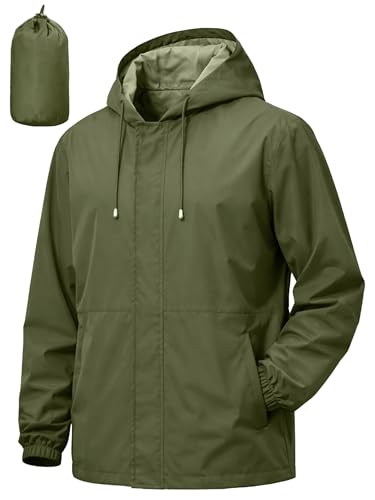
Dedicated rainwear is designed to form an impenetrable barrier between falling precipitation and your dry inner layers. Garments like the UIQUR Mens Waterproof Cycling Jacket Lightweight utilize one hundred percent polyester fabrics engineered to resist wind and water penetration. These shells often feature adjustable drawstrings on the hood and hem to prevent rain from driving inward around the collar and waist. Elasticized cuffs also help seal the wrists against moisture running down your hiking poles.
Packability remains a crucial consideration when carrying rain protection into the backcountry. Because squalls can appear and disappear quickly, carrying a shell with an included compact storage pouch ensures it takes up minimal backpack volume. Water-resistant windbreakers like the Fisoew Womens Windbreaker Lightweight Jackets offer quick deployability for sudden passing showers or light mountain storms. Pairing reliable weather protection with durable trail pants for mobility creates a balanced foul-weather system that keeps your legs and torso dry.
Hikers must recognize the difference between fully sealed waterproof garments and water-resistant softshells. While some jackets feature internal waterproof membranes, water can still seep through standard stitched seams during prolonged, heavy downpours if those needle holes lack seam taping. Softshell designs like the Outdoor Ventures Women’s Waterproof Fleece Lined incorporate a waterproof membrane within the mid-layer, but heavy soaking rain can penetrate unsealed seams over time. Understanding these structural boundaries prevents unrealistic expectations when hiking into sustained mountain storms.
Windbreakers and Lightweight Athletic Shells: Cutting the Chill Without Trapping Sweat
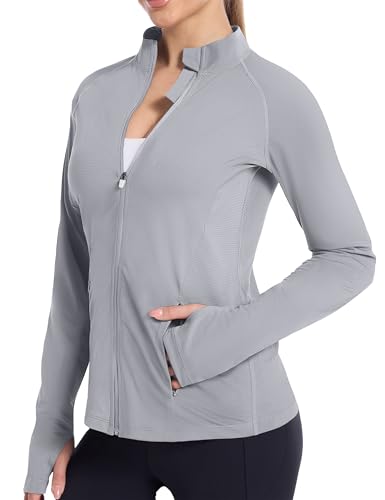
Wind is often a hiker’s greatest adversary when climbing exposed ridgelines. High winds accelerate convective heat loss, stripping warmth from your body far faster than calm air at the same temperature. Ultralight athletic layers like the Locachy Women’s Lightweight Zip Up Athletic Jacket provide windproof coverage while maintaining high air permeability. The soft, moisture-wicking fabric allows metabolic heat and sweat vapor to vent outward while blocking chilling gusts.
These athletic wind shells often feature a stand collar and an adjustable drawstring hem to customize airflow on the move. Looser cuts allow room for movement across rocky sections without pulling tight across the shoulders. Dual slash pockets give you rapid access to trail essentials like navigation tools or energy snacks. Because these jackets lack heavy insulation, they fold down into tiny parcels that add virtually no pack weight.
Wearing a lightweight windbreaker is often far more comfortable than wearing a hardshell rain jacket during dry, windy conditions. Hardshell membranes can quickly feel clammy against bare arms or short-sleeve base layers when you are working hard. Athletic shells offer softer next-to-skin comfort and dry significantly faster if you push your pace on an incline. They serve as ideal active outer layers for shoulder-season hikes where wind protection is vital but heavy rain is unlikely.
Sun Protection Jackets: Shielding Skin on Hot, Exposed Trails
High-altitude trekking and desert trails expose hikers to intense ultraviolet radiation. While many hikers think of outerwear solely as defense against cold or rain, sun protection layers like the Roadbox Lightweight Athletic Jackets for Women are essential in hot climates. Featuring fabric rated at UPF 50+, this type of jacket blocks ninety-eight percent of harmful UVA and UVB rays. This physical sun barrier eliminates the need to apply greasy sunblock repeatedly to sweaty arms and shoulders.
Breathability and ventilation are paramount when wearing long sleeves in blazing summer conditions. These lightweight workout layers utilize quick-drying synthetic weaves engineered to maximize airflow and pull moisture away from the skin. Functional features such as thumb holes keep the sleeves anchored over the backs of your hands, protecting vulnerable skin while gripping trekking poles. A high stand collar protects the sensitive back of the neck from severe sunburn during long days above the treeline.
Interior storage and chafe-free construction add substantial trail value to sun shirts and summer jackets. Deep inner pockets and zippered side enclosures keep phones and trail permits secure against sudden trail movements. Flatlock seam stitching reduces friction points under heavy backpack shoulder straps, helping prevent painful skin chafing over long miles. A curved hem profile ensures the garment stays comfortably in place without bunching beneath a tightened hip belt.
Insulated and Fleece-Lined Winter Coats: Trapping Warmth in Cold Conditions
Sub-freezing temperatures, snowfall, and winter mountaineering demand substantial thermal insulation. Cold-weather coats like the MOERDENG Women’s Hiking Winter Jacket Waterproof combine waterproof outer protection with warm internal insulation. Built for active snowy pursuits such as hiking and skiing, this outerwear retains body warmth while offering reinforced stitching across stress points. A detachable hood provides adaptable head protection, allowing you to shed excess bulk when wearing a dedicated climbing helmet or beanie.
Softshell jackets with integrated fleece linings strike an effective balance for chilly shoulder-season outings. The Outdoor Ventures Women’s Waterproof Fleece Lined jacket utilizes a micro fleece backing that provides warmth without excessive bulk. The interior fleece feels plush against base layers and actively transfers moisture outward toward the membrane. A two-way central zipper with internal storm flaps allows hikers to unzip the bottom for stride mobility while maintaining neck coverage against cold drafts.
Insulated outerwear requires thoughtful deployment during winter treks to prevent dangerous overheating. Hikers should pack their heavy winter coat at the top of their backpack, using it primarily during stationary breaks, lunch stops, or summit photos. Hiking uphill in a heavily insulated jacket will rapidly saturate base layers with sweat, creating severe hypothermia risks once you stop moving. Deploying insulation strategically preserves your core temperature without compromising moisture control.
Managing Internal Perspiration to Prevent Sweating Out
Internal moisture accumulation, commonly known on trails as sweating out, occurs when body perspiration cannot escape through the jacket. When moisture vapor generated by exertion encounters a cold outer shell, it condenses back into liquid water against the jacket interior. Hikers often mistakenly believe their rain shell has leaked when, in reality, their own sweat has saturated their inner layers. Proper heat management begins with adjusting your pace and venting your jacket before sweat begins to soak your clothing.
Mechanical ventilation features offer immediate relief from internal heat buildup during strenuous climbs. Loosening hook-and-loop wrist cuffs, unzipping front collars, and cinching loose drawstrings selectively helps pump humid air out of the jacket. Two-way front zippers provide an easy method to vent heat from the lower torso while keeping your chest shielded from driving rain. Utilizing these physical adjustments allows you to maintain comfort without having to take off your outer shell in bad weather.
Fabric choices directly dictate how effectively sweat moves away from your body toward the jacket. Synthetic polyester weaves and technical blends excel at wicking moisture across a broad surface area for rapid evaporation. In contrast, wearing cotton t-shirts under technical outerwear creates a sponge that holds water against the skin indefinitely. Avoiding cotton and choosing moisture-wicking base layers ensures your outer jacket can function as intended.
Key Construction Details: Hoods, Cuffs, Pockets, and Seam Engineering
Garment architecture plays a vital role in keeping you comfortable while carrying a loaded backpack. Drawstring-adjustable hoods ensure peripheral vision remains clear when turning your head to scan uneven trail terrain. Fixed hoods with stiffened brims keep driving rain out of your eyes, while detachable hoods offer versatility for casual day trips. A well-designed collar stands tall around the neck to prevent cold drafts from circulating down your spine.
Pocket placement and closure styles determine how practical a jacket feels when wearing a pack harness. Hand pockets positioned too low can become trapped beneath a backpack hip belt, rendering them unusable while hiking. High-set slash pockets and secure zipper closures allow easy access to route guides, lip balm, and navigation devices without unclipping your pack. Deep internal pockets also provide safe storage for electronics that perform poorly in cold weather.
Cuff and hem designs provide the final seal against shifting weather. Elastic cuffs slide smoothly over watch faces and gloves, keeping biting wind from drafting up your forearms. Drawstring-adjustable hems allow you to cinch the bottom tight against blowing snow or loosen it to encourage airflow on warm climbs. Ensuring these adjustment points operate smoothly with cold or gloved fingers keeps adjustments quick and effortless on the trail.
Layering Compatibility: Integrating Outerwear with Base and Mid-Layers
A hiking jacket must work seamlessly within a broader three-part layering system. Next-to-skin base layers handle perspiration transport, while fleece or synthetic mid-layers trap ambient body heat. Your outer shell functions as the protective armor that shields the insulating layers from wind, rain, and brush abrasion. If an outer jacket is cut too tightly, it can compress your mid-layer loft and severely restrict your natural range of motion.
Selecting an appropriate sizing profile ensures your outerwear accommodates varying seasonal under-layers. An athletic fit works well for fast summer hikes where only a thin sun shirt or light base layer sits underneath. For shoulder-season and winter adventures, choosing a relaxed silhouette leaves ample room for a grid fleece or lightweight puffy jacket. Testing your jacket over your thickest planned trail sweater ensures your shoulders and elbows never bind during steep scrambles.
Bottom garments also interface directly with jacket hemlines to provide continuous weather protection. Extended jacket hems that drop below the waist prevent cold exposure when bending forward to negotiate boulders or steep steps. Coordinating your outerwear with comfortable supportive trail pants ensures seamless overlap that stops rain drips from landing on your waist. This modular setup allows hikers to adapt swiftly to fluctuating microclimates without stopping for lengthy clothing changes.
Garment Care and Maintaining Weatherproofing Performance
Proper laundry practices are essential to extend the functional lifespan of technical hiking jackets. Trail dirt, campfire smoke, and skin oils gradually clog fabric pores and degrade water-repellent surface finishes. Washing synthetic jackets according to manufacturer care tags preserves the integrity of protective coatings. Hand washing or using gentle machine cycles without harsh detergents prevents seam tapes and waterproof laminates from breaking down prematurely.
Bleach, fabric softeners, and hot irons should never be applied to technical outerwear. Softeners coat synthetic fibers with chemical residues that ruin moisture-wicking channels and destroy water-repellent performance. Manufacturers generally advise hanging garments to dry naturally in shaded areas away from direct heat sources. Following these simple maintenance routines prevents delamination and ensures your jacket remains reliable across many trail seasons.
Practical Trail Verification Before Heading Out
Before embarking on any wilderness hike, double-check that your selected outerwear suits the latest mountain forecast. Inspect all pocket zippers, drawstrings, and hood toggles to ensure they function properly without snagging. Test your full range of motion by raising your arms overhead to verify the cuffs do not pull back excessively. Carrying the right outer layer gives you peace of mind, allowing you to focus on the trail ahead.


Write Your Review
No reviews yet. Be the first to share your experience!