


Heading out into the backcountry requires a thoughtful approach to temperature regulation, moisture control, and skin protection. Understanding what to wear during hiking prevents common trail problems like heavy sweat accumulation during steep ascents, sudden shivering during summit rests, and painful fabric friction. Choosing proper technical garments keeps your core dry by moving sweat away from your skin through rapid evaporation. When you step onto the trail, the right combination of breathable synthetic tops and flexible lightweight hiking pants establishes an adaptable barrier against changing weather conditions.
Wilderness terrain exposes hikers to intense solar radiation, abrasive brush, unexpected wind gusts, and sudden temperature shifts. Modern technical apparel relies on engineered textiles like moisture-wicking polyester blends, protective ultraviolet knit weaves, and natural thermoregulating merino wool to maintain physical comfort. Leaving behind moisture-trapping casual clothing like heavy denim or standard cotton shirts dramatically reduces the risk of post-exertion chilling on exposed ridgelines. Assembling an efficient trail wardrobe ensures you stay comfortable, agile, and protected from the trailhead to the summit turn-around.




Essential Trail Clothing Strategy: Building an Adaptable Layering System
Planning what to wear during hiking begins with understanding how technical apparel regulates body heat and moisture across changing terrain. Trails rarely maintain uniform conditions, as steep ascents generate significant metabolic heat while open ridgelines introduce chilling winds. A reliable clothing setup relies on modular components that work together rather than a single heavy garment. Selecting purpose-built technical materials helps hikers maintain thermal equilibrium and avoid moisture retention on any trail.
The Three-Layer Architecture: Managing Moisture, Warmth, and Weather
Outdoor enthusiasts structure trail clothing around a three-layer system designed to address moisture transfer, thermal insulation, and weather protection. The base layer rests directly against your skin, functioning as a conduit that pulls sweat away from your body. Next, an insulating mid-layer traps warm air within its fibers to retain body heat during cooler conditions or rest breaks. Finally, an outer shell shields you from wind and rain while allowing built-up interior vapor to escape.
The modular nature of this system allows you to adapt to changing conditions without taking lengthy breaks. For example, wearing only a lightweight base layer during a steep morning climb prevents excessive sweating and dampness. Once you reach an exposed summit where ridge winds pick up, pulling an active mid-layer or shell over your base layer locks in essential warmth. Carrying garments that fulfill distinct roles ensures you stay prepared for sudden weather shifts without carrying excessive pack weight.
Layering mistakes often occur when hikers rely on a single heavy jacket instead of adaptable lightweight pieces. A bulky coat often traps excessive perspiration during physical exertion, soaking inner garments and creating a clammy interior climate. When you pause to rest, that trapped moisture conducts heat away from your skin rapidly. Distributing your clothing needs across separate, complementary garments gives you precise control over your thermal balance.
Base Layer Fiber Mechanics: Synthetic Polyester Versus Merino Wool
Selecting an effective next-to-skin base layer requires understanding the performance differences between synthetic polymers and natural animal fibers. Synthetic textiles like polyester excel at rapid moisture transfer through capillary action. Garments such as the Twekfish Men’s UPF 50+ Long Sleeve Swim Shirts UV leverage hydrophobic polyester fibers that absorb virtually no water, moving liquid perspiration rapidly to the outer fabric surface for fast evaporation. This drying speed makes synthetic tops an excellent choice for warm-weather ascents where sweat production remains continuous.
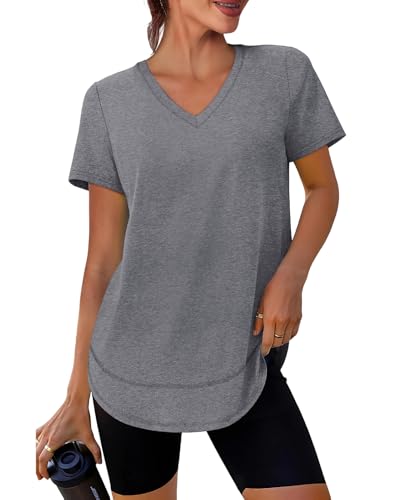
Women’s technical tops like the XIEERDUO Short Sleeve Shirts for Women Workout demonstrate how a blend of 95% polyester and 5% spandex provides both moisture management and four-way stretch. The addition of elastane allows the fabric to flex naturally with body movement, preventing friction points and chafing during repetitive motions. Loose-fitting cuts and side slits promote mechanical airflow around the torso, enhancing cooling as you maintain a steady trail pace. These synthetic weaves provide reliable durability that withstands repeated laundering without losing shape.
Merino wool offers distinct natural properties that contrast with synthetic textiles. Wool fibers feature a complex protein structure capable of absorbing moisture vapor internally into their core while feeling completely dry on the outside. This allows merino wool to retain natural thermal insulation even when slightly damp from exertion. In addition, merino fibers naturally resist the bacterial growth that causes persistent odor, making wool garments especially practical for multi-day trips where washing opportunities are limited.
The Inherent Hazard of Cotton: Understanding Conductive Heat Loss
The outdoor community frequently warns against wearing cotton clothing in backcountry environments. Cotton fibers are hydrophilic, absorbing and retaining many times their dry weight in liquid moisture. When you hike in a traditional cotton tee shirt or denim jeans, perspiration saturates the fibers and collapses the air pockets needed for thermal insulation. The damp fabric clings tightly to your skin, creating significant friction along underarms and inner thighs that quickly causes painful chafing.
Even more concerning than skin irritation is the rapid acceleration of conductive heat loss caused by saturated cotton. Water conducts thermal energy away from the body roughly twenty-five times faster than still air. If a sudden mountain wind develops or temperatures drop while your shirt is wet with sweat, hypothermia can develop even in mild conditions. Leaving cotton garments out of your hiking wardrobe is a critical safety step before heading into wilderness areas.
Solar Defense and Thermal Regulation: UPF Knits and Neck Gaiters
High-elevation trails, desert canyons, and open ridges expose hikers to intense ultraviolet radiation that causes sunburn and accelerates fatigue. Relying solely on sunscreen lotion often proves difficult because active perspiration washes it away over long climbs. Technical sun shirts offer continuous physical protection through dense fabric knits rated with an Ultraviolet Protection Factor. Garments providing a certified UPF 50+ rating block roughly ninety-eight percent of UVA and UVB rays, creating dependable all-day skin shielding.
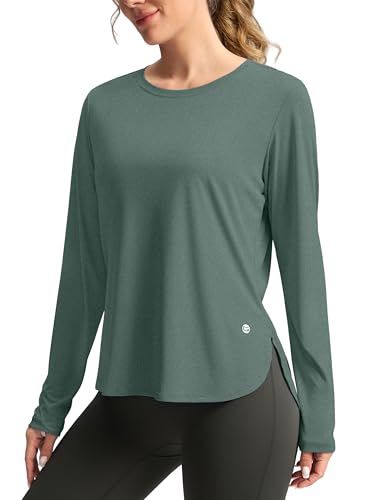
A lightweight polyester long-sleeve shirt keeps arms covered without trapping excessive body heat. Loose-fitting long sleeves often keep skin cooler than bare exposure by deflecting radiant heat while facilitating evaporative cooling beneath the fabric. Purposeful design elements like raised crew collars shield sensitive areas that easily burn when using trekking poles. Selecting light fabric colors further assists in reflecting direct sunlight on exposed alpine trails or open desert paths.
Technical accessories provide vital supplemental protection for vulnerable areas like the neck, ears, and face. The KastKing Sol Armis UPF50+ Neck Gaiter highlights how a breathable poly-spandex tube delivers targeted UPF 50 sun protection across versatile configurations. Worn as a neck gaiter, balaclava, or headband, the four-way stretch fabric stays securely in place while shielding skin from ultraviolet rays and windburn. In hot environments, soaking your neck gaiter in cold stream water provides immediate cooling that helps regulate your comfort during midday miles.
Lower Body Protection: Trail Pants, Stretch Mobility, and Water Shoes
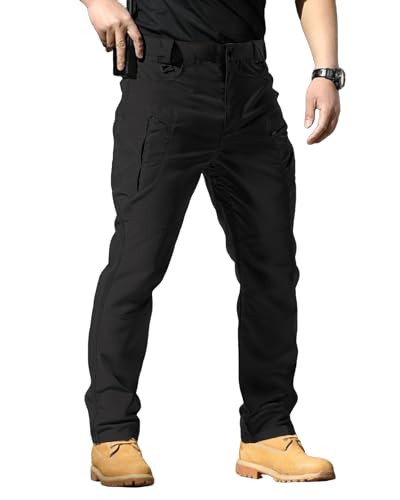
Selecting appropriate hiking bottoms requires balancing ventilation with physical protection against brush, insects, and rough rock. Many hikers appreciate the convenience of specialized articulated hiking pants that incorporate stretch-woven synthetic fibers to maintain unrestricted stride mechanics on steep trails. Synthetic trail pants dry rapidly, preventing the heavy feeling that occurs after walking through dew-soaked morning vegetation. Look for designs featuring reinforced panels, gusseted crotches, and flat waistbands that sit comfortably beneath loaded backpack hip belts.
While lightweight athletic shorts offer excellent airflow on warm, clear paths, long pants provide essential barrier defense on overgrown routes. Pants protect your legs from tick attachment, thorny briars, and abrasive granite scrambles that can cause cuts. Long pants also prevent blowing sand, gravel, and trail debris from entering your shoes. Hikers traveling in variable climates often favor pants with roll-up cuff tabs or convertible zip-off legs to adapt as trail temperatures climb.
Wet environments and shallow stream crossings present unique footwear challenges that standard hiking boots cannot comfortably manage. Footwear like the Water Shoes for Women Men Quick-Dry Barefoot Aqua provides a lightweight, compressible solution designed specifically for wet terrain. Featuring an anti-slip sole, breathable stretch upper, and a smooth ankle collar that prevents chafing, these aqua shoes protect feet from sharp river stones. Packing dedicated water shoes prevents your primary trail boots and socks from getting soaked, keeping your main footwear dry for miles ahead.
Footwear Synergy and Blister Defense: Technical Merino Wool Socks
Foot comfort dictates the success of any hike, and your trail socks serve as the primary barrier against friction blisters. Standard cotton socks absorb sweat and hold it against the skin, softening tissue and creating prime conditions for painful hot spots. In contrast, technical socks like the SIMIYA 5 Pairs Merino Wool Socks Thick Hiking Crew utilize a thick knitted merino wool construction to cushion the foot while managing moisture. The breathability and moisture absorption of merino wool keep feet drier, reducing friction between skin and footwear linings.
Cushioned crew socks also absorb repetitive trail impacts on rocky, uneven surfaces, reducing foot fatigue over long distances. High-density underfoot padding dampens ground pressure while reinforcing high-wear areas at the heel and toe against premature breakdown. The natural elasticity of knitted technical socks ensures a snug fit that prevents fabric from bunching inside your shoes. Preventing bunching is critical, as folded material inside a shoe rapidly creates localized pressure points and blisters.
For warm-weather day hikes involving water trails or beach sections, supportive sandals offer a comfortable open-air option. The Muboliy Women’s Original Sandals Sport Water incorporate quick-drying polyester webbing with an EVA footbed and built-in arch support. Adjustable hook-and-loop straps and a padded heel strap secure your foot, while the skid-resistant rubber outsole provides dependable traction on slippery surfaces. Using supportive water sandals allows feet to dry quickly after water crossings, eliminating the need to hike in soggy footwear.
Thermal Management and Pacing: Proactive Layer Shedding on the Trail
Maintaining thermal balance on the trail requires proactive clothing adjustments rather than waiting until you feel uncomfortable. Experienced hikers recommend starting a hike feeling slightly cool at the trailhead. Once your leg muscles warm up during the first fifteen minutes of climbing, your body produces substantial metabolic heat. If you begin hiking bundled in heavy jackets, you will quickly overheat and saturate your base layer with perspiration before reaching the first ridge.
Pause to shed outer layers as soon as you detect your body warming up, rather than waiting until you feel drenched in sweat. Opening mechanical ventilation options such as neck zippers or cuffs allows excess heat to escape without stopping your stride. Conversely, put on a light windbreaker or insulating layer as soon as you stop for a rest break. Anticipating temperature changes before your body cools down preserves vital warmth and keeps your clothing functioning properly.
Garment Longevity and Performance: Technical Fabric Washing Protocols
Technical outdoor apparel requires proper care to preserve moisture-wicking capabilities, fabric stretch, and sun protection across multiple seasons. Standard household laundry detergents and liquid fabric softeners leave behind residues that coat synthetic fibers. These chemical coatings clog the microscopic capillary pathways that transport sweat, severely reducing wicking speed. To maintain peak performance, wash synthetic tops and bottoms using mild liquid detergents and avoid fabric softeners completely.
Merino wool clothing and trail socks benefit from gentle care that prevents shrinkage and fabric pilling. Wash wool garments inside out using cold or lukewarm water on a gentle cycle, preferably with gentle detergents formulated for natural fibers. Air drying on a flat surface or clothesline protects the elasticity and structure of wool weaves better than machine tumble drying. Proper laundering ensures your technical garments retain their protective features and soft feel for many miles ahead.
Backcountry Apparel Checklist: Assembling Your Trail Wardrobe
Assembling a reliable trail clothing kit involves matching your garments to the local forecast, elevation, and terrain. Check trail conditions for anticipated temperature drops, wind speeds, and rain chances before packing your daypack. Always store a dry, lightweight emergency layer inside a waterproof stuff sack so you have immediate warmth if unexpected storms develop. Dressing with intention ensures your energy remains focused on the scenery rather than clothing discomfort.
Finalizing your trail outfit comes down to selecting comfortable, high-performing pieces that move naturally with your stride. Combining breathable UPF shirts, durable stretch bottoms, protective accessories, and cushioned merino socks creates a versatile foundation for any trail. When each garment performs its designated moisture, thermal, or sun protection task, you can hike with confidence across every elevation.


Write Your Review
No reviews yet. Be the first to share your experience!