


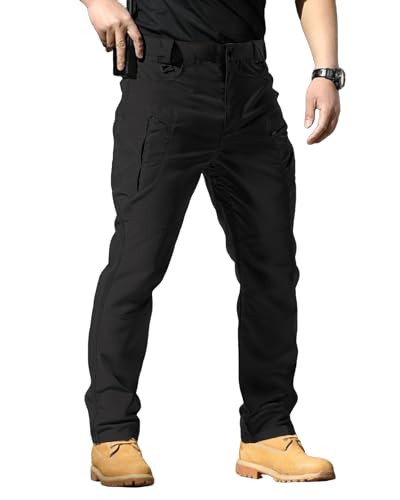
Regulating core body temperature on a cold-weather ascent requires a delicate balance between sealing out bitter alpine gusts and releasing active perspiration. While winter outerwear in your closet might seem ready for rugged terrain, many outdoor lovers wonder if can you wear a ski jacket for hiking without overheating. Ski coats are engineered to battle high-speed windchill on chairlifts, whereas trail hiking generates sustained aerobic body heat that must escape before it condenses. Pairing your upper layers with durable lightweight hiking pants helps establish balanced thermal coverage across your entire outfit.
Steep switchbacks quickly expose the performance limits of heavy winter apparel. Understanding how moisture management, fabric breathability, and weight affect trail stamina allows you to decide whether your snow coat is suitable for backcountry exploration. Hikers who also rely on technical hiking pants for trail mobility understand that freedom of movement and thermal ventilation matter just as much as basic weatherproofing. Evaluating how winter outerwear handles moisture transport helps keep you safe from dangerous post-ascent shivering in freezing conditions.


Evaluating Ski Jackets on the Trail: Feasibility, Fabric Mechanics, and Performance Tradeoffs
The short answer is yes, you can wear a ski jacket for hiking, but doing so requires deliberate pacing and a clear understanding of your garment’s ventilation limits. While both snow sports and winter trekking demand weather protection, the physiological output of each activity differs drastically. Hikers generate continuous internal heat on sustained inclines, which can turn an overly insulated jacket into a clammy microclimate. Repurposing your ski jacket can work remarkably well on relaxed winter excursions, provided you understand the mechanical tradeoffs involved.
When you wear outerwear designed for downhill skiing on the trail, managing internal moisture becomes your primary safety objective. Snow coats typically emphasize thermal insulation and heavy wind blocking, which can compromise the high breathability that strenuous uphill walking demands. Understanding the differences in fabric permeability and structural design allows you to modify your pacing and clothing layers effectively. With proper temperature regulation techniques, hikers can stay comfortable and avoid dangerous moisture buildup during winter outings.
The Fundamental Disconnect Between Downhill Skiing and Trail Climbing
Downhill skiing alternates brief bursts of high-speed descending with long, sedentary chairlift rides through freezing winds. Because of those stationary intervals, ski jackets prioritize robust wind resistance and thick thermal padding to keep your core warm in sub-zero conditions. Skiers rely on their outerwear to create a static barrier against piercing mountain drafts while gravity does much of the physical labor. This heavy-duty wind defense prevents dangerous windchill while riding exposed lifts between fast downhill runs.
Hiking, by comparison, involves continuous cardiovascular output over miles of varied incline and rugged terrain. Your leg muscles produce massive amounts of internal heat during sustained uphill climbs, triggering your body’s natural cooling mechanism through perspiration. If that moisture vapor cannot escape quickly through your outer layer, it condenses against the interior lining of your coat. Over time, that trapped water saturates your clothing and leaves your inner layers thoroughly wet.
Once you crest an exposed ridgeline or pause for a trail break, that trapped perspiration cools rapidly against your skin. This phenomenon, known among hikers as sweating out a shell, poses a genuine risk of rapid conductive heat loss and chilling in freezing weather. When wet clothing sits against your skin in cold ambient temperatures, your body loses heat up to twenty-five times faster than when dry. Understanding this mechanical difference explains why a jacket that keeps you comfortable on a ski resort slope can feel suffocating on an uphill trail.
Moisture Vapor Permeability and Waterproof Membrane Behavior
Waterproof ratings on technical outerwear describe how well an exterior textile resists liquid penetration under sustained hydrostatic pressure. For example, garments like the CAMEL CROWN Women’s Waterproof Ski Jacket 3 in 1 feature a durable water-repellent coating with a waterproof rating listed up to 10,000mm. Similarly, options like the MAGCOMSEN Waterproof Jackets for Women 3 in 1 feature a 5,000mm rating designed to handle rain and falling snow. These dense barrier fabrics excel at preventing wet winter precipitation from seeping through to your internal clothing.
External weather protection must always be evaluated alongside breathability, which measures the rate at which internal moisture vapor escapes through the fabric. Dense hydrophobic coatings and thick synthetic face fabrics often possess lower air permeability than minimalist rain shells or unlined alpine garments. When your metabolic heat rises on a steep climb, the moisture transfer rate through a standard ski coat may not keep pace with your sweat production. As a result, moisture vapor gets trapped on the interior face of the membrane, collecting as cold water droplets.
Hydrophobic exterior coatings help shed melting snow effectively, but they do not actively pull vapor away from saturated mid-layers. If the temperature gradient between your warm body and the cold exterior air causes internal condensation, you may finish your ascent thoroughly soaked from within. Hikers must actively look for mechanical venting features such as zippered armpits or two-way front zippers to manually exhaust humid air. Relying solely on passive fabric breathability in a ski coat during heavy exertion will almost certainly lead to internal dampness.
Insulation Architecture: Fixed Lining Versus Modular Layering Systems
Traditional insulated ski coats incorporate non-removable padding and thermal fleece linings sewn directly into the weather shell. The Winter Jackets Coats for Mens Waterproof Fleece by Aorga features high-density outer material paired with middle insulation padding and an internal fleece lining. In the same way, the MAGCOMSEN Winter Coats for Men Winter Fleece utilizes an integrated thermal fleece lining designed to lock in warmth during cold conditions. The Men Winter Jacket Work Ski Snow Coat Waterproof also uses high-performance internal insulation behind a triple-layer performance shell to create a reliable thermal barrier.
While this unified design provides instant warmth in freezing parking lots, it eliminates modular versatility on the trail. Hikers generally rely on a dynamic three-part layering system consisting of a next-to-skin wicking base layer, an insulating mid-layer, and a protective outer shell. When insulation is permanently bonded to the waterproof exterior, you cannot shed the warm layer during an intense climb without also stripping away your protection from falling snow. This all-or-nothing construction forces you to choose between overheating in the jacket or freezing in your base layers.
Modular three-in-one designs offer a far more practical solution for winter hiking trails. Both the CAMEL CROWN Women’s Waterproof Ski Jacket 3 in 1 and the MAGCOMSEN Waterproof Jackets for Women 3 in 1 allow hikers to detach the inner fleece jacket from the waterproof outer shell. Both pieces can be worn together in severe cold or separated when your physical exertion starts to rise. This flexibility lets you hike uphill wearing just a breathable base layer under the weather shell, keeping the dry fleece safely stowed in your pack until you stop to rest at a breezy overlook.
The Softshell Alternative for Moderate Winter Activity
Hikers tackling dry, cold winter trails often find that softshell winter jackets offer a functional middle ground between heavy parkas and thin rain gear. The MOERDENG Women’s Waterproof Winter Coat Softshell incorporates water-resistant capabilities and windproof materials into an adaptable profile. Softshell fabrics generally allow slightly higher air permeability than rigid hard shells, which helps vent active heat during moderate climbs. This balanced airflow makes softshell outerwear particularly well suited for brisk, dry trail days.
These garments also provide enhanced mobility and quieter fabric dynamics when brushing against branches or trail obstacles. The reinforced stitching and adjustable cuffs on the MOERDENG softshell coat help seal out cold drafts while providing comfortable stretch over your shoulders. For lower-intensity hikes in crisp, dry winter conditions, a softshell provides sufficient thermal retention without the extreme bulk of heavily padded ski parkas. The pliable exterior moves naturally with trekking pole swings and steep strides, minimizing resistance during your hike.
Softshells have defined performance boundaries in severe winter precipitation. While their treated exterior repels light flurries and brief misty drizzle, extended exposure to heavy wet snow can eventually saturate the outer face fabric. Saturated fabric loses its breathability and increases conductive heat loss as cold moisture presses against your insulating layers. Hikers expecting torrential downpours or heavy wet blizzards should still prioritize fully seam-taped waterproof shells over single-layer softshells.
Pack Weight Penalties and Backpack Strap Interface
Weight and compressibility represent two of the most significant challenges when adapting a ski jacket for trail duty. Dedicated technical hiking shells frequently weigh under a pound and compress into the size of an apple inside a backpack. In contrast, fully featured ski jackets with thick insulation padding, heavy zippers, storm hoods, and internal fleece linings weigh considerably more and demand substantial pack volume. Carrying that additional bulk directly increases the physical effort needed to complete steep elevation gains.
If you begin overheating three miles into an eight-mile loop, you must carry that jacket in your daypack. Stuffing a bulky ski coat into a standard twenty-liter or thirty-liter pack can consume nearly all available storage space, leaving minimal room for hydration, safety essentials, and spare gloves. If your backpack lacks sufficient volume, you may find yourself forced to keep wearing an overly warm jacket, increasing your risk of profuse sweating and exhaustion. Planning ahead for how you will transport your jacket during warmer stretches of the trail is essential.
Ski jackets feature cut patterns and hardware configurations optimized for ski resort ergonomics rather than loaded backpack harnesses. Heavy shoulder straps from a hiking pack can press thick collar fluff, arm pockets, and bulky chest zippers uncomfortably against your collarbones. Thick hand-warmer pockets can also end up pinned directly beneath your backpack’s padded hip belt, rendering them difficult to access while trekking. Furthermore, constant friction between rough backpack straps and soft face fabrics can accelerate cosmetic wear on specialized winter coats.
When a Ski Jacket Makes Practical Sense on the Trail
Despite the limitations regarding weight and breathability, repurposing a ski jacket makes complete sense in specific hiking scenarios. Short day hikes on flat, snow-packed trails with minimal elevation change generate far lower metabolic heat than alpine scrambles. In those low-output environments, the generous thermal retention of an insulated coat like the MAGCOMSEN Winter Coats for Men Winter Fleece or Winter Jackets Coats for Mens Waterproof Fleece keeps your body comfortable without requiring intricate layering adjustments. The thick insulation shields you from freezing winds without the danger of sudden overheating.
Stationary trail activities also highlight the strengths of an insulated ski jacket. If your winter hike involves long pauses for wildlife observation, landscape photography, or setting up a cold-weather campsite, your body heat drops precipitously the moment you stop moving. In those stationary moments, throwing on a wind-blocking, heavily insulated ski coat provides immediate protection against rapid convective heat loss. The cozy fleece lining and draft-blocking cuffs allow you to remain comfortable during extended rest breaks.
Budget optimization is another compelling factor for casual winter adventurers. Dedicated four-season mountaineering apparel can represent a massive financial investment for someone who only hikes a few snowy afternoons each year. If you already own a reliable ski coat, utilizing it for winter hikes saves money while still getting you outside, provided you adjust your trail habits to account for its thermal density. Making sensible use of gear already in your closet is often the smartest approach for beginners exploring winter trails.
Field Adjustments to Prevent Overheating While Hiking
Hikers who choose to wear a ski jacket can adopt several practical field habits to keep their core temperature regulated. The most important rule of cold-weather hiking is to start slightly chilled, commonly referred to as starting cold. If you feel perfectly cozy and warm while standing by your vehicle at the trailhead, you will almost certainly overheat within the first ten minutes of uphill walking. Allowing your working muscles to generate natural warmth prevents excessive sweating early in your trek.
Use every manual ventilation option your jacket provides from the moment you hit the trail. Unzip your cuffs, loosen the internal drawcord hem, and crack the main front zipper partially to allow cool ambient air to circulate across your chest. Detach or roll down the storm hood, as a significant amount of excess body heat can escape directly through your head and neck when the collar is unbuttoned. Venting heat proactively before your base layers become damp is the key to maintaining a dry microclimate.
Equally vital is what you wear underneath the ski jacket. Never wear cotton t-shirts, cotton hoodies, or cotton thermal underwear on a winter hike. Cotton fibers absorb moisture up to twenty-seven times their weight and lose all insulating ability when wet, creating a chilling compress against your skin. Instead, wear a thin, moisture-wicking synthetic polyester or merino wool base layer that rapidly transports sweat away from your skin. Pairing your top layers with flexible trail pants designed for cold conditions also helps balance your overall body temperature without restricting stride mobility.
Practical Verdict for Trail Enthusiasts
Wearing a ski jacket for hiking is entirely viable when your expectations align with the physical realities of the garment. For low-intensity snowy walks, winter camping chores, scenic photography, and budget-conscious day trips, a durable ski coat offers excellent barrier protection against bitter wind and blowing snow. Garments with 3-in-1 modular versatility, such as the CAMEL CROWN or MAGCOMSEN modular options, offer the greatest flexibility by letting you separate the waterproof shell from the fleece liner. These adaptable styles let you fine-tune your warmth as trail gradients change.
For strenuous summit ascents, steep elevation gains, or multi-day backcountry backpacking where pack space and weight are critical, dedicated lightweight layering pieces prove far superior. Monitoring your pace, opening vents before you begin to sweat profusely, and pairing your jacket with technical wicking base layers ensures you remain safe and comfortable. Always assess local weather conditions, mountain forecasts, and your intended trail elevation before embarking on any winter trek. Paying attention to how your body responds to exertion will keep you dry, warm, and confident through every mile of cold-weather exploration.


Write Your Review
No reviews yet. Be the first to share your experience!