


Unpredictable mountain weather often forces hikers to make difficult gear decisions when preparing for shifting conditions. Sudden cloud cover or sharp temperature drops along exposed ridgelines require immediate warmth or wind resistance, yet lugging a bulky winter coat or stiff work jacket quickly overburdens a trail pack. Learning what does packable jacket mean helps outdoor enthusiasts select protective layers that compress down into pocket-sized bundles without consuming valuable interior cargo room. When hikers are carefully sizing a standard daypack for fast outings, minimizing excess garment volume becomes just as crucial as trimming total ounces.
In technical outdoor apparel, a packable garment is designed to compress tightly into its own pocket or an included compact pouch while bouncing back to deliver full weather defense when deployed. These garments utilize lightweight face fabrics, compressible down-alternative synthetic insulation, or streamlined waterproof membranes designed specifically for convenient transport. Selecting the right packable shell or insulated layer ensures you stay shielded against sudden trail downpours and cold breezes without turning your backpack into a heavy, unwieldy load.



Understanding Packable Outerwear Construction and Trail Performance
Understanding technical apparel terms prevents unpleasant surprises when foul weather rolls across high-elevation routes. At its core, asking what does packable jacket mean comes down to identifying outerwear engineered for maximum space efficiency, rapid deployment, and minimal trail weight. Rather than relying on rigid exterior fabrics or thick linings, packable jackets prioritize compressible materials that allow the entire garment to self-contain into a fist-sized or sandwich-sized package.
The Structural Mechanics of Packable Garments
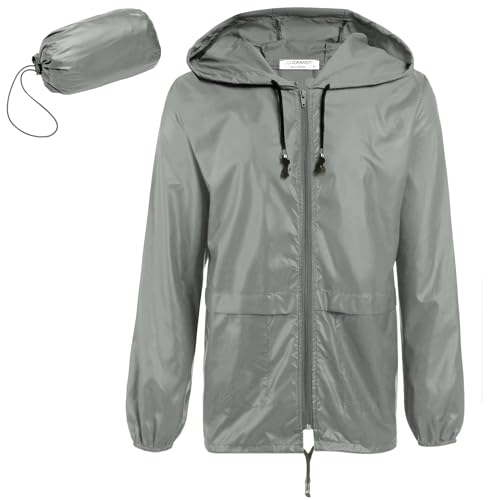
The primary defining characteristic of packable outerwear is the self-stow system, which eliminates the need for separate compression sacks or bulky storage bags. Many technical designs, such as the ZITY Mens Lightweight Hooded Waterproof Rain jacket, fold directly into an integrated zippered chest or hand pocket. Other garments rely on dedicated matching stuff sacks that compress the jacket down to travel-friendly proportions. This design feature allows hikers to clip the packed garment to a gear loop or slip it into an exterior stretch pocket for instant access when weather conditions deteriorate.
Achieving this high level of compressibility requires manufacturers to alter standard garment construction. Designers deliberately avoid thick internal fleece linings, heavy metallic snaps, and rigid storm flaps that resist folding. Instead, packable outerwear incorporates lightweight zippers, elasticized hem bindings, and low-profile hood adjustments. By removing non-essential structural bulk, the garment reduces internal volume while maintaining structural integrity against mountain wind.
Yarn choice also dictates how smoothly a jacket collapses into tight quarters. High-filament nylon weaves and fine polyester microfibers allow the shell fabric to bend and fold without creasing permanently or damaging weatherproofing barriers. These smooth synthetic fibers slide easily against one another during compression, allowing trapped air to escape rapidly. Consequently, the garment sheds its bulk in seconds when stuffed into a tight storage pouch.
Packable Rain Shells Versus Packable Puffer Jackets
Packable outerwear generally falls into two distinct functional categories: ultra-thin weather shells and compressible insulated mid-layers. A packable rain shell focuses entirely on keeping wind and liquid precipitation away from inner clothing layers. Garments like the COOFANDY Men Packable Rain Jacket Lightweight Rain shell and the COOFANDY Packable Rain Jacket Men’s Lightweight model provide lightweight storm protection with minimal fabric mass. These unlined shells function as standalone barriers during warm summer showers or as protective outer shields over warmer layers when autumn storms hit.
Insulated packable jackets serve a completely different thermal purpose by trapping radiated body heat in chilly environments. Models such as the CANADA WEATHER GEAR Mens Puffer Jacket – Packable and the Polu Mens Lightweight Puffer Jacket with Hood use down-alternative synthetic fill to generate loft without excessive weight. The synthetic fibers expand once removed from their pouch, trapping pockets of warm air around the torso. While these puffer designs resist light moisture and biting wind, they are primarily built for thermal retention rather than sustained downpours.
Recognizing the distinction between these two jacket types helps hikers assemble an effective outdoor wardrobe. When you are packing for a multi-day backpacking trip, carrying both a packable rain shell and a packable insulated jacket provides comprehensive weather defense. The insulated puffer provides stationary warmth around the evening campsite, while the rain shell remains on standby for sudden squalls. Because both garments compress into small spaces, carrying two dedicated pieces takes up less room than packing a single bulky, non-compressible winter parka.
Fabric Denier, Ripstop Weaves, and Trail Durability
Creating a jacket that packs down small requires thin shell textiles, but lightweight fabrics must still survive the rigors of the trail. Manufacturers measure fiber thickness in denier, with lower denier counts corresponding to lighter, more packable fabrics. However, ultralight face fabrics can be vulnerable to snags from thorny branches or abrasion beneath heavy shoulder straps. To counter this vulnerability without adding bulk, technical brands often weave reinforcement threads into the base fabric.
The ZITY Mens Lightweight Hooded Waterproof Rain jacket utilizes a ripstop nylon weave that arrests small tears before they can expand across the garment. Ripstop grids use thicker intersecting yarns at regular intervals, preventing puncture holes from turning into catastrophic fabric failures. This construction allows the jacket to weigh only around 0.6 pounds while maintaining adequate abrasion resistance for general trail use and casual backpacking. Hikers gain the benefit of featherweight storage without sacrificing basic structural security on brushy paths.
Trail durability also depends on how hikers manage friction zones during movement. Wearing a packable jacket beneath heavy pack harnesses can eventually cause friction wear if the fabric shifts constantly against coarse straps. Ensuring a proper fit prevents excess fabric from bunching under hip belts, protecting the thin face fabric from premature breakdown. Selecting garments with reinforced stitching across major seams helps preserve longevity across seasons of regular outdoor use.
Weather Resistance, Membrane Coatings, and Breathability
Compressibility must not compromise essential storm protection when hiking through exposed environments. Packable rain gear typically relies on a durable water repellent coating on the face fabric combined with an internal waterproof barrier. For example, three-layer systems incorporate a water-deflecting surface treatment, a protective nylon layer, and an interior waterproof coating with fully sealed seams. Sealed seams prevent wind-driven rainwater from penetrating stitch holes, keeping your base layers completely dry during sustained rain.
Moisture management remains a critical challenge for lightweight waterproof shells during high-output ascents. The ZITY Mens Lightweight Hooded Waterproof Rain jacket lists a breathability rating of 3000g/m²/24 hours, designed to allow sweat vapor to escape through the textile. Linerless shell constructions promote air convection to release accumulated body heat and perspiration. Without sufficient breathability, sweat condenses against the cool inside face of the jacket, causing hikers to feel clammy even when rain is successfully locked out.
Water resistance levels differ significantly between rain shells and insulated puffer jackets. While the COOFANDY Men’s Waterproof Hiking Travel Shell is designed to shed rain showers, water-resistant puffers like the Polu Mens Lightweight Puffer Jacket with Hood only deflect light mist. Water-resistant shells allow precipitation to penetrate during prolonged downpours once the surface finish becomes saturated. Hikers should never rely on water-resistant puffers as standalone storm gear in torrential weather, as soaked insulation collapses and loses its ability to retain body heat.
Integrating Packable Jackets into a Layering System
A packable jacket performs best when integrated into a modular three-part layering system. Your next-to-skin base layer wicks sweat away from the body, an active mid-layer traps warmth, and the outer shell seals out wind and rain. Packable jackets act as versatile modular components within this framework, ready to be deployed or stowed as exertion levels change. Throwing on a packable wind-resistant shell during a breezy summit break prevents rapid evaporative cooling from chilling damp base layers.
Proper sizing determines whether a packable jacket integrates smoothly over your existing trail clothing. If an outer shell fits too tightly across the chest, it will compress the loft of an underlying puffer jacket, drastically reducing thermal efficiency. Conversely, an oversized shell allows cold drafts to circulate freely, draining body warmth in gusty conditions. When choosing between trail layers alongside choosing full-coverage trail wear, ensuring relaxed fits that accommodate layering without restriction keeps you comfortable in variable conditions.
Weight distribution inside your pack also benefits from strategic layering choices. Stashing a packable rain shell near the top lid of your backpack ensures you can grab it within seconds of the first raindrop. Meanwhile, a packable insulated coat can sit lower in the pack until you reach camp or stop for an extended lunch break. Because these garments compress so effectively, you can organize your gear cleanly without having loose sleeves tangling around water bottles or trail snacks.
Essential Functional Features to Evaluate
Stripping away excess weight should never eliminate practical features that improve trail comfort. A quality packable jacket must feature an adjustable drawstring or elasticized hood that secures firmly around the head. Loose hoods easily blow back in mountain gusts, leaving the neck and ears exposed to stinging sleet and cold winds. Options like the CANADA WEATHER GEAR Mens Puffer Jacket – Packable include insulated hoods engineered to seal out drafts around the collar and face during chilly morning starts.
Pocket design and placement also impact functional performance on active hiking trails. Packable jackets like the Polu Mens Lightweight Puffer Jacket with Hood incorporate multiple secure zippered hand pockets alongside deep internal pockets. Having secure zipper closures prevents valuables like trail maps, navigation devices, or headlamps from falling out during steep scrambles. Furthermore, deep interior drop pockets provide convenient staging areas for drying damp trail gloves using ambient body warmth.
Cuff and hem adjustments serve as the final barrier against cold drafts and splashing trail puddles. Elasticized cuffs hug the wrists snugly, preventing cold air from traveling up the sleeves while keeping water droplets from running inside the cuffs. Hem drawstrings allow hikers to cinch the jacket tight against the hips, sealing in accumulated body heat on frosty descents. These small ergonomic adjustments transform a simple lightweight cover into a dependable barrier against shifting mountain elements.
Washing Protocols and Maintaining Packable Performance
Proper cleaning routines protect the delicate coatings and synthetic fills that make packable jackets functional. Dirt, body oils, and trail grit can clog breathable pores and degrade water-repellent surface finishes over time. Hand washing or running a gentle machine cycle using specialized technical wash formulas removes contaminants without stripping away protective finishes. Standard household laundry detergents with heavy fragrances or fabric softeners should be avoided, as their chemical residues attract moisture to the face fabric.
Care labels must be read carefully before attempting to remove wrinkles or dry technical outerwear. Manufacturer notes for garments like the COOFANDY Men’s Waterproof Hiking Travel Shell explicitly warn that users must not iron the fabric, as direct heat can melt waterproof wax and delaminate internal coatings. Tumble drying on low heat can help reactivate durable water repellent treatments, but excessive heat can permanently distort synthetic nylon yarns. Hanging garments to air dry in shaded, well-ventilated spaces preserves the structural strength of both the shell and its taped seams.
Storage habits at home also dictate how well an insulated packable jacket retains its lofting ability. While storing a jacket compressed inside its pouch is ideal for trail days, keeping it compressed for months in a closet can permanently crush down-alternative fibers. Storing puffers loosely on a hanger between trips allows synthetic fills to maintain their natural spring and thermal efficiency. Treating packable gear with mindful storage habits ensures dependable insulation whenever you pack for the backcountry.
Selecting a dependable packable jacket ultimately bridges the gap between reliable weather defense and light, efficient packing. Whether you require a featherweight waterproof rain shell to survive sudden storms or an insulated down-alternative puffer for stationary summit warmth, packable garments eliminate unnecessary bulk from your trail system. By understanding fabric denier, breathability metrics, and proper care protocols, you can confidently pack compact protection that keeps you dry and comfortable across miles of varied mountain terrain.


Write Your Review
No reviews yet. Be the first to share your experience!