


Regulating body temperature during a steep mountain ascent requires careful planning, especially when physical exertion generates heat and sweat under heavy backpack shoulder straps. Choosing what shirt to wear for hiking directly impacts your comfort, stamina, and safety across changing elevations. While casual cotton t-shirts feel soft for everyday errands, technical outdoor shirts focus on moving perspiration away from your skin to prevent dampness and chilling. Pairing the right top with smart lower-body choices, such as wearing long pants on the trail, creates a balanced barrier against brush, sun, and changing weather.
Sweat that stays trapped against your torso can lead to painful underarm chafing and dangerous post-ascent shivering when cold winds hit exposed ridgelines. Technical synthetic fibers and purpose-built athletic tops dry rapidly, while specialized cuts ensure your upper body moves without binding or bunching. Understanding how different fabrics manage moisture, shield against solar radiation, and hold up under pack friction helps you assemble an effective layering kit. Taking time to assess your trail environment ensures every garment works together seamlessly from trailhead to summit.

Essential Factors When Selecting Trail Shirts
Selecting the right top for your outdoor excursions requires balancing moisture control, breathability, and physical mobility. A poorly chosen shirt can turn an otherwise pleasant afternoon into a frustrating ordeal marked by sticky sweat, underarm irritation, and lingering chills. Modern trail shirts are engineered around specific textile behaviors that help hikers stay cool on hot ascents and warm during ridge walks. Reviewing fabric structures, sun ratings, and seam designs enables you to pick the right top for any outdoor objective.
The Core Rule of Trail Tops: Moisture Transport and Heat Regulation
Human skin cools itself through evaporation, but heavy clothing can trap sweat before it reaches open air. When moisture accumulates against your body, wet fabric presses flat against your skin, accelerating heat loss once you pause your stride. A technical trail top serves as your first line of defense by moving perspiration toward the outer face of the garment. This continuous capillary action keeps you comfortably dry during demanding switchbacks and helps stabilize your core temperature.
Dense mountain air, heavy tree canopy, and shifting breezes create microclimates that constantly alter your sweat rate. If your shirt holds water like a sponge, you will feel uncomfortably hot while climbing and suddenly chilled during breaks at windy viewpoints. Proper trail shirts utilize lightweight yarn structures designed to spread liquid across a wide surface area. This rapid dispersal accelerates evaporation, ensuring your upper body remains ventilated and free from cold clamminess.
Synthetic Performance vs Cotton Blends: How Fiber Chemistry Affects Comfort
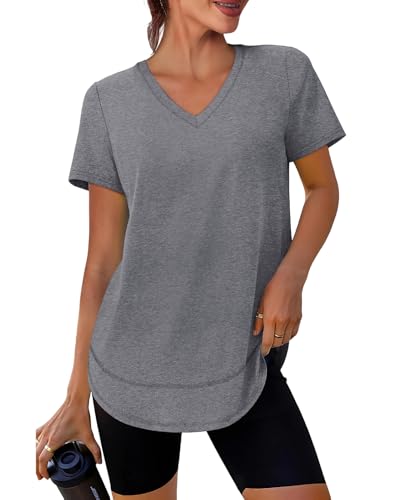
Fabric composition remains the single most critical factor when deciding what shirt to wear on outdoor paths. Synthetic textiles like polyester and nylon possess hydrophobic properties, meaning the individual fibers naturally resist absorbing liquid. Tops crafted with a blend of polyester and spandex, such as the XIEERDUO Spring Summer Tops for Women Short Sleeve, leverage these synthetic qualities to pull sweat away from the torso while maintaining multidirectional stretch. Because the fabric fibers do not swell with liquid, synthetic shirts dry remarkably fast even under intense sun or high physical exertion.
Cotton operates in the exact opposite manner due to its hydrophilic cellulose structure. Cotton fibers absorb water readily and can hold many times their weight in moisture, trapping sweat against the hiker’s skin for hours. When cold winds sweep across an exposed summit, this saturated fabric pulls heat away from your torso at an alarming rate, substantially increasing the risk of hypothermia. For this reason, seasoned hikers generally avoid pure cotton base layers whenever venturing into remote backcountry zones or cooler mountain environments.
Graphic shirts and casual tees, including the Faith Can Move Mountains Shirt Women Letter, incorporate cotton blends to deliver a soft hand feel and relaxed everyday comfort. These lifestyle tops work nicely for gentle strolls around local municipal parks, front-country camping trips, or casual town outings where exposure risks remain minimal. However, as trail distance, elevation gain, and backcountry commitment increase, transitioning to technical synthetic fibers becomes necessary to safeguard your stamina and personal comfort.
Ultraviolet Protection and Sun Defense on Exposed Ridges
Hikers frequently encounter intense solar radiation along exposed ridgelines, alpine meadows, and open desert washes where tree cover disappears. Standard light-colored clothing often lets harmful ultraviolet rays pass directly through loosely woven threads, particularly when the fabric stretches or becomes damp with sweat. Certified sun-protective tops solve this problem by incorporating tight knit weaves and specialized treatments that block both UVA and UVB rays. Garments rated at UPF 50+ prevent approximately ninety-eight percent of ultraviolet radiation from penetrating through to the skin.
Sun protection remains just as crucial during high-altitude treks where thinner atmosphere provides less natural filtering against solar intensity. Relying solely on sunscreen can prove problematic because heavy sweating and pack strap friction quickly wipe topical lotions away from shoulders and collars. Wearing a dedicated UPF 50+ athletic shirt offers continuous, passive defense that does not wash off during steep ascents. This protective layer reduces skin damage and helps prevent fatigue brought on by prolonged sun exposure.
Combining ultraviolet protection with breathable fabric construction ensures you stay shielded without overheating in warm conditions. Loose athletic cuts allow cooling breezes to circulate under the garment, promoting natural evaporative cooling while blocking direct sunlight. Choosing a light-colored or neutral shade further deflects heat absorption on sun-drenched trails. Integrating sun-rated apparel into your warm-weather setup keeps you comfortable and focused on the miles ahead.
Garment Ergonomics: Mobility, Hem Design, and Strap Friction
Trail shirts must accommodate continuous upper-body motion, whether you are swinging trekking poles, reaching for rocky handholds, or adjusting heavy pack straps. A restrictive fit across the shoulders can lead to muscle tightness, chafing, and limited mobility over long trail days. Athletic designs that incorporate spandex into polyester knits provide dynamic four-way stretch, ensuring the garment moves in tandem with your natural gait. This flexibility prevents fabric binding and enhances total upper-body comfort on technical terrain.
Hem architecture plays a subtle yet vital role in how well a shirt interfaces with your backpack. Standard boxy t-shirts often ride up above the waistline when you walk with a weighted pack, leaving bare skin exposed to rough hip belts. Tops featuring curved hems, side slits, and slightly dropped back panels stay neatly tucked or rest flat across the pelvis without bunching. This elongated coverage shields your lower back and hips from abrasive friction throughout long mileage days.
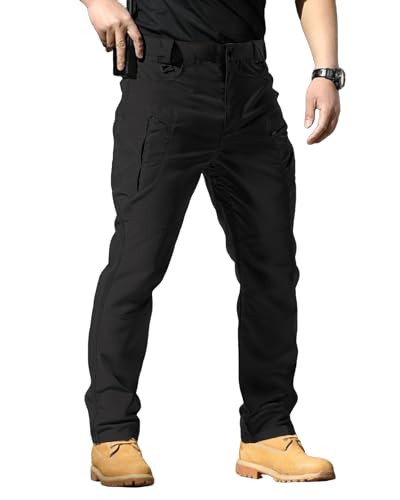
Seam placement also demands close attention because loaded shoulder straps press down firmly on your collarbone and upper back. Raised or abrasive seams can dig into skin under fifteen to thirty pounds of backpack weight, producing raw friction hot spots. Smooth seam construction and relaxed silhouettes help disperse pressure evenly across your torso. Pairing an ergonomic top with durable bottoms, like dedicated hiking pants, creates a smooth transition zone at your waist that minimizes chafing under loaded pack belts.
Layering Systems: Integrating Shirts into Variable Trail Climates
A reliable hiking shirt serves as the foundational base layer within a versatile three-part outdoor clothing system. In warm summer conditions, a short-sleeve athletic top works exceptionally well as your standalone outer layer. When morning temperatures drop or alpine winds pick up, that same shirt must transfer body vapor seamlessly into an insulating mid-layer like fleece or active synthetic fill. If your base layer traps moisture, mid-layers will absorb that dampness and lose their ability to trap warm air.
Inclement weather demands the addition of a waterproof shell, which elevates the importance of your base shirt even further. Even breathable rain shells struggle to expel heavy interior condensation when you exert maximum effort climbing steep slopes. A synthetic base layer pulls perspiration away from the skin immediately, preventing damp fabric from clinging uncomfortably to your chest and back. This thermal barrier protects your skin from cold condensation running down the inside of an outer shell.
Packing for extended wilderness adventures requires careful gear selection where every garment must justify its weight inside your pack. When curating a multi-day backpacking packing list, choosing quick-drying synthetic shirts allows you to rinse tops in camp streams and dry them overnight on tent lines. Cotton garments take hours or even days to dry in humid or cool conditions, adding unnecessary wet weight to your load. Fast-drying tops keep your pack light and ensure you always have dry clothing ready for the trail.
Proper Care and Laundering to Extend Garment Lifespan
Maintaining the technical performance of trail shirts requires following manufacturer laundry guidelines closely. For synthetic garments like the polyester and spandex top from XIEERDUO, washing in cold water on gentle cycles protects elastic fibers from heat degradation. Air drying or tumble drying on low settings prevents fabric pilling and keeps the garment supple season after season. Hand washing in cold water remains a smart option when you want to extend the life of delicate athletic weaves.
Standard household laundry practices can inadvertently damage the moisture-wicking properties of technical synthetic apparel. Liquid fabric softeners work by depositing a thin, waxy coating over yarn fibers to create an artificial sensation of softness. This waxy layer clogs the microscopic channels between polyester threads, severely compromising the shirt’s ability to wick sweat away from the body. Using a gentle, residue-free laundry detergent preserves breathability and ensures your technical shirts perform as intended.
Graphic camping tees and cotton blends, such as the SUTEFAYECO mountain adventure shirt, require their own specific care protocols. Washing inside-out in cold water protects graphic letter prints from premature cracking and fading over time. Avoiding chlorine bleach and drying the shirt flat prevents fabric shrinkage and helps preserve the structural integrity of the cotton blend. Proper garment care guarantees that both your technical tops and casual camping apparel remain comfortable and trail-ready for years.
Selecting the Ideal Trail Shirt for Your Next Trek
Determining what shirt to wear for hiking ultimately hinges on matching fabric performance to your specific itinerary, anticipated weather, and physical exertion level. High-output ascents in direct sunlight call for lightweight synthetic tops with built-in UPF sun defense, rapid moisture transfer, and generous elastane stretch. These performance attributes keep you dry, reduce skin irritation, and shield you from harsh solar exposure across rigorous mountain terrain. Relaxed graphic cotton blends remain charming choices for gentle nature walks, campground evenings, and casual weekend travels.
Before packing your gear and heading toward the trailhead, take a moment to evaluate your overall trail system from top to bottom. Ensure your chosen shirt fits comfortably without chafing around the underarms, rides smoothly beneath your backpack straps, and coordinates with your seasonal layering pieces. Checking the local mountain forecast for sudden temperature shifts will help you decide between short-sleeve ventilation and packable insulation. Equipping yourself with thoughtful, performance-focused apparel ensures you stay comfortable, protected, and prepared for every mile of the journey.


Write Your Review
No reviews yet. Be the first to share your experience!