


Mountain weather can turn from brisk sunshine to freezing sleet within minutes, forcing hikers to evaluate whether their packable insulation can double as storm gear. Many hikers ask %are packable down jackets waterproof% when assembling a lightweight pack for variable conditions. In truth, ultralight insulated puffers are engineered for warmth and compressibility rather than sustained foul-weather shielding. Relying on an insulated mid-layer to repel torrential rain often leads to saturated fill, which quickly compromises thermal efficiency and increases the risk of hypothermia.
Planning a dependable trail layering system requires understanding how exterior shell fabrics, durable water repellent coatings, and baffle stitching interact with moisture. A dedicated hardshell prevents external precipitation from soaking your insulating core, while your packable puffer traps body heat during chilly summit rests. Before heading into unpredictable terrain, reviewing a comprehensive checklist for multi-day backpacking trips can help clarify which garments handle warmth and which handle storm protection. Balancing pack weight with proper foul-weather gear ensures you remain safe and comfortable across every elevation change.


Understanding Weather Resistance and Packable Insulation on the Trail
The short, direct answer to whether packable down jackets are waterproof is no; virtually all packable puffers are merely water-resistant. Outdoor gear manufacturers construct these lightweight garments using tightly woven nylon or polyester face fabrics treated with a surface chemical repellent. This initial barrier sheds brief mist or light flurries, but sustained rainfall quickly pushes through both the fabric weave and needle holes. Understanding this design reality is critical for maintaining body warmth, as wet insulation rapidly loses its ability to trap heat, leaving hikers exposed to dangerous chill.
The Fundamental Difference Between Water-Resistant and Waterproof Fabrics
True waterproof outdoor apparel relies on continuous barrier membranes, such as laminated polyurethane or expanded polytetrafluoroethylene films, bonded directly to durable face textiles. These specialized membranes feature billions of microscopic pores per square inch that physically block liquid water droplets while permitting smaller perspiration vapor molecules to vent outward. In contrast, packable insulated jackets utilize plain-weave textiles that rely entirely on chemical surface finishes to create hydrophobic tension. While this surface treatment causes incidental moisture to bead up and roll away, it lacks an impenetrable physical barrier capable of stopping driving rainfall.
Water-resistant shells excel in cold, crisp air or intermittent mountain flurries where dense waterproof laminates would feel overly clammy and restrictive. The unlaminated structure of a water-resistant face fabric provides greater air permeability than a static waterproof-breathable membrane. This increased airflow helps regulate core temperatures during moderate activity, preventing internal perspiration from building up against your skin. However, once precipitation transitions from a passing fog into steady rain, water inevitably penetrates the exterior weave and saturates the vulnerable insulating core beneath.
Hydrostatic Head and Hydraulic Pressure Under Pack Straps
Water resistance and waterproofness are distinguished in technical textiles by how much hydraulic pressure a fabric can endure before water permeates the fibers. Standard waterproof rain shells are rated to withstand thousands of millimeters of water column pressure before allowing a single droplet to pass through. Packable puffers, by contrast, possess negligible resistance against direct fluid pressure because their shell fabrics are unbonded and microporous membranes are absent. Even if water beads effortlessly while you stand still under light drizzle, any external force breaks the surface tension immediately.
This limitation becomes immediately apparent the moment a hiker shoulders a loaded backpack in damp weather. Heavy backpack shoulder harnesses and padded hip belts exert continuous mechanical pressure against the jacket’s exterior nylon shell. This downward force drives standing surface water straight through the woven fibers, a process known as pressure-induced strike-through. As moisture is forced past the shell, it directly saturates the compressed insulation chambers beneath the harness, accelerating heat loss across your shoulders and lower back.
How Natural Down Reacts to Moisture and Wet-Out Conditions
Natural down plumage provides an unbeatable warmth-to-weight ratio by expanding into multidimensional, three-dimensional filament clusters that trap pockets of warm, motionless air. However, untreated down feathers are exceptionally vulnerable to moisture because natural plumage absorbs water readily when exposed to persistent dampness. When liquid water reaches these delicate clusters, surface tension collapses the fine barbules inward, transforming voluminous loft into a dense, soggy clump. Once down clusters flatten, the jacket loses virtually all of its thermal insulation capacity and ceases to protect the wearer.
A saturated down garment creates a serious backcountry risk because wet feathers conduct body heat away from your core significantly faster than dry air. Furthermore, natural plumage dries remarkably slowly under wilderness conditions, often requiring hours of warm sunshine or mechanical tumbling that remote trails cannot provide. Even jackets featuring factory-treated hydrophobic down merely delay water absorption rather than preventing saturation under sustained downpours. Relying on an unprotected down puffer during a mountain rainstorm can quickly initiate shivering and accelerate the onset of hypothermia.
Synthetic Insulation Performance in Damp Environments
Synthetic insulation alternatives offer a far more forgiving performance profile when exposed to high humidity, blowing precipitation, or intense sweat production. Rather than utilizing natural bird plumage, synthetic puffers rely on continuous-filament or short-staple polyester strands engineered to mimic natural loft. These synthetic fibers are inherently non-absorbent, meaning they shed water along their surfaces rather than drawing moisture into the fiber core. Even when moisture permeates the outer shell fabric, the resilient polyester matrix resists structural collapse and maintains open air spaces.
Because synthetic fibers retain their structure when damp, they continue trapping a measurable portion of metabolic body heat even in wet trail conditions. The Outdoor Ventures Women’s Packable Lightweight jacket uses high-tech synthetic insulation specifically engineered to insulate against cold air and retain warmth in milder, damp weather. Synthetic fill also dries much faster than natural plumage once rain stops or when hung inside a ventilated shelter. While synthetic garments are generally slightly heavier and less compressible than high-fill-power down, their reliable wet-weather performance makes them a dependable choice for wet shoulder-season treks.
Baffle Stitching, Needle Holes, and Seam Leakage Mechanics
The characteristic quilted chambers on packable jackets are structural necessities engineered to prevent loose insulation from shifting into uneven cold spots. Garment makers sew lines of stitching across the shell, dividing the garment into horizontal or patterned channels that hold the fill in place. Unfortunately, every single quilted line represents hundreds of needle punctures that penetrate straight through the outer shell, insulation layer, and inner lining. Even if the face fabric features an exceptional water-repellent coating, falling precipitation immediately finds these needle holes and bypasses the fabric barrier.
Dedicated rain shells solve this vulnerability by applying heat-welded waterproof tape across every interior seam line during manufacturing. Seam taping across the intricate, narrow baffles of an ultralight packable jacket is practically impossible, as the added tape would dramatically stiffen the jacket and add substantial pack weight. Because manufacturers prioritize lightweight compressibility and natural drape, they leave quilted puffer seams completely untaped. In sustained rain, water travels along the sewing threads via capillary action, wetting the interior lining and mid-layer within minutes.
Shell Textile Dynamics: Comparing Nylon and Polyester Weaves
The exterior shell fabric of a packable jacket plays a crucial role in balancing wind resistance, pack weight, and basic moisture shedding. Most technical puffers employ plain-weave or micro-ripstop fabrics constructed from either nylon or polyester yarns. Nylon provides outstanding tensile strength, allowing manufacturers to use extremely fine yarns that resist abrasion from rock scrapes and pack straps without adding bulk. Polyester offers exceptional colorfastness, resists ultraviolet degradation over long summer hikes, and absorbs significantly less moisture than nylon when damp.
These textile variations are evident across popular trail layers designed for lightweight travel and seasonal day hiking. For example, solid colorways of the Amazon Essentials Women’s Lightweight Long-Sleeve jacket utilize a 100 percent nylon plain-weave shell, whereas printed styles employ durable polyester fabrics. Both shell materials are treated with water-resistant surface coatings to handle damp, chilly weather without weighing down your pack. However, neither fabric weave can block sustained rainfall on its own, reinforcing the necessity of carrying a dedicated waterproof outer layer.
Layering Architecture: Integrating Puffers Under Storm Shells
Backcountry clothing systems function most effectively when garments are deployed in a modular, three-tier layering strategy. In this architecture, a synthetic or merino wool base layer wicks perspiration from your skin, an insulated mid-layer captures radiant body heat, and an outer shell seals out precipitation. Your packable puffer is engineered to fulfill the static insulating role when resting at exposed view points or sitting around camp. When storms roll across the ridge, your insulated jacket should always be shielded beneath a fully seam-taped, waterproof-breathable rain jacket.
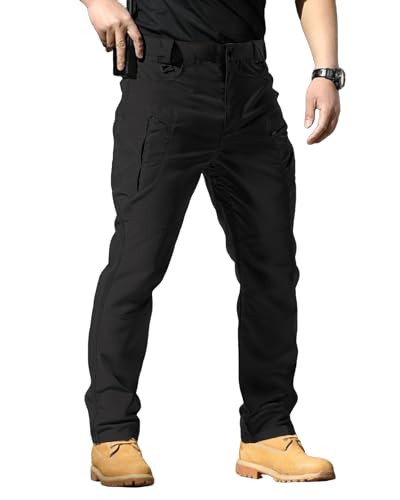
Proper fit coordination ensures that this multi-layer defense functions properly without compressing internal insulation loft or restricting trail agility. Your rain shell must feature sufficient volume through the torso and sleeves to accommodate a puffy comfortably without crushing the baffle chambers. Just as hikers prioritize lower-body trail protection by wearing long pants on the trail to fend off abrasive brush and wet vegetation, your upper body demands coordinated weather protection. Wearing an insulating layer as an exposed outer barrier in heavy rain invites rapid wetting out and thermal collapse.
Design Features and Packability in Everyday Trail Jackets
Practical trail jackets balance light weather defense with ergonomic features that make packing and deploying them effortless throughout a day hike. The Amazon Essentials Women’s Lightweight Long-Sleeve jacket emphasizes clean layering versatility with a stand collar, elasticized cuffs, and secure zippered pockets. This piece compresses neatly into an included drawstring carry pouch, making it easy to store in the top lid of a daypack for quick access when summit winds kick up. Elastic cuffs and flattering contoured seams help seal out drafts while fitting smoothly underneath roomier rain jackets.
Other designs offer self-contained packing configurations that eliminate the possibility of misplacing a separate stuff sack while on the move. The Outdoor Ventures Women’s Packable Lightweight jacket folds neatly into its own left-side zippered pocket, converting into a compact zippered pouch. It also features an insulated hood, an elasticized hem to block rising breezes, and a chin guard along the center zipper to prevent chafing. Having immediate access to a warm, wind-blocking layer with generous pocket storage allows hikers to manage shifting temperatures seamlessly between ascents and rest stops.
Technical Washing Protocols and Restoring Surface Beading
Preserving the water-resistant performance of an insulated jacket requires specialized laundering habits that protect delicate technical coatings. Standard household laundry detergents contain optical brighteners, artificial scents, and aggressive surfactants that leave behind moisture-attracting residues on synthetic fabrics. These chemical residues coat the exterior fibers, causing precipitation to soak into the face fabric rather than beading up cleanly. Hikers should always wash technical puffers with specialized, residue-free technical apparel washes designed for synthetic insulation and water-repellent shells.
Over extended trail seasons, friction from pack straps and accumulated body oils inevitably break down the factory-applied durable water repellent coating. You can often reactivate this surface treatment by tumbling the freshly cleaned jacket on low heat in a clothes dryer for fifteen to twenty minutes. If water droplets still flatten and soak into the outer shell rather than rolling off, apply a specialized spray-on reproofing treatment while the garment is damp. Restoring this hydrophobic finish ensures that light flurries and morning mist continue to bead cleanly away from the seams.
Field Moisture Management and Backcountry Safety Strategies
Safely exploring mountain trails requires realistic expectations regarding what water-resistant garments can realistically endure during extended outings. An ultralight packable jacket remains an essential backcountry tool for stationary warmth, early-morning starts, and crisp descents, but it should never be tasked with storm protection. Outfitting your complete apparel kit by evaluating dedicated hiking pants provides full-body defense, keeping your legs shielded from moisture while technical shells protect your torso. Treating each garment as an integrated component of a broader clothing system prevents critical gear failures in foul weather.
Always inspect regional weather forecasts and pack an appropriate seam-taped rain shell whenever you venture into variable mountain terrain. Stowing your packable puffer inside a dry bag or waterproof pack liner guarantees that you will have dry, lofted insulation waiting when you set up camp. Knowing how your insulation behaves around moisture allows you to deploy layers proactively before dampness compromises your core temperature. Thoughtful layering, diligent gear care, and respecting fabric limits ensure you stay warm, comfortable, and safe on every trail adventure.


Write Your Review
No reviews yet. Be the first to share your experience!