


Reaching an exposed mountain ridge after a steep, sweaty climb often brings an immediate chill as mountain winds strip away body heat. Backpackers and day hikers frequently question whether ultralight, compressible outerwear can truly protect against brisk conditions without adding excessive bulk to their packs. When hikers ask are packable jackets warm, the answer lies in understanding how modern lightweight insulation traps thermal energy while taking up minimal space in a backpack.
Today’s packable outerwear relies on dense synthetic filaments, baffle engineering, and tightly woven shells to provide reliable warmth during stationary trail breaks, shoulder-season morning departures, and casual cold-weather travel. Pairing these compressible garments with proper base layers and weather protection prevents dangerous hypothermia and avoids internal clamminess. For those organizing an extended backcountry journey, pairing an efficient mid-layer with a verified three-night backpacking checklist ensures you maintain core comfort without carrying unnecessary pack weight.


Understanding Warmth, Insulation, and Packable Jacket Performance
Packable jackets deliver impressive warmth for their weight, provided hikers understand their operational limits and use them correctly. These garments are engineered to create a microclimate of trapped air around the torso while compressing down to the size of a water bottle. Their ability to keep you comfortable depends heavily on the surrounding weather, your level of physical exertion, and how well you integrate the jacket into a modular layering system.
How Low-Bulk Insulation Traps Body Heat
Insulation inside packable puffers works by capturing warm air generated by your metabolism within tiny fiber pockets. Garments like the CANADA WEATHER GEAR Womens Puffer Jacket utilize specialized thermal fill, such as Glacier Shield insulation, designed to hold loft and prevent cold spots from forming across the shoulders and chest. By holding pockets of non-circulating air between your skin and the cold outside atmosphere, these synthetic fills dramatically slow down conductive heat loss.
Down alternative fills mimic the structural cluster shape of natural plumage while offering distinct benefits for variable outdoor environments. Synthetic cluster fibers maintain their lofted architecture even when confronted with damp trail moisture or perspiration, unlike untreated natural down which clumps and collapses when wet. This reliable loft retention makes synthetic puffers a practical choice for humid forests, alpine drizzles, and high-output trail activities where sweat accumulation is inevitable.
Quilted baffle construction keeps the insulation evenly distributed across the entire jacket body. Without these stitched channels, loose fill would settle toward the waistline under gravity, leaving the shoulders and upper back exposed to biting drafts. Garments with structured, tightly spaced quilting ensure consistent thermal coverage across all zones without adding unnecessary bulk or weight to your pack.
Active Exertion Versus Static Rest Warmth
A common hiker mistake involves wearing a warm packable puffer during high-output uphill climbs. Working hard against gravity generates immense metabolic heat, causing moisture to build up rapidly inside non-breathable quilted layers. This internal sweat saturates base layers and leaves you vulnerable to rapid chilling once movement stops.
Packable puffers excel as static thermal layers deployed during stationary moments on the trail. Pulling a jacket like the CANADA WEATHER GEAR Mens Puffer Jacket – Packable out of your pack at a windy viewpoint immediately locks in radiant heat before cold air penetrates your damp trail shirt. Experienced hikers keep their packable jackets near the top of their packs to slip on during brief trail breaks, transition zones, or chilly morning camp chores.
Stripping off the insulated jacket before resuming steep ascents preserves thermal balance and fabric freshness. Managing your layers proactively avoids the clammy interior condensation that occurs when synthetic insulation is overwhelmed by body vapor. Packable jackets provide warmth when you are resting, but active breathability requires shedding them during heavy exertion.
The Critical Protective Role of Wind-Resistant Outer Shells
Trapped warm air within an insulated jacket is easily compromised if ambient wind cuts through the outer fabric. Convective cooling occurs when stiff mountain gusts blow directly through loose weaves, sweeping away the microclimate of heated air your body worked hard to create. For this reason, the outer shell fabric plays an equal role alongside the internal fill in determining overall warmth.
Most technical packable jackets feature tightly woven nylon or polyester face fabrics designed to deflect biting winds. The Amazon Essentials Women’s Lightweight Long-Sleeve utilizes a durable plain-weave nylon shell for solid colors, effectively blocking brisk breezes from penetrating through the insulation baffles. Tightly structured nylon panels also resist abrasion from casual branch contact and lightweight daypack straps.
A wind-resistant shell allows thin layers of insulation to punch far above their weight class in cold, breezy environments. By shielding the lofted core from windchill, the shell preserves internal temperatures even along exposed ridges and open shorelines. Without this wind barrier, even dense insulation feels shockingly cold in moving air.
Water-Resistant Coatings Versus Full Storm Protection
Water-resistant finishes are standard on many packable puffers, but hikers must distinguish water resistance from true waterproofing. Garments like the Polu Mens Lightweight Puffer Jacket with Hood feature treated nylon outer fabrics capable of shedding light mist, brief snow flurries, and passing drizzles. Surface treatments cause water droplets to bead up and roll off rather than immediately soaking into the face fabric.
However, packable puffers are not built with seam-taped waterproof membranes and cannot withstand prolonged, heavy downpours. Continued rain will eventually penetrate the stitched baffle seams, saturating the interior fill and chilling the hiker underneath. In steady rain, a dedicated waterproof hardshell must always be layered directly over your packable puffer.
Relying on a packable puffer as your sole storm layer in freezing backcountry conditions creates serious hypothermia risks. While synthetic fills continue to insulate when damp better than natural down, soaking-wet insulation saps body warmth far faster than dry fabric. Always pack a taped waterproof jacket when wet weather is forecasted on wilderness routes.
Draft Prevention: Evaluating Hoods, Collars, and Hem Seals
Significant thermal energy escapes through open jacket hems, loose cuffs, and unsealed necklines via the chimney effect. When cold air enters around the waistline, it pushes warm air up and out through the collar, creating continuous heat loss. Secure perimeter seals are essential for maximizing the thermal efficiency of low-bulk outerwear.
Elasticized construction details solve this problem by gently hugging the body without adding bulky drawcord hardware. Models like the Outdoor Ventures Women’s Packable Lightweight incorporate elasticized cuffs and bottom hems that seal against drafts automatically. Features like a front zipper garage at the chin also prevent cold metal sliders from irritating sensitive skin during brisk winds.
Insulated hoods provide substantial additional warmth by shielding the head, ears, and neck from cold air. Because substantial body heat radiates from the head, pulling on a close-fitting insulated hood creates instant thermal comfort without requiring extra clothing. For collar-only styles, pairing the jacket with a dense technical beanie and a neck gaiter provides equivalent draft protection.
Packability Dynamics: Stow Pockets, Stuff Sacks, and Loft Retention
Compressibility is the defining characteristic that separates packable puffers from traditional winter parkas. Jackets designed for rapid stowage compress into tiny parcels that slide effortlessly into daypacks, gym bags, or carry-on luggage. This convenience ensures hikers actually carry their warm layer instead of leaving it behind to save space.
Manufacturers employ two primary packing methods: dedicated accessory pouches and integrated self-stowing pockets. The Outdoor Ventures Women’s Packable Lightweight offers versatility by folding into its own zippered left pocket while also including an optional drawstring pouch. Self-stowing pocket designs eliminate the risk of misplacing a separate stuff sack while packing up along the trail.
While repeated compression is convenient, packing and unpacking puts stress on synthetic insulation fibers over time. Quality fills are engineered to spring back to full thickness quickly after being unpacked, restoring their thermal air-trapping capacity. To preserve long-term loft, store your jacket uncompressed on a wide hanger at home rather than leaving it crammed inside its travel pouch between trips.
Building an Adaptable Three-Part Layering System on Trail
A packable jacket performs best when treated as an adaptable component of a classic three-part outdoor layering system. Next to your skin, a moisture-wicking synthetic or merino wool base layer moves sweat away from your body before it can cause a chill. Over this base, a packable puffer serves as your primary thermal barrier, trapping heat while allowing moisture vapor to move outward.
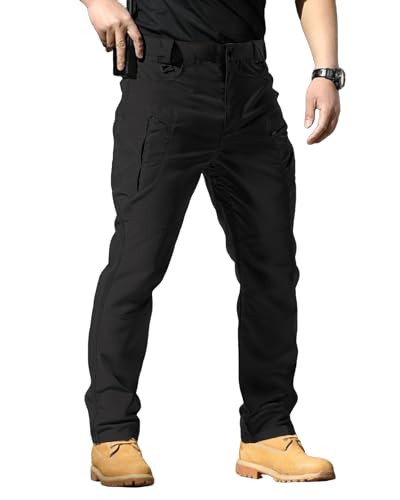
Complete weather protection requires pairing this upper-body insulation with reliable trail bottoms and proper storm gear. When determining your trail wardrobe, our guide on wearing long pants on trail highlights the importance of shielding your legs from brush abrasion and cold winds. If stormy skies threaten, slipping a breathable waterproof rain shell over your puffer creates an impenetrable barrier against wind and rain.
Fit selection directly impacts how well a packable jacket layers with other outdoor garments. A regular fit that contours comfortably through the chest and waist allows room for a light fleece underneath without compressing the puffer’s insulation baffles. Jackets that are cut too tightly restrict movement and squeeze out insulating air, reducing total warmth.
Pocket Architecture and Practical Field Utility
Thoughtful pocket layouts improve both thermal comfort and trail convenience during cold-weather outings. Zippered hand pockets lined with smooth fabric provide an immediate refuge for cold fingers when trail winds pick up. Keeping hands warm maintains dexterity for operating trekking poles, map navigation, and adjusting pack straps.
Interior pockets offer secure storage for cold-sensitive electronics, water filters, and energy snacks. The Polu Mens Lightweight Puffer Jacket with Hood features three interior drop pockets alongside its zippered hand pockets, providing space for bulky trail essentials. Stashing your smartphone inside an insulated interior pocket prevents freezing temperatures from rapidly draining its lithium battery.
Zipper hardware should operate smoothly even when your fingers are chilled or covered by gloves. The CANADA WEATHER GEAR Womens Puffer Jacket includes high-contrast, textured zipper pulls that allow for quick on-and-off layering transitions. Smooth-gliding zippers prevent snagging on thin nylon baffle fabrics during quick temperature adjustments.
Garment Maintenance and Restoring Insulation Loft
Body oils, sweat salts, and trail dust naturally accumulate on technical outerwear, causing insulation fibers to mat down over time. As synthetic filaments become coated with grime, they lose their springy resilience and fail to trap warm air effectively. Regular, gentle laundering restores fiber loft and maintains the jacket’s original thermal performance.
Always wash packable puffers in a front-loading machine using a gentle cycle and mild technical detergent. Avoid standard liquid detergents with heavy fragrances or fabric softeners, as these chemical agents coat synthetic fibers and degrade exterior water-resistant treatments. Fasten all zippers and pocket closures before washing to prevent snagging the delicate shell fabric.
Drying on low heat with clean wool dryer balls helps fluff the synthetic fill and break up any damp clumps that form during the spin cycle. Gentle warmth also reactivates the exterior water-resistant coating, helping raindrops bead up cleanly once again. Storing the clean, fully dried jacket in a breathable space ensures it remains ready for your next outdoor excursion.
Packable jackets provide an exceptional balance of warmth, weather resistance, and compressible packability for outdoor enthusiasts and daily commuters alike. When matched with moisture-wicking base layers and pulled on during trail rests, these lightweight puffers deliver dependable cold-weather protection without weighing down your pack.


Write Your Review
No reviews yet. Be the first to share your experience!