


Steep mountain descents place immense compressive pressure on knees, hips, and ankles with every downward step. Backpackers frequently turn to walking poles to redistribute pack weight to the upper body and maintain reliable balance over loose rock. Determining whether are carbon fiber trekking poles better than aluminum depends heavily on your typical trail terrain, daily mileage, and tolerance for gear weight. Pairing reliable walking sticks with supportive hiking pants for knee strain helps offload repetitive joint shock across long wilderness miles.
Carbon composite shafts provide noticeable vibration dampening and lighter swing weight, making them a favorite for fast-moving hikers. In contrast, aircraft-grade aluminum delivers ductile toughness that bends rather than snaps when wedged tightly between boulders. Stowing collapsible poles securely inside travel gear is also easier when consulting a dedicated carry-on backpack capacity guide before departing for distant trailheads. Understanding the physical tradeoffs between these two materials ensures you select the safest and most efficient tool for your backcountry adventures.

Pros
- Lightweight carbon fiber shaft keeps total carried weight low on long hikes
- Comfortable cork handles wick moisture effectively during warm-weather ascents
- Fast and reliable quick-lock clamps make height adjustments simple on the move
- Generous accessory package covers varied surfaces from pavement to deep snow
- Includes a travel carry bag and pole clip for organized transport and pack storage
Cons
- Minimum collapsed length of 26 inches extends beyond the frame of compact daypacks
- Carbon fiber shafts can fracture if subjected to severe lateral leverage or rock jams
- Quick-lock tension screws require occasional manual tightening to avoid slippage
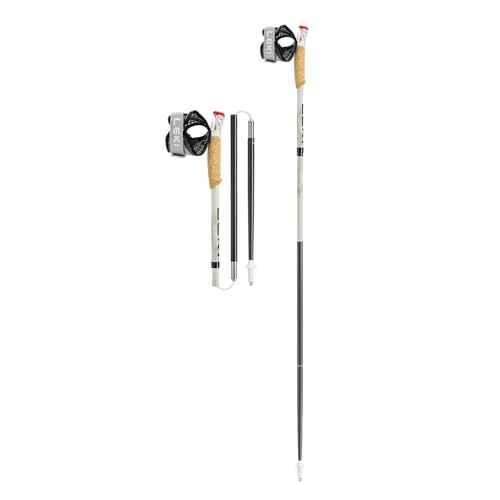
The Cascade Mountain Tech Carbon Fiber Trekking Poles are three-section telescoping trail sticks engineered for day hikers, weekend backpackers, and thru-hikers who want to minimize pack weight without paying premium prices. Weighing roughly 8.1 oz per pole, these carbon fiber hiking sticks serve as high-utility trail equipment that easily complements daypacks, overnight packs, and ultralight gear setups. For hikers traversing uneven switchbacks, descending loose scree, or fording streams, these poles provide essential stability, help maintain rhythm, and distribute physical effort across the upper body.
Adjustability is handled through a pair of external quick-lock lever clamps on each shaft, allowing the poles to extend from a 26-inch collapsed length up to a maximum height of 54 inches. This broad adjustment range accommodates a wide variety of hiker heights and allows fast on-trail modifications when alternating between steep uphill climbs and controlled downhill descents. The quick-lock design enables swift height changes in cold or wet conditions without requiring the frustrating twisting motions typical of internal expander mechanisms. When stowed, the 26-inch collapsed size slides easily into backpack side pockets and secures under side compression straps.
Shaft construction centers on lightweight carbon fiber tubing, which provides natural vibration dampening that helps lessen shock on wrists, elbows, and shoulders over long miles. The main handles are built with contoured natural cork that wicks sweat and molds comfortably to your grip over time. Below the cork handle, an extended lower grip offers a soft secondary surface for your hands, allowing you to choke down momentarily on steep ascents without stopping to shorten the shafts. At the base, hard tungsten carbide tips offer reliable bite on hard-packed soil and slick rock, while the adjustable wrist straps keep the grips secure in hand.
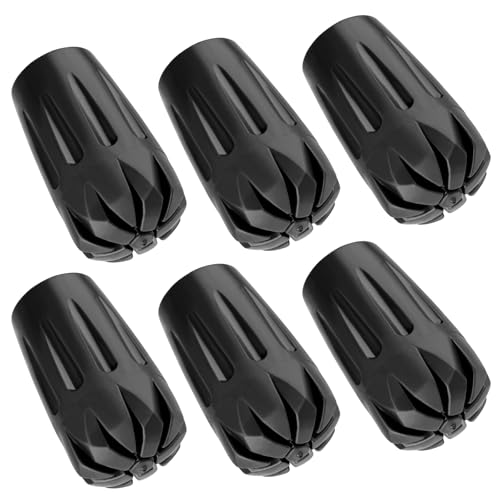
A notable advantage of this Cascade Mountain Tech set is the complete accessory package supplied in the box. Hikers receive protective rubber tips and rock boot tips for hard surfaces or asphalt road walking, wide mud and sand baskets for soft backcountry trails, and larger snow baskets for winter snowshoeing or shoulder-season drifts. A storage clip holds the poles together during transport, and the included drawstring carry bag protects your vehicle interior and hiking pack fabric from sharp tip abrasion when travelling to and from the trailhead.
While carbon fiber provides an excellent stiffness-to-weight balance, it has practical material tradeoffs compared to heavier aluminum poles. Carbon fiber tubing can crack or snap catastrophically if caught in a deep rock crevice and subjected to extreme sideways bending leverage. Additionally, the 26-inch minimum length is longer than folding Z-pole designs, meaning the poles will stick out above smaller 15-to-20-liter daypacks when strapped to exterior loops. Hikers should also verify and adjust the thumbscrew tension on the quick locks prior to major trips to ensure the clamps stay firmly locked under full body weight.
For beginner hikers, section backpackers, and budget-conscious trail enthusiasts, the Cascade Mountain Tech Carbon Fiber Trekking Poles deliver dependable build quality and exceptional real-world utility. They combine the premium touch of moisture-wicking cork handles with rapid length adjustment and an accessory bundle that many brands sell separately. If you need a reliable, lightweight set of hiking sticks that mounts easily to your backpack and handles multiple seasons of trail use, this package represents one of the strongest values available.
These Cascade Mountain Tech poles feature an adjustable length range spanning from 26 inches up to 54 inches, making them adaptable to most adult hikers as well as growing teenagers. Clear increment markings printed along the upper and lower shaft sections make it easy to align both poles to matching heights after deploying them from your backpack.
The external quick-lock levers can be opened and closed easily, even while wearing trail gloves. If the shafts slide under heavy downward pressure, the integrated tension thumbscrew can be tightened by hand to restore firm clamping force. The padded, adjustable wrist straps can be lengthened or shortened quickly to provide balanced wrist support and prevent hand fatigue during long downhill sections.
At a collapsed length of 26 inches, these poles are designed to attach externally to most medium and large hiking backpacks using standard trekking pole loops, bungee keepers, or lower side compression straps. Placing the pole tips into a side water bottle pocket and securing the shafts with upper compression straps keeps them stabilized against your pack body during bushwhacks or scrambles.
For travel and off-season storage, the included carry bag encloses the complete set to prevent carbide tips from puncturing gear, car upholstery, or luggage liners. The set also comes with a plastic dual-pole clip that snaps the shafts together, preventing loose rattling inside a gear bin or trunk between weekend trail outings.
The package comes equipped with an extensive assortment of interchangeable trail tips and baskets, allowing the poles to adapt to diverse terrain and seasonal weather. The pre-installed tungsten carbide tips provide direct purchase on trail dirt, roots, and bedrock for backcountry hiking.
For paved surfaces, neighborhood walking, or slick rock slabs, the set includes standard rubber tips and angled rubber boot tips that enhance friction and prevent carbide wear. When conditions turn soft, the small mud and sand baskets keep the poles from sinking deep into loose trail beds, while the larger snow baskets provide enough surface area for light winter snowshoeing and cold-weather hiking.
Shaft Material Dynamics: Weighing Carbon Fiber Against Aluminum on the Trail
Choosing between carbon fiber and aluminum poles requires balancing featherweight agility against rugged impact tolerance. Carbon fiber excels at reducing swing weight and absorbing trail vibrations before they reach your wrists. Aluminum provides ductile resilience that bends under pressure rather than shattering when wedged in rocks. Examining how both materials respond to real trail forces reveals which option matches your backpacking style.
Tensile Strength and Failure Modes Under Trail Stress
Carbon fiber composite structures are constructed from woven carbon strands bonded within resin to achieve exceptional axial stiffness. This structural orientation provides outstanding vertical load capacity when you lean heavily on the handles during steep descents. However, composite shafts exhibit lower shear strength against lateral impact, making them vulnerable to snapping if wedged tightly between boulders.
Aluminum shafts, typically formed from aircraft-grade 7075 or 6061 alloys, exhibit ductile mechanical behavior under heavy stress. When subjected to excessive lateral leverage during an unexpected tripping fall, aluminum flexes and bends rather than shattering into sharp splinters. A bent metal section often retains enough structural form to provide basic balance support for the remainder of a trek.
Inspecting carbon fiber shafts after rough outings is essential for remote trail safety. Hairline micro-cracks or localized resin delamination caused by rock strikes can compromise composite strength without showing obvious bends. Aluminum poles resist rough rock abrasion with mere cosmetic scuffs on their anodized finish, giving them higher tolerance for rugged terrain.
Swing Weight Dynamics and Upper Body Energy Conservation
Backpackers often focus exclusively on static pack weight, but swing weight exerts a far greater toll on upper body fatigue over high-mileage days. Swing weight represents the rotational inertia experienced every time your arm pulls the pole forward and plants the tip. Minimizing that repetitive pendulum motion protects your shoulders, wrists, and forearms across long wilderness itineraries.
The Cascade Mountain Tech Trekking Poles utilize lightweight carbon fiber construction to reach a manageable weight of 8.1 ounces per pole. This lightweight design allows backpackers to flick the poles forward effortlessly without straining shoulder muscles on sustained climbs. Thru-hikers pushing long daily distances find that lower swing weight preserves walking cadence from morning until dusk.
Selecting a lighter pole setup also benefits hikers managing chronic shoulder irritation or wrist fatigue. Fluid arm movement without excessive rotational resistance encourages an upright posture and stable trail footing. When paired with an efficient gear setup like a budget hiking backpack overview, lightweight carbon poles keep total fatigue manageable across demanding routes.
Trail Buzz Reduction and Joint Impact Mitigation
Every pole plant transfers mechanical impact energy upward through the shaft into your hands, wrists, elbows, and shoulders. Rigid metal alloys tend to transmit high-frequency vibration, commonly called trail buzz, especially when striking hard granite slabs or compacted gravel roads. Over hours of continuous downhill hiking, this persistent chatter can agitate sensitive wrist tendons and irritate connective tissues.
The internal structure of bonded carbon strands absorbs mechanical shocks before the kinetic energy reaches your palms. Hikers managing wrist discomfort or joint inflammation frequently notice substantial comfort improvements when switching to composite shafts. This natural dampening effect operates continuously on every strike, providing smooth, quiet feedback across rocky trail surfaces.
Grip materials play an equally important role in shock management and hand comfort during warm-weather treks. The Cascade Mountain Tech Trekking Poles incorporate contoured natural cork grips that lower vibration as you step while wicking away sweat. Below the primary handles, an extended foam choke-up sleeve lets you lower your hand position on steep switchbacks without adjusting shaft length.
Locking Mechanism Security and Vertical Load Holding
Shaft material matters very little if the locking mechanism slips unexpectedly under downward pressure. External quick-adjust cam lever locks have largely replaced internal twist expanders because they provide dependable visual security and reliable clamping force. External levers compress an outer collar directly around the nested shaft section, creating substantial friction against vertical slippage.
Maintaining proper clamping tension requires periodic adjustment of the external knurled thumbscrew. Temperature fluctuations can cause shaft materials and plastic collars to expand or contract, slightly altering clamping pressure. Opening the lever and turning the adjustment screw clockwise restores firm holding power without requiring specialized tools in the backcountry.
Performing a quick vertical load test before descending technical terrain is an essential safety habit. Stand on level ground, plant both poles securely, and lean downward with your full upper-body weight while checking the height markings. If either section creeps downward, open the cam lever and tighten the tension screw immediately before moving forward.
Terrain Demands: Scree, Talus, and Boulder Fields
Trail surface conditions dictate whether carbon fiber or aluminum provides the safer performance on any given route. Maintained forest paths, packed dirt switchbacks, and alpine meadows present ideal terrain for lightweight carbon poles. On these uniform surfaces, the danger of wedging a shaft between jagged rocks is low, allowing hikers to maximize swing weight benefits.
Scrambling through loose talus fields, chaotic boulder scree, or dense off-trail brush places extreme mechanical stress on gear. When a pole tip drops into a hidden gap between shifting rocks, the hiker’s momentum creates sudden bending forces across the lower shaft. Aluminum shafts offer greater forgiveness in these unpredictable environments because ductile metal bends under stress rather than shattering.
Equipping poles with appropriate tip accessories significantly improves stability on varying backcountry surfaces. The Cascade Mountain Tech Trekking Poles include tungsten carbide tips for biting into hard dirt and rock, alongside rubber boot tips for slick granite slabs. Sand and mud baskets prevent shafts from sinking deeply into soft marshland, preserving upward momentum and preventing leverage traps.
Four-Season Capability and Sub-Freezing Reliability
Winter mountaineering, snowshoeing, and cold-weather hiking introduce distinct environmental demands for trekking gear. In freezing weather, aluminum shafts conduct cold rapidly, making handles chilly to hold and encouraging frost formation along telescoping sections. Carbon fiber acts as a natural thermal insulator, remaining warmer to the touch and resisting rapid cold transfer in alpine wind.
Operating locking levers while wearing thick winter gloves requires wide, ergonomic cam tabs that resist freezing slush. Quick-lock mechanisms remain vastly superior to twist locks in freezing weather because internal expanders frequently seize up when trapped moisture freezes. Installing wide snow baskets, which come included with the Cascade Mountain Tech Trekking Poles, provides crucial surface flotation over deep snowbanks.
Preventing internal ice buildup inside telescoping shafts requires diligent care after cold-weather outings. Moisture from melting snow can seep past locking collars during daytime travel and refreeze into solid ice when temperatures drop overnight. Disassembling the three shaft sections at camp and wiping away condensation prevents frozen lockups by the following morning.
Ultralight Shelter Pitching and Structural Stability
Many ultralight backpackers rely on trekking poles as structural ridge supports for non-freestanding tarps and tents. Eliminating dedicated tent poles from your pack saves significant weight, but it places unique structural demands on your walking sticks. Trekking poles used as shelter supports must withstand continuous downward compressive force from taut guylines and shifting wind gusts throughout the night.
Usable adjustment range is critical when matching poles to specific shelter designs. The Cascade Mountain Tech Trekking Poles adjust easily between 26 inches and 54 inches, covering common shelter peak heights between 115 and 135 centimeters. Leaving several inches of nested shaft inside each joint prevents wobbling and protects the shelter canopy against sudden collapse during overnight storms.
Tip geometry and handle design also influence shelter stability and canopy preservation. Placing pole handles upward against reinforced shelter apexes prevents sharp metal carbide tips from puncturing thin silicone-treated fabrics. Pairing reliable poles with comfortable trail apparel like lightweight men’s hiking pants creates an efficient, modular backpacking kit that keeps total pack weight low.
Airline Transport Rules and Travel Packability
Transporting trekking poles to distant trailheads requires careful attention to luggage dimensions and airport security rules. Three-section telescoping poles collapse down to roughly 26 inches, fitting neatly onto external pack attachment points or inside standard checked duffels. Backpackers traveling by air must check pack measurements carefully to ensure poles fit securely without stretching exterior seams or poking gear.
Airport security regulations strictly prohibit trekking poles with sharp metal tips inside commercial airline cabin baggage. Even though carbon fiber shafts appear lightweight and harmless, airport screeners treat walking sticks with pointed carbide tips as potential cabin hazards. Hikers traveling to remote destinations must plan to place their poles inside checked luggage or ship them ahead.
Securing collapsed poles to your pack exterior during approach travel prevents loose sections from snagging on trailside brush. Using the trekking pole clip included with the Cascade Mountain Tech Trekking Poles keeps both sticks bundled neatly together when stowed. Cinching side compression straps firmly around the nested shafts eliminates distracting rattles while hiking through dense timber.
Routine Cleaning and Preventive Shaft Maintenance
Maintaining long-term performance and reliable locking power requires simple cleaning routines after every wilderness trip. Dirt, fine silt, and trail grit inevitably penetrate the collars where telescoping sections slide together. Disassembling the three telescoping sections completely allows you to wipe down each shaft with a dry, clean cloth to remove abrasive debris.
Applying lubricants, oils, or silicone sprays to telescoping shafts is a serious mistake that compromises trail safety. Lubricants destroy the friction necessary for cam locks to hold firm, causing sections to slip under body weight during descents. Keeping bare shafts clean and completely dry guarantees maximum clamping friction when the quick levers close.
Inspecting wrist straps and tip hardware periodically prevents unexpected failures miles from the nearest trailhead. Ensure the adjustable webbing loops remain securely anchored in the grip heads and adjust them so they support your wrists comfortably without chafing. Checking the tungsten carbide flex tips for excessive wear keeps your traction dependable on slick granite surfaces.
Selecting the Best Shaft Material for Your Hiking Style
Deciding whether carbon fiber is better than aluminum ultimately depends on your individual trail priorities and hiking habits. Thru-hikers and long-distance day hikers who value lower swing weight and joint-friendly vibration dampening will find carbon fiber an outstanding investment. The smooth trail feel and sweat-wicking cork comfort of models like the Cascade Mountain Tech Trekking Poles provide compelling performance.
Conversely, budget-focused backpackers, alpine mountaineers, and off-trail scramblers navigating rocky boulder fields often prefer aircraft-grade aluminum. Aluminum offers peace of mind through its ductile yield strength, bending under harsh side impacts rather than shattering unexpectedly in rocky traps. Evaluating your typical terrain, budget considerations, and pack weight profile clarifies which material will serve you best.
Whichever shaft material you choose, mastering proper pole technique and performing routine vertical load checks ensures a safe, enjoyable journey. Adjust your pole height so your elbows rest at a ninety-degree angle on level ground, shortening slightly for climbs and lengthening for descents. Verifying that your cam locks are securely tensioned before placing weight on technical terrain keeps you moving forward with steady confidence.






Write Your Review
No reviews yet. Be the first to share your experience!