


Heading out on the trail requires gear that protects your skin without trapping sweat or restricting movement. Choosing trail apparel often leads to a classic debate about fabric performance, specifically asking are cotton pants good for hiking in everyday outdoor conditions. While traditional cotton feels soft against the skin, natural cellulose fibers hold onto water rather than shedding it away. For anyone exploring varied terrain, checking out dedicated lightweight hiking pants for men shows how technical fabrics handle moisture differently. Understanding how fabric properties interact with weather helps you make practical choices for your next trail outing.
Casual hikers frequently wonder whether standard joggers or twill chinos in the closet can double as trail bottoms. Cotton provides decent abrasion defense against dry branches, but its tendency to stay wet creates real issues during rain or high exertion. Synthetic fibers like polyester and nylon dominate technical apparel because they wick moisture and dry rapidly under changing weather. Modern outdoor brands also blend cotton with synthetic stretch fibers to balance natural comfort with better trail utility. Reviewing the strengths and drawbacks of natural fibers ensures you stay comfortable across different trail environments.

Pros
- Soft 94% cotton and 6% elastane twill blend delivers comfortable, unrestrictive movement during casual outdoor activities
- Generous front slash pockets easily hold modern smartphones up to 6.7 inches for quick on-trail access
- Full elastic waistband with a pull drawstring ensures simple waist adjustment when active or resting
- Ribbed ankle cuffs maintain a tidy profile that stays out of the way of walking shoes or trail runners
Cons
- High cotton content (94%) absorbs moisture and dries much slower than dedicated synthetic nylon or polyester trail pants in wet conditions
- Pockets lack zipper closures, meaning loose trail items could shift or fall out during steep scrambles
- Casual twill fabric and rib-knit cuffs offer minimal defense against dense trail brush, briars, or heavy abrasion
The JMIERR Men's Casual Joggers are lightweight cotton twill chino pants designed for casual walkers, campers, travelers, and day hikers who prioritize relaxed comfort over technical alpine features. Built with an unlined 170gsm twill weave, these pants suit men seeking versatile, easy-wearing activewear that transitions smoothly from neighborhood morning jogs to light, scenic day hikes and around-camp lounging.
On mellow nature paths and casual walking routes, the 94% cotton and 6% elastane blend offers natural breathability and gentle mechanical give to prevent binding during stride adjustments. The full elastic waistband with an integrated cotton drawstring allows quick waist tightness adjustments, which is helpful when wearing a daypack or moving between active walking and resting. Generous front slant pockets fit smartphones up to 6.7 inches, keeping trail maps, phones, or pocket knives within convenient reach.
Construction centers on a lightweight 170gsm unlined cotton twill that balances breathability with neat, casual styling. Ribbed ankle cuffs deliver a tapered leg line that hugs the lower calf and ankle, preventing hem dragging over dusty trails or gravel footpaths. Classic back pockets provide extra staging for minor flat items, while subtle leather patch accents add a clean aesthetic suitable for casual post-trail dining.
Sizing spans widely from XS to 5XL (covering US waist sizes 30 through 46), making finding an appropriate fit relatively straightforward across varying body shapes. Routine cleaning is simple because the cotton-twill material incorporates a color-fast treatment and supports regular machine washing according to the interior care label. Their lightweight fabric also folds down compactly for weekend duffel bags or daypack storage.
Prospective buyers should note realistic limitations regarding fabric performance in adverse weather. Because these joggers are 94% cotton, they do not provide the moisture-wicking or rapid-drying performance of technical polyester or nylon hiking pants, making them ill-suited for sustained rain, cold conditions, or heavy perspiration. Furthermore, the slash pockets lack zipper closures to secure valuables during aggressive movement or scrambles.
For day hikers, campers, and travelers seeking an affordable, comfortable pair of casual pants for dry, mild-weather walks and relaxed campsite evenings, the JMIERR Cotton Twill Joggers offer dependable everyday utility. Hikers planning rugged backcountry treks or facing wet weather will want dedicated synthetic hiking trousers, but for casual trail strolls and active daily wear, these joggers are a comfortable, low-maintenance option.
The JMIERR Joggers feature a tapered-leg design with an elasticized waistband and an adjustable cotton drawstring, allowing wearers to fine-tune the waist fit without a belt. This makes them adaptable for casual day walking or wearing beneath light hip packs.
Available sizing covers XS through 5XL, correlating to US waist sizes 30 through 46. The ribbed ankle cuffs anchor the hem above footwear, preventing excess pant fabric from bunching over trail shoes or dragging across low trail surfaces.
These joggers are constructed from a 170gsm lightweight twill weave composed of 94% cotton and 6% elastane, delivering skin-friendly softness combined with slight stretch flexibility for unrestricted leg movement.
The fabric features color-fast treatment and is fully machine washable according to the wash care label. Because the fabric is predominantly cotton, air drying or low-heat drying is recommended to maintain optimal fabric shape and minimize shrinkage over time.

Pros
- Four zippered security pockets keep trail essentials firmly enclosed during active scrambles
- UPF 50+ fabric rating delivers substantial sun protection on unshaded mountain and desert paths
- Articulated knee construction supports natural leg bend when stepping over rocks and fallen timber
- Adjustable cord locks at the hems keep trail debris out of shoes and allow quick calf roll-ups
- Elastic drawstring waistband avoids painful pressure points under light daypack hip belts
Cons
- Water-resistant exterior repels light drizzle and dew but cannot substitute for fully taped waterproof rain pants
- Product data does not specify the exact fiber blend breakdown or elastane percentage
- Tapered jogger cuff design is better suited for low-cut trail runners than bulky, high-cut mountaineering boots
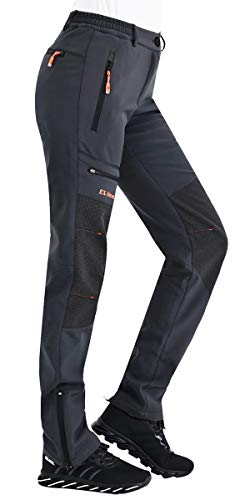
The baleaf Women's Quick-Dry Hiking Jogger Pants are lightweight, sun-protective trail bottoms designed primarily for day hikers, active campers, backpackers, and outdoor travelers. Built with a relaxed jogger aesthetic, these pants bridge the gap between technical trail wear and casual off-trail comfort. They are especially relevant for warm-weather excursions, sunny national park visits, and summer trail walking where heavy, restrictive canvas trousers would cause excess heat buildup.
Trail mobility is reinforced through articulated knee shaping and an elasticized waist that flexes naturally as your posture shifts. When stepping over downed branches, tackling steep stone steps, or crouching around a campsite, the knee articulation reduces fabric binding across the patella. The manufacturer lists the fabric as lightweight, breathable, and quick-drying, complemented by built-in UPF 50+ sun protection. That UV defense is particularly helpful on exposed ridges or sun-drenched alpine paths. While the water-resistant finish sheds light splashes and morning trail dew, it is not a waterproof barrier for torrential mountain rainstorms.
Storage utility is a primary highlight of this design, featuring four dedicated zippered security pockets. Many standard hiking bottoms rely on open slash pockets that allow phones or keys to spill out on steep inclines, but these zip closures keep your small essentials securely enclosed. At the bottom hem, adjustable cord locks give you the ability to cinch the leg openings tightly around your trail footwear. This feature serves a dual purpose: it helps block crawling insects and loose grit on overgrown trails, and it lets you hike the cuffs up toward your knees when crossing shallow mud or venting heat on sunny ascents.
Sizing flexibility and waist construction make daily handling straightforward. The flat elastic waistband is accompanied by an integrated drawstring, allowing you to fine-tune the tension without needing an external belt that could pinch underneath a backpack hip belt. The supplied specifications identify this pair in Caramel with a 29-inch inseam (Large), while the brand also produces 27-inch petite and 31-inch tall variations to fit different heights. Maintenance is equally straightforward, as the pants are machine washable for quick cleanup after dusty outings.
Realistic limitations center around rough abrasion and extreme weather conditions. Because the fabric is engineered to be lightweight and quick-drying, it lacks reinforced heavy-duty kick patches or seat panels, meaning off-trail bushwhacking through dense, thorny brambles could risk fabric snags. Additionally, the lightweight water-resistant exterior will saturate during sustained precipitation, requiring dedicated hardshell rain pants if severe weather moves in. The product data also does not disclose the precise synthetic fiber breakdown, so exact stretch elasticity cannot be scientifically quantified.
For hikers who want an accessible, comfortable, and functional pair of trail pants for moderate terrain, the baleaf Quick-Dry Hiking Joggers deliver dependable everyday performance. The combination of secure zippered pockets, knee articulation, UPF 50+ protection, and customizable cuff cinches provides high functional value for day hikes, weekend camping trips, and warm-weather travel.
Finding an accurate fit is supported by the manufacturer's inclusion of multiple inseam profiles, including a 27-inch petite, a 29-inch regular, and a 31-inch tall option. This specific Large pair features the standard 29-inch inseam, catering to common mid-height proportions among U.S. outdoor shoppers.
The pull-on elastic waistband features an exterior drawstring that lets you quickly customize waist tension for high-stride hikes or post-trail relaxation. At the ankles, built-in cord locks allow the leg openings to be cinched snugly against low-profile trail shoes or loosened over mid-height hiking boots.
Storage functionality on these joggers relies on four zippered security pockets that keep trail gear anchored during active body movements. Unlike open hand pockets, zippered enclosures prevent pocket contents from sliding out when navigating steep ascents or taking breaks on uneven ground.
The secure closures make the pockets practical for holding compact essentials such as identification, car keys, lip balm, or small energy bars without requiring immediate access to your primary backpack compartment.

Pros
- Generous 35% elastane content provides outstanding lateral stretch for stepping over logs and scrambling.
- Secure zippered thigh pockets prevent essentials like smartphones or trail passes from sliding out on the move.
- Reinforced knee and crotch panels provide targeted abrasion defense for trail brush and kneeling.
- Six-pocket tactical cargo layout delivers convenient, hands-free storage for small essentials.
Cons
- Manufacturer claims waterproof protection, but unsealed seams mean these pants will not keep you dry in sustained downpours.
- Belt is not included, requiring wearers to supply their own trail belt to secure the waistband under load.
- The high elastane blend may dry more slowly and feel heavier when fully saturated compared to traditional lightweight nylon trail pants.
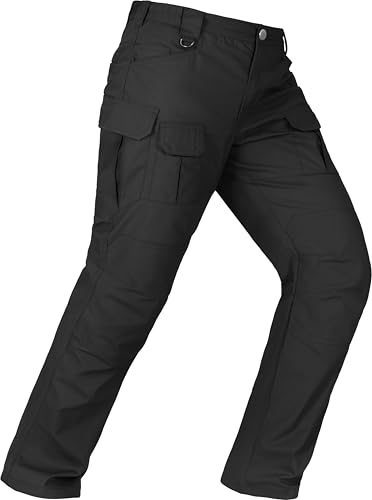
The PIDO YOGA Men's Stretch Tactical Cargo Pants are designed as versatile, budget-friendly trail and work bottoms for recreational day hikers, campers, and outdoor workers who prioritize mobility and pocket storage. Built with a high-stretch blend of 65 percent polyester and 35 percent elastane, these pants focus on flexible movement rather than ultralight backcountry technical specs. Hikers tackling casual national-park trails, weekend camping trips, or light brush clearing will appreciate the accessible cargo styling without paying the high cost of specialized mountain apparel.
On the trail, freedom of movement is driven largely by the exceptionally high elastane ratio and ergonomic tailoring. Stepping across fallen logs, ascending rocky switchbacks, or bending down at a campsite feels natural because the fabric yields readily to joint flex. Storage access is well distributed across six pockets, highlighted by zippered thigh compartments that keep phones and navigation tools from bouncing out while walking. The exterior treatment sheds light splashes and trail moisture, though it should be treated as water-resistant protection for light mist or damp grass rather than true storm gear.
The foundation of these pants is a 65 percent polyester and 35 percent elastane stretch weave engineered for active use and tear resistance. To address common failure points, the manufacturer adds reinforced paneling at the knees and crotch, which helps protect against trail debris and friction when kneeling. While the product listing cites waterproof technology and liquid repellency, the construction lacks taped seams or a listed membrane rating, making it behave like a durable water-resistant softshell rather than a rigid hardshell rain pant. Zippered closures on the cargo pockets add practical utility for securing gear.
The pants feature an ergonomic mid-rise profile with standard belt loops, though an accessory belt is not supplied with the garment. Hikers carrying weighted pockets or wearing a backpack with a padded hip belt will want to pair these bottoms with a low-profile webbing belt to maintain waist position. Layering light thermal bottoms underneath is feasible in cooler shoulder seasons, provided you select an appropriate size that accommodates thigh volume. Maintenance is standard for synthetic technical weaves, but avoiding extreme dryer heat is advisable to maintain the elasticity of the high elastane blend over time.
Prospective buyers should note that the advertised waterproof claim does not make these pants an equivalent substitute for dedicated seam-sealed rain gear. In continuous rain or heavy brush soakings, moisture will eventually penetrate the fabric weave and needle seams. Additionally, a 35 percent elastane composition creates a softer, more pliable feel, but it generally absorbs more moisture and takes longer to dry than low-elastane, pure-nylon trekking trousers. The absence of an included belt also means buyers must provide their own waistband support.
For budget-minded day hikers, trail walkers, and outdoor utility workers seeking flexible cargo bottoms with ample pocket storage, the PIDO YOGA Men's Stretch Cargo Pants offer solid value. They excel in cool-to-moderate dry weather, morning mist, and general weekend outdoor activities where stretch and pocket utility matter most. Backpackers headed into multi-day alpine rain or ultralight thru-hikers will likely want dedicated nylon hiking trousers, but for everyday trail and camp duty, these pants deliver practical comfort.
The PIDO YOGA Men's Tactical Cargo Pants feature a dedicated six-pocket configuration designed for convenient trail organization. The layout includes standard hand pockets, rear storage, and two distinct thigh cargo compartments that allow balanced weight distribution across the lower body.
A primary asset for active hikers is the addition of zipper closures on the thigh cargo pockets. These zippers prevent smartphones, keys, trail permits, or pocket multi-tools from sliding out when scrambling over rocks or sitting at trail breaks. Because the cargo pockets are positioned flat along the thigh, they remain accessible even when wearing a mid-sized daypack.
The manufacturer incorporates reinforced construction at the knees and crotch to withstand friction from rough terrain, brush, and kneeling tasks around camp. While ripstop weaving and reinforced seams add tear resistance against light branch snags, the fabric remains pliable due to its high elastane content.
For wet conditions, the fabric surface is treated to repel rain, dirt, and daily liquid splashes. However, because the pants do not feature a taped waterproof membrane, they are best categorized as water resistant. They perform reliably against morning trail dew, light drizzles, and surface mud, but should be paired with dedicated rain shells during sustained downpours.

Pros
- Generous 8-pocket design provides ample on-body space for trail accessories, keys, and pocket tools.
- Adjustable ankle ties cinch closely against hiking boots to deter trail debris and brambles.
- Breathable cotton ripstop fabric provides a soft, comfortable feel during extended casual hikes.
- Integrated waist drawstring allows for quick fit personalization without requiring an immediate belt.
Cons
- Cotton-based fabric dries more slowly than technical synthetic fibers when exposed to prolonged rain.
- A dedicated belt is not included and must be purchased separately if structured waist support is required.
- Manufacturer instructions advise against direct sun drying to prevent accelerated fabric color fading.
The AKHIKING Women's Cargo Pants are relaxed-fit outdoor utility trousers designed for trail walkers, day hikers, weekend campers, and travelers who need accessible gear storage. Built with a classic straight leg and a generous eight-pocket architecture, these pants offer practical utility for outdoor activities where having small tools, trail snacks, and personal items within quick reach is an advantage.
On the trail, mobility depends heavily on cut and leg articulation. These cargo trousers feature a relaxed fit through the seat and thighs, allowing natural movement when stepping over deadfall, taking steep switchbacks, or bending down at camp. The lower cuffs incorporate adjustable drawstring ties designed to cinch tightly around hiking boots, helping seal out cold drafts, loose trail grit, and scratchy underbrush during overgrown woodland walks.
The pants are constructed from a durable cotton ripstop material treated with a wrinkle-resistant finish. The manufacturer highlights soft, breathable, and sweat-absorbent characteristics along with surface treatment to resist basic stains and light moisture. Hardware includes sturdy buttons and zippers across the pocket layout, which features two upper hand pockets, two buttoned flap pockets, two fast-access side cargo pockets, and two rear pockets for balanced gear distribution.
Adjusting the fit is straightforward thanks to an internal waist drawstring, making it easy to tailor the waistline even if you choose not to wear a separate belt. Caring for the trousers involves standard machine or hand washing. To preserve the purple-gray colorway and avoid premature fabric fading, the manufacturer specifically advises air or line drying away from harsh, direct sunlight.
A realistic limitation is the primary cotton construction. While cotton ripstop delivers dependable breathability and comfort in mild conditions, it naturally holds moisture longer than technical nylon or polyester when soaked by steady rain or heavy exertion. Additionally, the pocket flaps use buttons rather than watertight closures, meaning sensitive smartphones or paper maps still require waterproof cases or dry pouches in wet weather.
For hikers, campers, and outdoor workers seeking affordable, comfortable trail trousers with abundant pocket space and boot-friendly ankle ties, the AKHIKING Cargo Pants offer a practical and versatile everyday option.
The AKHIKING Cargo Pants feature eight dedicated three-dimensional pockets to keep small essentials organized on the move. The configuration includes two traditional front hand pockets, two mid-thigh buttoned flap pockets, two fast-opening side pockets, and two rear pockets.
This arrangement allows you to balance carried weight across your legs without creating bulky pressure points, making it easy to store compact pocket knives, compasses, lip balm, and trail snacks within arm's reach.
These trousers are crafted from a soft, breathable cotton ripstop fabric with a wrinkle-resistant finish that repels surface soil and liquids. Ripstop weaving adds structural integrity against light brush and minor surface friction on the trail.
For maintenance, the trousers can be hand washed or machine washed. Hanging to dry in shaded areas is recommended, as prolonged exposure to direct sunlight during drying can accelerate color fading.
The Reality of Wearing Cotton on the Trail
Cotton pants are generally not recommended for demanding, wet, or colder hiking adventures, though they can serve a purpose on dry, low-key walks. The core issue lies in how plant-based cellulose fibers interact with liquid, as cotton absorbs moisture and holds it tenaciously against your skin. When you begin sweating heavily or encounter sudden trail rain, saturated cotton fails to wick sweat outward and dries exceptionally slowly. This lack of moisture management can cause severe chafing during movement and compromises your thermal stability in changing weather. Understanding how fabric properties influence comfort helps hikers make sound apparel choices before heading outside.
The Core Verdict: When Cotton Works and When It Fails
Natural cotton trousers provide soft next-to-skin comfort and resist campfire spark damage better than delicate ultralight synthetics, but they falter under athletic strain. On flat, casual nature paths in dry and mild weather, wearing standard cotton bottoms rarely causes significant issues. The situation changes rapidly once you tackle steep climbs, experience elevated exertion, or encounter sudden storms. In those demanding conditions, waterlogged cotton clings to your legs, restricts your stride, and steadily robs your body of warmth. Most experienced outdoor enthusiasts avoid pure cotton when physical effort is high or wet conditions are possible.
Certain arid environments present a notable exception where cotton can provide a modest functional benefit. In hot desert conditions with minimal humidity and intense solar exposure, the sluggish evaporation rate of damp cotton can produce a mild cooling sensation against the skin. Even in desert settings, however, modern hikers usually select loose, ventilated technical fabrics with verified sun protection. Heavy twill weaves quickly become problematic once sweat concentrates around high-friction points like the inner thighs. For technical terrain and sustained mileage, lightweight synthetics remain far more dependable than untreated cotton.
How Natural Cotton Fibers Behave When Wet
Cotton is composed of plant-derived cellulose strands that are naturally hydrophilic, meaning they actively attract and soak up water molecules. When moisture enters the textile structure, the inner fibers swell and trap liquid directly inside the yarn. This cellular swelling severely impedes air circulation through the weave, which stalls natural evaporative drying. Synthetic fibers like polyester and nylon are hydrophobic, repelling water along the filament exterior so air currents can dry them swiftly. Consequently, soaked cotton can take several hours or even entire days to dry out in cool, humid trail conditions.
The weight penalty of wet cotton alters how pants feel and move across your lower body. A lightweight pair of trousers can absorb several times its dry weight in water after crossing damp brush or enduring steady drizzle. That extra water weight pulls downward on your waistband and demands additional effort from your leg muscles with every step. Saturated cotton fibers also lose their structural spring, causing the fabric to stretch, sag, and bunch behind the knees. Once soaked through, cotton garments become heavy anchors that hinder natural walking biomechanics.
The Risk of Chafing and Temperature Drops
Chafing represents one of the most painful discomforts caused by hiking in damp cotton apparel. When wet fabric rubs continuously across sensitive skin along the thighs, groin, and waistline, the added friction shears away the outer protective layers of skin. Dry cotton already generates substantial friction against skin, and adding sweat or rain creates an abrasive surface texture. The resulting irritation can make completing a day hike or backpacking trip excruciating. Synthetic trail pants designed with flatlock seams and quick-drying fabrics significantly lower this friction hazard.
Thermoregulation becomes compromised when wet fabric stays pinned against your skin in unpredictable outdoor conditions. Water conducts thermal energy away from the human body approximately twenty-five times faster than still air. When mountain breezes hit damp trousers, rapid evaporative cooling strips away vital body warmth, increasing the risk of hypothermia. Even during pleasant summer afternoons, an unexpected storm followed by falling evening temperatures can turn wet cotton into a severe cold hazard. Outdoor garments must support core body temperature stability, which makes slow-drying cotton unsuitable for variable alpine environments.
Pure Cotton versus Cotton Blends and Ripstop Fabrics
Modern textile manufacturers frequently combine cotton with synthetic materials to balance soft comfort with functional trail mobility. For instance, the JMIERR Mens Casual Joggers Cotton Twill Chino utilize a ninety-four percent cotton twill blended with six percent elastane at a lightweight one hundred seventy grams per square meter. The elastane component introduces flexible four-way stretch, while the unlined twill weave maintains breathability for casual wear and brief neighborhood walks. However, because cotton remains the dominant material in the weave, this style will still retain considerable moisture if exposed to steady rainfall.
Other designs take a workwear-inspired approach by incorporating ripstop weaves and protective topical treatments. The AKHlKING Women’s Cargo Pants Work Camo Cotton feature a durable cotton ripstop construction treated with a finish designed to resist light stains, soil, and surface liquids. The interlocking ripstop grid pattern helps arrest fabric tears before they spread when you brush against thorny shrubs or rough rock faces. These cargo pants also incorporate straight leg hems with integrated drawstrings to secure the openings around footwear. While surface finishes repel minor splashes, sustained downpours will eventually soak through the underlying cotton structure.
Blended fabrics generally outperform pure cotton when it comes to durability and mechanical stretch, yet they still present drying tradeoffs. Adding elastane or polyester to cotton yarns reduces total moisture absorption compared to pure cotton twill, but drying speed still lags behind pure synthetics. Hikers who prefer the matte look and soft feel of cotton often choose these hybrid blends for dry autumn walks or casual property maintenance. For extended backcountry trips, however, even a partial cotton blend can become problematic if wet weather persists. Inspecting the specific fiber percentages listed on garment labels helps you predict how bottoms will perform outdoors.
Synthetic Trail Alternatives: Polyester, Nylon, and Elastane
Outdoor enthusiasts who face unpredictable weather, stream crossings, or strenuous climbs generally choose dedicated synthetic apparel. Garments such as the baleaf Women’s Hiking Pants Quick Dry Water demonstrate how technical fabrics excel on the trail using lightweight, moisture-resistant polyester constructions. These joggers incorporate built-in UPF 50+ sun protection, a water-resistant exterior, and rapid dry times to keep hikers fresh across varying seasons. Reviewing specialized trail-ready hiking pants illustrates how modern synthetics prevent moisture saturation while maintaining active airflow.
Durability and flexible mobility can also be accomplished with heavy-duty tactical synthetics designed for rugged brush and rock scrambling. The PIDO YOGA Men’s Stretch Tactical Pants Waterproof utilize a sixty-five percent polyester and thirty-five percent elastane ripstop fabric that combines tear resistance with active stretch. This design features reinforced construction at the crotch and knees to withstand friction from rough rocks and dense vegetation. The advanced waterproof treatment effectively sheds rain splashes and mud without locking in body heat. Synthetic compositions of this type highlight why technical trail gear consistently outperforms traditional cotton in demanding conditions.
Pocket Layouts, Mobility, and Trail Functionality
Trail pants must do more than manage moisture; they also need to carry gear securely without bouncing or dragging down your waistline. The PIDO YOGA tactical trousers feature six functional pockets, including secure zippered thigh compartments designed to keep phones, maps, and trail accessories safe during active ascents. Similarly, the AKHlKING cargo pants offer an eight-pocket layout with buttoned flap closures and spacious side pockets for extensive gear organization. In contrast, casual cotton joggers like the JMIERR twill model provide deep front slash pockets and rear pockets suited for casual day use.
Mobility over uneven ground depends on smart garment patterning like articulated knees and gusseted crotches. Articulated knees, featured in specialized designs like the baleaf joggers, match the natural forward bend of the leg to prevent fabric binding on steep steps. A gusseted crotch redistributes seam stress, preventing tears when taking wide strides over downed timber or rocky creek beds. Traditional cotton chinos without ergonomic shaping often pull tight across the quads during ascents. Choosing pants with articulated tailoring and elastane stretch ensures unrestricted freedom of movement on challenging trails.
Weather Protection, Sun Defense, and Cuff Adjustments
Shielding your lower body from solar radiation and trail obstacles is an essential function of any hiking pant. While tightly woven dry cotton offers decent physical coverage, damp cotton loses a significant portion of its ultraviolet blocking capacity. Specialized trail pants like the baleaf model feature rated UPF 50+ protection built into the synthetic fibers to guard skin against prolonged sun exposure. Furthermore, treated synthetic surfaces allow light drizzle to bead up and roll away before moisture can seep inward.
Adjustable hem closures provide valuable protection against low-lying debris, dust, and creeping insects. The baleaf pants include cord locks around the leg cuffs, allowing hikers to cinch the hem snugly against hiking boot collars to block ticks and loose sand. The AKHlKING cargo design features straight leg openings with bottom drawstring ties that can be tightened around trail boots to prevent scratches from low branches. Casual cotton twill joggers utilize ribbed elastic ankle cuffs, which provide a modern silhouette but offer less adjustability over bulky trail footwear. Proper hem cinching keeps your socks and footwear cleaner on loose gravel paths.
Evaluating Trail Scenarios: Deserts, Day Hikes, and Alpine Routes
Deciding whether cotton or synthetic bottoms make sense depends largely on the terrain, elevation, and anticipated weather. On short, well-traveled paths through neighborhood parks or dry botanical gardens, wearing relaxed cotton twill joggers is perfectly practical. These brief walks involve minimal exposure to severe weather, and vehicle shelter is almost always nearby if conditions change. In such low-stakes settings, personal comfort, casual aesthetics, and simple maintenance take priority over technical performance.
Venturing into remote backcountry trails, high alpine passes, or dense temperate forests demands a far more conservative clothing strategy. Mountain weather can change abruptly from warm sunshine to driving sleet within an hour, making quick-drying apparel a genuine safety requirement. If you become soaked several miles from the nearest trailhead in pure cotton trousers, plummeting body temperatures can quickly lead to hypothermia. For multi-day backpacking treks or trips with variable weather forecasts, leaving heavy cotton at home is an established outdoor rule. Matching your clothing materials to the remote nature of the route protects your comfort and safety.
Garment Care and Long-Term Trail Wear
Caring for outdoor pants according to manufacturer specifications helps preserve fabric integrity, elastic recovery, and protective finishes. Cotton garments like the AKHlKING cargo pants are machine washable, but manufacturers recommend air drying away from direct sunlight to prevent premature color fading and fiber breakdown. Cotton cellulose yarns swell when washed and can shrink significantly if subjected to high dryer heat. Following the wash care labels on stretch twill garments ensures that elastane fibers retain their spring over multiple seasons of active use.
Synthetic hiking trousers generally resist shrinkage and dry rapidly on an indoor line or backcountry camp clothesline. To maintain durable water-repellent treatments on polyester or nylon pants, wash them with gentle liquid detergents that rinse clean without leaving behind hydrophilic film residues. Avoid using chlorine bleach or fabric softeners, as these chemicals can degrade elastane stretch yarns and clog moisture-wicking synthetic structures. Proper laundering habits extend the usable lifespan of your gear, keeping your technical trail bottoms ready for subsequent outings.
Practical Takeaways for Assembling Your Hiking Bottoms
Selecting suitable hiking pants requires balancing comfortable hand-feel against the physical realities of the trail. While pure cotton offers pleasant softness during relaxed moments, its heavy moisture absorption and slow drying time make it unsuited for rigorous or wet hikes. Blended fabrics incorporating ripstop weaving or elastane provide functional utility for dry, mild excursions where intense weather is unlikely. For all-weather readiness, remote routes, and active moisture management, dedicated synthetic pants made from polyester or nylon remain the safest choice. Assessing your trail difficulty, weather forecasts, and mobility needs will guide you toward the right apparel for every hike.


Write Your Review
No reviews yet. Be the first to share your experience!