


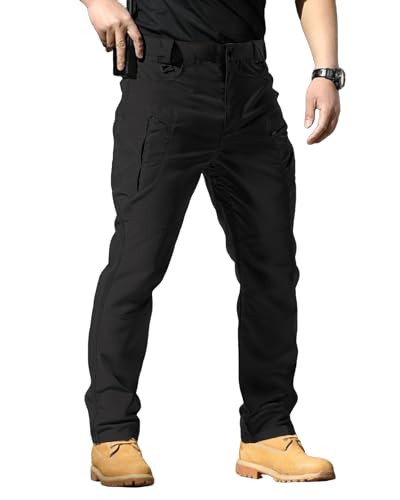
Heading out onto snow-covered trails requires serious protection against biting winds, sub-freezing temperatures, and sudden mountain squalls. Many outdoor enthusiasts preparing for winter treks naturally wonder if are ski jackets good for hiking when temperatures drop below freezing. While pulling a heavily insulated winter coat from your closet seems convenient, high-output trail activities present vastly different thermal challenges than downhill resort skiing. Pairing your cold-weather upper layers with reliable lightweight hiking pants helps maintain lower body mobility, but upper body thermoregulation demands a closer look at moisture management.
Ski outerwear is specifically engineered to shield stationary skiers on windy chairlifts, but hiking uphill generates tremendous metabolic heat that must escape immediately. Without proper vapor transfer, trapped perspiration quickly turns into internal condensation, saturating your base layers and creating dangerous post-hike chilling risks. Understanding how heavy synthetic insulation, durable waterproof membranes, and garment ventilation interact on the trail ensures you stay warm without suffering from damp clothing. Evaluating the structural differences between snowsports outerwear and a dedicated modular layering system will help you make the best apparel decisions for your cold-weather outings.




Evaluating Ski Jackets for Trail Performance and Winter Hiking
The short answer to whether ski jackets work well on hiking trails is that they can function in limited scenarios, but they are rarely ideal for active trekking. Downhill ski apparel is designed primarily for wind resistance and heavy static warmth, accommodating short bursts of gravity-driven motion interspersed with prolonged periods of sitting on windy chairlifts. Hiking is a sustained aerobic endurance exercise where your core body temperature rises steadily, generating substantial perspiration even in freezing ambient temperatures. When you wear a heavily insulated ski coat on an incline, trapped heat quickly overwhelms the fabric, turning internal sweat into a significant trail hazard.
The Core Differences Between Skiing Outerwear and Hiking Apparel
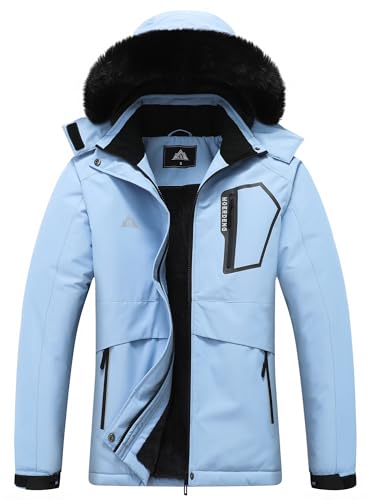
Ski garments and technical hiking clothing are engineered around completely different physical demands. Ski jackets, such as the MOERDENG Women’s Ski Jacket Waterproof Warm Winter, prioritize rugged, windproof shells with thick synthetic insulation to protect against high-velocity mountain gusts. Hiking apparel relies on lightweight, breathable fabrics that allow water vapor to escape continuously before it condenses against the inside of the fabric. Because downhill skiers face severe wind chill at high speeds, their jackets feature dense face fabrics and protective barriers that inherently reduce active breathability.
Another major divergence lies in how each activity manages changing weather and body heat. Hikers depend on adaptability, peeling off or adding layers as terrain elevation and exertion levels change throughout the day. A standard ski jacket combines the waterproof outer shell and thermal insulating mid-layer into a single, unified garment. This unified construction robs hikers of their most important thermoregulation tool: the ability to drop insulation while retaining wind and water protection during strenuous uphill climbs.
The Overheating Trap and Moisture Management on the Trail
The single greatest risk of hiking in a ski coat is the phenomenon known among backpackers as sweating out. When climbing steep switchbacks or navigating rocky trails, your body produces continuous heat and sweat to prevent overheating. If that moisture cannot pass freely through your outer shell, it accumulates against your technical base layer and the inner lining of the jacket. Even jackets with breathable synthetic insulation struggle to vent the high volume of moisture generated during continuous uphill trekking.
Once your base layers become damp from trapped sweat, you face a serious danger when you reach an exposed summit or pause for a rest break. Damp clothing loses its insulating ability, and conductive heat transfer pulls warmth away from your skin rapidly once your movement ceases. In sub-freezing conditions or strong summit winds, this rapid cooling can cause uncontrollable shivering and elevate the danger of hypothermia. Dedicated trail shells focus purely on weather protection while leaving thermal insulation to separate, breathable mid-layers that can be vented easily.
Weight, Bulk, and Backpack Compressibility Challenges
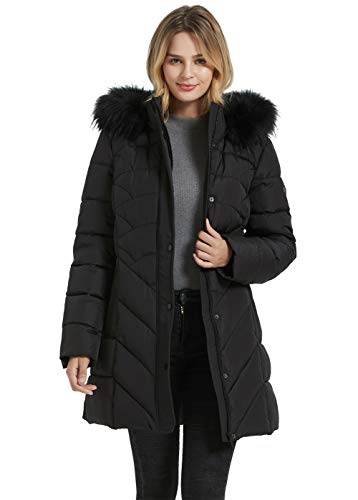
Weight and pack volume represent another critical barrier when evaluating ski coats for trail use. A heavily padded garment, such as the BINACL Women’s Thickened Running Ski Jacket, utilizes thick cotton padding or down alternative insulation to maximize static warmth. While this substantial construction keeps you cozy in camp or during casual walks, it adds considerable physical heft to your upper body. Over several miles of uneven terrain, carrying that extra jacket weight increases fatigue and strains your shoulders and lower back.
The problem compounds significantly whenever trail conditions require you to take the jacket off. Because ski coats feature dense exterior weaves, integrated linings, and high-loft insulation, they do not compress into compact bundles. Stuffing a bulky winter coat into a standard daypack can easily consume fifteen to twenty liters of interior storage space, leaving minimal room for hydration, emergency gear, food, or extra trail layers. Modern hiking shells and packable down jackets compress down to the size of a water bottle, fitting effortlessly into compact packs.
Feature Analysis: Snowsports Hardware Versus Trail Ergonomics
Ski jackets include numerous specialized hardware components tailored exclusively for resort slopes that offer little utility on hiking trails. Features like heavy powder skirts, forearm lift pass pockets, internal goggle compartments, and wide helmet-compatible hoods add unnecessary weight and bulk. On a hike, an elastic snow skirt can bunch uncomfortably around your waist, interfering directly with the padded hip belt of a loaded backpack. This constant rubbing creates friction points that can lead to painful chafing around your hips and lower torso.
Furthermore, pocket layout on downhill snow jackets often clashes with backpack ergonomics. Handwarmer pockets on ski coats sit low on the torso, right where your backpack waist strap cinches tight against your hips. When your hip belt is securely buckled, these lower pockets become virtually inaccessible without unclipping your pack. Dedicated hiking outerwear positions pockets higher on the chest, ensuring you can grab a map, compass, or smartphone without fighting your pack suspension. Hood designs also differ: trail hoods offer snug, low-profile adjustments for trail caps, while oversized ski hoods catch wind like sails unless tightly adjusted.
When a Ski Jacket Makes Practical Sense on the Trail
Despite the structural tradeoffs, there are specific outdoor situations where using a ski jacket for hiking is entirely reasonable. For short winter day hikes on gentle, flat terrain in temperatures well below freezing, a windproof coat provides reliable warmth without demanding complex gear investments. If your pace is casual and your heart rate remains low, such as during flat snowshoe outings or scenic lake loops, your body generates minimal sweat. In these scenarios, the robust wind blocking and integrated warmth of jackets like the MOERDENG Women’s Ski Jacket Warm Winter Coat keep you comfortable without causing excessive overheating.
Ski coats also excel as static camp parkas or stationary emergency insulation during cold-weather excursions. When you stop moving at a chilly campsite or sit down for an extended summit lunch, having a thick, wind-blocking coat to pull over your existing trail clothes provides immediate comfort. Beginners who already own winter snow outerwear can save money by repurposing their ski jackets for local forest walks rather than purchasing specialized technical shells right away. Pairing this outer warmth with weather-resistant bottoms, such as durable hiking pants, creates a capable setup for casual cold-weather exploration.
Practical Tips for Hiking Comfortably in a Ski Jacket
If you plan to hike in a ski coat, adopting deliberate trail habits can help mitigate the risks of overheating and sweat buildup. Pacing is your most effective thermal control tool on uphill stretches. Slow your walking speed to an easy, conversational pace before you start breaking a heavy sweat, keeping your heart rate and body heat output stable. It is far better to hike slightly slower and stay dry than to push hard, sweat through your base layers, and freeze later.
Make full use of all mechanical ventilation options built into your jacket. If your coat features underarm pit zips, open them completely before starting any incline to allow hot air and moisture vapor to escape immediately. Unzip the main front zipper partially to create cross-ventilation, and loosen the adjustable wrist cuffs to let cool air circulate up your forearms. Garments like the MOERDENG Women’s Hiking Winter Jacket Waterproof feature detachable hoods, which allow you to shed extra neck bulk and release heat around your collar when the weather is calm.
Selecting the right next-to-skin clothing beneath your ski coat is equally critical for moisture management. Never wear cotton t-shirts, cotton hoodies, or cotton thermal underwear under an insulated jacket on the trail. Cotton absorbs perspiration and holds water against your skin, drastically increasing your risk of hypothermia once you stop moving. Instead, wear a thin synthetic polyester or merino wool base layer that actively pulls moisture away from your skin, allowing it to evaporate as efficiently as possible beneath the jacket lining.
How to Build a True Modular Layering System for Cold Trails
Hikers seeking optimal comfort across variable terrain generally transition away from all-in-one ski coats toward a modular three-part layering system. This time-tested outdoor strategy separates your clothing into three distinct components: a moisture-wicking base layer, an insulating mid-layer, and a protective weather shell. By keeping these elements separate, you gain complete control over your thermal balance, adjusting each piece independently to match terrain steepness, wind speeds, and precipitation.
Your base layer sits directly against your skin, using hydrophobic polyester fibers or natural merino wool to wick perspiration away continuously. Over your base layer, an active mid-layer, such as a breathable grid fleece or lightweight synthetic active insulation jacket, traps warm air while still allowing vapor to vent during ascents. Finally, an uninsulated waterproof-breathable rain shell or softshell jacket, such as the MOERDENG Women’s Waterproof Winter Coat Softshell or the MOERDENG Women’s Waterproof Winter Coat Softshell, blocks wind, snow, and rain from the outside. When climbing steep hills, you can stow the insulating mid-layer in your pack, hiking in just your base layer and weather shell to prevent sweating out entirely.
For stationary warmth during summit breaks, hikers pack a compressible down jacket or high-loft synthetic puffy inside their backpack. You pull this puffy layer out only when resting, slipping it over your active layers to lock in core body heat while stationary. This three-part approach weighs significantly less than a traditional ski coat, packs into a fraction of the volume, and eliminates the dangerous cycle of overheating on climbs and freezing during rest stops. For those operating on a tighter budget, jackets like the MOERDENG Women’s Waterproof Ski Jacket Hooded Warm offer an accessible entry point for casual winter outings until you can invest in dedicated modular layers.
Key Decisions: Choosing Between Ski Outerwear and Dedicated Hiking Shells
Determining whether to use a ski jacket or invest in dedicated hiking layers ultimately depends on your trail ambitions, local climate, and hike difficulty. If your winter activities consist of occasional short walks along flat snow trails, neighborhood nature paths, or local scenic overlooks, a quality ski jacket provides all the weather defense and warmth you need without additional expense. Its heavy-duty construction resists wind chill effectively, and the integrated insulation keeps you warm without requiring multiple specialized pieces.
When your plans expand to include steep elevation gains, backcountry routes, multi-mile day hikes, or overnight backpacking, the limitations of ski outerwear become impossible to ignore. The excessive weight, bulky pack volume, and restricted breathability of heavy snow jackets create unnecessary fatigue and increase your vulnerability to sweat-induced chills. Investing in a lightweight, uninsulated waterproof shell paired with modular fleece and merino layers provides the versatile performance required for safe, comfortable mountain trekking. Evaluating your physical output and trail profile ensures you select outerwear that works with your body rather than against it.
Care and Maintenance for Weatherproof Winter Outerwear
Proper maintenance plays an important role in preserving the weather protection and breathability of any winter coat used outdoors. Over time, trail dust, body sweat, and skin oils clog the microscopic pores of waterproof membranes and degrade the factory durable water repellent finish. When this surface finish breaks down, face fabrics saturate with moisture, a condition known as wetting out, which completely stops internal vapor transmission. Washing your technical jacket according to manufacturer care instructions with specialized technical wash solutions clears these pores and restores peak performance.
Always close all zippers, pocket closures, and hook-and-loop cuff fasteners before washing your winter outerwear to prevent snagging delicate technical fabrics. Avoid regular household laundry detergents containing optical brighteners, bleaching agents, or fabric softeners, as these chemical additives coat fabric fibers and destroy water repellency. Following wash cycles with low-temperature tumble drying or gentle air drying, as recommended on the garment care label, helps reactivate protective water-repellent polymers, ensuring water droplets bead cleanly on the outer surface during snowy trail outings.



Write Your Review
No reviews yet. Be the first to share your experience!