


Winter trails present an unforgiving mix of biting winds, sub-freezing temperatures, and wet powder. When temperatures plummet, many outdoor enthusiasts naturally wonder: are snow pants good for hiking in cold conditions? Traditional heavy ski bottoms promise exceptional warmth, but stepping onto an uphill trail generates significant internal body heat that can quickly alter your comfort. Hikers often discover that gear designed for sitting on a ski lift behaves very differently when their legs are constantly working on steep terrain.
Standard alpine gear can easily trap excess moisture, leaving you damp and chilled once you pause at an exposed summit. While dedicated lightweight hiking pants excel during milder seasons, winter trekking demands a balanced combination of wind deflection, thermal retention, and active ventilation. Fleece-lined softshell bottoms and insulated winter pants frequently offer the flexible compromise needed for snowy paths. Choosing the right design depends heavily on your hiking pace, terrain steepness, and expected temperature drops.

Pros
- Cozy fleece interior delivers immediate warmth without the constant need for thick thermal base layers.
- Weather-resistant softshell coating helps shed snow, light precipitation, and brisk winter gusts.
- Side-elastic mid-waist allows for comfortable breathing room and flexible fit adjustments.
- Secure front zipper pockets keep essential items from sliding out on the trail.
- Durable ripstop exterior weave resists minor snags and trail scrapes from low brush.
Cons
- Waterproof coating resists snow and dampness, but unsealed seams mean these are not designed for torrential downpours.
- Insulated fleece lining creates excess warmth that makes them unsuitable for mild or hot-weather hiking.
- Available product specifications do not detail exact inseam options or lower-leg cuff adjustments.
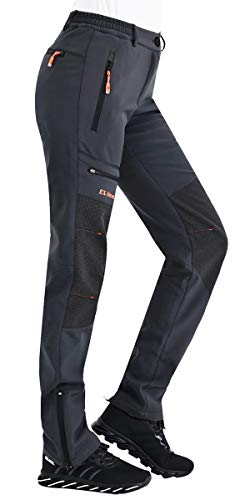
The MAGCOMSEN Women's Fleece Lined Softshell Pants are insulated cold-weather outdoor trousers designed for winter day hikers, snowshoers, campers, and cold-climate travelers seeking dependable warmth. Built with a weather-repellent outer shell and a soft interior fleece layer, these bottoms are targeted toward women who spend time outside in low temperatures and brisk winds. Instead of forcing hikers to juggle bulky external shells over heavy thermal tights, this design merges a weather-resistant exterior with an integrated thermal lining into an accessible, all-in-one winter trail pant.
On winter trails and snowy paths, these softshell pants prioritize thermal retention and wind blocking during moderate-paced cold-weather outings. The manufacturer-listed waterproof surface coating helps repel light snow flurries, damp brush moisture, and surface spray, while the dense outer weave acts as a barrier against chilling gusts. The fleece-lined interior features listed moisture-wicking characteristics that help manage sweat during steeper climbs, though softshell construction naturally traps significant heat compared to unlined trekking trousers. For active winter hiking, snowshoeing, or walking exposed ridgelines, the fleece insulation provides a cozy microclimate without feeling excessively stiff.
The pants are built around a durable ripstop exterior fabric paired with an integrated heat-locking fleece backing. The ripstop construction enhances abrasion resistance, giving the surface useful resistance against scratches from low-lying twigs, brush, or rocky outcrops. At the waist, the pants feature a mid-rise cut with a front zipper closure and integrated elastic side sections. This elasticized waistband segment allows the pant to expand and contract with bodily movement, accommodating bending and high steps on uneven trails. For storage, two zippered front pockets give the wearer secure spots to stow a smartphone, identification cards, or small trail snacks without fear of contents falling out into deep snow.
Regarding fit and daily handling, the mid-waist design and side elastic panels provide flexibility around the hip and waist area. The elastic inserts help maintain a snug yet forgiving fit, which can be advantageous when wearing a daypack hip belt or moving between seated and standing positions. Because the pants come with integrated fleece insulation, sizing should account for whether you plan to wear them directly against the skin or layer lightweight thermal bottoms underneath in extreme sub-zero weather. The available product data does not list specific ankle cinches or boot hooks, so hikers pairing these with bulky winter footwear may want to check cuff openings or consider adding separate snow gaiters if traversing deep powder.
Prospective buyers should note specific design boundaries based on available product specifications. While the manufacturer highlights a waterproof coating layer that repels rain and snow, the specifications do not indicate fully taped or sealed seams, meaning the garment is not built for sustained torrential rainstorms or extended submersion. Additionally, the dedicated fleece lining limits year-round utility, making the pants far too warm for spring or summer hiking. The product data also lists only two front zippered pockets, which may limit storage options for hikers accustomed to carrying gear in cargo or rear pockets.
The MAGCOMSEN Women's Fleece Lined Softshell Pants represent a practical, budget-conscious choice for cold-weather day hikers, winter travelers, and outdoor recreationists needing insulated warmth and wind resistance in freezing temperatures. They offer a dependable balance of scratch-resistant ripstop protection, flexible waist comfort, and cozy fleece insulation for snow walking, late-season camping, or winter resort strolls. If you need a reliable, insulated winter hiking pant for sub-freezing trail outings without paying premium technical-mountaineering prices, these fleece-lined pants are an appealing and capable option.
The integrated fleece lining in the MAGCOMSEN Softshell Pants serves as the primary thermal barrier by trapping warm air directly against the lower body. For high-output hiking in temperatures hovering around the freezing mark, the pants generally supply sufficient thermal retention without the mandatory addition of heavy base layers.
When venturing out in extreme sub-zero conditions or stationary cold-weather activities such as ice fishing or winter camping, there may still be room to pair these pants with a slim synthetic or merino wool base layer. The listed moisture-wicking fleece helps pull perspiration away from skin during steep climbs, preventing damp chill when you stop to rest.
Mobility in the MAGCOMSEN Softshell Pants is anchored by an elasticized mid-waist configuration that adjusts to natural body movements. The elastic side panels built into the waistband stretch during bending, sitting, or taking high steps over downed trail logs, helping prevent pinching at the midsection.
While the product details do not list articulated knee darts or a gusseted crotch, the flexible waistband and softshell construction provide adequate everyday freedom of motion for standard hiking, snowshoeing, and outdoor chores. The front zipper closure ensures secure fastening while keeping the waist profile relatively smooth beneath a daypack or hip belt.

Pros
- Soft polar fleece lining provides immediate thermal retention and skin-friendly comfort in cold weather.
- Five zippered pockets keep personal trail items secure and prevent gear loss in deep snow.
- Spandex-blend softshell fabric and articulated knees deliver excellent movement without restrictive tightness.
- Water-resistant and wind-resistant outer shell helps reduce chill from breezes and light winter precipitation.
Cons
- Water-resistant exterior is suitable for light precipitation but is not engineered for prolonged heavy rain or saturated wet snow.
- Dense fleece lining makes these pants too warm for mild-weather or summer hiking.
- Available in fixed tag sizing (Size 34) without integrated waist belt hardware or zippered leg venting mentioned.
The Toomett MH4409 Men's Winter Hiking Pants in Blue (Size 34) are insulated softshell pants built for cold-weather outdoor recreation. Geared toward winter day hikers, shoulder-season campers, and outdoor enthusiasts, this garment addresses the challenge of staying warm on freezing trails without sacrificing the flexibility required for active ascents. Rather than layering bulky sweatpants beneath thin shells, this design integrates insulation and weather resistance into a single, cohesive trail piece.
Trail comfort depends heavily on mobility and temperature regulation. According to the product specifications, these pants feature a softshell fabric blended with spandex and lined with 100% polar fleece. The inner fleece layer sits comfortably against the skin, trapping ambient body heat while allowing moisture vapor to escape during strenuous uphills. The inclusion of articulated knees combined with fabric stretch ensures that high-stepping over boulders, navigating steep snowy inclines, or kneeling to pitch a tent does not cause uncomfortable pulling across the knees or hips.
Weather management and gear security are central to the outer shell construction. The face fabric blocks cold air drafts to mitigate wind chill on exposed summits and ridge crossings, while a water-resistant finish helps shed falling snow and light precipitation. For trail organization, five distinct zippered pockets provide ample secure storage. Hikers carrying backpacks can keep smartphones, pocket knives, gloves, or energy snacks separated and zipped away safely, eliminating the risk of items slipping out into snowbanks during rest breaks.
In terms of care and practical handling, these softshell pants are designed for standard cold-weather outdoor wear. The blue colorway offers a classic outdoor look that pairs easily with technical hiking layers and winter boots. To maintain the water-repellent finish and keep the fleece lining lofted, washing on a gentle cycle in cold water and air drying or tumble drying on low heat without fabric softeners is the best standard practice for synthetic outdoor apparel.
Hikers should note realistic limitations regarding weather protection and temperature range. The fabric is described as water-resistant rather than fully seam-sealed waterproof, meaning prolonged exposure to steady downpours or sitting in wet slush can lead to moisture penetration. Furthermore, the heavy fleece lining is intended strictly for sub-freezing or chilly conditions, making it unsuitable for warm-weather use. For budget-conscious hikers, winter walkers, and cold-weather campers seeking reliable warmth, functional stretch, and generous pocket storage, the Toomett MH4409 pants serve as a practical, cold-weather trail asset.
The Toomett MH4409 pants utilize a dual-layer fabric construction specifically designed to counter winter chill. The exterior consists of a tightly woven softshell fabric blended with spandex, creating a durable, flexible barrier that blocks wind and helps maintain core warmth in breezy outdoor conditions.
Backing the outer shell is a 100% soft polar fleece lining that provides thermal insulation. This fleece layer traps warmed air close to the legs while drawing excess perspiration away from the skin, helping hikers remain dry and comfortable during prolonged outdoor activity in cold climates.
Trail organization is handled by five individual zippered pockets spread across the pants. Unlike open hand pockets that risk spilling items while climbing or traversing uneven terrain, zippered closures keep essential gear locked down securely.
These pockets offer practical capacity for carrying a smartphone, compass, wallet, pocket knife, or snacks within quick reach. The enclosed zipper tracks also help keep drifting snow, trail dirt, and pine needles out of the storage compartments while moving through brush.
Freedom of movement is critical when navigating winter trails, where snowdrifts and uneven ground demand a wide range of motion. The Toomett pants address this by incorporating spandex into the softshell fabric, granting elastic give through the seat and thighs.
In addition to fabric stretch, the pants feature an articulated knee design. This pre-curved tailoring matches the natural bend of the leg, reducing resistance when stepping up steep trails, bending down, or wearing snowshoes.
Evaluating Snow Pants for Cold-Weather Hiking Performance
Navigating snow-covered backcountry routes requires an intentional approach to lower-body insulation and moisture management. Deciding whether are snow pants good for hiking comes down to understanding the critical difference between static warmth and dynamic physical output. While heavy snow pants protect against bitter drafts, high aerobic output transforms how heat moves through technical fabrics. Exploring how insulation, ventilation, and fabric structure interact helps prevent painful trail surprises in freezing environments.
Direct Answer: When Snow Pants Make Sense on the Trail
Snow pants are effective for hiking when ambient temperatures drop well below freezing, wind chill creates dangerous frostbite risks, or you navigate deep drifts. High-alpine scrambles, slow snowshoe treks through powdery terrain, and leisurely winter camp walks benefit directly from the dense insulation found in dedicated winter apparel. In these low-cadence scenarios, your body rarely produces enough sustained heat to overcome freezing alpine gusts on its own. The heavy exterior shell creates a durable barrier that blocks biting winds and keeps freezing moisture away from base layers.
The situation shifts dramatically when you tackle sustained uphill climbs or hike at a moderate to fast pace. Pushing up a steep gradient generates intense metabolic heat, causing heavily insulated snow pants to trap sweat against your legs. That trapped sweat saturates base layers, which can lead to rapid cooling as soon as you stop to catch your breath. For this reason, traditional bulky snow pants are usually unsuitable for active hiking unless conditions are truly frigid.
Hikers confronting moderate winter conditions often discover that purpose-built winter softshell pants serve their goals far better than heavyweight downhill ski gear. Options like the MAGCOMSEN Women’s Fleece Lined Waterproof softshell pants deliver warm fleece backing alongside a weather-resistant shell without excessive bulk. They provide sufficient insulation to buffer freezing breezes while preserving enough breathability for continuous uphill steps. Matching the pant to your expected exertion level remains the most reliable rule of thumb.
The Overheating Trap and Moisture Management
Internal sweat accumulation represents the primary danger when wearing heavily insulated outerwear during high-energy trail outings. Your legs house large muscle groups that radiate substantial thermal energy during climbing, creating a microclimate inside your apparel. If a pant lacks breathable membrane pores or active venting channels, that warm humidity quickly condenses into liquid against your skin. Wet fabric transfers thermal energy away from your body far faster than dry air, setting the stage for hypothermia when stopping.
Breathable winter pants address this issue by facilitating active vapor transmission away from the skin surface. High-grade softshell weaves allow excess moisture to pass outward before it collects into droplets along internal seams. In contrast, standard downhill ski pants prioritize absolute wind blocking and thick synthetic batting to keep resort skiers warm on chairlifts. Hikers who consistently generate high body heat might also cross-shop versatile trail pants on sale that provide wind blocking without dense internal fill.
Bulk, Mobility, and Stride Mechanics
Hiking mechanics require fluid hip articulation, high knee lifts, and unrestricted stride length over uneven trail obstacles. Traditional snow pants often feature thick, rigid hardshell textiles combined with bulky synthetic insulation that restricts natural leg movement. Lifting your boots over fallen branches, stepping through crusted snow, or navigating boulder fields becomes noticeably more tiring when fighting stiff pant fabric. Over miles of trail travel, that subtle resistance adds noticeable fatigue to hip flexors and quadriceps.
Products such as the Toomett Men’s hiking Snow Pants Skiing Winter integrate spandex into the outer shell alongside pre-shaped knee articulation to preserve mobility. This intentional shaping prevents the fabric from bunching behind the knee joint or binding across the quads during steep ascents. Hikers managing past joint stiffness or knee strain may even benefit from exploring supportive knee hiking pants for customized lower-body comfort on rugged descents. Smooth mechanical freedom keeps winter trekking enjoyable rather than exhausting.
Bulky Ski Hardshells Versus Fleece-Lined Softshell Pants
Comparing conventional resort ski pants to cold-weather softshell hiking pants reveals distinct design priorities tailored to different activities. Alpine ski apparel relies heavily on thick synthetic batts encased in rigid nylon shells engineered to resist wind on chairlifts. While this structure excels at keeping you warm during long periods of stationary exposure, it adds considerable weight and stiffness. Walking several miles in heavy snow bibs feels cumbersome and rapidly leads to excess thermal buildup.
Fleece-lined softshell pants take an entirely different structural approach by bonding a flexible weather-shedding exterior directly to a soft fleece interior. The fleece interior traps a thin layer of warm air directly against the skin or base layer, offering cozy insulation without heavy padding. Meanwhile, the pliable softshell face moves smoothly against the elements, stretching comfortably during scrambling or postholing. This bonded two-layer approach provides ample thermal retention for active hiking while reducing pack weight and garment bulk.
Weather Resistance: Waterproof Coatings Versus Breathable Water Repellency
Winter trail conditions present wet hazards ranging from blowing powder and damp tree brush to melting sleet and slush. Determining whether you need true waterproof barriers or water-resistant finishes depends on how wet the winter snow actually is. Dry powder in sub-freezing mountain air brush-clears easily off tightly woven water-resistant fabrics without soaking inward. Wet, heavy coastal snow, however, quickly penetrates untreated weaves when pressed against warm knees or hips during trail breaks.
Many insulated hiking pants feature a durable surface coating designed to shed light rain, wet flurries, and wind chill effectively. Manufacturer specifications for the MAGCOMSEN winter trousers highlight a waterproof coating surface layer coupled with ripstop fabric to resist dampness and brush abrasion. Similarly, the Toomett winter pants utilize a water-resistant finish that sheds rain and snow while maintaining the breathability needed for continuous movement. These protective finishes create an effective barrier that causes snow melt to bead up and roll off the exterior.
Trail Functionality: Pockets, Waistbands, and Hardware
Cold-weather hiking introduces gear access challenges that warm-weather day hikes rarely present. Bulky winter gloves and freezing fingers make operating small snaps or unlined pockets remarkably frustrating when you need trail essentials quickly. Winter hiking bottoms must incorporate glove-friendly zipper pulls, secure storage compartments, and practical waist adjusters that stay put under heavy pack hip belts. Standard ski pants often feature deep hand pockets, but their bulky storm flaps can interfere with pack harness webbing.
Secure storage is critical for safeguarding smartphones, keys, trail maps, and battery packs from accidental drops in deep snowdrifts. Losing an essential device in powdery snow along an unmarked path can turn a peaceful trek into an emergency. The Toomett softshell pants provide five secure zipper pockets, offering organized compartments for keeping electronic items close to body heat to prevent battery drainage. Front zippered pockets, like those found on the MAGCOMSEN model, let hikers access compact trail gear without unbuckling backpacks.
Waistband engineering also plays a major role in overall winter comfort during active ascents. Elasticized side inserts and adjustable mid-waist closures accommodate layering changes throughout the season without requiring an uncomfortable, rigid belt. When wearing heavy backpacks, flat waistband construction prevents painful pressure points from forming over your iliac crest. Secure closures, smooth hardware, and thoughtful pocket arrangements ensure you stay organized without repeatedly removing protective winter gloves on the trail.
Layering Strategies to Prevent Freezing and Sweating
Establishing a reliable winter apparel system requires treating your lower body as an adaptable layering ecosystem rather than relying on a single thick garment. Underneath weather-resistant pants, a lightweight or midweight synthetic base layer wicks sweat away from your skin immediately upon exertion. Merino wool and polyester leggings serve as excellent thermal foundations because they maintain insulating properties even if slight perspiration develops. Heavy snow pants paired directly with bare skin often feel clammy, whereas softshell fleece interiors deliver comfortable skin contact.
Adjusting layers before you begin hiking helps prevent early overheating on steep approaches. A helpful winter trail guideline is to start your hike feeling slightly cool, knowing that active leg work will warm you within ten minutes. If you pull on heavy alpine snow pants over thick thermal underwear before leaving the trailhead, you will likely overheat before finishing the first mile. Removing a base layer mid-trail is cumbersome, making a breathable fleece-lined outer pant an easier standalone solution in moderate winter conditions.
For extreme conditions with howling winds and deep powder, pairing a moisture-wicking base layer with a fleece-lined softshell gives dependable modular defense. If severe blizzards or soaking wet conditions develop, carrying an ultralight pair of uninsulated rain shells in your pack provides emergency waterproof insurance. This versatile two-pant strategy prevents you from being locked into a sweltering heavy ski pant all day while ensuring total safety against sudden storms. Smart layering remains the cornerstone of cold-weather trail safety.
Footwear Integration and Dealing With Deep Snow
Keeping freezing snow from entering your hiking boots represents one of the biggest challenges on winter trails. Standard alpine snow pants usually come with built-in internal elastic gaiters designed to seal around large, rigid downhill ski boots. While those wide cuffs work well on bulky plastic boots, they often fit loosely around slimmer winter hiking boots or insulated trail shoes. Snow can push up past loose pant cuffs during deep postholing, eventually melting into socks and causing freezing feet.
Tapered winter hiking pants and softshell trousers integrate much more cleanly with traditional trail gaiters and insulated hiking boots. The slimmer ankle cuff stays close to the boot collar, preventing excess fabric from catching on snowshoes, microspikes, or brush. Pairing fleece-lined softshell bottoms with external water-resistant trail gaiters creates a snowproof seal that keeps powder out of footwear during off-trail exploration. This combination offers superior articulation compared to wide-legged ski bibs that flap awkwardly against winter boots.
Practical Trail Verdict and Selection Guidelines
Deciding whether snow pants suit your upcoming winter hike ultimately depends on pace, elevation profile, and ambient trail conditions. Traditional insulated snow pants excel during low-exertion outings, sub-zero snowshoe wanders, ice fishing excursions, and camp chores where staying warm while stationary is the main priority. If your adventure involves leisurely walking across level terrain in bitter cold, the dense warmth of ski apparel provides reassuring protection against biting winds.
When your route involves steep elevation gain, rapid pacing, or temperatures hovering near freezing, fleece-lined softshell pants clearly outperform heavy ski gear. Their balanced combination of stretch mobility, fleece comfort, and breathable weather resistance keeps your legs warm without triggering excessive sweat buildup. Models featuring articulated knees, durable water-repellent shells, and secure zipper pockets provide the practical versatility active winter hikers demand. You stay protected from falling snow while maintaining full stride freedom across rugged terrain.
Assess the expected trail conditions, check the wind forecast, and honestly evaluate your typical body heat production before choosing your apparel. Selecting flexible, weather-defending softshell pants paired with moisture-wicking base layers ensures you remain dry, comfortable, and agile in winter conditions. With the right lower-body system in place, hiking across snow-covered ridges becomes a comfortable, rewarding cold-weather adventure.


Write Your Review
No reviews yet. Be the first to share your experience!