


Steep descents covered in hardpacked powder present distinct challenges for standard footwear, from slipping outsoles to frigid moisture seeping through porous mesh uppers. Many outdoor enthusiasts wonder whether can hiking shoes be used for snow when winter weather blankets their favorite paths. While standard trail shoes excel across dry dirt and loose summer gravel, winter environments introduce freezing temperatures, deep drifts, and hidden sheets of slick ice. Footwear designed strictly for warm-weather adventures often lacks the necessary thermal barrier, water defense, and specialized tread depth required for frozen ground.
Standard hikers can navigate light dusting or dry, flat trails under specific conditions, but serious winter treks demand careful attention to upper construction, grip compounds, and snow depth. Pairing footwear with appropriate lightweight trail pants and external traction devices often makes the difference between a secure winter outing and a dangerous slip. Understanding how outsole lug geometry, waterproof-breathable membranes, and thermal insulation interact with freezing slush helps hikers make informed decisions before heading into sub-freezing territory.



Evaluating Hiking Shoes for Snow and Winter Trail Conditions
Deciding whether standard hiking shoes can handle snow depends heavily on snow depth, ambient temperature, moisture levels, and trail slope. Standard hiking footwear is engineered primarily for three-season trail stability, meaning cold-weather performance relies on specific design features. Hikers can successfully use certain hiking shoes on packed, shallow snow if the footwear features dependable waterproofing and aggressive tread. However, venturing onto icy inclines or into deep drifts without supplemental winter gear quickly creates safety hazards and extreme foot discomfort.
Rubber Durometer and Outsole Traction on Cold Surfaces
Outsole rubber compounds react dramatically to sub-freezing temperatures when exposed to winter trails. Warm-weather hiking rubber often stiffens below freezing, which significantly reduces surface friction on hardpacked snow and polished ice. When the rubber compound hardens into a rigid plastic state, standard lugs cannot bite into the trail surface effectively. A hiker then experiences sudden slippage, particularly during uphill push-offs or downhill braking maneuvers where friction is critical.
Tread depth and lug geometry dictate how well footwear clears slush and grips loose snow crystals. Boots with aggressive multidirectional lugs, such as the 7mm tread pattern found on the XPETI Women’s Terra Mid Hiking Boots, bite deeper into soft snow layers to provide reliable mechanical grip. Wide spacing between these perimeter lugs allows wet snow to shed naturally rather than packing tightly into the tread voids. If snow packs solid between shallow lugs, the bottom of the shoe turns entirely flat, creating a hazardous sliding surface.
Directional lug orientation also influences how effectively a shoe maintains stability on winter gradients. Forward-facing lugs under the forefoot provide propulsion when ascending snow-covered slopes, while reverse-angled lugs under the heel act as mechanical brakes on descents. When hiking down snow-packed grades, leaning slightly into the heel allows these braking lugs to dig into the crust. Shoes with shallow, uniform tread patterns lack this specialized braking geometry, increasing the likelihood of an uncontrolled slide on packed snow.
Standard rubber outsoles inevitably struggle once packed snow transitions into glazed sheets of ice. Even advanced multi-terrain rubber compounds, like the Omni-Grip tread on the Columbia Men’s Transverse Waterproof Hiking Boot, encounter physical limits on hard water ice. Mechanical steel traction provides the only dependable security against dangerous falls on these frozen surfaces. Slip-on traction aids, such as the Ice Cleats Snow Traction Cleats Crampons with 24 conical steel studs and cold-resistant thermoplastic elastomer bands, bridge this gap by transforming ordinary footwear into ice-ready gear.
Waterproof Membranes and Slush Ingress Challenges
Moisture management in sub-freezing weather requires a multi-layered defense to keep socks completely dry. Melting snow extracts thermal warmth from feet almost twenty times faster than dry cold air. Hiking shoes built with dedicated waterproof membranes, such as Omni-Tech seam-sealed construction or Kevlon fabric uppers, effectively block external moisture from penetrating the interior cabin. When navigating shallow slush or damp snowbanks, these internal booties prevent exterior water from soaking the forefoot.
External fabric saturation presents a secondary problem often referred to as wetting out. When rain, melting snow, and slush overwhelm the exterior textile, the upper material becomes waterlogged even if the internal waterproof liner holds. This surface saturation blocks the microscopic pores of breathable membranes, trapping internal foot sweat inside the shoe. Applying durable water repellent treatments before winter hikes helps the outer shell shed melting snow droplets, maintaining breathability and preventing the shoe from becoming heavy and waterlogged.
Low-cut trail shoes introduce a significant structural vulnerability in snowy environments due to their low ankle collars. Even the most capable waterproof barrier cannot prevent snow from spilling over the top edge when stepping into drifts deeper than three inches. Once loose powder enters the shoe interior, foot heat quickly melts the snow into freezing slush that remains trapped against the sock. Hikers looking to use mid-cut or low-cut shoes in winter should pair them with water-resistant gaiters and supportive trail pants to seal the ankle boundary effectively.
Breathability remains an essential factor when evaluating waterproof footwear for extended winter treks. As the body generates heat during steep climbs, sweat vapor must escape through the upper membrane to prevent internal moisture accumulation. If moisture-wicking linings become saturated from perspiration, socks become damp and lose their insulating loft. Selecting footwear with breathable membrane technology ensures that feet remain dry from internal sweat as well as external slush.
Thermal Insulation and Underfoot Cold Conduction
Standard three-season hiking shoes provide virtually no thermal insulation against frozen ground. Most trail footwear relies on unlined mesh, thin textile linings, or uninsulated leather that allows radiant ground cold to penetrate the sole quickly. Walking on frozen ground causes the compressed EVA midsole to draw body heat away from the plantar surface of the foot. Without dedicated insulating materials, numbness in the toes can develop within an hour of walking on snow-covered paths.
The continuous contact between the shoe sole and the frozen ground creates an aggressive thermal bridge. Standard EVA foam midsoles are porous and compress under body weight, diminishing their ability to act as an effective thermal insulator. When the underfoot chassis chills, the cold radiates upward directly through the factory sockliner into the ball of the foot. Replacing thin summer footbeds with felted wool or thermal insoles helps break this conductive cycle, preserving foot warmth on cold ground.
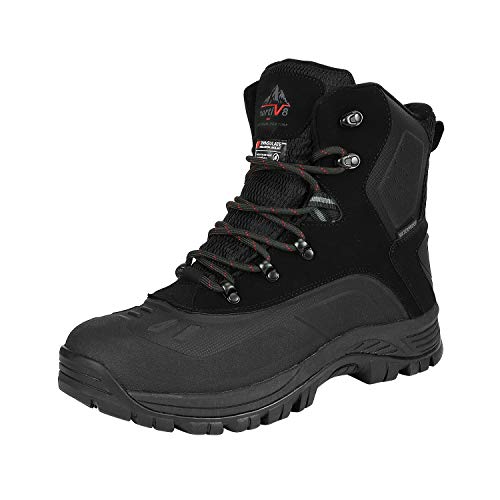
Dedicated winter hiking footwear solves this thermal problem by integrating specialized synthetic insulation inside the boot lining. Models such as the NORTIV 8 Men’s Waterproof Hiking Winter Snow Boots incorporate 200g high-quality insulation designed to retain warmth in sub-zero temperatures. This lofted synthetic barrier traps warm air around the foot while remaining lightweight and resistant to moisture collapse. For true winter expeditions across frozen landscapes, relying on standard summer trail shoes without insulation exposes hikers to frostbite risks.
Attempting to compensate for uninsulated hiking shoes by wearing excessively thick socks often creates secondary foot issues. Stuffing heavyweight wool socks into a standard shoe compresses the internal volume, squeezing the toes and restricting blood circulation. Restricted arterial flow directly accelerates cold-temperature numbness, leaving toes colder than they would be in medium-weight socks. Hikers must ensure their footwear has sufficient forefoot volume to allow natural toe movement, which maintains healthy circulation in freezing weather.
Adapting Footwear to Snow Consistency and Trail Depth
Snow conditions on the trail rarely remain uniform, shifting rapidly based on elevation, aspect, and sun exposure. Light, dry powder on a cold morning behaves very differently underfoot than wet, heavy slush on a sunny afternoon. Hiking shoes with moderate tread can handle a dry dusting on hard ground without significant difficulty. However, as the snowpack softens into wet slush, water penetration risks rise dramatically, and outsole lugs begin packing with heavy slush.
Refrozen crust presents another demanding surface condition where standard trail shoes can fail. Crust forms when melted surface snow freezes overnight into a brittle top layer over loose powder. Walking through crust in lightweight mesh footwear quickly abrades upper stitching and tears delicate textile overlays. Structured hiking boots with protective synthetic toe rands and abrasion-resistant uppers endure this jagged ice crust far better than flexible running shoes.
Packed snow trails, commonly created by regular foot traffic on popular routes, offer the most predictable surface for hiking shoes. The dense, compacted surface supports body weight without post-holing, allowing aggressive rubber lugs to find purchase. However, packed snow quickly polishes into slick ice on steep sections where hikers slide and brake. Carrying compact traction cleats in your pack ensures you can adapt immediately when a packed trail turns slick.
Deep Powder and Flotation: When Snowshoes Become Essential
Walking through deep, unconsolidated powder without flotation leads to rapid physical exhaustion known as post-holing. When a hiker steps into powdery snow in standard footwear, each step punches downward through the snowpack up to the knee or hip. Extracting the foot repeatedly consumes massive amounts of energy and quickly drenches the upper footwear. Standard hiking shoes offer zero surface area displacement, making unassisted winter travel through deep drifts practically impossible.
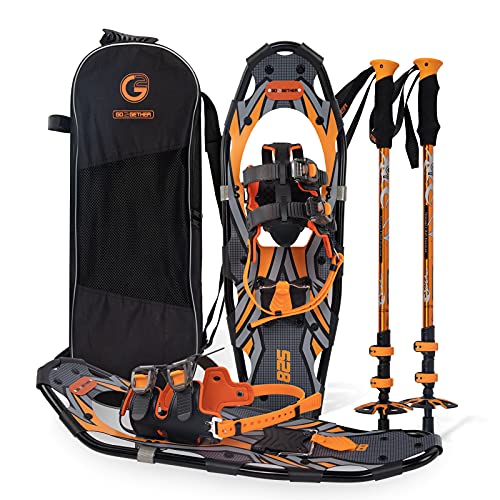
Snowshoes solve the post-holing dilemma by spreading the hiker’s weight across a wide surface decking. Modern designs like the G2 25 Inches Avocado Green Light Weight Snowshoes utilize high-density polyethylene decks to create buoyant flotation on top of deep snowdrifts. These frames integrate fast-adjusting ratchet bindings that strap securely over standard hiking boots or winter snow footwear. Soft EVA padding inside the bindings ensures an even hold across the boot without pinching pressure points or restricting forefoot flex.
Mechanical features on winter snowshoes also enhance climbing efficiency on steep, snow-covered grades. Integrated heel lifts, found on setups like Yukon Charlie’s Sherpa Snowshoe Kit, reduce calf strain significantly by elevating the foot into an ergonomic climbing angle during ascents. Aluminum crampons mounted beneath the pivot bar bite deeply into hard crusts, providing traction that no standard hiking shoe outsole could ever achieve alone. Integrating dedicated snowshoes transforms standard waterproof hiking boots into capable backcountry winter tools.
Binding compatibility is another vital consideration when attaching standard hiking footwear to snowshoe frames. Rigid bindings require a stable boot structure so the straps do not crush the foot or slip off during lateral traverses. Softer low-cut shoes may buckle under ratcheting strap tension, causing discomfort across the bridge of the foot. Mid-cut boots with supportive leather or dense synthetic uppers provide the necessary chassis stiffness for comfortable, secure snowshoe bindings.
Anatomical Fit and Natural Movement on Frozen Ground
Winter footing demands heightened proprioception and natural foot mechanics to maintain balance on uneven, shifting snowpack. Footwear designs featuring wide toe boxes, such as the Hike Canyon Trail All-Terrain barefoot style, allow toes to spread naturally for enhanced lateral stability. When the toes splay outward unhindered, the foot can make minute balance adjustments on slippery terrain much more effectively. This natural splay also prevents the cramped foot positioning that frequently leads to premature numbness in cold weather.
Flexible, zero-drop trail footwear keeps the heel and forefoot level with the terrain to foster upright body alignment. However, minimalist and barefoot trail footwear requires extra caution in snow because the thin soles offer minimal thermal buffering against freezing ground. Hikers using flexible, wide-toe trail shoes in winter must monitor underfoot temperatures carefully to avoid excessive cold transmission. Pairing these shoes with insulated thermal footbeds can help preserve natural movement while blocking frigid surface temperatures.
Midfoot lockdown and torsional stability also become paramount when traversing snow-covered side slopes. Boots reinforced with internal nylon shanks, like the Y-shape shank in XPETI Terra Mid boots, prevent the chassis from twisting uncomfortably when edging into packed snowbanks. Reinforced TPU heel stabilizers hold the calcaneus securely in place, preventing side-to-side slippage within the shoe. Stable heel lockdown reduces energy waste and minimizes friction hot spots during arduous winter ascents.
Sizing up a half-size during the winter months accommodates thicker thermal sock pairings without creating restrictive pinch points. When feet are forced into snug shoes, the lack of air space accelerates heat loss and compromises the insulating properties of wool fibers. A small pocket of trapped, warm air around the toes acts as a natural thermal barrier against freezing temperatures. Ensuring a thumb-width of space between your longest toe and the front of the shoe preserves this insulating zone on cold descents.
Outfitting Children and Family Groups for Winter Trails
Younger hikers face unique traction challenges on snowy trails because their lighter body weight generates less downward force to sink outsole lugs into firm snow. When walking across packed snow or icy path sections, children can slip unexpectedly even in sturdy trail shoes. Equipping younger adventurers with specialized traction devices, such as Kids Ice Cleats featuring 14 stainless steel spikes and flexible silicone harnesses, ensures dependable stability on family outings. These devices stretch easily over everyday boots, keeping kids secure without requiring expensive specialized winter footwear.
Maintaining warmth for young feet requires vigilant attention to sock layering and waterproof integrity. Children often step directly into deep drifts and slush puddles, testing the upper fabric seams of their footwear to the limit. Ensuring their boots feature seam-sealed membranes and snug ankle closures prevents snow from soaking their socks and cutting the outing short. Bringing spare wool socks and reviewing cold-weather trail essentials helps ensure a safe, comfortable winter adventure for everyone in the group.
Routine gear checks before reaching the trailhead prevent avoidable failures in freezing backcountry conditions. Inspecting rubber eyelets, straps, and chain links ensures that cold-weather tension will not snap older traction devices mid-trail. Packable carrying cases protect back-up cleats from damaging other gear inside backpacks during transit. Simple preparations keep winter family walks enjoyable and incident-free.
Practical Decision Framework for Using Hiking Shoes in Snow
Deciding whether to wear standard hiking shoes in snow comes down to assessing four trail variables: temperature, snow depth, moisture content, and surface grade. If the forecast calls for temperatures above freezing on flat, packed trails with less than two inches of dry snow, quality waterproof hiking shoes perform admirably. In these mild conditions, standard rubber outsoles with deep multidirectional lugs offer sufficient grip without needing heavy winter boots. The key is ensuring that the path does not hide underlying ice patches that could cause sudden slips.
When trail conditions drop well below freezing, involve icy sections, or feature snow depths exceeding ankle height, standard hiking shoes require supplemental gear. Adding external microspikes or cleats provides the mechanical bite needed to navigate frozen inclines safely. For deep backcountry snowdrifts, attaching snowshoes with buoyant HDPE decks prevents exhausting post-holing. Never rely on uninsulated, non-waterproof mesh sneakers in true winter conditions, as wet feet in freezing temperatures create serious medical hazards.
Matching your footwear system to the specific winter environment ensures both comfort and safety on the trail. Evaluating the structural traits of your shoes, from membrane water defense to outsole lug depth, helps identify clear performance boundaries. Carrying supplemental traction devices, wearing proper thermal layers, and testing footwear fit indoors before winter excursions ensures a confident stride across every snowy landscape.


Write Your Review
No reviews yet. Be the first to share your experience!