


Finding trail footwear that prevents blister friction and toe impact on steep descents often forces hikers to look beyond standard gender labels. Many female hikers struggle with narrow footwear options that pinch metatarsals or cause hot spots during long trekking days. If you are wondering whether can women wear mens hiking boots, the simple answer is yes, provided you account for crucial anatomical and structural differences. A well-fitted boot must secure your heel counter while allowing adequate toe splay to navigate rocky paths and root-covered climbs safely.
While pairing your footwear with proper flexible trail pants ensures overall trail mobility, dialing in your boot volume determines whether you finish your hike comfortably or in pain. Men’s boots are engineered on different manufacturing lasts, featuring wider forefoot profiles and broader heel pockets than women’s models. Understanding how these structural factors influence stability will help you decide whether crossing over into men’s outdoor footwear is the right choice for your specific foot shape.

Pros
- Ankle-high waterproof build protects against puddles, wet mud, and shallow splashes
- Flexible EVA midsole and removable cushioned insole deliver immediate step-in comfort
- High-traction rubber outsole provides dependable grip on wet, muddy, and loose ground
- Multipurpose design suits day hiking, camping, light backpacking, and manual outdoor work
Cons
- Waterproof membrane reduces upper airflow in hot, dry summer weather compared to ventilated mesh footwear
- Lacks the rigid shank support required for technical mountaineering or crampon use
- Sizing is fixed to standard shoe lasts and may require aftermarket insoles for specialized arch shapes
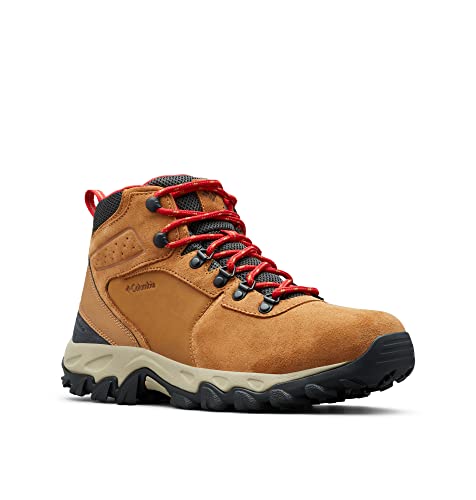
The NORTIV 8 Men's Ankle High Waterproof Hiking Boots are built for day hikers, weekend backpackers, campers, and outdoor workers who need ankle stability and dependable wet-weather protection. Featuring an ankle-high silhouette in a brown, black, and tan colorway, this trail footwear caters to outdoor enthusiasts who navigate muddy paths, rocky forest tracks, and uneven ground. The design emphasizes immediate step-in cushioning and reliable traction, making it an appealing option for beginners and budget-minded hikers seeking functional outdoor footwear.
Underfoot cushioning and trail shock absorption rely on a balanced two-part comfort setup featuring lightweight EVA midsoles and removable cushioned insoles. The flexible EVA foam absorbs ground impact and provides responsive energy return, helping to minimize foot fatigue over long days on the trail. In addition, the removable shock-absorbent footbed allows hikers to remove the insoles to air out after wet outings or replace them with custom orthotics if specific arch support is needed.
Outsole traction and upper construction are specifically engineered for challenging, slick outdoor surfaces. The durable rubber outsoles feature pronounced, multidirectional lugs designed to grip mud, damp dirt, wet rocks, and loose gravel, minimizing slipping on steep ascents or slick descents. The ankle-high cut offers added lateral support and keeps trail debris from entering the footwear, while the waterproof upper helps keep feet dry during rainy hikes, dewy mornings, and shallow stream crossings.
Caring for and maintaining these boots is straightforward thanks to the synthetic upper and durable rubber foundation. Because the insoles can be taken out, drying the boots after rainy trail excursions or sweaty hikes is much faster, which helps preserve the internal materials and reduce odor buildup. Hikers should routinely brush dried mud from the outsole grooves to ensure the rubber lugs retain their intended grip on future outings.
While these boots deliver solid recreational performance across everyday outdoor activities, they do have practical footwear limitations. The waterproof barrier naturally limits upper ventilation during hot, dry summer hikes, which can cause feet to feel warm over extended mileage. Additionally, while the flexible sole excels on moderate trails, it lacks the rigid full-length shank needed for alpine mountaineering or heavy pack loads on jagged rock. For day hikers, weekend campers, and casual trail travelers wanting dependable grip, ankle coverage, and weather protection, these boots provide sensible, trail-ready utility.
The NORTIV 8 hiking boots are equipped with a high-traction rubber outsole engineered specifically for slippery and varied surfaces. The multidirectional lug pattern is shaped to dig into soft soil, mud, wet leaves, and loose gravel, giving hikers confident footing on rolling hills and uneven ground.
To maintain maximum grip, hikers should periodically clean packed mud from between the tread blocks, allowing the durable rubber compounds to make direct, secure contact with the trail surface.
Comfort is delivered primarily through a lightweight, flexible EVA midsole combined with a removable cushioned insole. This setup provides shock attenuation that dampens repetitive trail impacts, helping to keep foot fatigue manageable over miles of walking.
The removable nature of the insoles also means hikers with specific orthopedic requirements can easily insert personalized arch supports without overcrowding the interior of the boot.
These boots incorporate an ankle-high waterproof exterior designed to resist moisture from rain, wet grass, and trail puddles. The ankle-height collar provides extra barrier clearance compared to low-top hiking shoes, preventing shallow splashes from entering over the top.
Hikers should keep in mind that stepping into water deeper than the ankle collar will allow moisture inside, and waterproof footwear generally dries slower and retains more foot warmth than non-waterproof ventilated shoes.
How Women Can Successfully Fit and Wear Men’s Hiking Boots
Women can certainly wear men’s hiking boots, and many hikers do so to find extra toe room or accommodate wider forefoot dimensions. However, successfully making the switch requires more than just picking a smaller numeric size off the shelf. Footwear lasts differ fundamentally across gender lines, influencing everything from arch placement to heel stability.
Gender-Specific Lasts and Foot Biomechanics
Footwear manufacturers build boots around solid models called lasts, which dictate the interior volume, arch curve, and width of the shoe. Statistically, female feet feature a higher ball-to-heel ratio, meaning the forefoot is wider relative to a narrower calcaneus or heel bone. Men’s lasts, by contrast, are constructed with a more uniform width profile from front to back.
This biological difference also extends to the instep height and overall foot volume. Men’s boots generally provide substantially more vertical space across the bridge of the foot, which can feel cavernous for an average female foot. If a boot allows vertical play across the midfoot, your foot will slide forward on descents and slam into the toe cap.
Converting Sizing and Width Standards
Navigating the size conversion between men’s and women’s footwear requires understanding both length and standard width profiles. In the United States sizing system, there is typically a 1.5-size difference between women’s and men’s models. For example, a woman who wears a standard US size 8.5 will generally start by trying a men’s size 7.
Width designations introduce an equally critical variable that hikers often overlook. A standard women’s boot is built on a B width, whereas a standard men’s boot is built on a D width. This means that when a woman steps into a standard men’s boot, she is automatically stepping into a wider shoe. If you already have wide feet, this change can feel like an immediate relief, but hikers with narrow heels must plan accordingly.
Hikers Who Benefit Most from Men’s Hiking Boots
Certain foot shapes and anatomical profiles find immediate advantages in men’s footwear. Female hikers with wide forefeet, bunions, or broad metatarsal spreads often find women’s wide options still feel too constricting. Stepping into a men’s D-width platform provides the necessary room to let toes splay naturally during extended trail mileage.
Hikers who use custom orthotics or high-volume aftermarket footbeds can also gain an advantage from the deeper interior profile. Stiffer arch supports often push the foot upward, causing the top of the foot to press painfully against the tongue in low-volume boots. The taller instep clearance of men’s boots easily accommodates rigid footbeds without compromising vertical comfort.
Managing the Heel Slippage Dilemma
The most common complaint when women wear men’s boots is excessive heel lift on steep ascents. Because men’s lasts feature a wider heel cup, a narrower female calcaneus can easily shift up and down with every uphill step. This continuous micro-movement creates repetitive friction, which quickly breaks down outer skin layers and produces severe blisters.
Heel instability also compromises your balance on uneven scree or technical rock slabs. When your heel is not locked firmly against the back of the footwear, your calf muscles and Achilles tendons work harder to stabilize your stride. Over long miles, this lack of structural retention leads to premature lower-leg fatigue and sore arches.
Addressing Downhill Toe Collision and Foot Drift
Downhill hiking presents another serious biomechanical challenge when interior volume is too generous. If the midfoot cannot be clamped securely, the entire foot shifts forward inside the boot as gravity pulls you down the slope. This forward slide forces your toes against the front of the toe bumper, causing bruised toenails or subungual hematomas.
Hikers often mistakenly assume that black toenails mean the boot is too short in length. In reality, excess midfoot volume is frequently the true culprit, allowing the foot to slide forward despite adequate overall length. Preventing this motion requires stabilizing the instep so the foot remains anchored against the heel counter during descents.
Optimizing Volume with Insoles and Cushioning
Dialing in the fit of a men’s boot usually involves replacing the factory footbed with a structured aftermarket insole. Factory insoles in trail boots are often thin, flat foam pieces that offer minimal contouring and little volume adjustment. Swapping in a deep-cupped insole lifts the foot, fills excess vertical space, and narrows the effective heel pocket.
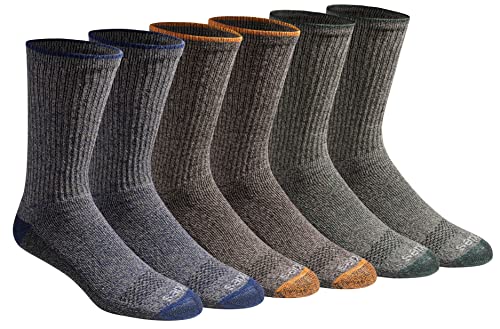
You can also use non-compressible volume shims underneath the insole to fine-tune internal dimensions. A two-millimeter felt or EVA shim placed beneath your arch support can absorb excess vertical room without constricting your toes. Combining this adjustment with dense merino wool socks provides additional padding and friction protection against the wider collar.
Technical Lacing Adjustments for Heel Security
Lacing adjustments offer a powerful, tool-free method to customize boot tension across different zones of your foot. A standard crisscross lacing pattern distributes tension equally, which often leaves the heel loose while overtightening the forefoot. By applying specialized knots, you can isolate tension exactly where you need extra lockdown.
The surgeon’s knot is one of the most effective techniques for preventing heel lift in higher-volume footwear. By twisting the laces around each other twice before routing them through the ankle hooks, you create friction that locks the lower boot tension in place. You can then pull the ankle collar snug to secure the heel without putting painful pressure on the top of your instep.
Another reliable option is the window or box lacing method, which relieves pressure points across sensitive dorsal nerves. If pulling your laces tight to secure your heel causes numbness across your instep, skip an eyelet crossover directly over the tender area. This technique maintains strong tension at the ankle collar while leaving room for the natural bridge of your foot.
Midsole and Upper Construction Considerations
The materials used in the upper and midsole play a major role in how forgiving a men’s boot feels on a woman’s foot. Synthetic textiles and flexible mesh break in quickly, adapting to the contours of your foot much faster than heavy full-grain leather. A boot featuring split-suede overlays and lightweight synthetic materials provides agility while reducing initial stiffness around the ankle.
Midsole construction dictates how shock is absorbed under sustained pack weights. Molded EVA midsoles offer plush, flexible cushioning that helps reduce foot fatigue on day hikes and established trails. For example, options like the NORTIV 8 Men’s Ankle High Waterproof Hiking utilize a lightweight EVA midsole and an ankle-high collar to balance joint support with flexible underfoot comfort.
When carrying heavier multiday packs or internal frame backpacking packs, boot support becomes even more critical. Firmer midsoles resist compression over high mileage, helping protect your plantar fascia from strain on rough terrain. Choosing a boot with a supportive chassis helps maintain underfoot stability even if the boot’s internal volume is slightly broader than standard women’s footwear.
Executing Trail Readiness and Incline Checks
Before heading onto rugged trails, you must thoroughly evaluate your boot fit in a controlled indoor environment. Put on the exact hiking socks and aftermarket insoles you plan to wear outdoors, and lace the boots completely. Stand on a hard surface and kick the toe of the boot lightly against the floor; your toes should not make hard contact with the front bumper.
Next, perform a downhill ramp test using a domestic staircase or an inclined board. Walk down the incline slowly, paying attention to whether your foot slides forward inside the footwear. If your heel lifts noticeably on the ascent or your toes jam forward on the decline, re-evaluate your lacing tension or add a volume-reducing shim before committing to an outdoor trek.
Pairing your footwear setup with supportive knee hiking pants can also help reduce joint fatigue on steep downhill sections. Monitoring how your lower body feels during these initial incline trials will highlight any subtle biomechanical imbalances early. Catching friction points indoors allows you to adjust your setup before blisters derail your hike.
Outsole Traction and Trail Maintenance
Regardless of whether your boots are labeled for men or women, outsole performance on slick granite and mud remains paramount. Look for durable rubber compounds featuring multi-directional lugs designed to bite into soft earth and grip wet stone. An undercut heel brake provides essential downhill stopping power, preventing uncontrolled slips on loose scree slopes.
Proper maintenance protects both the rubber tread and the internal cushioning from premature degradation. Clean trail mud off your footwear after every trip using a soft brush and lukewarm water, as dried soil pulls moisture from synthetic fabrics and weakens glued seams. Store your boots in a temperature-controlled environment away from direct heat to keep the midsole foam pliable and resilient.
Strategic Takeaways for Female Hikers
Choosing to wear men’s hiking footwear is a practical, effective solution for women needing wider forefoot room, higher instep clearance, or extra volume for orthotics. Success hinges entirely on managing the broader heel cup and preventing unwanted foot migration through thoughtful lacing, supportive footbeds, and proper sock layering.
Take the time to test your fit thoroughly on inclines, adjust your internal volume with shims if necessary, and prioritize heel stability above all else. When properly dialed in, a men’s hiking boot can provide the durable support, traction, and comfort you need to tackle demanding trails with confidence.



Write Your Review
No reviews yet. Be the first to share your experience!