


Planning a cold-weather mountain trip often raises practical questions about versatile wardrobe choices. Many outdoor lovers wonder whether their everyday trail apparel can handle cold resort conditions or backcountry snow. Specifically, skiers and hikers alike often ask: can you ski in hiking pants without getting drenched or freezing on the chairlift? Standard summer trail trousers usually fall short, but specialized cold-weather designs with fleece linings and protective shells offer much greater flexibility. Pairing appropriate thermal layers with suitable outerwear can make a noticeable difference in overall comfort on frosty slopes.
While regular three-season options like standard lightweight trail trousers lack the water barrier required for heavy snow, modern winter softshell models blur the line between trekking gear and ski apparel. Finding versatile options among durable hiking bottoms on sale allows outdoor enthusiasts to adapt their cold-weather kits without buying separate garments for every mountain hobby. Understanding fabric construction, boot fit, and moisture management ensures you stay warm, mobile, and dry in unpredictable mountain climates.

Pros
- Cozy fleece interior delivers immediate warmth without the constant need for thick thermal base layers.
- Weather-resistant softshell coating helps shed snow, light precipitation, and brisk winter gusts.
- Side-elastic mid-waist allows for comfortable breathing room and flexible fit adjustments.
- Secure front zipper pockets keep essential items from sliding out on the trail.
- Durable ripstop exterior weave resists minor snags and trail scrapes from low brush.
Cons
- Waterproof coating resists snow and dampness, but unsealed seams mean these are not designed for torrential downpours.
- Insulated fleece lining creates excess warmth that makes them unsuitable for mild or hot-weather hiking.
- Available product specifications do not detail exact inseam options or lower-leg cuff adjustments.
The MAGCOMSEN Women's Fleece Lined Softshell Pants are insulated cold-weather outdoor trousers designed for winter day hikers, snowshoers, campers, and cold-climate travelers seeking dependable warmth. Built with a weather-repellent outer shell and a soft interior fleece layer, these bottoms are targeted toward women who spend time outside in low temperatures and brisk winds. Instead of forcing hikers to juggle bulky external shells over heavy thermal tights, this design merges a weather-resistant exterior with an integrated thermal lining into an accessible, all-in-one winter trail pant.
On winter trails and snowy paths, these softshell pants prioritize thermal retention and wind blocking during moderate-paced cold-weather outings. The manufacturer-listed waterproof surface coating helps repel light snow flurries, damp brush moisture, and surface spray, while the dense outer weave acts as a barrier against chilling gusts. The fleece-lined interior features listed moisture-wicking characteristics that help manage sweat during steeper climbs, though softshell construction naturally traps significant heat compared to unlined trekking trousers. For active winter hiking, snowshoeing, or walking exposed ridgelines, the fleece insulation provides a cozy microclimate without feeling excessively stiff.
The pants are built around a durable ripstop exterior fabric paired with an integrated heat-locking fleece backing. The ripstop construction enhances abrasion resistance, giving the surface useful resistance against scratches from low-lying twigs, brush, or rocky outcrops. At the waist, the pants feature a mid-rise cut with a front zipper closure and integrated elastic side sections. This elasticized waistband segment allows the pant to expand and contract with bodily movement, accommodating bending and high steps on uneven trails. For storage, two zippered front pockets give the wearer secure spots to stow a smartphone, identification cards, or small trail snacks without fear of contents falling out into deep snow.
Regarding fit and daily handling, the mid-waist design and side elastic panels provide flexibility around the hip and waist area. The elastic inserts help maintain a snug yet forgiving fit, which can be advantageous when wearing a daypack hip belt or moving between seated and standing positions. Because the pants come with integrated fleece insulation, sizing should account for whether you plan to wear them directly against the skin or layer lightweight thermal bottoms underneath in extreme sub-zero weather. The available product data does not list specific ankle cinches or boot hooks, so hikers pairing these with bulky winter footwear may want to check cuff openings or consider adding separate snow gaiters if traversing deep powder.
Prospective buyers should note specific design boundaries based on available product specifications. While the manufacturer highlights a waterproof coating layer that repels rain and snow, the specifications do not indicate fully taped or sealed seams, meaning the garment is not built for sustained torrential rainstorms or extended submersion. Additionally, the dedicated fleece lining limits year-round utility, making the pants far too warm for spring or summer hiking. The product data also lists only two front zippered pockets, which may limit storage options for hikers accustomed to carrying gear in cargo or rear pockets.
The MAGCOMSEN Women's Fleece Lined Softshell Pants represent a practical, budget-conscious choice for cold-weather day hikers, winter travelers, and outdoor recreationists needing insulated warmth and wind resistance in freezing temperatures. They offer a dependable balance of scratch-resistant ripstop protection, flexible waist comfort, and cozy fleece insulation for snow walking, late-season camping, or winter resort strolls. If you need a reliable, insulated winter hiking pant for sub-freezing trail outings without paying premium technical-mountaineering prices, these fleece-lined pants are an appealing and capable option.
The integrated fleece lining in the MAGCOMSEN Softshell Pants serves as the primary thermal barrier by trapping warm air directly against the lower body. For high-output hiking in temperatures hovering around the freezing mark, the pants generally supply sufficient thermal retention without the mandatory addition of heavy base layers.
When venturing out in extreme sub-zero conditions or stationary cold-weather activities such as ice fishing or winter camping, there may still be room to pair these pants with a slim synthetic or merino wool base layer. The listed moisture-wicking fleece helps pull perspiration away from skin during steep climbs, preventing damp chill when you stop to rest.
Mobility in the MAGCOMSEN Softshell Pants is anchored by an elasticized mid-waist configuration that adjusts to natural body movements. The elastic side panels built into the waistband stretch during bending, sitting, or taking high steps over downed trail logs, helping prevent pinching at the midsection.
While the product details do not list articulated knee darts or a gusseted crotch, the flexible waistband and softshell construction provide adequate everyday freedom of motion for standard hiking, snowshoeing, and outdoor chores. The front zipper closure ensures secure fastening while keeping the waist profile relatively smooth beneath a daypack or hip belt.
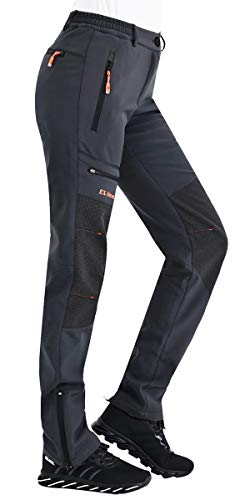
Pros
- Integrated fleece lining offers reliable cold-weather warmth without needing an immediate thermal base layer in moderate cold
- Four secure zippered pockets keep trail essentials and electronics protected while moving
- Articulated knee tailoring and elastic side waist ensure good mobility on uneven terrain
- Ankle leg zippers simplify putting on and taking off boots while helping keep snow and wind out
- Ripstop exterior provides practical abrasion resistance against brush and trail obstacles
Cons
- Fleece insulation is too warm for moderate or hot-weather hiking conditions
- Waterproof coating on softshell fabric repels snow and showers but is not intended to replace full seam-taped hardshells in prolonged downpours
- Sizing is specific to an 8 Short cut, requiring close attention to the manufacturer size chart before ordering
The Postropaky Women's Insulated Softshell Hiking Pants are designed for hikers, snowshoers, and cold-weather outdoor enthusiasts who require both wind-blocking warmth and exterior weather resistance. Rather than layering separate rain pants over heavy base layers, this dual-layer construction pairs an insulated interior with a protective outer shell. The 8 Short sizing caters specifically to hikers seeking a shorter inseam without excessive fabric bunching around footwear.
For winter trail use, the exterior fabric utilizes a stretchy spandex-blend ripstop weave treated with a waterproof coating designed to shed light rain, slush, and snow while cutting through icy winds. On the inside, a skin-friendly fleece layer traps body heat while wicking away perspiration during sustained uphill climbs. The articulated knees and 3D mid-waist profile allow a natural range of movement, preventing the restrictive pulling often experienced with non-stretch winter apparel.
Storage and boot integration are notable design strengths of these pants. Four large-capacity zippered pockets provide secure, enclosed spaces for trail snacks, maps, gloves, or a smartphone, reducing the need to constantly reach into a daypack. At the hem, zippered ankle openings expand the cuff to fit smoothly over bulky winter hiking boots or ski footwear, creating a snug seal that helps prevent cold drafts and snow from entering.
In terms of trail comfort and fitting, the elasticized side panels at the mid-waist contour to the hips without requiring an overly tight belt. The ripstop construction provides dependable resistance against snagging trailside brush, rough rock faces, and gravel. When caring for the pants, following standard synthetic wash instructions helps preserve the surface coating and maintain the loft of the internal fleece.
These pants carry realistic limitations typical of insulated softshell garments. Because they feature a permanent bonded fleece lining, they are unsuitable for warm-weather hiking or high-output aerobic use in mild climates where heat buildup becomes uncomfortable. Furthermore, while the coated exterior effectively resists snow and passing showers, it does not replace fully seam-sealed waterproof rain pants for prolonged torrential downpours.
For winter day hikers, shoulder-season campers, and cold-weather trail walkers who prioritize warmth, flexible movement, and dedicated zippered pocket storage, the Postropaky Insulated Softshell Pants provide solid everyday trail utility at an accessible price point.
The exterior of the Postropaky Softshell Pants uses a durable, scratch-resistant ripstop fabric with a stretchy spandex blend. This outer layer is treated with a specialized waterproof coating engineered to repel rain, wet snow, and mud while blocking cold drafts.
The interior is lined with a breathable thermal fleece designed for next-to-skin comfort. This fleece lining incorporates moisture-wicking properties to transport sweat away from the skin, helping hikers remain warm and dry during active winter outings.
This specific model is sized as an 8 Short, featuring a tailored inseam designed for individuals who find standard outdoor pant lengths too long. The 3D mid-waist cut incorporates elastic side sections that stretch comfortably to accommodate base layers or movement on steep trails.
Articulated knee construction ensures the fabric flexes easily when bending, stepping over obstacles, or snowshoeing. Buyers should consult the manufacturer measurement chart to verify waist, hip, and inseam measurements before purchasing.
Evaluating Hiking Pants for Skiing and Cold Mountain Trails
The short answer to whether you can ski in hiking bottoms is yes, but only if you choose the right kind of winter-ready pants. Standard warm-weather hiking trousers made from ultralight nylon will quickly soak through and leave you freezing in mountain snow. In contrast, heavy-duty softshell hiking pants that feature waterproof surface coatings, wind-blocking outer membranes, and brushed fleece interiors can perform surprisingly well during casual resort outings and spring ski days. Understanding what your specific pants can handle will prevent cold surprises when facing high winds, wet chairlifts, and deep snowdrifts.
The Core Differences Between Ski Pants and Everyday Trail Trousers
Dedicated ski pants are built specifically for cold downhill sports where speed, moisture, and high winds create demanding conditions. These purpose-built snow pants typically feature heavy synthetic insulation, built-in internal snow gaiters, and reinforced scuff guards around the inner ankles to protect against sharp ski edges. Most three-season hiking trousers, on the other hand, prioritize maximum breathability, quick drying in warm air, and minimal weight for long uphill walks. If you wear standard thin hiking pants on a ski slope, the lack of thermal padding and snow barriers will quickly become apparent on the very first chairlift ride.
Winter hybrid trousers occupy a practical middle ground between traditional trail pants and bulky snow apparel. These garments combine the flexible mobility of trekking pants with water-repellent exterior coatings and warm fleece interiors. While they may not feature rigid outer shells or internal silicone elastic gaiters, their durable fabric protects against chilly gusts and incidental snow contact. Many cross-country skiers and casual downhill skiers find that this hybrid construction provides ample weather protection without feeling overly restrictive.
Waterproofing and Moisture Barriers on Snow-Covered Slopes
Snow is frozen moisture, but pressure and body heat quickly melt powder into liquid water when you sit down on a chairlift or fall into a drift. Traditional summer trail pants absorb melted snow almost instantly because their lightweight weaves are designed to let air flow freely. When evaluating whether a pair of pants can handle ski conditions, the surface coating is the first technical feature to inspect. Pants engineered with water-repellent surface layers shed slush and snow before the moisture has a chance to soak into the weave.
Water-resistant softshells provide reliable defense against dry, cold snow and brief flurries during mild mountain days. However, sustained wet snow or extended periods sitting on damp chairlift pads will eventually test the limits of water-resistant coatings. Dedicated ski trousers often incorporate heavy waterproof membranes with fully sealed seams to prevent any water penetration under intense mechanical pressure. If you intend to use hiking bottoms for skiing, you must verify that the fabric features a water-repellent barrier capable of keeping moisture at bay during routine spills.
Wind Resistance and Heat Retention on the Mountain
Wind chill drops dramatically as you descend a ski slope at high speeds or sit exposed on an open mountain chairlift. Standard trail pants usually feature highly breathable, porous weaves that allow mountain breezes to cut right through the fabric, stripping away critical body heat. Cold-weather hiking pants combat this issue by utilizing tightly woven softshell fabrics that act as reliable windbreaks. Blocking the cold wind is just as vital as stopping snow because convective cooling can cause muscle fatigue and numbness within minutes.
Thermal insulation works in tandem with wind resistance to keep your leg muscles loose and responsive on steep runs. Pants with integrated fleece linings, like those found on insulated winter softshell models, trap warm air directly against your skin or your base layer. This brushed interior also provides moisture-wicking performance, transporting sweat away from your legs during strenuous turns so you stay dry from the inside out. Combining wind-blocking exterior shells with soft thermal interiors gives winter hiking bottoms the thermal resilience required for sub-freezing slopes.
Ski Boot Compatibility and Ankle Hem Design
One of the most frequent mechanical issues when skiing in hiking pants is getting the ankle cuffs to fit over bulky ski boots. Traditional hiking bottoms usually feature narrow, tapered leg openings designed to hug the tops of trail shoes and prevent snagging on trail debris. Ski boots, by comparison, have thick plastic shells, large buckles, and wide power straps that require generous cuff circumference. Forcing a narrow pant leg over an alpine ski boot is virtually impossible and will leave the lower leg bunched up awkwardly around your calf.
Winter pants with zippered bottom leg openings solve this fit problem by allowing the lower hem to expand easily over large footwear. Models featuring dedicated ankle zippers can be pulled wide while you buckle your boots and then zipped down securely to keep snow from blowing upward. Without wide leg openings or expansion zippers, snow will easily find its way into the top of your boots, leading to freezing feet and ruined ski days. Verifying ankle width and zipper expansion is therefore an essential step before heading to the mountain in hiking apparel.
Articulation, Stretch, and Downhill Mobility
Skiing demands a dynamic range of lower-body movement, including deep knee bends, rapid hip adjustments, and continuous lateral stability. Rigid fabrics with zero stretch pull tightly across the thighs and lower back whenever you drop into an aggressive skiing stance. High-quality winter pants incorporate spandex or elastane blends into their woven shells to ensure unrestricted flexibility through every carve. Stretchy fabric construction prevents binding, reduces seam stress, and keeps the waistband sitting securely in place during vigorous mountain activities.
Pre-shaped tailoring and anatomical knee designs further enhance mobility on both rough hiking trails and steep ski descents. Choosing articulated knee trail pants ensures that the fabric naturally curves with your joints rather than bunching tightly around the kneecaps. When your pants flex seamlessly with your body, you expend less energy fighting fabric resistance throughout a long day of downhill runs. This mechanical freedom is just as valuable when snowshoeing uphill as it is when maneuvering through tight tree runs on skis.
Durability, Ripstop Weaves, and Edge Protection
Alpine environments present harsh abrasive forces that can quickly tear through delicate lightweight apparel. Ski edges are sharp steel blades capable of slicing clean through soft nylon if your skis click together while turning or waiting in lift lines. Furthermore, rough ice crust, tree branches, and accidental falls against frozen snow put immense stress on exterior trouser fabrics. Standard thin hiking pants offer very little protection against these sharp abrasive hazards.
Winter outdoor pants designed with ripstop fabrics provide superior scratch and tear resistance compared to conventional summer gear. The reinforcing grid structure woven into ripstop material prevents small punctures from turning into catastrophic tears across the leg. While dedicated ski pants often have heavy ballistic nylon scuff patches on the inner ankles, durable ripstop softshell hiking pants hold up admirably against normal trail brush and occasional edge contact. Maintaining fabric integrity ensures that your weather barrier stays intact through consecutive seasons of winter recreation.
Evaluating Multi-Sport Winter Softshell Options
Analyzing the design specifications of versatile winter bottoms highlights how well hybrid apparel bridges the gap between hiking and skiing. The MAGCOMSEN Women’s Fleece Lined Waterproof softshell pants feature a coated exterior layer designed to repel water, rain, and snow while locking out freezing wind. Inside, a soft fleece lining locks in heat and wicks internal moisture away from the skin. Built with wear-resistant ripstop fabric and an elastic mid-waist closure, these pants provide the comfort and flexibility needed for cross-country skiing, downhill days, and winter camping.
Similarly, the Postropaky Womens Outdoor Snow Ski Pants offer functional features tailored directly for snow sports and cold trekking. This model combines a stretchy spandex waterproof-coated surface with a skin-friendly fleece inner layer that prevents cold wind penetration. Articulated knees provide flexible movement across challenging terrain, while convenient ankle zipper openings allow the legs to slide easily over ski boots. With four zippered security pockets and tear-resistant ripstop construction, they illustrate how modern winter hiking pants can perform effectively across multiple mountain sports.
Weather Conditions: When Hiking Bottoms Work and When They Fail
Understanding weather thresholds is vital when deciding whether to ski in winter hiking trousers instead of dedicated snow gear. Mild, sunny spring ski days provide the best conditions for wearing water-repellent softshell hiking pants. In temperatures hovering around freezing with dry packed snow and minimal precipitation, hybrid softshells offer superb breathability and comfortable temperature regulation without unnecessary bulk. Their lightweight feel makes them especially enjoyable for cross-country touring and casual resort cruising under blue skies.
Conversely, deep powder days, freezing rain, and severe mountain blizzards present conditions where hiking pants will struggle. Deep powder can push past pant hems that lack dedicated interior elastic powder skirts, letting snow enter boots from the top. Heavy, wet snow sitting on chairlifts will eventually force moisture through standard water-repellent coatings if you remain seated for long periods. When facing torrential winter storms or waist-deep backcountry snow, heavily insulated ski bibs or dedicated hardshell pants with sealed seams remain the safer, drier choice.
Smart Layering Strategies for Skiing in Hiking Gear
Proper undergarment layering is the key to successfully wearing hiking bottoms on a cold ski mountain. Never wear cotton base layers, such as sweatpants or cotton long johns, beneath your winter hiking pants. Cotton retains sweat and melted snow, creating a cold, clammy layer against your skin that drastically increases the risk of hypothermia. Instead, select high-performance synthetic or merino wool base layers that wick perspiration rapidly and retain thermal efficiency even if slightly damp.
External accessories can also compensate for features that winter hiking pants might lack compared to specialized ski apparel. Adding external waterproof gaiters over your hiking pant hems creates an effective barrier against deep powder drifts. A sturdy webbed belt ensures your pants stay properly positioned over your hips without slipping downward under the weight of winter layers. If you are preparing your winter kit on short notice, choosing trail apparel with fast delivery helps ensure your layering system is complete before your trip begins.
Essential Safety, Pocket Security, and Practical Mountain Habits
Operating safely on the ski slopes requires paying close attention to gear security and functional hardware. Riding chairlifts and navigating high-speed runs can quickly dislodge items stored in loose, open hand pockets. Winter pants equipped with sturdy zippered pockets ensure that your lift passes, trail maps, car keys, and phone remain secure throughout the day. Elastic side waist inserts and secure button closures also prevent waistbands from gaping when you bend down to adjust your boot buckles or bindings.
Always inspect your pants and mountain gear thoroughly before heading out onto the ski runs. Verify that the ankle zippers slide smoothly, check that the surface coating still beads water effectively, and confirm that your base layers fit comfortably without bunching behind your knees. Following manufacturer care instructions, such as washing with gentle tech detergents, will maintain the water-repellent surface and prolong the life of the fabric. With thoughtful gear preparation and the right hybrid softshell design, you can enjoy confident mobility and dependable comfort across both snowy trails and groomed ski runs.


Write Your Review
No reviews yet. Be the first to share your experience!