


Yes, hiking boots can be worn every day if they fit comfortably and suit the surfaces and weather you encounter. For can you wear hiking boots everyday, the practical answer depends less on the label and more on weight, flexibility, insulation, and how your feet feel during extended walking. A supportive, grippy boot can be useful on commutes, errands, and uneven paths, but a stiff or warm pair may feel cumbersome indoors or in hot weather. Check toe room and heel hold with the socks you expect to wear, rather than assuming a hiking fit will automatically work for daily use.
Everyday wear also changes the tradeoffs: pavement is harder and more uniform than many trails, while indoor spaces can make rugged tread feel less natural. Waterproof construction may help in rain, yet a membrane or warm lining can retain heat during long periods of activity. The product information supplied here describes options with different features, including removable insoles, breathable fabric, and ankle-high construction, but it does not establish that either suits every foot or routine. For context on how trail footwear differs from casual shoes, see our guide to hiking boot features.
When hiking boots make sense for everyday wear
Hiking boots can serve as daily footwear when their fit and construction match the wearer’s routine, but they aren’t automatically more comfortable than walking shoes. The useful question is whether the boot provides the support and protection you need without adding excess stiffness, heat, or weight. Fit should remain comfortable through a full day, including periods when feet swell, and the outsole should feel appropriate on the surfaces you walk most. Consider the boot as one option in a footwear rotation, not a universal substitute for every shoe.
Boots designed for outdoor use often bring features that can be useful beyond trails, such as a secure lace-up closure, an ankle-high upper, or an outsole intended for varied terrain. Those features do not by themselves prove that a particular boot is suitable for all-day urban wear. Product descriptions supplied for the listed options mention such details as removable insoles, breathable fabric, and outsoles described as slip-resistant. Treat those as stated product features, then assess whether their specific construction fits your needs.
Use this quick check to decide whether a hiking boot is a sensible match for ordinary days:
- Try the boots with the socks you expect to wear most often.
- Check that toes have room and don’t press against the front while walking downhill.
- Walk long enough to notice heel movement, pressure points, or unusual stiffness.
- Consider whether the boot feels too warm for your indoor and outdoor routine.
- Match tread and support to the surfaces you actually encounter each day.
- Confirm that any removable insole can be replaced without crowding the fit.
Fit changes that matter during a full day
A boot that feels secure at home may feel different after hours of walking. Feet can swell during activity, so a snug toe box at the start of the day may become uncomfortable later. Leave room for toe movement without allowing the foot to slide forward, especially on stairs or sloping sidewalks. Persistent toe pressure, numbness, or rubbing is a reason to reassess the fit rather than expect the boot to adapt.
Heel lift deserves attention because repeated movement can create friction and hot spots. Adjust laces to hold the heel comfortably, but don’t tighten them so much that the instep feels pinched or circulation is affected. A different lacing adjustment may help with minor movement, but it won’t correct a boot shape or size that doesn’t suit your foot. Stop wearing the pair for the day if a hot spot develops, and address the cause before resuming longer walks.
Try footwear later in the day if possible, when your feet may be closer to their walking size. Test it with your usual socks, and consider any orthotic or insole you actually plan to use. A removable insole can make replacement or adjustment possible, but the available space inside the boot still determines whether the combination feels comfortable. If you have persistent foot pain or a condition affecting fit, seek individualized guidance from a qualified healthcare professional.
Weight, stiffness, and daily walking comfort
Boot weight and sole stiffness become more noticeable when each step is on pavement or a shop floor. A supportive, rigid platform may feel useful on rough ground, but that same structure can feel restrictive during ordinary errands. Lighter, more flexible footwear may be easier for frequent short walks, though the supplied information does not provide comparable weights or stiffness measurements for the products. Compare how a boot feels on your own route instead of relying on a general assumption that heavier footwear is more supportive.
Boot height is another practical distinction. An ankle-high design may provide coverage and a secure feel, while a taller or stiffer collar can limit movement or feel warm during indoor tasks. Height alone doesn’t establish how much support a boot provides; fit, construction, and the activity all matter. For mostly level sidewalks, a high, rigid boot may offer more structure than your routine calls for.
Consider how quickly you move between settings. A boot that works for a rainy walk and a muddy yard may feel out of place in a warm office or during long periods of standing indoors. If you spend much of the day at a desk, ventilation and ease of removal may matter more than aggressive tread. A second, lighter pair can be a practical alternative when one boot can’t comfortably cover both outdoor chores and indoor hours.
Waterproofing, breathability, and indoor warmth
Waterproofing is useful when wet conditions are part of daily life, but it doesn’t make a boot the best choice in every season. A waterproof upper can block outside moisture according to its construction, while perspiration and warm indoor air can still leave feet damp. Breathable fabric may feel more comfortable in mild or hot conditions, but it doesn’t provide the same stated barrier to water as a waterproof design. Match the feature to the climate and activity instead of treating waterproofing as an all-purpose upgrade.
Water can also enter from above, particularly in heavy rain or deep puddles, regardless of a boot’s waterproof claims. The supplied product information doesn’t specify a water-entry height for the boots described, so don’t assume the collar or tongue can keep water out in every condition. For frequent wet commutes, consider how high water typically reaches and whether rain pants or another layer are relevant. For a closer explanation of the distinction, read our overview of hiking boot waterproofing.
Warm lining can be comfortable in cool weather but may become oppressive during summer errands. Thick socks add insulation and take up room, so check the fit with the sock weight you will really wear. If you regularly move between cold outdoors and heated buildings, a breathable, less insulated setup may be easier to manage. Pay attention to dampness and discomfort rather than assuming that a boot advertised for multiple seasons will feel equally good in all of them.
Tread and traction on pavement and mixed surfaces
Outdoor tread is intended to provide grip on varied ground, but the experience on pavement can differ from that on soil or rock. Deep or widely spaced lugs may feel less smooth on hard floors and can collect mud that you then track indoors. A flexible outsole may feel more natural for daily walking, while a more aggressive pattern may be useful when the same route includes wet paths or loose ground. The product descriptions here use general traction language, not measured lug depth or a guarantee of grip on every surface.
Surface conditions matter as much as the boot category. Wet tiles, polished floors, ice, and wet stone each present different traction challenges, and no outsole should be assumed safe on all of them. Walk cautiously on unfamiliar or slick surfaces, and use footwear appropriate to the conditions. If your routine is mostly smooth pavement, compare the tread’s feel and flexibility with a walking shoe rather than choosing solely for rugged appearance.
These checks can help you assess an outsole for the places you regularly walk:
- Walk on a clean, dry indoor floor to notice whether the tread feels awkward or overly stiff.
- Check the outsole for embedded mud or debris before bringing boots inside.
- Use caution on polished, wet, icy, or otherwise slippery surfaces.
- Notice whether the sole bends comfortably during your normal walking stride.
- Inspect wear over time, since worn tread may change how the boot feels underfoot.
Matching boot construction to your routine
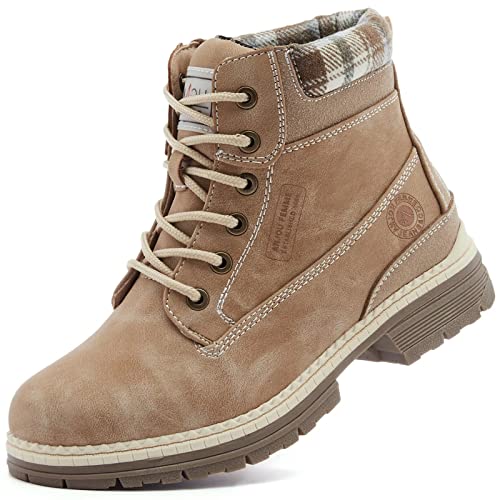
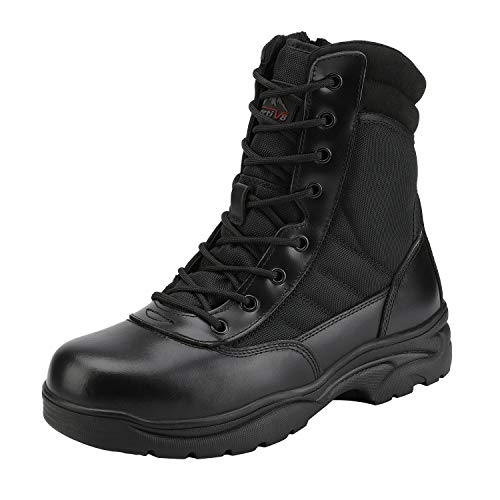
Daily use can mean anything from a short walk to a full shift on your feet, so the best match depends on the actual schedule. A boot intended for outdoor work may offer a different balance of coverage and convenience than a lightweight trail boot. Product descriptions for the options presented mention breathable fabric on one and waterproof PU material on another, along with removable insoles in both descriptions. These are useful distinctions to check, but the descriptions don’t provide enough detail to establish exact breathability, waterproof performance, or long-term durability.
One listed option is described as an ankle boot with a removable insole and plaid fabric lining; another is described as an ankle-high work-style boot with a side zipper and a removable cushion insole. Those details may matter if easy on-and-off access or a replaceable insole is part of your routine. They don’t settle questions about width, arch shape, heel hold, or compatibility with a particular orthotic. Check the size information and return terms before relying on a product description to predict comfort.
Choose construction based on the conditions you face most often. For a dry, warm commute, ventilation may be more useful than a waterproof layer. For cold, wet walks, coverage and weather protection may matter more, provided the boot doesn’t make your feet uncomfortably hot indoors. If your day includes both settings, comfort during the longest or most demanding part of the day should carry more weight than a feature used only occasionally.
Use these practical distinctions when deciding whether to wear hiking boots daily or reserve them for outdoor use:
- Prioritize breathability if your usual environment is warm or mostly indoors.
- Look for stated water protection when rain and wet paths are routine concerns.
- Consider easy closures if you remove and put on footwear several times a day.
- Check insole removability when you plan to use a personal replacement or orthotic.
- Favor a comfortable walking stride over a rugged appearance on smooth daily routes.
- Keep a separate pair available if weather, indoor comfort, and trail needs conflict.
Care and wear from frequent use
Wearing boots every day exposes them to more dust, moisture, and hard-surface contact than occasional trail use. Let damp footwear dry in a ventilated place, and follow the manufacturer’s care instructions for its materials. Don’t place boots beside a campfire or radiator to speed drying, since excessive heat can damage materials or adhesives. Remove dirt gently, and avoid unapproved chemicals or treatments that could affect the upper or lining.
Frequent pavement use can also wear the outsole differently from use on soft trails. Check for uneven wear, changes in grip, loose components, or areas that begin rubbing the foot. Those signs don’t give a precise remaining lifespan, but they can indicate that comfort or traction has changed. Replace or stop using footwear when its condition no longer feels safe or comfortable for the surfaces and activities involved.
Waterproof treatments and care products should be chosen according to the manufacturer’s guidance and the specific upper material. A treatment intended for leather may not be appropriate for every synthetic textile or membrane construction. Don’t assume that a boot needs extra products simply because it is worn often. Clean and care for it according to its instructions, and let the stated materials guide any treatment decision.
When daily wear is the wrong match
Hiking boots may be a poor everyday choice if they cause repeated heel rubbing, crowd the toes, or make feet too warm. Persistent pain isn’t a normal break-in target, and forcing a stiff boot through long walks can turn a minor fit problem into a painful blister. Don’t try to reshape footwear with heat, boiling water, or unapproved chemicals, and don’t cut linings or alter structural parts. If a boot remains uncomfortable after appropriate sizing and lacing adjustments, another style or size may be the more sensible option.
Daily walking also isn’t the same as technical hiking or mountaineering. A general hiking or work-style boot shouldn’t be assumed suitable for climbing, snow travel, or demanding alpine routes unless its manufacturer specifically identifies that use. Match footwear to the difficulty and conditions of the activity, and follow the manufacturer’s safety guidance. A casual boot’s rugged look doesn’t establish technical capability.
For ordinary errands and mixed walking, the decision comes down to comfortable fit, manageable warmth, and tread that suits your surfaces. Try the boots with your intended socks, walk long enough to notice pressure or rubbing, and follow the care instructions for their materials. If they remain comfortable through your real routine, everyday wear can be reasonable; if they cause persistent discomfort, save them for shorter or more suitable outings.



Write Your Review
No reviews yet. Be the first to share your experience!