


Balancing gear volume against unpredictable trail conditions often presents a serious challenge for outdoor enthusiasts. Hikers frequently struggle to decide between a compact daypack and a high-capacity hauler that can accommodate emergency rain gear, active thermal insulation, and essential safety equipment. Understanding how big of a pack do i need for hiking allows outdoor enthusiasts to prevent hypothermia by carrying adequate foul-weather layers without suffering the fatigue of an overloaded setup. Finding the right balance ensures adequate space for weather protection while keeping total trail weight manageable on steep ascents.
Carrying excess pack volume often causes gear to shift loosely, leading to painful shoulder strain and balance issues on uneven switchbacks. Many day hikers review budget hiking backpacks to carry trail apparel, hydration reservoirs, and food for single-day outings. Choosing an appropriate capacity prevents overpacking non-essential items while guaranteeing sufficient room for compressible mid-layers and technical sun protection. Matching your pack volume to your specific route distance and regional climate creates a safer, far more comfortable backcountry experience.





Determining Pack Capacity and Clothing Volume for Trail Success
Choosing the correct pack volume directly dictates how safely and comfortably you can move across backcountry terrain. Sizing a hiking pack depends heavily on the bulk of your clothing layers, the duration of your trip, and the unpredictability of regional mountain weather. A pack that is too small forces hikers to leave behind vital waterproof shells or insulating garments, increasing exposure risks in sudden storms. Conversely, a pack that is excessively large adds unnecessary base weight and encourages carrying redundant items that slow your pace on demanding climbs. Finding the right balance lets you carry necessary protection without overloading your shoulders.
Pack Capacity Metrics and Volume Standards
Backpack capacity is universally measured in liters, reflecting the total volume enclosed within the main compartment and integrated storage pockets. Outdoor manufacturers generally design packs within specific volume ranges that align with distinct trail activities and packing requirements. Understanding these volume tiers helps hikers avoid buying packs that are either dangerously cramped or unnecessarily bulky for their typical outings. A clear grasp of volume standards establishes a practical foundation for assembling your trail kit.
Standard daypacks typically range from ten to thirty liters, offering sufficient capacity for water, food, and protective layers for outings lasting several hours. Weekend packs generally span thirty-five to fifty liters, providing extra volume for ultralight sleep systems, compact stoves, and reserve trail apparel needed around camp. Multi-day expedition haulers expand from fifty-five to over seventy liters to handle extended food rations, water treatment tools, and cold-weather gear. Selecting the correct category prevents the structural instability that occurs when a pack is either overfilled or loosely loaded.
External pockets, stretch mesh pouches, and hip belt compartments expand usable volume without consuming precious internal cargo space. While internal capacity protects delicate garments from rain and abrasive brush, external pockets provide immediate access to essentials like wind shells, maps, and trail snacks. Accounting for both internal and external storage gives you an accurate assessment of total load capability on challenging routes. This functional distinction ensures that essential gear remains organized, balanced, and readily available throughout your trek.
How Technical Clothing Layers Dictate Pack Space
Apparel selection influences your pack volume requirements more than almost any other category of trail equipment. A standard mountain layering system includes a moisture-wicking base layer, an active insulating mid-layer, and a weatherproof protective outer shell. While you wear some of these garments while moving, changing elevation and shifting temperatures require storing unused layers inside the pack. Packing bulky or moisture-retentive clothing rapidly consumes interior space that should remain available for essential safety gear.
Fabric composition directly dictates how tightly an apparel item can compress inside your pack. Heavy cotton garments, such as casual sweatshirts like the How Many Watches Do I Really Need? Watch Collector sweatshirt, take up significant room and hold moisture, making technical synthetic fibers or fine merino wool far better suited for the trail. Technical fabrics compress into tight bundles and dry rapidly, saving space while maintaining thermal efficiency across shifting elevations. Choosing packable garments allows hikers to fit comprehensive foul-weather protection into smaller, lighter packs.
Compact waterproof rain jackets and ultralight wind shells take up minimal room when properly folded or stowed in their own pockets. Garments constructed with lightweight face fabrics and durable water repellent coatings provide substantial storm defense without demanding excessive pack volume. Stowing these compact layers near the top of the main compartment ensures swift deployment during unexpected alpine storms. Proper clothing compression keeps your pack balanced and leaves ample space for hydration supplies and nutrition.
Sizing Daypacks for Short Outings and Minimalist Hikes
Short trail excursions lasting two to four hours require minimal gear, making compact daypacks between ten and twenty liters ideal. Minimalist packs maintain a low profile that hugs your back, preventing unnecessary gear sway and physical fatigue during brisk walks. These streamlined packs work exceptionally well on familiar, well-marked trails with predictable weather forecasts and quick access to trailheads. Carrying a smaller pack also discourages the tendency to bring unnecessary items that add needless weight.
A fifteen-liter daypack comfortably accommodates two liters of water, personal first-aid supplies, trail fuel, and essential sun defense. Lightweight headwear, such as the Owbnaa polyester baseball cap with sun protection, easily clips to the exterior or slips into a side pocket without stealing interior volume. You also have sufficient room to tuck in a lightweight wind shirt or emergency rain poncho for unexpected wind exposure on open ridges. This volume provides complete security for casual outings without feeling bulky or restrictive on your back.
Minimalist packs face clear limitations when trail conditions deteriorate or temperatures swing dramatically. Attempting to fit a thick fleece jacket or full rain pants into a ten-liter pack often strains zippers and causes the back panel to bulge uncomfortably against your spine. If your route ascends into exposed terrain where sudden temperature drops occur, stepping up to a slightly larger volume is critical for maintaining safety. Choosing the right pack size ensures you never compromise safety or comfort for the sake of minimalism.
Extended Daypacks for Variable Mountain Weather
Full-day mountain treks spanning six to twelve hours generally require pack capacities between twenty and thirty-five liters. Mountain environments frequently subject hikers to intense sun, sudden gusty winds, and rapid precipitation cycles within a single afternoon. A twenty-five-liter pack provides enough volume to carry multiple apparel layers, substantial water reserves, a headlamp, and a comprehensive emergency kit. This capacity remains the most popular choice for enthusiastic day hikers who explore remote alpine trails.
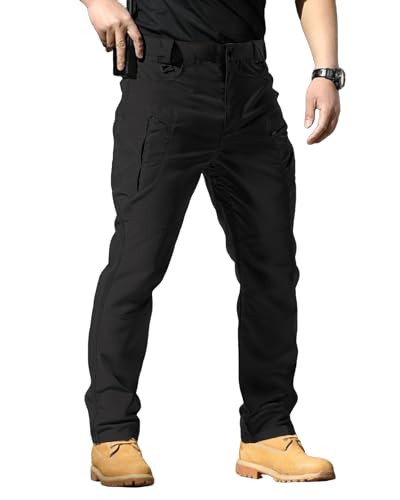
This volume class pairs smoothly with trail apparel like lightweight hiking pants that offer articulated mobility and quick-drying polyester or nylon weaves. Hikers can easily pack storm shells, thermal mid-layers, and spare socks without overstuffing the main compartment or distorting the pack harness. Internal dividers and hydration sleeves keep bulky gear separated from delicate items like electronics and emergency snacks. Maintaining organized compartments prevents you from having to dump out contents during sudden mountain rain squalls.
Shoulder-season hiking in spring or late autumn places additional demands on your pack volume. Cold mornings and chilly summit ridges require carrying extra thermal gloves, warm beanies, and active fleece layers that take up extra space once temperatures rise at midday. A thirty-liter pack accommodates these fluctuating apparel needs without forcing you to strap bulky jackets to the exterior where brush can snag delicate fabrics. Preparing for seasonal weather shifts keeps you safe and warm throughout prolonged elevation gains.
Overnight and Weekend Pack Requirements
Overnight and two-day weekend trips require packs ranging from thirty-five to fifty liters to accommodate shelter, sleeping gear, and camp attire. Sleeping pads, compact sleeping bags, and backpacking shelters consume roughly half of the available interior volume. The remaining capacity must hold cooking equipment, food rations for several meals, and dedicated camp apparel. Careful packing techniques and compact gear selections become essential within this volume bracket to avoid running out of usable space.
Camp clothing requires dedicated space because stationary nighttime temperatures drop significantly below active hiking temperatures. Backpackers typically pack dedicated base layers for sleeping, a high-loft synthetic or down jacket, and warm wool socks to maintain core warmth once physical exertion stops. Keeping these garments dry inside waterproof stuff sacks ensures reliable insulation even after a rain-soaked afternoon hike. Failing to budget adequate pack volume for dry camp layers can lead to shivering and restless nights in the backcountry.
Carrying overnight loads comfortably requires an effective harness system that transfers weight away from your shoulders onto your hips. Robust internal frame trail backpacks provide the structural rigidity needed to stabilize thirty-five to fifty liters of dense equipment over rough terrain. Padded hip belts and ergonomic shoulder harnesses prevent pressure points and chafing across your hips during high-mileage days. Investing in solid frame support ensures your overnight adventures remain enjoyable and safe rather than physically punishing.
Multi-Day Backcountry Treks and Expedition Capacities
Extended wilderness journeys lasting four days or more typically demand packs between fifty-five and seventy-five liters. Carrying five to seven days of food alongside water purification gear, cookware, and full camp shelters demands substantial internal cubic inches. Bear-resistant food canisters required in many national parks also take up rigid, unyielding space inside the main compartment. A large-capacity pack ensures all mandatory wilderness equipment fits securely within the protective fabric shell without excessive exterior lashing.
Winter expeditions and sub-freezing shoulder-season treks expand volume requirements even further due to heavy insulation demands. Sub-zero sleeping bags, mountaineering hardshells, heavy fleece layers, and insulated boots require massive pack volume to transport without crushing delicate loft. Expedition hikers often select packs approaching seventy-five or eighty liters to handle these specialized cold-weather necessities. Proper planning prevents the dangerous situation of leaving behind cold-weather survival gear due to insufficient cargo space.
Packing a high-capacity multi-day hauler requires strategic load distribution to maintain balance along narrow ridges and steep descents. Dense items like food containers and stoves belong close to your spine at mid-back height, while sleeping bags settle into the bottom compartment. Surrounding heavy items with compressible clothing layers stabilizes the load and prevents hard gear from shifting during movement. Proper balance reduces knee impact, minimizes muscle strain, and keeps your center of gravity aligned over your feet.
Accessory Management and Small-Item Trail Organization
Organizing small accessories prevents minor gear from getting lost in the deep cavern of a primary backpack. Many outdoor travelers employ compact supplementary organizers, such as the BDPWSS Peru Lover Crossbody Bag Peruvian Culture, which features durable canvas and three pockets for keys, phones, and sunglasses during transit or around basecamp. Utilizing dedicated accessory organizers keeps personal essentials protected from dirt and moisture. Separating quick-access tools from main gear makes daily trail routines far more efficient and stress-free.
Headwear requires thoughtful management to preserve its structural integrity and ventilation properties. Trucker hats like the Goat Lover Farm Animal SteMi Apparel cap or classic cotton embroidered caps offer cooling mesh panels and facial sun protection during hot midday climbs. Strapping hats to external pack loops when not in use prevents crushing structured brims inside packed compartments. Keeping headwear accessible allows you to deploy sun or wind protection quickly as trail exposure shifts throughout the afternoon.
Dedicated top lid pockets and side zippered compartments protect small technical items like headlamps, pocket knives, and insect repellent. Stowing these items in standardized locations allows you to locate vital tools in the dark without frantic searching. Exterior water bottle sleeves keep hydration within reach, preventing the need to unbuckle your pack for a quick drink. Systematic organization transforms your hiking pack into a highly functional mobile workstation that supports safe trail travel.
Practical Guidelines to Prevent Overpacking on the Trail
Carrying excessive weight is one of the most common pitfalls for novice and experienced hikers alike. Bringing heavy casual garments, like the How Many Guitar Do I Really Need? Just One More sweatshirt, adds unnecessary bulk that should remain in your vehicle for post-hike comfort rather than the trail. Every item in your pack should serve a clear functional purpose or provide critical emergency safety. Eliminating redundant clothing pieces immediately frees up valuable liters for essential survival items and emergency gear.
Conducting a thorough gear audit after every hike helps refine your packing list for future outings. Lay out all gear upon returning home and identify items that remained unused throughout the day, excluding emergency medical supplies. If a secondary mid-layer or extra accessory stayed stowed during typical weather conditions, consider leaving it behind next time. Regular gear evaluation sharpens your awareness of what your body actually needs to stay comfortable and safe across different trail conditions.
Performing a trial pack test before leaving home ensures your selected pack accommodates all essential equipment without stress. Check that all zippers glide shut smoothly without straining seams and that the loaded pack rests comfortably against your lumbar region. If items bulge outward awkwardly, reorganize your clothing layers to cushion hard corners and optimize internal volume. A properly packed, correctly sized backpack guarantees that you spend your energy enjoying the scenery rather than fighting your gear on steep climbs.
Selecting the correct pack capacity ultimately comes down to knowing your gear volume, respecting trail weather forecasts, and choosing packable apparel. When you match your pack volume to the true demands of your hike, you protect your body from unnecessary physical strain and remain prepared for unexpected storms. Pack intentionally, verify your clothing compressibility before heading out, and enjoy the confidence of a well-balanced trail setup on every adventure.


Write Your Review
No reviews yet. Be the first to share your experience!