


Managing body temperature and moisture during hot trail outings requires balancing airflow, skin protection, and sweat evaporation. When warm sun and steep ascents combine, heavy cotton fabrics trap perspiration, leading to uncomfortable dampness and rapid skin chafing under backpack straps. Understanding how to dress for hiking in summer starts with choosing light, quick-drying fabrics that pull sweat away from the body while allowing air to circulate freely. Hikers who transition to breathable trail attire often compare technical tops with lightweight hiking pants to keep cool without sacrificing basic barrier protection against brush and sun.
Hot weather outings also bring choices between technical athletic separates and versatile, relaxed trail-to-town pieces like travel dresses or athletic sundresses. Garments constructed with polyester and spandex offer natural four-way stretch and rapid moisture transfer, which helps prevent damp cling during active walking. Selecting the right summer trail outfit involves weighing direct skin ventilation against the need for sun defense and friction management. With the right balance of moisture-wicking synthetics and loose silhouettes, staying comfortable on sunny trails remains straightforward and effortless.


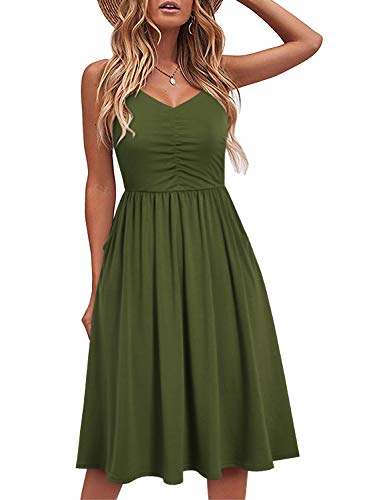

Mastering Summer Trail Outfits: Fabrics, Airflow, and Sun Defense
Dressing for warm-weather hiking requires a deliberate approach to ventilation, moisture transfer, and skin protection. High ambient temperatures cause rapid perspiration, which can quickly saturate garments if fibers lack proper drying capability. When selecting trail clothing, hikers must assess whether their route involves shaded woods, exposed ridges, or casual lakeside paths. Choosing the right ensemble means matching fabric characteristics and garment cuts directly to trail intensity.
The Physics of Summer Trail Fabrics: Synthetics Versus Natural Fibers
Fabric composition serves as the foundation of any comfortable warm-weather hiking setup. Synthetic fibers such as polyester and nylon possess hydrophobic properties, meaning their individual filaments absorb very little moisture. Instead of holding liquid within the yarn structure, these synthetics move sweat outward through capillary action to the garment surface where ambient breezes accelerate evaporation. Adding elastane or spandex, as seen in modern trail and travel garments, supplies functional stretch that prevents binding during uphill movement.
Natural plant fibers like cotton present distinct challenges when the mercury rises. Cotton fibers are hydrophilic, absorbing up to twenty-seven times their weight in water and clinging stubbornly to damp skin. When a cotton shirt becomes wet, it loses its breathability and increases frictional drag, which can irritate sensitive skin across the underarms and chest. While damp cotton provides temporary cooling in dry desert climates, in humid forest environments it simply creates a heavy, clammy layer that dries slowly.
Blended fabrics provide an intriguing middle ground for casual outdoor excursions. Rayon, a semi-synthetic fiber derived from regenerated cellulose, feels exceptionally smooth and cool against bare skin. In garments like the Akihoo Summer Dresses for Women Casual Sleeveless, combining 65% rayon with 35% polyester creates a flowy, drapey hand feel suitable for warm park strolls. However, because rayon retains more moisture than pure polyester, hikers embarking on strenuous ascents should prioritize higher synthetic concentrations to ensure rapid evaporation.
Can You Hike in a Dress? When Casual and Athletic Dresses Work on Trail
Many outdoor enthusiasts wonder whether dresses and one-piece outfits can function effectively on walking paths and hiking trails. For gentle nature walks, established gravel paths, and scenic park trails, lightweight dresses provide exceptional natural ventilation. The open skirt design allows air to circulate around the lower body far more effectively than restrictive pants, reducing heat buildup around the hips and waist. When afternoon temperatures peak, that open airflow keeps hikers remarkably cool.
Fabric construction determines whether a dress can handle trail use without turning into a sweat trap. The WNEEDU Women V Neck Button Down Summer Dress relies on a blend of 90% polyester and 10% spandex, which delivers quick-drying performance along with generous stretch for ease of movement. A loose, swing cut prevents the fabric from plastering against the lower back under a light daypack. Similarly, the Acelitt Womens Gray V Neck Sleeveless Ruffle utilizes an A-line shape that promotes constant airflow during casual outings.
Trail conditions dictate where dresses excel and where they reach practical boundaries. Groomed rail-trails, lakeside loops, and low-angle day hikes are ideal environments for flowy, lightweight summer garments. Conversely, overgrown backcountry paths with dense brambles, poison ivy, or sharp granite scrambles demand durable woven pants or trail tights. Hikers should evaluate the expected trail maintenance and brush density before deciding whether an airy dress or technical separates offer the safest coverage.
Managing Friction and Preventing Inner-Thigh Chafing in Hot Weather
Skin friction represents one of the most frustrating obstacles hikers encounter during hot summer miles. When sweat accumulates between the thighs, the combination of moisture and dried salt crystals creates abrasive friction that irritates outer skin layers. Wearing unlined dresses or loose shorts without proper undergarments can lead to painful chafing within the first few miles. Preventing this discomfort requires strategic moisture control and targeted mechanical barriers.
Pairing breathable dresses with lightweight compression shorts or seamless moisture-wicking bike liners solves this friction dilemma effectively. Synthetic liner shorts create a slick, low-friction barrier between the inner thighs, allowing the legs to glide smoothly with every stride. Because the outer dress maintains an open silhouette, air flows freely over the shorts, promoting rapid sweat evaporation without trapping heat. Many hikers find this combination offers superior thermal relief compared to standard shorts while completely eliminating skin-on-skin rubbing.
Undergarment construction also plays a critical role in preventing chafing around the waist and groin. Flatlock stitching, seamless edges, and wide elastic waistbands distribute tension evenly across the hips without digging in. Hikers should avoid thick cotton underwear, which traps perspiration and bunches up under movement. Applying an anti-chafe skin barrier balm before starting the trek adds an extra layer of protection on high-humidity days.
Balancing Direct Airflow Against Solar Radiation and Trail Exposure
Maximizing airflow often comes with a trade-off in direct sun exposure. Sleeveless garments like the YATHON Women’s Spaghetti Straps Party Sundress and tank-style dresses keep the shoulders and neck completely open to ambient breezes. While this design minimizes thermal insulation and prevents overheating in deep shade, it leaves substantial skin area vulnerable to ultraviolet radiation. Hikers traveling above treeline or across sun-drenched alpine meadows must address this solar exposure proactively.
High-elevation hiking intensifies UV radiation significantly, with solar intensity increasing by roughly four percent for every one thousand feet of elevation gain. A sleeveless dress or tank top requires frequent, thorough sunscreen reapplication across the shoulders, chest, and neck, especially when sweat washes lotions away. Alternately, carrying a lightweight, loose-fitting long-sleeve sun shirt or technical trail cardigan allows hikers to cover up when passing through exposed, unshaded ridgelines. Wide-brimmed hiking hats and polarized sunglasses complete the essential warm-weather protection kit.
Neckline design also influences overall sun exposure and ventilation balance. Deep V-neck cuts, such as those on the Dokotoo Spring Summer Dresses for Women 2025, encourage air circulation across the collarbones and sternum. However, this open area easily burns without broad-spectrum sunscreen or a light trail bandana. Assessing the canopy cover of your chosen trail helps you decide whether open sleeveless garments or full-coverage UPF sun hoodies are the wiser option for the day.
Pocket Architecture and Carrying Essentials Without a Pack
Carrying trail essentials becomes a tactical challenge when hiking in minimalist summer clothing. On short day hikes, carrying a bulky backpack can cause excessive back sweating, leading to heavy sweat patches and discomfort. Having integrated pockets on dresses and shorts allows walkers to carry small items like keys, lip balm, and navigation devices without needing a full daypack. Deep side pockets keep vital accessories within easy reach during steady walking.
The design and placement of pockets dictate their utility on the trail. The SimpleFun Womens Casual Dresses 2026 for Travel features two side pockets proportioned to hold cards, small trail essentials, or a compact smartphone. Similarly, the WNEEDU Women V Neck Button Down Summer Dress includes functional side pockets embedded within its flowy skirt architecture. When items are placed into side pockets on loose-fitting garments, they move naturally with the stride rather than pressing uncomfortably against the hips.
Hikers must be mindful of weight distribution when utilizing lightweight garment pockets. Stashing heavy items like full water bottles or oversized power banks in loose side pockets can cause the garment to pull to one side or swing erratically. For longer excursions requiring extra hydration and first-aid gear, pairing your apparel with a light lumbar pack keeps the load centered over the pelvis while preserving total upper-body airflow.
Evaluating Built-In Support and Layering Efficiency
Layering multiple sports bras and tank tops in hot weather often traps heat and causes chafing around the chest band. Standard sports bras frequently bunch under thick elastic, creating moisture dams where sweat collects and irritates skin. Garments featuring integrated chest support eliminate redundant fabric layers, streamlining the outfit for maximum cooling. This streamlined construction reduces bulk while maintaining comfortable support across easy miles.
The ANYFITTING Built in Bra Summer Dresses for Women illustrates this concept by incorporating built-in bra cups directly into a 94% polyester and 6% spandex shell. This design eliminates the need for an independent, tight bra band, reducing pressure points across the ribs and back. The continuous synthetic fabric wicks perspiration away from the torso uniformly, allowing ambient breezes to cool the skin efficiently. For low-impact trails and warm travel walking, built-in support offers an effortless blend of comfort and simplicity.
Trail Tops and Bottoms Versus One-Piece Garments
Choosing between two-piece hiking separates and one-piece garments comes down to route complexity and personal comfort. Separates, such as athletic shirts paired with shorts or trail pants for mobility, offer unmatched modularity. If high-mileage climbing heats you up, you can adjust ventilation or swap layers independently. Separates also simplify wilderness bathroom breaks and allow hikers to mix different fabric weights between the upper and lower body.
One-piece options like sundresses or rompers excel in simplicity, unencumbered airflow, and transition versatility. When hiking on vacation or combining a morning nature walk with an afternoon in town, a stylish one-piece garment eliminates the need for a mid-day wardrobe change. Tunics like the Dokotoo Spring Summer Dresses for Women 2025 provide an airy, loose fit that feels effortless in high humidity. The lack of an overlapping waistband prevents uncomfortable compression under light hydration waist packs.
However, steep scrambles and unpredictable mountain winds can pose practical challenges for one-piece dresses. Strong gusts along exposed ridge lines can whip lightweight skirts upward, while high stepping over boulders requires unrestricted leg extension. Hikers who prefer dresses for their exceptional airflow should always wear fitted undershorts to maintain full modesty and range of motion during athletic maneuvers.
Laundering and Long-Term Fabric Care for Synthetic Trail Attire
Maintaining the performance, elasticity, and fresh feel of warm-weather synthetic clothing requires proper laundering habits. Synthetic fibers like polyester and spandex tend to trap body oils and odor-causing bacteria within their micro-crevices over time. Washing trail garments promptly after sweaty hikes prevents persistent odors from embedding into the synthetic weave. Using a gentle cycle with cold water protects delicate elastane filaments from heat-induced degradation.
Hikers should avoid using fabric softeners and aggressive bleach when washing technical or casual outdoor apparel. Fabric softeners leave a waxy chemical coating over synthetic yarns, clogging the tiny spaces that enable capillary moisture wicking and trapping odors inside. Manufacturer care instructions for pieces like the WNEEDU Women V Neck Button Down Summer Dress and Akihoo Summer Dresses for Women Casual Sleeveless emphasize washing in a laundry bag with cold water and hanging the garments to dry. Line drying preserves fabric elasticity, prevents pilling, and extends the usable lifespan of your summer trail wardrobe.
Building Your Complete Summer Trail Wardrobe
Assembling a practical summer trail kit begins with honest evaluation of your destination, weather forecast, and route difficulty. For well-maintained city parks, gentle lakeside paths, and scenic travel days, lightweight dresses with quick-drying synthetic blends and supportive liners offer outstanding comfort. For rugged backcountry ascents, pairing moisture-wicking synthetic shirts with durable shorts or lightweight hiking pants provides essential brush protection and durability. In every scenario, avoiding heavy cotton in favor of quick-drying polyester blends ensures you stay dry and comfortable.
Before heading out into the summer heat, verify that your outfit accommodates essential sun safety and temperature changes. Pack a light wind shell or sun hoodie in case shaded canyon winds feel cool after high-output climbing. Ensure your footwear and socks work harmoniously with your apparel, choosing synthetic or merino socks that prevent blister-causing moisture buildup. By selecting breathable fabrics, preventing skin friction, and prioritizing flexible airflow, you can enjoy every sunny summer mile in complete comfort.



Write Your Review
No reviews yet. Be the first to share your experience!