


Managing core temperature and staying prepared for sudden mountain squalls requires a dependable weather shell that does not crowd your backpack. Knowing how to pack helly hansen packable jacket models properly ensures you can transition from clear skies to heavy downpours without stopping your momentum on the trail. Many trail enthusiasts carry garments like the Helly Hansen Loke Jacket or Crew Hooded Jacket, but struggling with bulky sleeves or jammed pocket zippers can waste critical trail time. Mastering efficient folding and compression protects technical fabrics like HELLY TECH waterproof membranes while optimizing internal storage space.
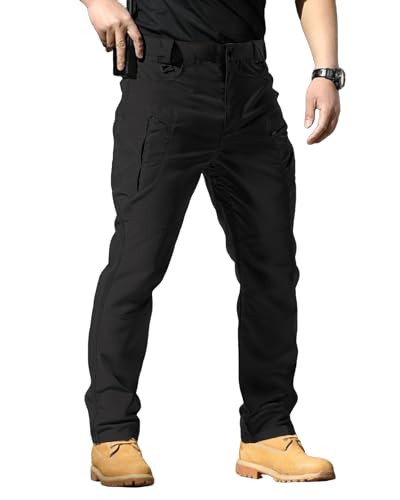
Backpackers often balance outerwear volume against other trail essentials such as trail hydration, extra insulation, and comfortable lightweight hiking pants for all-day mobility. Packing your shell tightly into its dedicated pocket or using a structured hood roll keeps the fabric tidy, reduces friction against rough gear, and prevents unnecessary snagging. By following clean folding lines and avoiding sharp creases across seam-sealed joints, hikers preserve garment longevity and ensure rapid storm deployment whenever dark clouds gather over the ridge.


Complete Step-by-Step Guide on How to Pack Helly Hansen Packable Jacket Styles
Packable outerwear serves as an essential barrier between high-output exertion and unpredictable mountain weather shifts. Knowing how to pack helly hansen packable jacket designs efficiently keeps your pack organized and shields delicate waterproof coatings from unnecessary abrasive wear. Different Helly Hansen jackets use distinct stow configurations, ranging from integrated pocket pouches to collar-stored storm hoods. Understanding which design you own allows you to compress your layer swiftly before ascending into windy alpine terrain.
Identifying Your Specific Jacket Construction and Stow System
Before attempting to fold or compress your garment, check the pocket architecture and collar design to identify the intended stow mechanism. Lightweight 2.5-layer performance shells like the Helly Hansen Women’s Loke Jacket 2.0, 990 Black and Helly Hansen Men’s Loke Jacket 2.0, 990 Black are explicitly engineered as packable products with reversible pocket access. These garments feature a hand pocket with a double-sided zipper pull, allowing the entire shell to nest directly inside its own internal pocket lining.
Other models in the lineup address weather protection with different functional design elements. For instance, the Helly Hansen Women’s Crew Hooded Jacket 2.0 and Helly Hansen Women’s Luna/Gale Rain Jacket include packable hoods that tuck away neatly into high-standing collars rather than compressing the entire torso into a pouch. Similarly, midlayer insulation such as the Helly Hansen Mens Versalite Hooded Fleece Jacket emphasizes lightweight compressibility through open-grid knit fibers that fold flat with minimal resistance. Identifying whether your piece stows entirely into a pocket or simply features a stowable hood prevents forced zipping and unnecessary fabric strain.
Step-by-Step Method for Self-Stowing Pocket Designs
Packing a pocket-stowable shell begins by prepping the garment on a flat, clean surface or across your lap when resting on the trail. Start by opening the main front zipper completely and checking both exterior hand pockets to identify the dedicated stow pocket. In models like the Loke 2.0 series, one pocket houses a reversible zipper head with pull tabs accessible from both sides of the fabric.
Turn the dedicated stow pocket completely inside out, pulling the pocket bag fabric toward the outside of the shell. Lay the jacket flat with the back facing up, then fold both sleeves inward across the back so they lie parallel along the spine. Fold the outer edges of the torso inward by a few inches on either side, aligning the overall width of the jacket with the pocket opening.
Roll the garment gently from the bottom hem up toward the pocket opening while maintaining consistent tension. Work the folded fabric inside the pouch using your thumbs to guide the bulk evenly into the corners without stressing the seam tape. Once the entire body of the jacket sits inside the pouch, gently pull the zipper closed using the external reversible tab to secure the package.
The Hood-Roll Technique for Non-Pocket Stowing Shells
Heavier shells and lined rainwear often lack dedicated reversible pocket pouches, requiring an alternate folding technique on the trail. Garments such as the Helly Hansen Seven J Jacket Navy 1 XL feature a durable 2-layer build with a quick-dry lining that does not compress into tiny pockets. The hood-roll method creates a self-contained cylinder using the jacket’s fixed hood as an outer sleeve, keeping bulky lining fabrics compact.
To execute a clean hood roll, zip the main front zipper roughly halfway up and lay the jacket face-down on a flat surface. Spread the hood out flat above the collar, ensuring the brim faces away from the torso. Fold both sleeves straight inward across the center back, followed by folding both sides of the torso inward to match the width of the hood.
Begin rolling the bottom hem tightly upward toward the collar, smoothing air out of the interior lining as you progress. Once the rolled cylinder reaches the base of the neck, lift the hood and stretch the opening backward over the rolled torso. The hood forms a snug cocoon around the rolled garment, holding the entire jacket securely without requiring elastic bands or compression sacks. This method works exceptionally well when shifting layers during elevation climbs while wearing flexible trail pants for mobility on rugged ascents.
Managing Collar-Stow Hoods on Coastal and Marine Jackets
Certain Helly Hansen garments are designed with integrated collar pockets rather than whole-jacket compression bags. Shells like the Crew Hooded Jacket 2.0 and the Luna/Gale Rain Jacket allow hikers and sailors to tuck away the storm hood when facing high winds without precipitation. Folding the hood cleanly into the collar pocket creates a sleek standing collar that seals out chilly drafts and maintains high neck comfort.
To stow the hood into the collar, first unfasten the hook-and-loop tabs or unzip the collar compartment along the back of the neck. Flatten the hood completely, pulling the brim forward and smoothing out any internal drawcords. Fold the visor or brim inward toward the center, then fold both outer sides inward to create a uniform strip matching the length of the collar opening.
Tuck the rolled strip directly into the collar slit, spreading the fabric evenly from one side to the other so the collar remains supple. Fasten the closures or zip the compartment shut, taking care not to pinch the hood fabric in the zipper slider. Stowing the hood prevents it from gathering debris or moisture when you hike through dense brush or windy coastal trails.
Handling Heavyweight PVC and Coated Foul-Weather Outerwear
Outerwear built from coated materials demands a different packing approach than ultra-thin technical laminates. The Helly Hansen Mandal PVC Rain Jacket for Men uses heavy PVC-coated fabric designed for extreme wet-weather endurance, fishing trips, and rugged outdoor labor. Unlike breathable 2.5-layer fabrics, PVC coatings are relatively thick, stiff, and lack the pliable compression found in lightweight alpine shells.
Instead of aggressive compression, fold heavy PVC rain gear loosely using wide, flat sections to protect the external coating. Lay the jacket flat, snap the front buttons securely, and fold the sleeves across the chest in broad angles. Fold the bottom third of the coat upward toward the middle, then fold the top half downward to form a wide, flat rectangle that fits neatly alongside a carry-on backpack volume guide for travel.
Avoid storing PVC gear under extreme pressure in hot environments, such as the bottom of a compressed car trunk on warm days. High ambient heat combined with heavy compression can cause plasticized coatings to stick together or develop permanent memory folds. Keeping the fold loose and rolling the garment into a wide cylinder preserves material flexibility over many seasons of hard trail use.
Compressing Active Fleece and Grid Midlayers Efficiently
Midlayer insulation requires careful packing to preserve loft and breathability while minimizing bulk in your daypack. Garments like the Helly Hansen Mens Versalite Hooded Fleece Jacket incorporate technical grid fleece engineered to trap body heat in raised yarn channels while venting moisture through open grid valleys. Because fleece lacks a rigid membrane, it can compress significantly smaller than traditional hardshell jackets without damaging exterior coatings.
To pack a technical grid fleece, zip the front zipper closed and fold the garment along its vertical center seam. Tuck both sleeves neatly along the torso, keeping the cuffs and thumb loops aligned flat against the body fabric. Starting at the waist hem, roll the fleece firmly upward toward the hood opening like a sleeping pad.
Stretch the fitted hood around the fleece bundle to create an ultra-compact, secure insulation package for your rucksack. Packing your fleece separately from wet waterproof shells prevents moisture transfer from exterior hardshell fabrics to your dry midlayers. This separation ensures you always have a dry, warm insulating piece ready when summit breezes begin to cool your core temperature.
Strategic Pack Placement for Rapid Weather Deployment
Where you position a packed jacket inside your backpack matters just as much as how tightly you fold it. Stashing a waterproof shell at the very bottom of your pack beneath heavy gear creates dangerous delays during sudden storms. When an unexpected mountain squall hits an exposed ridgeline, digging through heavy gear exposes your dry insulation layers to driving rain.
Place your pocket-stowed or hood-rolled jacket directly inside the top lid compartment or the top collar of your main rucksack bag. Alternatively, an external front stretch-mesh pocket provides the ideal exterior storage spot for a packed shell. Storing the jacket externally keeps wet rainwear separated from dry base layers and sleeping gear once the storm passes and you strip the shell off.
Be cautious of storing packed jackets next to sharp trail gear, such as trekking pole tips, crampons, or rough tent stakes. While Helly Hansen uses robust face fabrics, high friction against metal edges can puncture lightweight membranes inside compressed pouches. If your pack lacks an external mesh pocket, consider dedicating a lightweight stuff sack to shield the jacket fabric from abrasion.
Protecting Waterproof Membranes and Seam Tape from Packing Damage
Technical outerwear relies on delicate microporous membranes and heat-applied seam tape to block wind and precipitation effectively. In garments utilizing HELLY TECH Performance or HELLY TECH Protection, excessive creasing or long-term high-pressure packing can stress these sealed seams. While temporary pocket stowing is convenient for day hikes, keeping a jacket stuffed tightly inside its pocket for weeks in a storage closet can cause adhesive breakdown.
Always unpack your Helly Hansen jacket as soon as you return home from your outdoor adventure. Shake out any trapped trail dirt or debris, and hang the garment on a wide, padded hanger in a well-ventilated closet away from direct sunlight. Storing technical outerwear loosely on a hanger allows the face fabric to relax and preserves the water-repellent qualities of the durable water repellent (DWR) finish.
Never pack a soaked or damp rain shell into its stow pocket for extended transit without drying it at the earliest opportunity. Trapping moisture inside an airtight, compressed pouch creates an ideal environment for mildew growth and foul odors, which can ruin waterproof coatings permanently. If rain forces you to pack a wet jacket while moving between camps, unpack and air-dry it completely as soon as shelter is established.
Selecting the Right Packable Outerwear for Your Trail Needs
Choosing the ideal packable Helly Hansen jacket depends on balancing your need for ultralight volume against long-term abrasion resistance. Hikers prioritizing minimal pack weight and maximum breathability during steep, aerobic climbs will appreciate the 2.5-layer build of the Loke Jacket 2.0. Its underarm pit zips provide active mechanical venting, allowing heat to escape quickly before internal sweat condensation builds up inside the shell.
Conversely, hikers expecting sustained cold precipitation or high-abrasion activities may prefer the added comfort of 2-layer lined jackets like the Seven J or Crew Hooded models. While these pieces occupy more physical pack volume than ultralight shells, their soft inner linings provide improved next-to-skin comfort over base layers and help manage moisture transfer during cold ascents. The stowable hood design on the Crew Hooded jacket offers added versatility for wind protection when full rain coverage is not required.
By matching your pack method to your specific jacket model, you keep your trail kit organized and extend the performance life of your gear. Whether utilizing an integrated reversible stow pocket, a clean hood roll, or a collar compartment, deliberate packing prevents fabric strain and keeps gear ready for action. Treating your technical shells with care ensures dependable storm security whenever severe weather challenges your backcountry travels.


Write Your Review
No reviews yet. Be the first to share your experience!