


Steep mountain descents place immense vertical impact on knees and ankles, making dependable upper-body load transfer essential for every backcountry hiker. Trekking pole wrist straps play a vital role in this biomechanical equation because they allow hikers to push downward through their wrists rather than over-gripping the handles. Over hundreds of trail miles, factory webbing suffers from friction wear, sweat salt degradation, and trail snag damage. Learning how to replace black diamond trekking pole straps restores structural security and prevents sudden wrist slipping when bearing full body weight on rocky switchbacks. Equipping yourself with supportive trail apparel designed for knee comfort can further reduce joint stress alongside well-adjusted poles.
Black Diamond utilizes specific internal wedge and lock-pin mechanisms inside their ergonomic dual-density cork and EVA foam grips. Swapping damaged webbing or upgrading to lightweight breathable straps requires understanding how the internal friction cam releases without cracking the grip casing. Beyond wrist straps, hikers must also ensure their collapsed poles stay firmly anchored to pack sleeves when crossing technical terrain where free hands are required. Pairing dialed trekking pole hardware with reliable budget hiking backpacks ensures that your entire trail kit remains balanced, functional, and ready for demanding miles.

Pros
- Ultralight listed package weight of roughly 0.022 pounds keeps pack weight down.
- Four-piece bundle provides versatile placement options across one or two backpacks.
- Sliding buckle mechanism adjusts quickly to secure poles of different diameters.
- Inexpensive upgrade for daypacks and hiking bags lacking factory pole attachment hardware.
Cons
- Requires existing webbing, daisy chains, or anchor points on your backpack to secure the cord.
- Elastic cord can lose tension over time if exposed to repeated heavy snagging or over-stretching.
- Not engineered or rated for technical climbing protection, heavy axes, or high-load carrying.
The Marsrut 4-Piece Trekking Pole Holder set is an aftermarket external attachment accessory designed for hikers, backpackers, and travelers who need a secure way to stow trekking poles or walking sticks on their packs. Many daypacks and minimalist backpacking bags omit dedicated pole attachment bungees to reduce production costs or maintain clean exterior profiles. This four-piece kit bridges that gap by providing standalone, adjustable elastic cord ties that attach to existing exterior anchor points.
On the trail, managing trekking poles during scrambles, stream crossings, or flat access walks requires a dependable hands-free storage method. These holders measure 20.3 cm (8 inches) in length and feature a slide-lock plastic buckle. When anchored through an exterior loop or compression strap on your pack, the elastic cord wraps around the pole shaft, allowing the buckle to slide forward and clamp the shaft tightly against the pack body. At an ultra-low total weight of approximately 0.022 pounds, this accessory adds no noticeable load to your setup.
The build centers around resilient elastic cord paired with molded plastic locking buckles. The cord provides enough elasticity to hold poles firmly without slippage, while the plastic friction hardware bites into the cord to prevent unwanted loosening during motion. While this hardware is engineered for light-duty tensioning rather than heavy load-bearing support, it offers dependable day-to-day security for standard aluminum or carbon fiber trekking poles, canes, and lightweight accessories like compact umbrellas.
Setup is straightforward and tool-free. To attach a pole, you thread the cord loop through a backpack daisy chain, shoulder harness loop, or side compression strap, insert the pole shaft into the open loop, and cinch the buckle down. Cleaning and maintaining these straps is simple: they can be rinsed with clear water to remove trail dust or grit from the buckle mechanism and air-dried before storage. Having four straps in the package means you can equip two attachment points on two separate packs or keep spares in a repair kit.
Prospective buyers should note realistic limitations regarding compatibility and load capacity. These holders do not create attachment loops out of thin air; your backpack must already feature some form of external webbing, loop, or strap to anchor the cord. Furthermore, these elastic cords are intended strictly for secondary retention of walking poles and umbrellas, not for technical mountaineering ice tools, heavy tools, or safety-critical climbing hardware.
For day hikers, section backpackers, and outdoor enthusiasts seeking an affordable, lightweight method to add pole-carrying functionality to an existing backpack, the Marsrut 4-Piece Trekking Pole Holder set offers practical value and effortless utility.
The Marsrut trekking pole straps are designed specifically to interface with backpacks that feature external attachment hardware such as daisy chains, ice-axe loops, trekking pole tip retainers, or side compression straps. At an 8-inch (20.3 cm) overall length, the cord provides ample reach to loop around common trekking pole diameters, walking stick shafts, and compact accessories.
Because these straps function as an upper or mid-shaft stabilizer, they work best when paired with a lower loop or side bottle pocket to cradle the pole tips. Confirming that your daypack or multi-day backpack has accessible webbing loops or strap anchor points will ensure smooth installation and optimal stability on the trail.
The holders combine resilient elastic shock cord with durable molded plastic slide buckles. The plastic components are designed to resist outdoor exposure and maintain friction against the cord during normal trail vibration, preventing poles from shifting while you walk.
To maintain peak function, keep the plastic sliding mechanisms clean of mud, sand, and fine trail dirt. Rinsing them periodically in lukewarm water and allowing the elastic to dry away from direct high heat or prolonged UV exposure will help maintain cord elasticity and long-term grip strength.

Pros
- Fast, tool-free installation onto existing backpack webbing loops or shoulder straps.
- One-handed tension adjustment works smoothly even while wearing gloves.
- Six-piece set provides ample fasteners for multiple packs or securing multi-point gear like trekking poles.
- High-visibility orange and low-profile earth tones offer versatile color choices for trail gear.
Cons
- The 20cm cord length limits carry capacity to narrow gear like trekking poles or compact tent poles.
- Plastic tension buckles and elastic cords are not designed for heavy or load-bearing applications.
- Elastic material may lose elasticity over prolonged exposure to harsh UV sunlight and heavy tension.
The 6-pack of elastic rope fasteners from Generic is a practical external backpack accessory engineered for day hikers, backpackers, and campers who need a reliable way to lash external gear. Measuring 20cm in length, these cord holders fit around standard backpack webbing, daisy chains, or shoulder straps to tame loose accessories. They are especially useful for trail users who regularly carry collapsible trekking poles and want quick stowage without stopping to open their pack.
On the trail, gear swinging against an exterior pack frame or sliding out of side pockets creates unnecessary distractions. These fasteners act as external attachment anchors, holding poles, rolled garments, or small camp essentials firmly in place. Because they rely on elastic tension rather than rigid clips, they absorb minor trail movement and adapt to different gear profiles. The pack includes six individual units in Army Green, Khaki, and safety-orange, allowing hikers to either match their pack aesthetics or add high-visibility markers to external pull loops.
Each fastener is constructed with durable elastic cord and a rugged plastic tension buckle. The cord delivers sufficient stretch to wrap around gear shafts while maintaining tension against the pack strap. The plastic hardware is molded for outdoor handling, featuring a simple release and cinch mechanism. While these are lightweight trail accessories rather than heavy-duty climbing components, the materials provide dependable holding power for lightweight hiking items during typical outdoor weather conditions.
Installing these fasteners requires no tools, sewing, or modification to your backpack. You simply feed the elastic loop through a strap or attachment loop, route the cord through the buckle, and secure your equipment. The tensioning mechanism is engineered for one-handed operation, which is particularly beneficial during colder mountain treks when wearing gloves. Releasing the gear is equally fast, letting you deploy trekking poles quickly as terrain steepness changes.
While versatile, these fasteners have defined boundaries based on their physical dimensions. With a cord length of 20cm, they cannot secure bulkier equipment such as thick sleeping pads or heavy camp chairs. They are strictly non-load-bearing organizers and should never be used for safety-critical gear attachment or heavy structural suspension. Over extended use, elastic cords can degrade under intense UV exposure, meaning periodic inspection of cord elasticity is recommended before long journeys.
For hikers and backpackers seeking an affordable, modular method to manage trekking poles and streamline pack storage, this 6-pack provides solid functional value. The combination of easy adjustment, lightweight construction, and multiple color options makes it a smart addition to any daypack or backpacking pack.
These fasteners feature a 20cm cord length designed to wrap around standard trekking pole shafts, tent poles, or rolled rain gear. They loop directly through external webbing straps, MOLLE loops, or shoulder-strap accessory points on most hiking daypacks and multi-day packs.
Because installation requires no clips or hardware sewing, compatibility is determined by having an open strap or loop on your backpack that accommodates the cord pass-through. They are not intended for large-diameter gear bundles or heavy load-bearing attachment.
To maintain elastic longevity, store these fasteners out of direct sunlight and extreme heat when not in use. Prolonged UV exposure can dry out elastic shock cord over time.
If the cords accumulate dirt, sand, or trail grime, rinse them in clean, lukewarm water and air dry thoroughly before storage. Periodically check the plastic tension buckles for debris to ensure smooth one-handed operation on the trail.

Pros
- Generous 8-pack bundle lets you outfit multiple hiking daypacks or keep spares in your gear bin
- Glove-friendly buckle mechanism allows quick one-handed securing and release of trekking poles
- Elastic bungee cord maintains steady tension around gear shafts to minimize annoying trail wobble
- Tool-free lashing setup mounts effortlessly to standard pack straps, daisy chains, or webbing loops
Cons
- Fixed 7.68-inch length limits use on larger tools or thick bundle diameters
- Requires existing webbing, loops, or daisy chains on your backpack to anchor properly
- Elastic cord and PP plastic buckles can show wear or lose elasticity after prolonged outdoor exposure
The Xinjoduz 8-Pack Hiking Stick Holders are external gear-attachment accessories designed for hikers, backpackers, and campers who need to lash poles or slender gear directly to their packs. Many daypacks and overnight packs lack dedicated pole loops or feature worn-out attachment points, making these elastic fasteners an accessible upgrade for managing loose trail gear.
When navigating rough scrambles or sections where hands need to be free, hiking poles can become cumbersome if not secured properly. These 7.68-inch bungee fasteners anchor poles against your pack body, shoulder straps, or hip belt webbing, helping to eliminate annoying swaying and snagging against branches. The design also works well for stabilizing compact camera tripods or walking canes, keeping your hands unburdened without having to dig inside your main backpack compartment.
Each strap combines a durable rubber elastic cord with a solid polypropylene (PP) buckle. The elastic core provides continuous clamping tension around gear shafts of varying diameters, preventing items from slipping down while hiking. Meanwhile, the lightweight PP buckle holds the loop firmly without adding noticeable weight to your overall gear setup, offering dependable retention across diverse trail environments.
Installing these fasteners requires no tools or sewing, making them easy to loop through daisy chains, compression strap webbing, or shoulder harness attachment points. The buckle and cord-lock system supports quick adjustment and one-handed operation, which is particularly helpful when wearing gloves in chilly morning conditions. Maintenance is minimal, requiring only a quick rinse with clean water to remove mud, trail grit, or sand.
While practical for standard trekking poles, these holders measure 7.68 inches in total length, meaning they cannot wrap around bulky gear like rolled sleeping pads, oversized tent poles, or wide camp axes. Furthermore, they depend on your backpack having suitable attachment points such as webbing straps, MOLLE loops, or lash tabs. Because plastic hardware and elastic rubber degrade over extended sun and moisture exposure, hikers should periodically check the cord tension before heading out on multi-day routes.
For day hikers, weekend backpackers, and outdoor photographers needing a simple gear-retention solution, the Xinjoduz 8-pack delivers strong utility. With four color options and eight separate fasteners, it is a smart addition to any gear closet for organizing external backpack gear.
Mounting Requirements: These fasteners require existing anchor points on your backpack, such as daisy chains, compression straps, shoulder-harness webbing, or side loops. They do not attach to flat, featureless fabric panels without an anchor loop.
Gear Sizing: At 7.68 inches in length, these bungee cords are optimized for standard trekking poles, walking sticks, collapsible canes, and slim camera tripods. They are not intended for large shelter bundles, bear canisters, or wide foam pads.
Cord Construction: Built with a rubber elastic core that stretches to accommodate varying shaft thicknesses while maintaining continuous clamping pressure.
Buckle Hardware: Features solid polypropylene (PP) plastic clips engineered for one-handed release and glove-friendly operation in cool outdoor weather.
Complete Guide to Replacing and Maintaining Black Diamond Trekking Pole Straps
Maintaining trekking pole components ensures that stability and joint relief remain dependable on challenging backcountry routes. Factory wrist straps endure severe mechanical friction, sweat saturation, and environmental exposure that will eventually degrade the synthetic webbing or loosen the locking wedge. Understanding the complete replacement process keeps your gear operating safely without risking accidental grip failure on steep switchbacks. This guide examines the internal mechanics of Black Diamond handles, step-by-step strap installation, field maintenance practices, and secure backpack attachment methods.
A properly mounted wrist strap does far more than keep a pole from dropping down a scree field. It serves as the primary structural bridge that transfers your downward body weight from the skeletal frame directly into the pole shaft. When straps stretch, fray, or slip free from their internal retaining slots, hikers inevitably overcompensate by clenching the grips with excessive hand pressure. That unnecessary grip tension causes forearm cramping, hand blisters, and early physical fatigue during long days in the mountains.
The Mechanical Role of Trekking Pole Straps in Trail Ergonomics
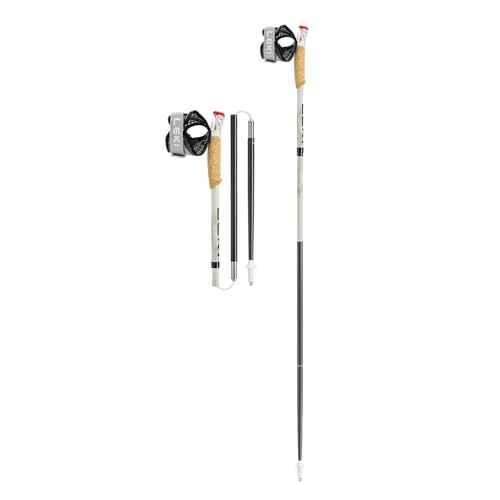
Trekking poles rely on biomechanical synergy between the hiker’s upper body and the ground contact point. When used with correct technique, your hand enters the strap loop from underneath, allowing the wide webbing to rest flat across the back of the wrist and palm base. This orientation enables the hiker to rest downward pressure directly onto the strap loop during each forward stride. The fingers can remain relaxed around the handle rather than squeezing the cork or EVA foam with full force.
Relaxed grip mechanics reduce cumulative strain along the forearm flexors and prevent early wrist fatigue. Furthermore, proper strap support stabilizes the wrist joint against sudden hyperextension when the pole tip catches unexpectedly between trail rocks or roots. If the webbing tears or the internal grip anchor slips under heavy load, that critical support disappears instantly. Replacing compromised straps promptly restores safe biomechanical efficiency and maintains balanced posture across uneven mountain terrain.
Anatomy of the Black Diamond Grip and Locking Wedge System
Black Diamond designs its trekking pole grips with an internal mechanical retention system rather than relying on external screws or glued fasteners. Inside models such as the Trail Pro, Alpine Carbon Cork, and Distance series, the strap webbing feeds into a molded cavity at the top of the handle. Within this cavity sits an internal friction wedge or directional locking pin. When tension is pulled downward, this wedge jams tightly against the strap webbing, locking it firmly against the interior walls of the grip head.
This wedge system allows for simple length adjustments in the field while preventing slippage under vertical downward force. However, because the wedge relies on directional friction, removing or replacing the strap requires releasing that wedge intentionally. Pulling the webbing in the wrong direction or prying the grip casing with excessive force can crack the composite plastic or tear the cork sleeve. Understanding how this friction wedge seats within the handle cavity is the secret to a smooth strap replacement.
Step-by-Step Procedure for Removing Worn Wrist Straps
Before attempting strap extraction, inspect the top cap of the grip to identify the orientation of the webbing entry slot. Grasp the strap loop close to the handle and push the webbing upward toward the top of the grip cavity. This upward movement releases the downward friction clamping the internal wedge in place. In many Black Diamond poles, you will see or feel the plastic wedge loosen and slide upward through the top opening of the grip.
Once the wedge elevates, gently pry it free using your fingers or a flat, non-marring plastic tool. Avoid using sharp metal screwdrivers or knife blades, which can easily gouge natural cork or gouge the internal plastic retaining tracks. After the wedge pops out of its recess, pull the damaged strap webbing downward and out of the lower handle slot. Examine the empty cavity for accumulated trail dust, grit, or dried salt crystals that could interfere with the new strap.
Installing Replacement Straps and Calibrating Tension
Begin installation by selecting the correct replacement strap for the designated hand. Black Diamond straps are ergonomically contoured and labeled with dedicated left and right tags to match the natural angle of your palms. Feed the narrow tail of the new webbing upward through the lower slot in the front of the grip handle. Pull the strap through until the loop reaches the correct rough length for your hand size.
Next, position the plastic wedge back into the loop fold inside the top cavity of the handle. Press the wedge firmly downward into its molded recess while simultaneously pulling the lower webbing downward from below the grip. This opposing tension forces the wedge to lock the strap securely against the inner composite casing. Test the installation by slipping your hand in and applying firm downward weight to verify that the webbing does not slip through the wedge under pressure.
Troubleshooting Stuck Wedges and Friction Jamming
Hikers frequently encounter stuck wedges when attempting to service poles that have seen seasons of heavy use. Sweat containing mineral salts often seeps into the grip cavity, crystallizing over time and cementing the wedge in place. Fine trail silt and decomposed granite can also migrate into the narrow tolerance gaps, creating stubborn mechanical friction. If the wedge refuses to slide upward when pushed, do not apply violent hammer blows that could shatter the grip.
Instead, soak the top of the grip handle in warm tap water for ten to fifteen minutes to dissolve salt deposits and loosen dirt. After soaking, gently wiggle the strap webbing back and forth while applying upward thumb pressure beneath the wedge. Never spray petroleum-based lubricants or penetrating oils into the grip mechanism. Lubricants compromise the friction needed for the wedge to hold body weight, and chemical solvents can degrade EVA foam and dissolve the adhesives binding natural cork.
Securing Collapsed Poles to Packs When Straps Are Not in Use
There are many trail scenarios where using wrist straps or holding poles is counterproductive or unsafe. When scrambling over class three rock, ascending steep fixed ladders, or navigating dense brush, your hands need complete freedom of movement. Collapsing your poles and securing them firmly to your backpack prevents dangling shafts from catching on trailside obstacles. Specialized elastic fasteners provide a secure, quiet, and adjustable attachment system that outclasses makeshift twine or loose side pocket sleeves.
The 4pcs Climbing Stick Holder by Marsrut offers an elastic cord system with solid plastic buckles designed to hold collapsed poles tightly against backpack webbing loops. Its adjustable design allows hikers to accommodate various shaft diameters, ensuring that trekking poles or hiking canes remain steady without swinging during fast movement. For hikers needing multi-pack utility or distinctive visual accents, the 6-Pack Elastic Rope Fasteners provide versatile attachments in army green, khaki, and high-visibility orange. Their tool-free attachment loops allow rapid tension adjustments even when wearing cold-weather hiking gloves.
Hikers outfitting multiple gear bags or securing additional long gear can utilize the 8 Pack Backpack Hiking Stick Holders from Xinjoduz. This pack includes eight individual elastic bungees with polypropylene buckles that resist stretching out over extensive outdoor use. Distributing these fasteners along your pack side straps or hip belt stabilizes loose equipment, balances pack weight, and prevents annoying trail rattle. Having reliable external bungee fasteners ensures your serviced poles stay secure whenever technical terrain demands two free hands.
Transport Considerations and Airline Pack Stowage
Traveling to distant trailheads often requires boarding commercial flights, which introduces strict baggage restrictions for outdoor hardware. The Transportation Security Administration and international aviation authorities generally prohibit trekking poles in cabin carry-on luggage due to sharp tungsten carbide tips. Hikers must plan ahead by collapsing their three-section or folding Z-poles to their shortest dimensions and packing them inside checked luggage. Reviewing a detailed carry on pack sizing guide helps clarify luggage volume limitations before heading to the airport.
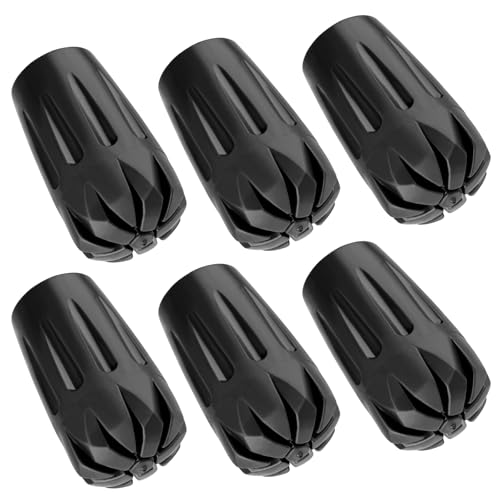
When packing trekking poles inside luggage, always cover carbide tips with thick rubber protective caps to prevent fabric punctures. Wrap the wrist straps neatly around the grip handles to keep buckles and webbing from snagging on zippers or internal pack frames. If you must attach poles to the exterior of a travel duffel, use robust bungee fasteners to keep them completely flush against the bag profile. These simple packing steps safeguard your pole shafts from bending forces and protect airport luggage handlers from exposed metal tips.
Load Distribution and Backpack Integration on Extended Treks
Carrying trekking poles on long backcountry expeditions requires thoughtful consideration of overall pack balance and gear accessibility. Heavy items placed improperly on pack exteriors can pull your center of gravity backward, causing lumbar fatigue and poor footing on steep trails. When you stow your poles during flat road walks or easy terrain, mount them vertically along the pack side panels close to your back. Pairing this balanced setup with a sturdy frame backpack setup ensures heavy loads transfer directly to your hip belt rather than straining your shoulders.
Positioning collapsed poles symmetrically along both sides of your pack prevents uneven lateral torque that could throw off your stride. Ensure the carbide tips point downward and remain safely seated within dedicated bottom attachment loops or reinforced wand pockets. Use elastic bungee ties across the upper and lower shaft sections to eliminate horizontal wobble. A tightly secured carry system protects both the pole shafts and your pack fabric from premature wear over multi-week expeditions.
Strap Maintenance, Hygiene, and Trail Longevity
Routine maintenance significantly extends the working life of your trekking pole wrist straps between replacements. During hot summer hikes, synthetic webbing absorbs considerable amounts of sweat, body oils, and trail dust. As the moisture evaporates, salt crystals harden between the woven fibers, acting like miniature abrasives that slowly saw through the nylon threads. Periodically hand-washing your straps in lukewarm water with mild, biodegradable soap removes these damaging salt deposits and restores webbing flexibility.
Allow the straps to air dry completely away from direct sunlight, as excessive ultraviolet radiation degrades synthetic polymers and accelerates brittleness. Inspect the stitching around the buckle attachment points and hand loops before embarking on extended wilderness routes. Look closely for frayed edges, thread separation, or thinning fabric along high-friction contact areas. Replacing worn straps before they snap prevents inconvenient trail failures and keeps your upper body support system fully operational.
Practical Field Verification Before Technical Descents
Never head into steep mountain terrain without performing a thorough mechanical verification of your trekking pole setup. After replacing wrist straps or making length adjustments, stand on level ground and slip your hands into the loops from below. Rest your full upper body weight onto the straps while keeping your grip relaxed around the handles. The internal friction wedges should hold firmly without slipping, creeping, or pulling out of the grip sockets under sustained downward force.
Simultaneously verify that your FlickLock cam levers or twist locks are properly tensioned and resisting vertical shaft collapse. Check that your mud or snow baskets are threaded securely and that your tungsten carbide tips are free of cracks or loose seating. Taking two minutes to confirm hardware integrity before descending steep switchbacks ensures maximum trail safety and dependable joint protection. Confident gear gives you the peace of mind to focus entirely on trail navigation and fluid movement.
Mastering trekking pole strap replacement allows you to keep your favorite trail hardware performing at its absolute best season after season. With fresh, properly installed webbing and secure pack attachment bungees, your poles will deliver consistent joint relief and rock-solid balance on every mountain journey. Regular inspection, gentle cleaning, and correct loading technique will keep your system dependable across thousands of elevation changes.






Write Your Review
No reviews yet. Be the first to share your experience!