


Regulating core body temperature during steep ascents while preparing for chilly winds on exposed summits remains one of the toughest challenges on the trail. Understanding how to wear for hiking requires looking beyond basic workout gear and assembling a modular system that handles heavy perspiration, variable terrain, and abrupt weather shifts. When you pair proper moisture management with flexible trail-ready hiking pants, you avoid the heavy chills that occur when sweat-soaked garments cling to your skin. A dependable layering routine creates a protective microclimate that shields your core from sudden temperature drops.
Many beginners head into backcountry paths wearing everyday street clothes, only to struggle with damp fabrics, chafing, and unexpected hypothermia risks. Choosing technical fabrics like polyester knits, nylon weaves, and merino wool ensures active moisture-wicking performance away from high-friction zones. We have analyzed essential foundational trail clothes, footwear accessories, and instructional resources to help you dress comfortably for any elevation profile. Knowing what to pack and wear gives you the confidence to adapt to gusty ridges and shaded forest valleys without carrying unnecessary pack weight.

Pros
- Soft 80% cotton base with spandex stretch delivers immediate out-of-the-box foot comfort
- Broad size profile accommodates standard women's shoe sizes from 6 through 12
- Delightful mountain trail design makes it a thoughtful gift for campers and day hikers
- Nylon fibers provide added tensile strength compared to pure cotton garments
Cons
- High cotton composition absorbs moisture and dries slower than technical merino wool or polyester
- Lacks dense underfoot cushioning or targeted arch compression for demanding multi-day backpacking trips
The Zmart Women's Hiking Socks are novelty outdoor crew socks tailored for day hikers, campers, and casual trail enthusiasts who enjoy showing off their passion for nature. Styled with a scenic mountain pathway and the playful hidden message 'Just A Girl Who Loves Hiking' stitched into the sole, these socks function primarily as comfortable lifestyle footwear and a trail-themed accessory rather than a technical alpine compression garment.
In terms of sizing, the socks are built to accommodate a broad spectrum of foot dimensions, fitting women's shoe sizes 6 through 12 and sock sizes 8 through 13. The integrated 5% spandex content allows the fabric to stretch easily over varying foot widths, while the ribbed crew cuff rests securely above standard trail runners or low-cut hiking boots without binding tightly against the lower leg.
Material composition centers on a blend of 80% cotton, 15% nylon, and 5% spandex. The high percentage of cotton gives the knit a very soft and natural hand feel, making them immediately comfortable for casual walks, relaxing around a campsite, or lounging at the cabin. The addition of 15% nylon improves structural longevity against footwear friction, and the seamless toe design helps eliminate irritating ridges that can cause abrasion against the toes.
From a usability and maintenance standpoint, these socks require zero complicated care routines. They hold their shape through regular gentle machine washing and tumble drying on low heat, making them easy to rotate through weekly trail walks and relaxed weekend outings. Their charming presentation also positions them as a practical, ready-to-wrap gift for holidays, birthdays, or outdoor club exchanges.
Buyers should keep in mind the performance characteristics inherent to cotton apparel. Because the blend is 80% cotton, the fabric holds moisture longer than pure synthetic polyester blends or high-end merino wool. Hikers tackling strenuous elevation gains, hot-weather sweat buildup, or multi-day backpacking trips in wet environments will generally prefer dedicated moisture-wicking wool socks to manage blister risks under heavy pack weights.
For casual day walks, easy park strolls, campsite relaxation, or thoughtful gift-giving to an outdoor-minded friend, the Zmart Hiking Socks offer exceptional charm and cozy comfort. They provide a delightful way to celebrate trail life at an accessible price point.
These socks feature a flexible medium sizing envelope designed to match women's shoe sizes 6 to 12, covering sock sizes 8 through 13. The knit utilizes 5% spandex to deliver multi-directional stretch, allowing the sock to contour across varying heel profiles and foot arches without excessive tension.
The crew-length height rises well above the ankle collar, making them suitable to pair with low-top hiking shoes, trail running sneakers, and standard casual ankle boots. The ribbed top band holds its position on the calf during steady walking without requiring frequent adjustment.
Fabricated from an 80% cotton, 15% nylon, and 5% spandex blend, these socks combine everyday softness with functional elasticity. The dominant cotton component provides a gentle, non-scratchy texture that is especially comfortable against sensitive skin during mild weather.
The 15% nylon weave reinforces the yarn structure, offering improved resistance against heel rub and toe wear compared to 100% cotton socks. For the longest garment life, washing in cold water with similar colors and line drying or tumble drying on low is recommended to preserve elasticity and graphic clarity.

Pros
- Approachable, beginner-friendly advice on hiking essentials and pack preparation
- Clear, humor-infused perspective that demystifies outdoor discomfort and trail challenges
- Convenient 6 x 0.5 x 8.5-inch paperback format is easy to store and reference at home
- Reputable publication from Mountaineers Books, a trusted outdoor recreation publisher
Cons
- Designed primarily for novices and may offer limited technical depth for advanced backpackers
- At an indicated weight of roughly 2.31 pounds, it is intended for home or base camp reading rather than carrying on trail
- Reading about wilderness safety and skills does not replace practical hands-on experience or navigation training
Mountaineers Books' How to Suffer Outside: A Beginner's Guide to Hiking and Backpacking is an instructional outdoor preparation book written specifically for novice day hikers, car campers wanting to try the backcountry, and first-time backpackers. Rather than presenting outdoor recreation as an intimidating pursuit reserved for elite athletes, this guide takes an honest, approachable stance on the realities of hiking. It helps new adventurers understand what gear they genuinely need, how to plan trips, and how to deal with the minor discomforts that accompany time on the trail.
In terms of practical utility, the guide focuses on pre-trip education, gear selection, and trail readiness. The product specifications list dimensions of 6 x 0.5 x 8.5 inches with a weight of approximately 2.31 pounds in a standard paperback format. Because proper backpack loading and weight management begin long before arriving at the trailhead, reading through foundational concepts like gear organization, layer systems, and hydration strategies allows beginners to make better gear choices and pack more efficiently.
The build of the book follows traditional trade paperback construction, offering a flexible cover and bound pages designed for frequent flipping and note-taking. Mountaineers Books has a long track record of producing durable outdoor literature, and this volume is well suited for resting on a coffee table, slipping into a trip-planning tote, or keeping in a vehicle glove box during road trips to state or national parks.
Using this guide effectively is simple: treat it as a foundational study tool before purchasing expensive backpacks, shelters, or sleep systems. Beginners can review key topics at their own pace, cross-reference advice with their local trail conditions, and practice packing their daypacks or backpacking packs at home. The layout makes it easy to browse specific sections on common trail pitfalls, personal care, and mindset adjustments before departing for a weekend trip.
As with any instructional book, there are realistic boundaries to keep in mind. This is a foundational guide focused on basic hiking and backpacking principles, meaning seasoned thru-hikers or technical mountaineers will likely find the content familiar. Additionally, carrying a two-pound paperback on a weight-conscious overnight hike is impractical for most backpackers, so the volume is best utilized as a pre-hike reference rather than an on-trail handbook. It also should not be used as a substitute for certified wilderness first-aid training or regional topographical maps.
For anyone who feels overwhelmed by complicated gear guides and wants a relatable, candid introduction to hiking and backpacking, How to Suffer Outside is a smart purchase. It offers dependable outdoor instruction from a respected outdoor publisher, making it a great starting point for beginners looking to build trail confidence and enjoy the outdoors without unnecessary stress.
Day hikers often face difficulty determining what essentials belong in a standard daypack without overloading their shoulders. This guide addresses foundational gear principles that help hikers assemble a sensible kit for half-day or full-day outings, including basic navigation, weather-appropriate clothing layers, and proper hydration planning.
By reading through the author's practical advice before purchasing gear, day hikers can avoid the common mistake of buying overly complex equipment for simple weekend trails. The book serves as a reassuring primer that teaches trail newcomers how to handle minor weather shifts, sore feet, and trail pacing with confidence.
Stepping up from day hikes to overnight backpacking trips is where many beginners encounter the steepest learning curve. This guide breaks down the transition into manageable steps, outlining how to evaluate pack loads, prioritize campsite comfort, and understand why certain discomforts are completely normal during multi-day trips.
The instruction helps aspiring weekend backpackers understand how their gear choices affect their overall experience on the trail. By learning the basics of camp setup, food planning, and personal care beforehand, new backpackers can focus on enjoying the wilderness rather than worrying about unexpected logistical hurdles.
Mastering the Three-Part Trail Layering System
Assembling the right trail wardrobe is less about buying expensive outerwear and more about coordinating garments that function together as a unified climate system. Every piece you wear must handle one of three primary jobs: managing skin moisture, trapping insulating warmth, or shielding your body from external elements. When these tiers work in harmony, you stay comfortable through steep switchbacks, breezy saddles, and unexpected rain squalls. Learning how each fabric interacts with your body heat transforms your outdoor outings into safe and rewarding excursions.
The Next-to-Skin Base Layer: Managing Sweat and Skin Friction
Base layers sit directly against your skin, where their main assignment is transferring sweat away from your body before it causes chills. During steep climbs, your body generates significant moisture that quickly cools down once your pace slows. Synthetic fabrics such as polyester or nylon utilize capillary action to pull sweat across a broad surface area for rapid evaporation. Fine merino wool offers another reliable option because it buffers vapor before condensing, maintaining warmth even when damp.
Standard cotton fabrics present serious challenges in backcountry environments because their plant fibers absorb and retain massive amounts of water. When cotton gets wet, it collapses against your skin, loses its insulating value, and accelerates conductive heat loss. Novelty or casual options like the Zmart Hiking Socks for Women, crafted with an 80% cotton, 15% nylon, and 5% spandex blend, work pleasantly for neighborhood strolls or relaxing around camp. However, serious backcountry treks demand dedicated synthetic or wool blends to keep dampness from triggering painful hot spots or dangerous chills.
Warm-weather hiking also calls for smart base layer selection, often in the form of lightweight sun hoodies or synthetic long-sleeve trail shirts. These shirts protect skin from ultraviolet radiation while keeping air circulating across your arms and torso. Look for tops featuring flatlock seams and raglan shoulders that keep stitching away from backpack straps. When seams sit directly underneath heavy load points, repetitive friction can create painful raw spots within a few miles.
Active and Static Mid-Layers: Trapping Warmth Without Overheating
Mid-layers act as your primary temperature regulator by trapping warm air in dead spaces between fabric fibers. Experienced hikers divide mid-layers into active insulation and static insulation to balance thermal needs on the move versus at rest. Active insulation garments, such as breathable grid fleece or air-permeable synthetic jackets, permit surplus vapor to escape while shielding your torso from morning chill. These lightweight garments keep you warm without forcing constant layer changes on an uphill push.
Static insulation garments, including high-loft down parkas and dense synthetic puffies, excel during stationary stops at exposed summits or around camp. Down offers exceptional warmth-to-weight efficiency and compresses tightly inside a pack, but it loses insulating capability if soaked by rain. Synthetic cluster insulation weighs slightly more, yet it retains loft and warmth even in damp mountain air. Selecting the right mid-layer depends on regional climate patterns and whether you expect prolonged precipitation.
Compressibility remains an essential factor when packing insulating pieces into your load. Because you spend long trail sections moving vigorously and generating internal heat, your mid-layer often rides inside your pack. Selecting lightweight fleece or packable synthetic jackets ensures you have warmth on demand without occupying excessive pack volume. Keeping these garments near the top of your pack allows swift deployment whenever ridgeline winds pick up.
Outer Weather Shells: Blocking Wind and Precipitation
Outer shells form your exterior protective barrier against wind, rain, and snow. Waterproof-breathable rain jackets rely on specialized internal membranes protected by a face fabric treated with a durable water repellent coating. In mild to moderate wind without active rainfall, an ultralight nylon wind shirt often serves better than a full rain jacket because its higher air permeability lets body heat escape freely. Distinguishing between water-resistant wind shells and fully seam-taped waterproof jackets prevents unpleasant surprises when heavy storms strike.
Even advanced waterproof membranes struggle to vent moisture fast enough during strenuous climbs, leading to internal condensation known as sweating out. Mechanical ventilation features like underarm pit zips, two-way front zippers, and mesh-backed pockets allow you to dump heat instantly without exposing underlayers to falling rain. Opening pit zips before you start sweating heavily helps preserve base layer dryness and maintains comfort. Never rely entirely on static fabric breathability ratings when tackling steep, sweat-inducing terrain in wet conditions.
When choosing an outer shell, look for details that integrate smoothly with your gear. An adjustable hood with a stiffened brim prevents water from running into your eyes, while high-set hand pockets remain accessible above your backpack hip belt. Elastic or hook-and-loop cuffs seal out drafts and prevent runoff from soaking up your sleeves when using trekking poles. Proper outer shell construction ensures you stay shielded from foul weather without feeling restricted during technical maneuvers.
Lower Body Trailwear: Pants, Shorts, and Articulated Movement
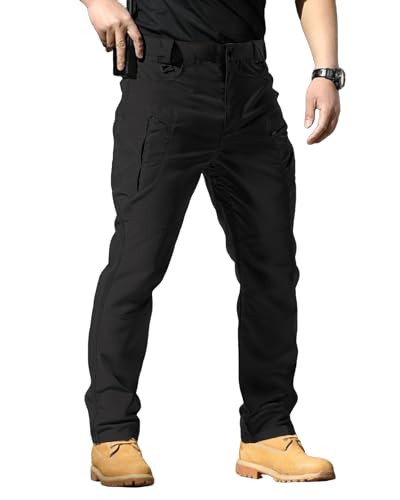
Choosing proper bottom garments requires balancing ventilation against protection from rough rocks, thorn-covered brush, and biting insects. While some hikers prefer running shorts or gym tights on manicured gravel paths, technical terrain quickly tears standard athletic fabrics. Investing in dedicated lightweight hiking pants made from durable ripstop nylon or stretch-woven polyester provides crucial leg protection without weighing you down. These garments dry rapidly after shallow stream crossings and resist abrasion from rough granite outcrops.
Mobility is critical when stepping over fallen timber, scrambling across boulder fields, or taking high steps on rocky staircases. Quality hiking trousers feature integrated gusseted crotches and pre-shaped knee articulation that allow natural leg movement without fabric pulling tight across your thighs. For hikers tackling steep ascents with heavy gear, choosing supportive hiking trousers can enhance overall joint comfort and minimize fatigue during long days. Flexible synthetic blends containing elastane or spandex ensure your pants flex with every stride.
Pay close attention to waistband design and pocket placement when evaluating trail bottoms. Thick waistbands with bulky metal hardware or heavy belt loops can cause painful bruising when cinched beneath a loaded backpack hip belt. Opt for low-profile, flat-lying waistbands with internal drawstrings or integrated nylon belts that stay smooth against your hips. Zippered thigh cargo pockets keep trail maps, lip balm, and navigation devices accessible without interfering with your natural walking cadence.
Footwear Layering: Socks, Liners, and Blister Prevention
Footwear comfort begins with a dependable sock system that cushions your feet and absorbs repetitive friction inside trail shoes. As you walk thousands of steps over uneven ground, your socks act as the primary buffer between your skin and stiff shoe uppers. High-density merino wool or synthetic performance socks cushion pressure points along the heel, ball of the foot, and Achilles tendon. This targeted padding reduces foot fatigue while managing the constant perspiration generated inside footwear.
The structural composition of your socks directly influences how well they stay in place throughout a multi-hour hike. Socks containing durable nylon reinforcing in high-wear zones and a touch of spandex across the arch maintain a snug fit that resists sagging and bunching. When a sock bunches inside your shoe, the folded fabric creates concentrated pressure points that rapidly develop into painful friction blisters. Ensuring your socks feature flat toe seams prevents irritating rubbing against your toes during long descents.
Managing sock hygiene on multi-day trips helps maintain skin integrity and prevents maceration caused by trapped sweat. Always carry an extra pair of dry socks in a waterproof stuff sack so you can switch into fresh footwear if your shoes get soaked during a creek crossing. Airing out your feet and socks during lunch stops allows skin to dry and reset, significantly lowering blister risks. Simple foot maintenance habits often make the difference between an enjoyable trek and an agonizing limp back to the trailhead.
Essential Trail Headwear, Neck Gaiters, and Accessories
Accessories play an outsized role in thermal regulation despite their minimal weight in your pack. A wide-brimmed sun hat or lightweight running cap shields your scalp, face, and eyes from intense glare while hiking across exposed alpine ridges. A seamless tubular neck gaiter functions as a versatile tool that protects your neck from sunburn, filters blowing dust, or pulls over your ears for light warmth. These small garments pack down tiny yet provide immediate relief from relentless outdoor elements.
Carrying a low-bulk fleece or merino wool beanie ensures you can conserve valuable core heat as evening temperatures plummet. Your head loses significant thermal energy when exposed to cold wind, making a simple knit cap an efficient tool for quick warming without putting on a bulky jacket. In chilly or windy conditions, lightweight wind-resistant glove liners protect your hands from stiffening up while holding trekking poles. Keeping these compact items in your pack lid gives you instant access whenever weather conditions turn brisk.
Preparing for Seasonal Shifts and Elevation Drops
Mountain environments present unique climate challenges because temperatures drop predictably as you climb higher. The normal environmental lapse rate means you can expect air temperatures to fall roughly three to five degrees Fahrenheit for every one thousand feet of elevation gained. A sunny, warm trailhead in the valley can easily transition into a freezing, wind-swept summit surrounded by swirling storm clouds. Dressing for where you are going rather than where you start ensures you stay safe throughout the journey.
Navigating these unpredictable conditions requires sound judgment and foundational outdoor knowledge that goes beyond simple gear lists. Instructional literature such as How to Suffer Outside: A Beginner’s Guide from Mountaineers Books provides humorous yet highly practical guidance for newer hikers learning to navigate backcountry discomfort, gear selection, and trail preparation. Understanding how to organize your clothing layers, recognize early signs of cold exposure, and anticipate sudden storms transforms gear from passive baggage into active safety tools. Packing extra thermal margins protects you against unexpected route delays.
Practical Garment Maintenance and DWR Care
Maintaining technical fabrics ensures your outdoor wardrobe continues performing season after season without losing weather resistance. Standard household laundry detergents and liquid fabric softeners leave behind chemical residues that clog breathable pores and ruin water-repellent coatings. Always wash technical garments with specialized wash solutions formulated for synthetic outerwear and merino wool. These gentle cleaners remove trail grime, body salts, and skin oils without stripping natural fibers or damaging delicate membranes.
When the face fabric of your rain jacket stops beading water and begins absorbing moisture, the garment is wetting out. Saturated face fabrics block internal moisture vapor from escaping, causing heavy internal condensation that makes you feel drenched from the inside. You can often restore water-repellent performance by tumbling the clean jacket in a clothes dryer on low heat for twenty minutes to reactivate the surface polymers. If heat alone fails to restore active water beading, applying a spray-on waterproofing treatment will replenish the exterior barrier.
On-Trail Layering Discipline: When to Add or Shed Garments
Successful temperature regulation depends heavily on disciplined timing rather than waiting until you are completely overheated or freezing. A widely accepted outdoor practice is to start your hike feeling slightly cool, known among experienced hikers as being bold and starting cold. Within ten minutes of walking uphill, your large leg muscles generate substantial metabolic heat that quickly brings your body up to an ideal working temperature. If you begin a climb wearing heavy insulating jackets, you will rapidly sweat through your base layer before realizing you need to stop.
Equally important is donning your insulating mid-layer the moment you pause for a break at a windy overlook or lunch spot. When physical exertion ceases, your metabolic heat output plummets rapidly while mountain breezes accelerate evaporative cooling across damp clothing. Slipping into a packable fleece or insulated jacket immediately traps the heat you generated while walking, keeping your core stable and muscles warm. By shedding garments before climbs and adding insulation during pauses, you maintain consistent thermal balance throughout the day.
Building an effective hiking wardrobe does not require an overwhelming closet of specialized pieces, but it does require thoughtful fabric choices and consistent layering habits. By pairing moisture-wicking base layers, breathable mid-layers, and dependable weather shells, you establish an adaptable shield against shifting weather. Pay close attention to your body signals, adjust your clothing before getting soaked with sweat or chilled by wind, and care for your technical garments properly. With the right apparel strategy in place, you can focus on the trail ahead and enjoy every mile in comfort.



Write Your Review
No reviews yet. Be the first to share your experience!