


Navigating rocky switchbacks and muddy paths places intense mechanical stress on footwear, making the physical components of your boots vital for comfort and protection. When rocky trails push footwear to its limits, understanding what are hiking boots made of helps outdoor enthusiasts choose the right gear for diverse trail conditions. Trail boots combine multiple specialized layers, merging abrasion-resistant outer textiles with responsive underfoot cushioning to protect joints from repetitive ground strikes. Pairing protective boots with durable apparel such as lightweight hiking pants ensures complete lower-body protection against rough trail brush and sudden weather shifts.
Modern footwear engineering balances rugged structural durability with lightweight flexibility, replacing old, heavy designs with streamlined multi-material boots. Premium models blend full-grain leather, resilient suede overlays, breathable synthetic mesh, and specialized rubber outsoles engineered for firm traction on slick rock. Inside the boot, seam-sealed waterproof membranes and molded foam midsoles work together to manage internal climate and absorb foot strike impact. Hikers carrying gear in supportive framed hiking backpacks require strong underfoot platforms that will not collapse under heavy pack weight. Selecting the ideal footwear begins with inspecting every single structural layer from the ground up.

Pros
- Omni-Tech seam-sealed waterproof construction keeps feet dry in moderate rain, slush, and wet mud
- Techlite midsole delivers lightweight impact absorption and high energy return without weighing down your stride
- Omni-Grip rubber outsole with multidirectional lugs offers confident traction on wet rock, gravel, and loose soil
- Sturdy leather and mesh upper with metal lacing hardware provides a secure fit and dependable exterior durability
Cons
- Listed specifically in Men's Size 11, requiring careful verification of personal sizing and sock volume
- Seam-sealed waterproof membrane can trap heat during high-temperature summer outings compared to non-waterproof trail runners
- Lacks a rigid full-length shank for heavy alpine mountaineering or extreme off-trail load hauling
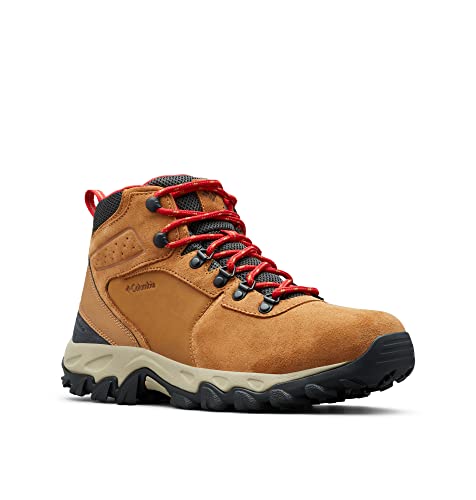
The Columbia Men's Transverse Waterproof Hiking Boot is a mid-cut outdoor trail boot built for hikers who need dependable moisture defense, underfoot stability, and structured comfort. Suitable for day hikers, weekend backpackers, and outdoor adventurers, this footwear is engineered to handle mixed-terrain environments where mud, puddles, and loose rock challenge standard athletic shoes. The Black and Mountain Red styling pairs an understated outdoor look with functional hardware tailored for male hikers seeking a size 11 profile.
Underfoot support and dependable ground contact are essential when carrying gear over varied elevation. Columbia pairs a Techlite midsole with an Omni-Grip multi-terrain rubber outsole to cushion impacts and maintain steady footing. The Techlite compound absorbs ground shock on packed trails and returns energy through each step, helping reduce foot fatigue over longer mileage. Working underneath, the Omni-Grip tread features strategically positioned perimeter and interior lugs designed to bite into dirt, loose gravel, and damp rocks without slipping unexpectedly.
Upper construction is critical for keeping trail debris out while maintaining durability against brush and abrasive rocks. The Transverse combines durable leather overlays with breathable mesh underlays, giving hikers solid lateral support without unnecessary bulk. Sturdy metal lacing hardware holds tension securely across the midfoot and upper ankle, resisting the wear and tear that can break standard fabric eyelets. Around the ankle, a generously cushioned collar softens pressure points and guards against chafing as the foot flexes on uneven trail surfaces.
Weather management is powered by Columbia's Omni-Tech multilayered system, featuring seam-sealed waterproof construction that protects feet during prolonged exposure to moderate rain, melting snow, and waterlogged paths. Because the membrane is engineered to breathe from the inside out, perspiration vapor can escape to help keep socks dry. Routine maintenance involves brushing away caked mud, allowing the boots to dry naturally at room temperature, and checking the laces and eyelets between outings to ensure ongoing trail reliability.
While the boot provides reliable weather defense and trail grip, clear functional tradeoffs should be considered. Waterproof boots naturally offer less air circulation than open-mesh trail runners, meaning feet may run warm during hot summer afternoons. Furthermore, the Transverse is oriented toward day hikes, weekend backpacking, and general trail exploration rather than technical mountaineering with heavy expedition loads. Buyers should always confirm their sock thickness and foot measurements against Columbia sizing guidelines before taking to the trail.
For hikers who want an affordable, weather-resistant trail boot built with trusted outdoor technologies, the Columbia Men's Transverse Waterproof Hiking Boot represents a practical and capable choice. Its balance of Omni-Tech waterproofing, responsive Techlite cushioning, and aggressive Omni-Grip traction provides the necessary trail security for exploring rainy woodlands, damp singletracks, and rocky switchbacks.
Columbia utilizes its proprietary Omni-Tech membrane in the Transverse hiking boot to guard against wet outdoor elements. This multilayered, seam-sealed barrier is specifically built for prolonged exposure to moderate rain, wet grass, and snow, stopping external moisture from seeping into the footbed. At the same time, microscopic pores allow internal heat and sweat vapor to vent outward, maintaining a dry and comfortable foot environment during active trail miles.
The Transverse features an Omni-Grip non-marking rubber outsole engineered for reliable cross-terrain stability. Built with specialized rubber compounds, the outsole employs strategically blended lug patterns to deliver multi-surface grip across wet rocks, loose gravel, and slippery mud. This tread geometry promotes forward momentum on ascents and braking stability on steep descents, giving hikers balanced confidence across varying trail conditions.

Pros
- Waterproof exterior helps guard against moisture on wet and muddy trails
- Flexible EVA midsoles and removable cushioned insoles provide comfortable underfoot support
- Rugged non-slip rubber outsole delivers solid traction over varied outdoor surfaces
- Ankle-high collar provides trail debris protection and supportive ankle coverage
Cons
- Listed size 12 option does not accommodate hikers needing different sizes or wide-width options
- Ankle-high waterproof construction may feel warm during high-heat summer hikes compared to breathable low-cut trail shoes
The NORTIV 8 Men's Ankle High Waterproof Hiking Boots are designed for outdoor enthusiasts, day hikers, campers, and weekend backpackers looking for dependable footwear on mixed terrain. Featuring an ankle-high silhouette, these boots provide elevated coverage around the ankle to help guard against trail debris and uneven surfaces. For trail walkers who pair their footwear with loaded daypacks or multi-day backpacks, having structured footwear with dedicated ankle coverage helps maintain stable footing from the trailhead to the campsite.
Trail capability centers on the combination of a waterproof upper and a high-traction rubber outsole. According to the manufacturer specifications, the high-quality rubber soles are fully slip-proof with advanced traction patterns engineered to prevent slipping on wet or muddy paths. Paired with lightweight and flexible EVA midsoles, the platform absorbs ground impact while delivering energy return across rocky sections or packed dirt routes. Day hikers navigating damp forest trails, stream banks, or rainy morning conditions will appreciate the protective barrier against external moisture.
Underfoot support is reinforced by removable, shock-absorbent cushioned insoles that work alongside the EVA midsole to minimize foot fatigue during extended trail time. The multi-tone Brown, Black, and Tan design offers rugged outdoor styling suitable for hiking, hunting, camping, and outdoor chores. The durable rubber outsole wraps high enough to protect high-abrasion zones, while the lacing structure allows hikers to adjust tension across the instep and around the ankle collar to achieve a secure fit before setting out with gear.
Maintenance and daily handling are practical for regular outdoor use. The removable footbed makes it simple to air out the interior or insert aftermarket orthotics if specialized arch support is required. After muddy hikes, the rubber outsoles and synthetic outer materials can be cleaned using a damp cloth and mild brush, then air-dried away from direct heat sources. Keeping the boot clean helps preserve the tread pattern and material flexibility for upcoming weekend trips or travel adventures.
Prospective buyers should keep in mind that waterproof ankle-high boots retain more heat than ventilated low-cut trail runners, which may lead to warmer feet during intense summer outings. Additionally, this specific listing corresponds to a size 12 fit, meaning hikers requiring alternate lengths or dedicated wide sizing will need to verify availability. For budget-conscious hikers, backpackers, and campers seeking supportive ankle-high waterproof footwear for damp trails and rugged outdoor activities, the NORTIV 8 Hiking Boots offer practical comfort and capable traction.
The NORTIV 8 hiking boots feature durable, non-slip rubber outsoles designed with multi-directional traction patterns to maintain firm stability across challenging outdoor surfaces. This lugged design provides dependable grip on slippery mud, wet rock, gravel paths, and loose forest soil.
For hikers carrying backpacks or navigating varying elevation changes, reliable tread helps prevent slips and promotes confident foot placement. Routine inspection and cleaning of the tread grooves ensure optimal contact on slick terrain.
Cushioning is driven by flexible EVA midsoles that reduce underfoot impact and help curb foot fatigue on extended hikes. The lightweight nature of EVA foam provides responsive shock absorption without adding excessive bulk to your stride.
Inside the boot, removable cushioned insoles offer shock-absorbent support beneath the heel and forefoot. Because the insoles are removable, users can easily dry them between outings or replace them with custom footbeds tailored to specific arch requirements.
Built with waterproof materials, these boots are constructed to repel rain, damp grass, and trail puddles during wet-weather outings. The ankle-high profile creates an extended barrier against mud and trail debris while offering supportive coverage around the lower leg.
While the waterproof design helps keep feet dry from outside elements, it naturally reduces airflow compared to mesh shoes. Hikers should pair these boots with moisture-wicking wool or synthetic hiking socks to manage internal perspiration effectively.

Pros
- Seam-sealed waterproof leather and suede upper provides reliable wet-weather defense
- Omni-GRIP non-marking rubber outsole delivers dependable grip across varied terrain
- TECHLITE midsole provides lightweight cushioning and responsive energy return
- Reinforced toe and heel barriers with extended toe overwrap protect critical wear points
Cons
- Designed specifically for three-season hiking rather than severe winter snowpack or sub-zero conditions
- Leather and suede exterior requires occasional brushing and natural drying after wet, muddy outings
- Mid-cut ankle coverage may feel warmer during high-heat midsummer hikes than low-cut trail shoes
The Columbia Women's Newton Ridge Plus Waterproof Amped is a mid-cut hiking boot engineered for day hikers, outdoor walkers, and weekend adventurers who need dependable trail traction and weather defense. Built with classic mountaineering style cues in a women's size 8 Stratus and Canyon Rose colorway, this boot targets hikers seeking reliable foot support without excess bulk on established trails, forest paths, and mixed outdoor terrain.
On the trail, the boot relies on Columbia's TECHLITE lightweight midsole to deliver sustained cushioning and high energy return across hours of walking. Underneath, the signature Omni-GRIP non-marking rubber outsole provides traction across a wide variety of terrain, making it suitable for loose gravel, packed dirt, slick roots, and rocky inclines throughout spring, summer, and fall.
Construction highlights include a waterproof combination of supportive leather and suede paired with seam-sealed craftsmanship to lock out moisture from wet grass, shallow puddles, and unexpected rainfall. Durability is further reinforced at key wear points with dedicated toe and heel barriers, as well as an extended outsole toe overwrap designed to protect the front of the boot against scrapes and rocks over extended use.
The traditional mid-cut lace-up setup allows hikers to customize tension across the instep and collar for a stable, secure fit around the ankle. For ongoing maintenance, wiping away caked mud with a damp cloth, gently brushing the suede sections, and letting the boots air dry at room temperature helps preserve the upper materials and waterproofing performance between outings.
While the seam-sealed design provides solid moisture protection on damp trails, this boot is specifically rated for three-season use and is not built for deep winter snow or mountaineering crampon compatibility. Additionally, hikers who tackle very warm summer trails in dry climates may find the leather and suede construction holds more heat than lightweight, mesh-heavy low-cut trail running alternatives.
For hikers seeking a sturdy, comfortable waterproof trail boot with solid grip and proven protective overlays, the Columbia Newton Ridge Plus Waterproof Amped delivers excellent practical value. It serves as a dependable choice for day hikes, state park loops, and general outdoor recreation where ankle support, traction, and dry feet are top priorities.
The Columbia Newton Ridge Plus Waterproof Amped combines supportive leather and suede panels to create an abrasion-resistant outer shell. Seam-sealed construction works directly with the treated upper materials to prevent water from penetrating through needle holes and panel joints during wet conditions.
High-wear areas receive dedicated reinforcement, including heavy-duty toe and heel barriers. An extended rubber overwrap from the Omni-GRIP outsole shields the front toe box against impact from trail obstacles, extending the functional lifespan of the boot across seasons of trail use.
This boot is well suited for day hikers navigating variable trails where changing weather and uneven footing are common. The mid-cut height provides supportive coverage around the ankle joint, which helps manage balance over rocky stretches and uneven dirt trails.
Underfoot cushioning from the TECHLITE midsole reduces ground impact during longer day treks, while the Omni-GRIP rubber tread maintains reliable footing on dry switchbacks, damp leaves, and loose gravel paths without marking indoor surfaces at the trailhead.
Routine care for the leather and suede upper begins with removing dried mud and dust using a soft-bristle brush after every trail outing. Spot cleaning with cool water and a mild soap helps preserve the appearance of the Stratus and Canyon Rose colorway without damaging the material structure.
Always allow the boots to dry naturally at room temperature away from campfires, radiators, or direct high heat, as excessive heat can dry out leather and compromise seam adhesives. Occasional treatment with a water-repellent spray designed for suede and leather can help maintain outer water bead performance.
Deconstructing Modern Trail Footwear: Materials, Layers, and Engineering
Every dependable pair of trail footwear relies on an intricate combination of specialized components working together as an integrated system. From the external shell resisting abrasive rock contact to the interior liners managing moisture, each layer serves a distinct functional purpose. Understanding these individual layers reveals why certain models excel on dry desert scrambles while others thrive across saturated alpine bogs. Examining these structural components provides hikers with the technical knowledge needed to evaluate long-term durability and trail comfort.
Upper Materials: Full-Grain Leather, Nubuck, and Suede
The upper forms the protective perimeter of the boot, shielding delicate foot structures from jagged roots, granite edges, and loose scree. Full-grain leather remains the traditional standard for rugged backpacking footwear due to its dense, unbuffed grain pattern. This natural hide provides dependable resistance to moisture and sharp rock abrasion, molding to foot contours over extended trail mileage. Nubuck leather offers a similar hide thickness but undergoes gentle surface sanding to create a softer exterior nap that flexes more easily out of the box.
Split leather and suede are created by separating the fibrous inner hide from the dense outer grain layer. Boot designers frequently incorporate supple suede overlays to deliver flexible structural support without unnecessary stiffness. For example, the Columbia Womens Newton Ridge Plus Waterproof utilizes supportive leather and suede construction to establish immediate trail comfort. Suede uppers conform quickly to unique foot shapes, though they require routine protective conditioning to prevent water absorption.
Synthetic Textiles and Technical Breathable Mesh
Synthetic textiles have transformed modern trail footwear by introducing high tensile strength at a fraction of traditional hide weight. High-denier nylon fabrics, Cordura weaves, and ripstop polyester panels are strategically positioned across flex zones to promote natural stride mechanics. These technical fabrics absorb minimal moisture, enabling boots to dry rapidly following creek crossings or sustained rain. Synthetic panels also reduce overall manufacturing costs while maintaining reliable resistance to surface abrasion.
Hybrid upper designs merge rugged leather structures with open-weave synthetic mesh inserts to optimize airflow around the midfoot and tongue. The Columbia Mens Transverse Waterproof Hiking Boot highlights this construction by combining a durable leather frame with breathable mesh inserts. This material combination vents warm, humid air generated by the foot while preserving upper stability across rocky trails. Synthetics also require almost zero break-in conditioning, offering high comfort directly out of the box.
Waterproof Barriers and Gusseted Tongues
Internal weather protection depends on microscopic engineering integrated directly beneath the exterior upper shell. Waterproof-breathable barriers utilize specialized membranes containing billions of microscopic pores per square inch. These microscopic pores are thousands of times smaller than liquid water droplets but significantly larger than expanding water vapor molecules. This precise size differential prevents external rain from entering while permitting internal perspiration vapor to escape.
Proprietary membrane technologies offer dependable moisture management across wet, slushy trail environments. Columbia employs its OMNI-TECH multilayered system, which combines a waterproof barrier with seam-sealed construction to keep feet dry during sustained exposure to snow and rain. Seam-sealing involves applying heat-activated waterproof tape over every interior stitch line to prevent moisture seepage through needle punctures. Without thorough seam-sealing, water eventually penetrates through stitched seams regardless of membrane quality.
A boot weather defense relies entirely on the height of its integrated tongue assembly. Gusseted bellows tongues feature continuous fabric wings connecting the tongue sides directly to the upper eyelet stays. This triangular fold prevents water, mud, loose gravel, and scree from slipping past the lace collar and entering the interior chamber. The practical water entry threshold of any waterproof boot is strictly determined by the lowest point of this tongue bellows line.
Midsole Chemistry: EVA Foam versus Polyurethane
Midsoles represent the critical cushioning platform suspended between the hiker footbed and the rugged ground-contact outsole. Ethylene-vinyl acetate, commonly known as EVA foam, serves as the dominant midsole compound across modern day hiking footwear. EVA is an expanded copolymer foam loaded with microscopic air cells that compress under load to dissipate ground strike forces. The lightweight composition of EVA cushions foot strike impacts, significantly reducing lower-leg muscular fatigue across high-mileage day treks.
Footwear brands continuously refine EVA formulations to maximize energy return and prevent early pack-out. Columbia incorporates proprietary TECHLITE midsole foam into models like the Transverse and Newton Ridge Plus to deliver lightweight impact absorption with responsive cushioning. Similarly, NORTIV 8 Men Ankle High Waterproof Hiking Boots utilize lightweight and flexible EVA midsoles designed to reduce foot fatigue on uneven surfaces. EVA midsoles provide immediate flexibility and step-in comfort that requires virtually zero initial break-in time.
Heavy-duty backpacking boots frequently employ poured polyurethane, known as PU, in place of standard compression-molded EVA. Polyurethane is a denser, heavier elastomeric material with superior structural memory and resistance to sustained compressive loads. While EVA foam gradually packs down and loses shock absorption after hundreds of miles under heavy pack weight, PU maintains its rebound properties over years of rugged use. Backpackers carrying expedition loads exceeding 40 pounds generally favor the firm, unyielding support of polyurethane midsoles.
Internal Shanks and Torsional Chassis Systems
Hidden inside the midsole structure lies the internal shank, a rigid structural beam that defines the torsional stiffness of the boot. Manufacturers fabricate shanks from stamped spring steel, molded thermoplastic polyurethane, nylon composites, or woven fiberglass sheets. Positioned between the insole board and the outsole tread, the shank bridges the span between the heel cup and the metatarsal ball. This supportive insert ensures the boot flexes exclusively at the natural forefoot toe break rather than folding flat across the sensitive arch.
Torsional rigidity prevents the boot sole from twisting diagonally when stepping on angled rocks, roots, and uneven scree. Without adequate shank support, the foot intrinsic plantar muscles must constantly contract to stabilize the arch, leading to severe midfoot fatigue. Hikers traversing steep off-camber paths can also pair supportive boots with trail pants designed for knee mobility to ensure smooth joint flexion and balance during technical ascents. Stiff shanks absorb trail unevenness so your skeletal structure does not have to bear the full twisting force.
Outsole Rubber Formulations and Lug Geometry
Outsoles form the primary mechanical interface between the hiker and the earth, requiring durable rubber compounds engineered for cross-terrain friction. Manufacturers balance rubber durometer, which measures material hardness, to optimize the delicate trade-off between sticky surface adhesion and long-term abrasive tread life. Softer rubber formulations conform intimately to microscopic rock textures, providing exceptional wet-rock grip at the expense of faster physical tread wear. Harder carbon-infused rubber compounds resist sharp gravel abrasion but offer slightly less friction on slick, polished river boulders.
Proprietary rubber formulations are engineered to handle diverse trail conditions without marking sensitive surfaces. Columbia signature Omni-GRIP non-marking traction rubber utilizes specialized tread compounds designed for cross-terrain stability in both wet and dry conditions. Similarly, NORTIV 8 Men Ankle High Waterproof Hiking Boots feature durable rubber soles with advanced traction to maintain firm footing across challenging mud and rock. These compound blends ensure dependable contact whether scrambling over dry sandstone or traversing damp timber bridges.
Lug geometry, depth, and spatial orientation dictate how effectively an outsole bites into loose soil and clears accumulated mud. Multi-directional lugs feature sharp perimeter biting edges that deliver reliable lateral stability during off-camber hillside traverses. Dedicated braking lugs carved into the undercut heel breast grip downhill loose dirt, preventing downward slips on steep descents. Wide spacing between individual lug blocks allows sticky mud and clay to shed naturally with every flexing stride rather than accumulating into a slick platform.
Reinforced Toe Overlays, Heel Counters, and Hardware
Vulnerable perimeter zones around the toe box and heel pocket require protective structural reinforcements to withstand relentless trail impacts. Toe caps feature molded vulcanized rubber or thick thermoplastic polyurethane shields wrapped over the front vamp. The Columbia Womens Newton Ridge Plus incorporates reinforced toe and heel barriers with an extended outsole toe overwrap to protect key wear points from rock strikes. This protective bumper prevents painful stubbed toes and protects softer upper leather from gouging against sharp talus.
Heel counters consist of rigid molded thermoplastic or dense composite cups embedded between the exterior leather and the interior ankle lining. This curved structure cups the calcaneus bone securely, preventing lateral heel translation and excessive rearfoot rolling within the footwear. Locking the heel firmly into the rear pocket is the single most effective mechanical factor in eliminating calcaneal friction blisters. A supportive heel counter also anchors the foot in place, preventing toes from sliding forward and jamming against the front during steep descents.
Lacing hardware provides the mechanical leverage necessary to customize internal volume and lock the heel into its rear pocket. Quality hiking boots incorporate sturdy cast metal hardware, including corrosion-resistant eyelets, webbing loops, and top speed hooks. Boots like the Columbia Mens Transverse feature metal hardware engineered to withstand intense lace tension without deforming. Top speed hooks enable quick lace adjustments at trailheads, allowing hikers to loosen tension during steep ascents and tighten collar wraps before rocky descents.
Footbeds, Removable Insoles, and Internal Volume
Directly beneath the foot rests the removable insole, which provides initial step-in cushioning and manages internal footbed hygiene. Standard factory footbeds are typically constructed from die-cut EVA foam or molded open-cell polyurethane covered with a brushed polyester fabric top sheet. For instance, NORTIV 8 Men Ankle High Waterproof Hiking Boots include removable and shock-absorbent cushioned insoles that supply primary arch comfort. Removable footbeds make it simple for hikers to air-dry their footwear between trail days to prevent bacterial odor buildup.
While factory insoles provide pleasant initial step-in softness, they offer minimal rigid structural support for hikers with complex foot biomechanics. Hikers with high arches, severe overpronation, or plantar fasciitis frequently swap standard factory footbeds for aftermarket orthotics featuring rigid composite arch bridges. Introducing aftermarket insoles alters internal boot volume, making it essential to test boot fit with your preferred orthotics installed. Ensuring proper volume clearance prevents dorsal instep nerve pinching and maintains adequate toe wiggle room.
Material Care, Cleaning, and Longevity
Preserving the functional integrity of complex footwear materials requires consistent, informed cleaning routines after demanding backcountry outings. Caked trail mud acts as a desiccant, drawing natural oils out of leather hides and causing premature fiber cracking across upper flex zones. Using a soft nylon brush and lukewarm water removes abrasive grit from textile pores without degrading factory seam seals. Harsh household chemical detergents must be avoided, as petroleum solvents degrade cementing adhesives and strip water-repellent upper coatings.
Durable water repellent, or DWR, treatments applied to exterior uppers gradually wear away from dirt accumulation and ground abrasion. When DWR degrades, the outer face fabric wets out, saturating the upper with water and drastically choking the breathability of the internal waterproof membrane. Applying fluorocarbon-free water-based reproofing sprays restores clean surface water beading without compromising membrane breathability. Regular conditioning with specialized water-based creams also preserves leather suppleness without over-softening supportive structural counters.
Drying damp boots properly protects adhesive bonds and prevents severe material failure. Wet boots should always air-dry at room temperature in a well-ventilated space with the footbeds removed and laces loosened. Placing wet footwear directly against campfires, wood-burning stoves, or electric baseboard heaters can melt cementing adhesives and cause leather uppers to shrink and crack. Patient air-drying preserves the original anatomical shape and ensures your footwear remains dependable across hundreds of trail miles.
Understanding the specialized materials inside modern trail footwear enables outdoor enthusiasts to choose boots tailored precisely to their hiking style and terrain. From rugged leather uppers and seam-sealed waterproof liners to responsive EVA midsoles and multi-directional rubber lugs, each component plays a vital role in protecting your feet. Selecting footwear constructed with materials suited to your pack weight and climate guarantees lasting comfort, dependable traction, and injury-free miles on the trail. Matching these construction characteristics to your favorite routes will help keep your feet supported on every trail adventure.



Write Your Review
No reviews yet. Be the first to share your experience!