


Rocky inclines and uneven switchbacks quickly expose any weakness in trail footwear, turning an exciting afternoon trek into an ordeal of bruised toes and sore arches. Finding out what are the best hiking boots for women requires examining how anatomical lasts, protective uppers, and cushioned midsoles interact with female biomechanics. Modern designs balance rugged exterior defense with lightweight agility, ensuring trail enthusiasts stay comfortable over long distances. Pairing your footwear with supportive hiking pants helps maintain lower-body mobility and joint stability across challenging ascents. Choosing footwear that locks the heel securely while giving the forefoot room to spread prevents the friction that generates painful hot spots.
A reliable women’s trail boot must withstand slick roots, loose gravel, and sudden mountain downpours without feeling like a pair of heavy lead weights. Seam-sealed waterproofing, supportive suede and leather uppers, and responsive midsole foams help absorb trail shock before it reaches your knees. Thermal management matters just as much, because sweat trapped inside a boot can soften the skin and accelerate blister formation. High-traction rubber compounds provide confident grip across varying terrain, while reinforced toe caps shield against unexpected rock collisions. Understanding these technical components makes it much easier to select footwear suited to your specific trail goals.

Pros
- High 70% merino wool content delivers dependable thermal warmth for cold-weather trail outings
- Generous 5-pair multipack makes it easy to pack dedicated dry sleep socks and trail spares into a backpack
- Spandex blend provides sufficient elasticity to accommodate women's shoe sizes 6 through 10
- Crew length pairs comfortably with mid-cut and high-cut hiking boots
Cons
- Care instructions recommend hand washing and avoiding heat, requiring more maintenance than standard synthetic socks
- One-size design for women's sizes 6-10 does not accommodate very small or larger foot profiles
- Product specifications do not list targeted anatomical cushioning zones or graduated arch compression
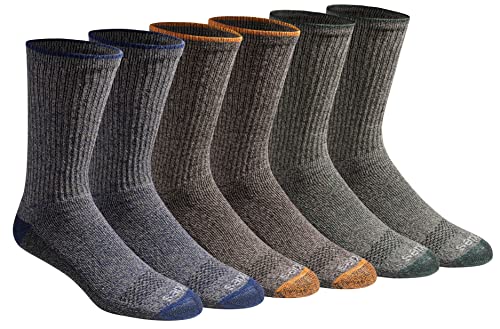
The MQELONG Merino Wool Socks are thermal crew-length boot socks designed as essential cold-weather trail accessories for women. While primary pack hardware like suspension and frames handle carried loads, reliable foot insulation is an equally critical component of any backcountry packing list. These socks are aimed at day hikers, winter walkers, weekend backpackers, and campers who need dependable thermal foot protection without spending top-tier prices for individual pairs.
On the trail, foot comfort relies heavily on fabric composition, especially when temperatures drop. These socks feature a blend of 70% merino wool, 22% polyester, and 8% spandex. Merino wool is recognized for its natural ability to insulate and manage moisture, making this knit practical for chilly morning starts, damp trail conditions, and cold-weather camp setups. The listed size range fits US women's shoe sizes 6 through 10, utilizing the integrated spandex to grip the foot and stay upright inside mid-cut or high-cut hiking boots.
Construction quality centers around a thick, cozy knit structure that provides a soft barrier between the foot and the inner lining of hiking footwear. The 22% polyester content adds structural strength to the yarn, which helps the knit hold up against the repeated friction generated inside a boot. The crew-height design extends well above the ankle, preventing stiff boot collars from rubbing against bare skin and keeping trail duff, pine needles, and cold drafts off the lower leg.
For backpackers organizing gear in a multi-day pack, having clean, dry socks is a major safety and comfort consideration. Because this package includes five pairs, hikers can easily roll two or three sets into a dry bag or stuff sack to ensure they have dedicated sleeping socks and backup pairs for creek crossings. Maintenance requires conscious care: the manufacturer suggests hand washing and advises against ironing, which helps protect the natural elasticity of the wool fibers between weekend trips.
These socks carry clear practical limitations that trail users should weigh before heading into technical terrain. Sizing is restricted to a single range covering women's shoe sizes 6 to 10, meaning hikers with narrower, wider, or larger feet may experience loose bunching or tight toes. Furthermore, the product data does not indicate specific technical trail features such as targeted heel-strike padding, ventilated mesh insteps, or specialized arch bands found on dedicated endurance hiking socks.
Overall, the MQELONG Merino Wool Hiking Socks represent a solid, budget-conscious choice for casual hikers, winter campers, and travelers stocking their packs for cooler weather. The high merino wool ratio and multipack value make them a functional addition to any daypack or overnight gear list where warmth, soft comfort, and extra trail spares are needed.
The fabric blend consists of 70% merino wool, 22% polyester, and 8% spandex. This combination allows the natural thermal properties of wool to dominate, while synthetic fibers provide structural integrity and stretch retention across trail use.
To maintain the soft feel and elasticity of the knit, the manufacturer recommends hand washing and specifically advises against ironing. Backpackers should air-dry these socks completely before storing them in gear closets or compression dry sacks between outings.
These socks are built to fit standard US women's shoe sizes 6 through 10. The 8% spandex integration allows the fabric to stretch over the foot and contour along the lower calf.
Because this is a one-size offering, hikers with feet outside the 6-10 shoe size bracket should verify their fit before committing to long treks to avoid excess material bunching inside hiking footwear.

Pros
- Seam-sealed waterproof leather and suede upper provides reliable wet-weather defense
- Omni-GRIP non-marking rubber outsole delivers dependable grip across varied terrain
- TECHLITE midsole provides lightweight cushioning and responsive energy return
- Reinforced toe and heel barriers with extended toe overwrap protect critical wear points
Cons
- Designed specifically for three-season hiking rather than severe winter snowpack or sub-zero conditions
- Leather and suede exterior requires occasional brushing and natural drying after wet, muddy outings
- Mid-cut ankle coverage may feel warmer during high-heat midsummer hikes than low-cut trail shoes
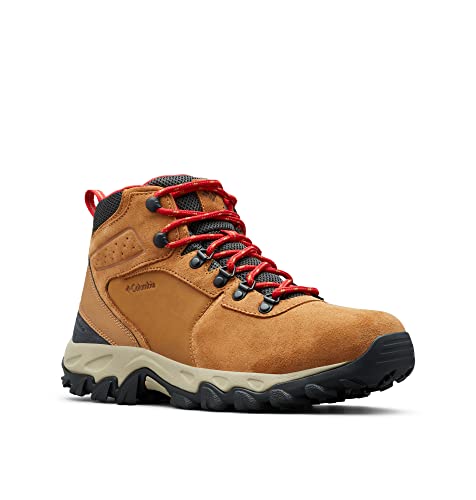
The Columbia Women's Newton Ridge Plus Waterproof Amped is a mid-cut hiking boot engineered for day hikers, outdoor walkers, and weekend adventurers who need dependable trail traction and weather defense. Built with classic mountaineering style cues in a women's size 8 Stratus and Canyon Rose colorway, this boot targets hikers seeking reliable foot support without excess bulk on established trails, forest paths, and mixed outdoor terrain.
On the trail, the boot relies on Columbia's TECHLITE lightweight midsole to deliver sustained cushioning and high energy return across hours of walking. Underneath, the signature Omni-GRIP non-marking rubber outsole provides traction across a wide variety of terrain, making it suitable for loose gravel, packed dirt, slick roots, and rocky inclines throughout spring, summer, and fall.
Construction highlights include a waterproof combination of supportive leather and suede paired with seam-sealed craftsmanship to lock out moisture from wet grass, shallow puddles, and unexpected rainfall. Durability is further reinforced at key wear points with dedicated toe and heel barriers, as well as an extended outsole toe overwrap designed to protect the front of the boot against scrapes and rocks over extended use.
The traditional mid-cut lace-up setup allows hikers to customize tension across the instep and collar for a stable, secure fit around the ankle. For ongoing maintenance, wiping away caked mud with a damp cloth, gently brushing the suede sections, and letting the boots air dry at room temperature helps preserve the upper materials and waterproofing performance between outings.
While the seam-sealed design provides solid moisture protection on damp trails, this boot is specifically rated for three-season use and is not built for deep winter snow or mountaineering crampon compatibility. Additionally, hikers who tackle very warm summer trails in dry climates may find the leather and suede construction holds more heat than lightweight, mesh-heavy low-cut trail running alternatives.
For hikers seeking a sturdy, comfortable waterproof trail boot with solid grip and proven protective overlays, the Columbia Newton Ridge Plus Waterproof Amped delivers excellent practical value. It serves as a dependable choice for day hikes, state park loops, and general outdoor recreation where ankle support, traction, and dry feet are top priorities.
The Columbia Newton Ridge Plus Waterproof Amped combines supportive leather and suede panels to create an abrasion-resistant outer shell. Seam-sealed construction works directly with the treated upper materials to prevent water from penetrating through needle holes and panel joints during wet conditions.
High-wear areas receive dedicated reinforcement, including heavy-duty toe and heel barriers. An extended rubber overwrap from the Omni-GRIP outsole shields the front toe box against impact from trail obstacles, extending the functional lifespan of the boot across seasons of trail use.
This boot is well suited for day hikers navigating variable trails where changing weather and uneven footing are common. The mid-cut height provides supportive coverage around the ankle joint, which helps manage balance over rocky stretches and uneven dirt trails.
Underfoot cushioning from the TECHLITE midsole reduces ground impact during longer day treks, while the Omni-GRIP rubber tread maintains reliable footing on dry switchbacks, damp leaves, and loose gravel paths without marking indoor surfaces at the trailhead.
Routine care for the leather and suede upper begins with removing dried mud and dust using a soft-bristle brush after every trail outing. Spot cleaning with cool water and a mild soap helps preserve the appearance of the Stratus and Canyon Rose colorway without damaging the material structure.
Always allow the boots to dry naturally at room temperature away from campfires, radiators, or direct high heat, as excessive heat can dry out leather and compromise seam adhesives. Occasional treatment with a water-repellent spray designed for suede and leather can help maintain outer water bead performance.
Evaluating Women’s Hiking Footwear for Varied Trails
Finding the right trail footwear comes down to matching anatomical shape, chassis support, and weather protection to the terrain you plan to explore. A well-constructed boot prevents foot fatigue by supporting the arch, cushioning the heel strike, and keeping moisture out during unexpected downpours. Understanding how key materials and design elements function together makes it much easier to select footwear suited to your specific trail goals.
Anatomical Last Design and Female Foot Biomechanics
Women generally have distinct foot proportions compared to men, including a narrower heel cup, higher arch placement, and a wider forefoot relative to total foot length. Footwear manufacturers account for these proportions by building women’s models on gender-specific lasts rather than simply scaling down men’s sizing. A narrower heel pocket holds the calcaneus firmly in place, which dramatically reduces upward slip during steep uphill climbs. This tailored contour prevents the repeated friction that breaks down the skin and leads to painful calcaneal blisters.
Differences in hip width also create a wider quadriceps angle, often called the Q-angle, which influences how force transfers through the knees and ankles with every stride. Boots engineered for women often incorporate lateral stability elements and tuned arch contours to prevent excessive inward foot rolling, also known as overpronation. Without this targeted chassis support, long days carrying gear can cause arch fatigue, tendon strain, and localized plantar pain. Selecting footwear built specifically around female biomechanics provides structural alignment that preserves energy across rocky ascents.
Upper Construction: Supportive Leather Versus Lightweight Synthetics
Upper construction plays a central role in trail durability, breathability, and structural protection against sharp rocks. Classic hiking designs often blend supportive leather and suede panels to create an exterior that withstands repeated contact with abrasive granite and rough brush. Leather uppers naturally mold to the contours of your foot over time, offering a customized fit that synthetic textiles struggle to replicate. Suede overlays also provide structural reinforcement across high-stress flex points, preventing premature material breakdown along the sides of the boot.
Lightweight synthetic uppers, such as reinforced nylon or breathable mesh panels, prioritize instant comfort and lower total carry weight. Synthetic boots typically require minimal break-in time, allowing hikers to hit the trail without enduring stiff collar bite or rigid heel counters. Combining durable leather with flexible suede inserts delivers an ideal balance of rugged protection and natural foot articulation. Matching your upper material to expected trail abrasion ensures that your footwear remains dependable in rough backcountry conditions.
Waterproof Membranes and Internal Moisture Regulation
Seam-sealed waterproof construction prevents moisture from creeping through needle holes, fabric joins, and tongue margins during wet outings. Waterproof membranes sit between the exterior leather shell and the interior lining, allowing microscopic sweat vapor to escape while blocking larger liquid water droplets. This barrier keeps feet dry when crossing shallow streams, navigating soggy meadows, or trekking through persistent rainfall. Staying dry is critical for foot health, as wet skin softens quickly and becomes highly susceptible to severe friction blisters.
Gusseted bellows tongues are another vital component of wet-weather footwear defense, connecting the tongue directly to the upper along both sides. This integrated fold creates a continuous barrier that blocks water, mud, sand, and fine trail gravel from entering around the lacing eyelets. The maximum water depth a boot can handle safely is defined by the height of this tongue gusset line. Stepping into water that exceeds this threshold allows liquid to pour over the top, trapping moisture inside the waterproof membrane bootie.
Midsole Cushioning, Energy Return, and Torsional Support
The midsole acts as the shock-absorbing heart of any trail boot, dampening impact forces before they travel into your ankles, knees, and hips. Formulations like lightweight TECHLITE midsoles provide responsive cushioning that absorbs trail shock while delivering high energy return with each push-off. This springy underfoot feel reduces lower-leg fatigue, making long days on uneven trails far more manageable. Lightweight foam compounds also keep overall footwear weight down, which saves significant metabolic energy over thousands of steps.
Torsional rigidity and underfoot shank protection prevent the boot from twisting excessively when stepping on off-camber rocks or exposed tree roots. Internal shanks made of thermoplastic polyurethane, composite nylon, or fiberglass shield the sensitive plantar fascia from jagged stones. Without sufficient rigidity, your foot muscles must work constantly to balance on uneven terrain, resulting in painful arch cramping. Testing a boot by attempting to twist the sole like a dishrag reveals whether it offers adequate torsional resistance for rocky trails.
All-Terrain Outsole Traction and Heel Braking Lugs
Outsole grip determines whether you maintain secure footing on wet granite slabs, muddy inclines, or loose gravel descents. Advanced rubber compounds, such as Omni-GRIP non-marking traction rubber, are formulated to balance sticky surface adhesion with long-term abrasion resistance. A well-designed rubber compound grips damp rocks without wearing down rapidly on abrasive sandstone or asphalt approach roads. Non-marking compounds also ensure that indoor surfaces or boat decks remain free from scuffs during travel transitions.
Lug geometry and depth directly dictate how effectively the sole bites into soft trail surfaces like loose loam and deep mud. Multi-directional lugs feature angled edges that provide traction during both uphill propulsion and downhill braking. Wide spacing between the perimeter lugs creates self-cleaning channels that shed packed mud as the sole flexes, preventing the tread from turning into a slick surface. Undercut heel breasts create a defined brake edge that digs into dirt switchbacks, helping prevent dangerous slips on steep declines.
Reinforced Toe and Heel Barriers for Wear Point Protection
Trail obstacles like hidden boulders, loose roots, and scree quickly abrade unprotected footwear uppers, leading to split seams and blown-out toes. Boots built with reinforced toe and heel barriers add durable synthetic or rubber shielding over these critical wear points. An extended outsole toe overwrap acts as an integrated bumper, deflecting direct frontal impacts when kicking loose rocks on uphill climbs. This reinforcement also shields the stitching around the toe box, preventing trail abrasion from unraveling critical seam lines.
Heel counters provide external rigidity around the back of the foot, maintaining the structural shape of the heel cup under heavy trail stress. A stiff heel counter stabilizes the rear foot, preventing the ankle from rolling inward or outward when navigating off-camber paths. Heavy-duty eyelets and speed hooks resist bending and rope burn, ensuring reliable fit adjustments over years of trail use. Choosing boots with robust exterior reinforcements ensures that your investment survives rough backcountry trails without structural failure.
Pairing Boots with Merino Wool Thermal Socks for Foot Health
Hiking footwear functions as a coordinated system where the sock is just as crucial as the boot itself for overall comfort. High-performance crew socks made with 70% merino wool, 22% polyester, and 8% spandex create an ideal thermal and moisture barrier inside the boot. Merino wool fibers naturally absorb moisture vapor while retaining their insulating loft, keeping feet warm in chilly morning conditions and comfortable during afternoon climbs. The synthetic polyester fibers reinforce high-abrasion zones like the heel and toe, extending the sock’s functional lifespan.
Added spandex provides elasticity and shape retention, preventing the sock from sagging, bunching, or shifting inside the footbed during long ascents. Bunched fabric creates high-pressure friction points that rapidly generate hot spots on the heel or under the metatarsal heads. Dense underfoot cushioning in quality boot socks dampens micro-vibrations from rocky terrain while filling minor volume gaps within the footwear. Crew-height socks also rise well above mid-cut boot collars, protecting sensitive ankles from abrasive collar rubbing and trail debris.
Sizing Verification and Downhill Ramp Testing
Determining your correct hiking boot size requires looking beyond everyday street shoe measurements to account for natural trail swelling. Feet expand in both length and width as blood flow increases and arches flatten slightly under the weight of a loaded backpack. Trying on boots in the late afternoon or early evening mirrors this expanded volume, ensuring your footwear will not pinch after several trail miles. Always test footwear while wearing the exact thermal wool socks you plan to use on the trail.
A reliable baseline test for boot length involves sliding your foot forward until your toes touch the front of the unlaced boot. With your toes touching the front bumper, you should be able to slide one finger easily between your heel and the back collar. This finger-width gap confirms that you have roughly a half-size of clearance, which is necessary to prevent downhill toe collision. Downhill ramp testing or walking down a steep flight of stairs verifies that your midfoot lacing prevents your toes from jamming forward into the front bumper.
Locking Lacing Techniques to Eliminate Heel Slippage
Standard crisscross lacing works well for average foot shapes, but specialized lacing techniques can resolve localized pressure points and heel slippage. If you experience persistent heel lift on steep ascents, pairing your boots with flexible trail hiking pants allows full range of motion while you implement a surgeon’s knot. A surgeon’s knot involves twisting the laces twice around each other at the ankle transition before pulling them tight and catching the speed hooks. This simple friction lock isolates the lower foot volume from the upper cuff, preventing the laces from loosening as you walk.
Hikers with high insteps or sensitive dorsal nerves often suffer from painful pinching across the top of the foot when laces are drawn tight. Window lacing relieves this pressure by bypassing eyelets directly over the sensitive or prominent area, threading the laces vertically up the sides before resuming the crisscross pattern. Making quick field adjustments to your lacing tension after the first mile of hiking also pays huge dividends in foot comfort. As body heat softens the leather upper and compresses sock cushioning, stopping briefly to snug down your laces maintains a secure lock.
Cleaning, Drying, and Long-Term Waterproofing Upkeep
Proper post-hike cleaning preserves the breathability and structural integrity of leather and suede uppers over seasons of heavy use. Caked trail mud acts like a desiccant, drawing natural oils out of leather and causing it to dry out, stiffen, and crack prematurely. Use a soft nylon brush and lukewarm water to remove dried dirt, paying special attention to seams, eyelets, and the tongue gusset folds. Removing grit from flex points prevents fine abrasive particles from grinding into the stitching and wearing through the waterproof lining.
Drying wet hiking boots correctly is essential to avoid destroying upper materials, adhesives, and internal foam cushioning. Never place damp boots directly beside a roaring campfire, under a high-heat radiator, or inside a heated clothes dryer, as intense heat dries out leather and melts adhesives. Instead, remove the insoles, loosen the laces completely, pull the tongue forward, and allow the boots to air-dry in a well-ventilated, shaded space. Applying a specialized, water-based reproofing spray to clean, damp uppers revitalizes the factory durable water repellent without clogging breathability.
Practical Selection Summary for Women Trail Hikers
Selecting the ideal trail footwear requires aligning your personal foot shape, expected hiking mileage, and trail terrain with the right construction features. Look for boots that combine supportive leather overlays, seam-sealed waterproofing, responsive midsole cushioning, and dependable traction compounds. Pairing these features with high-content merino wool thermal socks creates a protective footwear system that manages moisture, cushions impacts, and prevents friction. Taking the time to test downhill clearance and verify secure heel lockdown guarantees confidence before stepping onto the trail.
Investing in quality trail boots transforms your hiking experience, letting you focus on scenic vistas and mountain summits rather than aching feet. Once you find a pair that fits your heel contour and accommodates your forefoot, break them in gradually on short local walks before undertaking demanding routes. Keep your footwear clean, adjust your lacing when gradients shift, and inspect your outsoles regularly to ensure lasting trail performance. With the right footwear supporting your stride, you can tackle diverse trails in comfort and safety across every season.



Write Your Review
No reviews yet. Be the first to share your experience!