


Uneven trails, slippery rock faces, and long trail miles quickly reveal whether footwear supports your feet or causes painful blisters. Hikers often search for what are the best hiking boots in the world to find an ultimate solution for blister-free comfort, dependable ankle stability, and waterproof security. Finding reliable trail footwear involves matching upper construction, torsional rigidity, and outsole lug traction to your specific trail conditions and pack weight. When paired with proper trail clothing like lightweight trail pants, a capable boot keeps your joints comfortable across variable terrain.
Modern hiking boots range from burly full-grain leather backpacking boots built for heavy loads to lightweight, flexible ankle-high boots designed for swift day hikes and multi-terrain versatility. Options like the NORTIV 8 Men’s Ankle High Waterproof Hiking boot demonstrate how integrated waterproof construction, cushioned EVA midsoles, and slip-resistant rubber soles provide dependable comfort without requiring an exhausting break-in period. Understanding how boot design influences foot biomechanics ensures that you select footwear capable of protecting your feet across wet dirt, loose scree, and rugged inclines.

Pros
- Ankle-high waterproof build protects against puddles, wet mud, and shallow splashes
- Flexible EVA midsole and removable cushioned insole deliver immediate step-in comfort
- High-traction rubber outsole provides dependable grip on wet, muddy, and loose ground
- Multipurpose design suits day hiking, camping, light backpacking, and manual outdoor work
Cons
- Waterproof membrane reduces upper airflow in hot, dry summer weather compared to ventilated mesh footwear
- Lacks the rigid shank support required for technical mountaineering or crampon use
- Sizing is fixed to standard shoe lasts and may require aftermarket insoles for specialized arch shapes
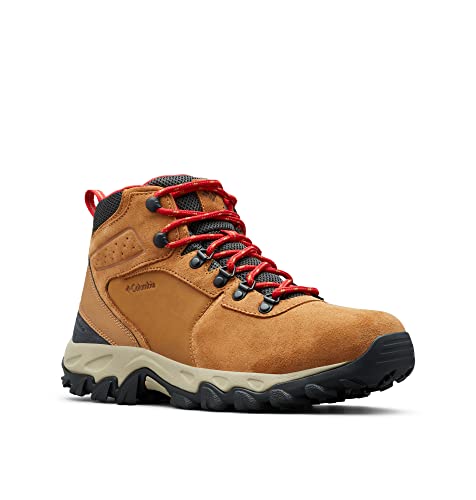
The NORTIV 8 Men's Ankle High Waterproof Hiking Boots are built for day hikers, weekend backpackers, campers, and outdoor workers who need ankle stability and dependable wet-weather protection. Featuring an ankle-high silhouette in a brown, black, and tan colorway, this trail footwear caters to outdoor enthusiasts who navigate muddy paths, rocky forest tracks, and uneven ground. The design emphasizes immediate step-in cushioning and reliable traction, making it an appealing option for beginners and budget-minded hikers seeking functional outdoor footwear.
Underfoot cushioning and trail shock absorption rely on a balanced two-part comfort setup featuring lightweight EVA midsoles and removable cushioned insoles. The flexible EVA foam absorbs ground impact and provides responsive energy return, helping to minimize foot fatigue over long days on the trail. In addition, the removable shock-absorbent footbed allows hikers to remove the insoles to air out after wet outings or replace them with custom orthotics if specific arch support is needed.
Outsole traction and upper construction are specifically engineered for challenging, slick outdoor surfaces. The durable rubber outsoles feature pronounced, multidirectional lugs designed to grip mud, damp dirt, wet rocks, and loose gravel, minimizing slipping on steep ascents or slick descents. The ankle-high cut offers added lateral support and keeps trail debris from entering the footwear, while the waterproof upper helps keep feet dry during rainy hikes, dewy mornings, and shallow stream crossings.
Caring for and maintaining these boots is straightforward thanks to the synthetic upper and durable rubber foundation. Because the insoles can be taken out, drying the boots after rainy trail excursions or sweaty hikes is much faster, which helps preserve the internal materials and reduce odor buildup. Hikers should routinely brush dried mud from the outsole grooves to ensure the rubber lugs retain their intended grip on future outings.
While these boots deliver solid recreational performance across everyday outdoor activities, they do have practical footwear limitations. The waterproof barrier naturally limits upper ventilation during hot, dry summer hikes, which can cause feet to feel warm over extended mileage. Additionally, while the flexible sole excels on moderate trails, it lacks the rigid full-length shank needed for alpine mountaineering or heavy pack loads on jagged rock. For day hikers, weekend campers, and casual trail travelers wanting dependable grip, ankle coverage, and weather protection, these boots provide sensible, trail-ready utility.
The NORTIV 8 hiking boots are equipped with a high-traction rubber outsole engineered specifically for slippery and varied surfaces. The multidirectional lug pattern is shaped to dig into soft soil, mud, wet leaves, and loose gravel, giving hikers confident footing on rolling hills and uneven ground.
To maintain maximum grip, hikers should periodically clean packed mud from between the tread blocks, allowing the durable rubber compounds to make direct, secure contact with the trail surface.
Comfort is delivered primarily through a lightweight, flexible EVA midsole combined with a removable cushioned insole. This setup provides shock attenuation that dampens repetitive trail impacts, helping to keep foot fatigue manageable over miles of walking.
The removable nature of the insoles also means hikers with specific orthopedic requirements can easily insert personalized arch supports without overcrowding the interior of the boot.
These boots incorporate an ankle-high waterproof exterior designed to resist moisture from rain, wet grass, and trail puddles. The ankle-height collar provides extra barrier clearance compared to low-top hiking shoes, preventing shallow splashes from entering over the top.
Hikers should keep in mind that stepping into water deeper than the ankle collar will allow moisture inside, and waterproof footwear generally dries slower and retains more foot warmth than non-waterproof ventilated shoes.
Defining What Makes a Hiking Boot the Best in the World
The search for what are the best hiking boots in the world begins with recognizing that no single footwear model can dominate every outdoor environment. Footwear engineered for sub-zero alpine ascents with heavy gear will feel stiff, heavy, and hot on a casual woodland walk. Similarly, a flexible lightweight boot built for relaxed day hikes lacks the torsional rigidity needed for high-altitude scree fields. A truly superior boot is the one that aligns precisely with your unique foot anatomy, expected trail conditions, and carried gear weight.
The Myth of a Universal Boot for Every Trail and Hiker
Footwear manufacturers design different boot categories because trails impose radically different demands on feet and lower joints. A hiker tackling well-maintained park trails benefits most from lightweight construction, flexible soles, and soft interior cushioning that minimizes step fatigue. In contrast, an off-trail trekker navigating jagged talus requires stiff leather uppers, rigid internal support, and dense outsoles that resist sharp rock impacts. Assuming that a single boot design can excel equally in both worlds leads to blistered feet or early gear failure.
Individual foot shapes also vary widely, which makes universal recommendations impossible. Hikers with wide forefeet, high insteps, or bunions need generous room in the toe box to allow natural metatarsal splay. Those with narrow heels require snug, anatomical heel cups to prevent friction-induced hot spots during steep ascents. Finding your personal best footwear means prioritizing internal dimensions and structural support over brand name prestige.
Upper Construction: Balancing Leather Durability with Synthetic Agility
Upper materials define how a boot flexes, breathes, and defends your feet against trail debris. Traditional full-grain leather uppers provide exceptional resistance against abrasive rocks and thorny brush, forming a tough defensive shield. But heavy leather boots carry a noticeable weight penalty and typically demand extended conditioning periods before feeling comfortable. Every extra ounce on your feet translates to considerable energy expenditure over high-mileage hikes.
Modern synthetic uppers and split-leather blends offer an agile alternative for casual hikers and day trekkers. These materials provide out-of-the-box flexibility, allowing your ankles and arches to move naturally from the very first mile. Synthetic fabrics also shed excess moisture more quickly when exposed to internal sweat or external wetness. For recreational paths and mixed outdoor tasks, synthetic uppers deliver a practical balance of foot protection and all-day comfort.
Footwear such as the NORTIV 8 Men’s Ankle High Waterproof Hiking boot utilizes structured uppers designed for active outdoor lifestyles. This style suits day hiking, camping, cycling, and daily work without demanding a brutal multi-week break-in schedule. Selecting flexible materials preserves natural stride mechanics while shielding sensitive ankle joints from trail scrapes.
Waterproofing Barriers Versus Warm-Weather Breathability
Waterproof membranes help keep feet dry when stepping through shallow puddles, wet morning grass, and sudden rain showers. These internal booties incorporate microscopic pores that block liquid water droplets from penetrating the outer shell. A bellows tongue connected directly to the upper eyelets ensures that moisture cannot seep through the lacing gaps. This water barrier provides peace of mind when crossing muddy bogs or walking along humid riverbanks.
Waterproof protection does introduce a noticeable breathability trade-off during warm weather outings. When outdoor temperatures climb, the internal membrane limits the rate at which sweat vapor escapes from inside the footwear. Trapped perspiration can saturate socks, softening the skin and dramatically increasing your vulnerability to friction blisters. In hot desert conditions or dry summer climates, unlined ventilated trail shoes often keep feet drier than waterproof boots.
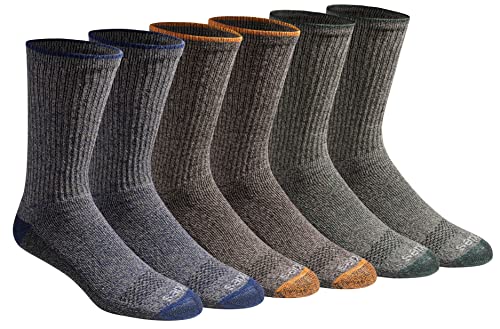
Managing internal foot moisture requires pairing waterproof footwear with technical moisture-wicking synthetic or merino wool socks. Cotton socks should always be avoided because they hold onto water, lose cushioning, and accelerate skin maceration. Changing damp socks during midday trail breaks is an effective habit that maintains skin resilience across long distances. Keeping feet dry from both external elements and internal perspiration remains vital for long-term trail comfort.
Midsole Cushioning and Underfoot Energy Absorption
The midsole represents the primary shock-absorbing layer positioned between your footbed and the tough rubber outsole. Most lightweight trail footwear relies on compression-molded EVA foam to cushion joint impacts on hard ground. EVA foam delivers plush step-in comfort, high flexibility, and noticeable energy return on rolling dirt paths. This lightweight cushioning helps reduce lower-leg fatigue during moderate trail excursions.
Heavier multi-day backpacking boots frequently utilize dense polyurethane midsoles instead of lighter EVA foam. Polyurethane resists compression over hundreds of miles under the crushing burden of heavy gear packs. While polyurethane feels firmer and less forgiving right out of the box, it maintains its structural integrity without packing out prematurely. For hikers carrying moderate pack loads, EVA midsoles strike an ideal compromise between soft cushioning and reliable shock attenuation.
Removable cushioned insoles provide an extra layer of shock absorption while allowing hikers to adjust interior volume. Replacing a basic footbed with a supportive aftermarket insole can stabilize fallen arches and redistribute plantar pressure evenly. Balanced underfoot cushioning keeps your stride aligned when carrying gear in affordable trail backpacks over rolling terrain. Supportive footbeds ultimately protect your knees and lower back from repetitive trail impact shock.
Chassis Rigidity, Shanks, and True Ankle Support
Many hikers assume that ankle support comes entirely from the height of a padded boot collar. In biomechanical reality, ankle roll prevention depends far more on the torsional rigidity of the boot chassis. A supportive boot incorporates a firm heel counter and an internal shank made of nylon, fiberglass, or composite materials. This internal structure keeps the boot sole from twisting unnaturally when your foot lands on an uneven rock edge.
Testing torsional rigidity is simple: hold the boot by the heel and toe, then attempt to twist it like a wet towel. Stiff backpacking boots resist twisting forces completely, providing an unyielding platform for off-camber hillside walking. Flexible trail boots twist more readily, facilitating swift, agile movement on smooth forest paths. Choosing the right degree of stiffness depends on whether your typical route features maintained dirt or treacherous boulder fields.
A taller collar still offers practical advantages by shielding your ankle bones from stray rocks, mud splatters, and brush scratches. High-cut designs also deter small stones and trail sand from tumbling into your footbed. But hikers should not expect collar fabric alone to stabilize ankles if the underfoot foundation is soft and unstable. A secure heel pocket working together with a stable midsole delivers genuine joint protection on variable routes.
Outsole Traction Patterns and Compound Grip on Wet Terrains
Outsole traction determines whether you move with confidence or slip dangerously on muddy hillsides and slick roots. Effective tread geometry relies on multidirectional lugs that bite into soft earth during uphill propulsion and downhill braking. Perimeter lugs spaced widely apart help shed wet mud automatically instead of allowing dirt to pack into a slick, flat surface. Without proper lug evacuation, even deep tread patterns can lose grip in damp clay.
Downhill descents require specialized braking lugs with sharply defined, undercut edges located beneath the heel breast. When descending steep loose scree, driving your heels downward engages these braking edges to check forward momentum. High-grade rubber compounds are formulated to balance sticky rock adhesion with resistance to abrasion. Stiff rubber lasts longer on dry gravel, while softer compounds offer superior friction on polished wet river stones.
The slip-resistant rubber soles on NORTIV 8 footwear feature advanced traction lugs designed for multi-terrain outdoor stability. Reliable underfoot grip prevents sudden slips and falls across wet grass, muddy inclines, and loose dirt paths. Selecting an outsole suited to your regional geology ensures stable foot placement in unpredictable weather conditions.
Anatomical Sizing, Downhill Toe Clearance, and Volume Matching
Selecting the correct boot size requires accounting for how feet behave under prolonged trail exertion. Over several hours of walking, physical impact and natural blood pooling cause feet to swell slightly in both width and length. Purchasing hiking boots that fit too snugly in the store inevitably leads to pinched toes and painful hot spots. Most experienced hikers prefer sizing up by a half size to accommodate late-day foot expansion and thicker socks.
Downhill toe clearance is critical for avoiding subungual hematomas, commonly known as painful black toenails. Before purchasing, unlace the boot, slide your foot forward until your toes touch the front, and check the gap behind your heel. You should comfortably fit one finger behind the heel to ensure adequate forward room on steep downward gradients. When walking downhill, your foot should remain locked in place without slamming your toes against the front toe bumper.
Pairing properly fitted boots with flexible outdoor apparel enhances your overall comfort on demanding trails. Wearing trail pants with knee articulation helps maintain fluid leg movement when stepping across elevated logs or climbing steep switchbacks. When your footwear and apparel work in harmony, your lower joints experience significantly less fatigue over full-day treks. Ensuring proper toe clearance and heel retention remains the cornerstone of blister-free hiking.
Targeted Lacing Methods for Pressure Relief and Heel Retention
Standard lacing techniques often fail to solve localized foot pain or heel slippage inside the boot. Hikers experiencing heel lift on uphill climbs can utilize a surgeon’s knot to lock the lower lace zone securely. By twisting the laces around each other twice before catching the ankle hooks, you isolate forefoot tension from ankle tension. This locking knot prevents your heel from lifting upward and rubbing against the back collar.
Hikers with high arches or sensitive instep bones frequently suffer from numbness caused by downward lace pressure. Window lacing, also known as box lacing, solves this problem by routing laces vertically through eyelets directly over the tender spot without crossing over. This simple adjustment creates a pressure-relief window that eliminates pinching across the dorsal nerves while keeping the rest of the boot snug. Learning these basic knot adjustments allows you to customize boot tension to your exact foot contours.
Cleaning Protocols and Heat-Free Drying for Longer Gear Life
Proper post-hike maintenance preserves the protective performance of your footwear across multiple hiking seasons. Caked mud and fine grit pull moisture from upper materials and act like abrasive sandpaper against seam stitching. After returning from the trail, use a soft nylon brush and clean water to scrub dried dirt from the uppers and outsole tread. Never use harsh household detergents, as chemical degreasers can break down protective factory water-repellent treatments.
Drying wet boots correctly is essential for preventing permanent material damage and delamination. Never place wet boots directly next to campfires, wood stoves, or high-heat radiators. Intense radiant heat shrinks leather fibers, warps EVA foam midsoles, and causes sole-bonding adhesives to melt and detach. Instead, pull out the removable insoles, unlace the uppers completely, and allow the boots to air-dry in a well-ventilated, shaded space.
Over extended trail mileage, the durable water repellent coating applied to the outer uppers gradually wears away. When you notice surface fabrics absorbing water droplets rather than beading them off, apply a fluorocarbon-free footwear reproofing spray to clean, damp boots. Restoring outer repellency prevents fabrics from wetting out and preserves maximum internal breathability. Routine cleaning and gentle drying will keep your footwear ready for the next adventure.
Selecting the Best Footwear for Your Personal Trail Goals
Determining what are the best hiking boots in the world ultimately comes down to understanding your personal trail objectives and physical needs. A weekend walker exploring forest paths does not need heavy alpine boots, just as a mountain trekker should not rely on casual sneakers. Prioritize anatomical fit, reliable traction, and appropriate underfoot cushioning suited to your specific trail environments. Testing your boots at home with planned trail socks before venturing deep into the backcountry ensures your feet remain protected, comfortable, and blister-free on every trail.



Write Your Review
No reviews yet. Be the first to share your experience!