


Rugged granite ledges, talus fields, and sharp rock scrambles demand trail gear that resists constant friction while preserving full lower-body flexibility. When hikers ask what are the best hiking pants for navigating rocky terrain, the answer centers on dynamic stretch fabric, reliable seam reinforcement, and dependable knee articulation. Heavy denim or rigid canvas binds during steep steps, while fragile ultra-light fabrics can tear on coarse stone surfaces. Choosing versatile options like lightweight hiking pants for men provides a balance between rapid moisture evaporation and trail durability.
Technical rock scrambles also place extreme strain on waistbands and pocket seams whenever you reach for handholds or crouch across narrow ledges. Reliable trail apparel must incorporate flexible elastane blends and targeted ventilation to keep sweat from accumulating during sustained climbs. Many hikers look for proven designs like durable trail mobility trousers that feature articulated construction and reinforced cargo storage. Finding bottoms with secure closures, quick-drying synthetics, and adjustable waist systems ensures you stay protected without sacrificing freedom of motion on demanding ascents.

Evaluating Technical Hiking Pants for Rocky and Uneven Trails
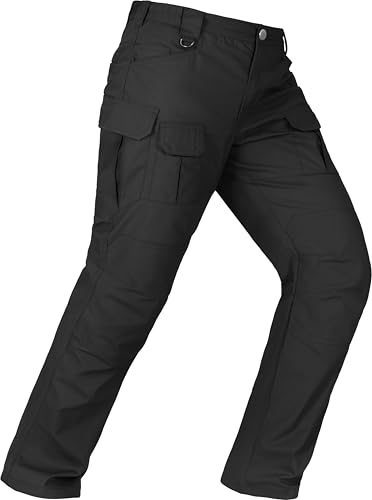
Navigating boulder fields and exposed rock slabs requires outdoor pants built with resilient stretch weaves, articulated knee patterning, secure storage, and integrated ventilation. The ideal bottoms shield your legs against rough granite abrasion while granting unrestricted range of motion for high steps and awkward stem moves. Models such as the CQR Men’s Quick Dry Tactical Pants incorporate spandex blended fabrics alongside structured 3D patterning to meet these precise trail demands. Understanding how each functional element performs against abrasive stone helps you select clothing that withstands rugged backcountry routes.
Fabric Durability and Abrasion Resistance on Coarse Rock
Rocky terrain subjects hiking apparel to intense point friction across the seat, knees, and inner ankles. Rough sandstone and sharp metamorphic rock can quickly chew through thin, single-ply fabrics that lack reinforced weaving. A quality pair of trail pants relies on durable synthetic fibers such as high-density polyester or nylon mixed with flexible elastane. This composite structure allows the material to slide over abrasive edges rather than catching and shredding on contact.
Ripstop grid construction and dense weaves provide an extra layer of defense against puncture hazards from scree and loose shale. When sharp rock fragments strike the leg, an interlocking weave prevents minor snags from turning into full-length fabric tears. Manufacturers often calibrate fabric density to strike a balance between mechanical durability and packable weight. Selecting pants engineered with tear-resistant construction prevents unexpected wardrobe failures miles away from the trailhead.
Water-resistant outer treatments also add practical utility when crossing damp boulder fields or scrambling near alpine cascades. A durable water-repellent finish causes light moisture and splashing creek water to bead on the exterior surface instead of soaking directly into the weave. Keeping surface fibers dry preserves the fabric’s natural resistance to abrasion and prevents heavy water weight from bogging you down. Pairing water resistance with abrasion resilience yields a garment ready for unpredictable high-elevation weather.
Articulated Patterns and Stretch Mobility for Steep Steps
Scrambling up boulder piles requires steep knee flexion, wide lateral stances, and occasional mantle movements that test garment flexibility. Standard casual pants with straight leg cuts pull tight across the thighs during high steps, restricting upward motion and increasing seam fatigue. Technical hiking pants solve this problem by incorporating dedicated 3D patterning and ergonomic leg shaping. These pre-curved cuts mirror the natural bend of the knee to eliminate binding during demanding elevation gain.
Gusseted crotch construction plays an equally vital role in maintaining full lower-body freedom when maneuvering between large boulders. By inserting an extra diamond-shaped fabric panel at the inseam juncture, designers eliminate the standard four-way cross seam that commonly splits under heavy tension. This anatomical construction disperses stress across multiple stitch lines whenever you lunge across a crevice or scramble over talus. Hikers investing in supportive knee trail bottoms often notice how articulated seams reduce drag across the quad and patella during repeated ascents.
Spandex blended into the base fabric provides the dynamic elasticity required for continuous off-camber foot placement. Even a small percentage of stretch fiber allows the pant legs to move with your muscles rather than working against your stride. This mechanical flexibility reduces fatigue in the hip flexors and prevents the waistband from slipping down during extreme reaches. As a result, you spend less physical energy fighting stiff fabric while concentrating on stable hand and footholds.
Active Ventilation and Moisture Control on Exposed Climbs
Ascending rocky slopes generates intense core body heat, especially when navigating unshaded ridge lines under direct sun exposure. Trapped heat leads to rapid sweat accumulation, which softens the skin and increases the likelihood of uncomfortable chafing along the thighs. Effective trail apparel manages this climate through lightweight synthetic yarns that transport liquid perspiration away from the skin toward the outer surface. Rapid evaporation keeps the inner garment lining dry, even during sustained aerobic climbs.
Mesh ventilation inserts provide direct airflow circulation through high-perspiration zones without compromising external fabric coverage. Strategically positioned venting systems allow cool ambient air to enter while expelling humid interior air during active movement. The CQR Men’s Quick Dry Tactical Pants highlight this advantage with built-in mesh ventilation ports that encourage airflow across the lower body. This constant air exchange maintains a stable microclimate inside the pant legs, preventing that clammy, weighed-down sensation on hot afternoons.
Quick-drying synthetics also serve as an important safety factor when climbing into cooler, wind-whipped alpine terrain. Wet cotton or untreated heavy fabrics hold water against the skin, accelerating heat loss if temperatures drop abruptly on an exposed summit. Quick-drying polyester and nylon blends shed retained moisture within minutes of reaching breezy vantage points. Staying dry ensures your body retains critical warmth when transitioning from strenuous ascents to windy rest breaks.
Pocket Layout and Gear Security During Hands-on Scrambles
Hands-on scrambling requires you to keep essential items accessible without allowing them to spill across steep rock faces. Traditional open slash pockets can easily dump pocket knives, compasses, or trail maps when you lean forward or crouch low against stone. Technical outdoor cargo pants address this hazard by offering multi-purpose pocket configurations with secure closures. Flapped, zippered, or reinforced pocket compartments keep valuable gear anchored in place regardless of your climbing angle.
Pocket positioning is just as critical as pocket security when moving through tight boulder slots and narrow rocky chutes. Pockets mounted flat against the outer thigh avoid snagging on projecting rock spurs and keep tools from digging into the hip joints. Distributing weight evenly across multiple low-profile cargo sections prevents heavy items from shifting erratically as you step between unstable boulders. Balanced gear storage helps maintain your physical equilibrium on narrow ledges where steady footing is essential.
Smooth pocket linings and reinforced tool clips also protect your equipment and pants from premature internal wear. Metal multi-tools or rugged communication devices can rub against outer fabric layers during vigorous movement, creating localized friction points. Quality designs reinforce pocket entry edges to handle heavy daily clipping without fraying the primary weave. These purposeful storage details let you carry navigational tools securely while keeping both hands completely free for climbing.
Waistband Stability and Pack Hip-Belt Integration
A secure waistband is fundamental when scrambling over uneven ground because sliding pants disrupt your cadence and create chafing hazards. High-stepping over boulders creates downward drag along the rear waistband, especially if pocket contents add downward weight. Choosing pants with an integrated webbing belt or sturdy belt loops ensures the waistband remains anchored at your natural waistline. A stable waist fit allows you to focus fully on route finding rather than constantly pulling up sagging fabric.
Compatibility with backpack hip belts represents another vital consideration for backcountry hikers carrying heavy loads across rocky passes. Thick, bulky buckles or raised metal buttons can create painful pressure points when pinched under a heavily loaded pack strap. Flat-profile closures and smooth elasticized waistband inserts distribute lumbar pressure evenly across the hips without pinching nerve pathways. Many distance hikers pairing their gear with all-day trail comfort pants look specifically for low-bulk waist designs that eliminate friction during extended trekking days.
Adjustable belt systems provide flexibility as your body burns calories and sheds water weight during long mountain treks. Having the option to micro-adjust tension throughout the day prevents pants from loosening as fabric stretches under continuous exertion. Sturdy loop construction also allows you to substitute aftermarket tactical or low-profile webbing belts according to your gear preferences. Reliable waist retention keeps your hiking layers functioning as a cohesive protective unit from morning to night.
Lower Leg Protection, Hem Clearance, and Footwear Mating
The lower cuffs of your hiking pants face continuous punishment from loose scree, jagged talus, and dense alpine brush. Loose, baggy hems can easily catch on trail obstacles or tangle with hiking boot hardware, creating serious tripping hazards on exposed drops. Clean, tapered leg cuts keep excess fabric close to the lower limb without restricting natural ankle articulation. Maintaining tidy hem clearance prevents accidental snagging while preserving a clear visual line to your footing.
Pants that sit cleanly over technical hiking boots or trail runners help prevent sharp pebbles and grit from entering your footwear. Sandstone crumbs and decomposed granite inside a boot can quickly cause painful blisters that derail a mountain excursion. While dedicated trail gaiters provide extreme debris protection, a well-fitted pant hem provides a dependable first line of defense. Selecting trousers with sufficient ankle drop ensures the cuffs stay positioned over boot collars during deep knee bends.
Abrasion-resistant hem stitching is equally essential for preventing lower cuff fraying when legs scrape against loose scree fields. Sliding down gravel-heavy switchbacks or talus slopes exposes bottom hems to severe grinding forces that can unravel delicate thread lines. Reinforced cuff construction ensures the hem integrity remains intact across seasons of demanding mountain use. Paying attention to lower leg architecture guarantees thorough lower-body protection from waist to boot collar.
Seasonal Layering and Thermal Adaptation on Alpine Ridges
Mountain environments are notorious for sudden microclimate shifts, where blistering valley heat gives way to freezing gusts along rocky summits. Versatile hiking bottoms must accommodate thermal base layers beneath their shell when chilly shoulder-season winds arrive. Choosing an athletic or standard fit with slight mechanical stretch leaves adequate volume for moisture-wicking long underwear without causing restrictive tightness. This layering adaptability extends the functional range of your trail wardrobe across spring, summer, and late autumn.
Wind penetration across bare granite ridges can rapidly strip away convective body heat, leading to involuntary shivering and sluggish muscle response. Densely woven synthetic fabrics act as a resilient physical barrier that blunts chilly mountain drafts while remaining breathable enough for active exertion. This wind-blocking characteristic prevents rapid evaporative chilling after you work up a heavy sweat on steep boulder fields. Balancing wind resistance with active breathability keeps leg muscles warm, responsive, and ready for technical footing.
Sun exposure also escalates dramatically as you climb above the timberline onto light-colored, reflective granite formations. High-density synthetic fabrics provide a dependable physical shield against intense ultraviolet radiation without requiring chemical reapplication. Full-length pant legs protect your calves and thighs from solar burns as well as painful scrapes from sharp rock spurs. Investing in multi-functional coverage ensures you remain shielded from both environmental elements and rough trail surfaces.
Choosing the Right Pants for Your Specific Trail Demands
Selecting the ideal hiking trousers ultimately depends on the specific balance of durability, weight, and mobility your intended routes require. Casual day hikes over maintained gravel paths favor ultra-lightweight fabrics, but technical scrambles and off-trail talus traverses demand heavier-duty stretch synthetics. Prioritizing 3D articulated patterning and tear-resistant weaves ensures your clothing can endure repeated scrapes against stone faces. Evaluating your most frequent terrain types prevents under-protecting your legs in rugged alpine territory.
Sizing accuracy is just as crucial as feature selection because an improper fit undermines even the best fabric technology. Pant legs that are too tight restrict vital knee movement and strain seam stitching, while overly loose cuts sag and snag on sharp branches. Checking manufacturer sizing charts for exact waist and inseam measurements helps you find a balanced silhouette that accommodates high steps. Pairing accurate sizing with functional features like quick-drying fabric and secure pockets creates a dependable setup for challenging ascents.
Taking proper care of your technical trail pants after demanding outings preserves their protective coatings and stretch resilience for years of adventures. Washing technical synthetics on gentle cycles and avoiding harsh fabric softeners keeps moisture-wicking channels clear and prevents elastane degradation. Periodic reapplication of water-repellent sprays restores exterior water-shedding performance after repeated scrapes against coarse stone. Maintaining your gear ensures that your trail apparel remains dependable every time you head toward rugged mountain terrain.
Navigating rocky terrain safely comes down to trusting your footing, reading the route ahead, and wearing apparel that moves naturally with your body. By choosing trail pants with resilient stretch fabrics, articulated knees, reliable pocket closures, and active ventilation, you protect your legs against harsh friction while staying agile on steep ascents. Taking the time to evaluate fabric composition, seam construction, and waistband security ensures you find a pair ready for every granite scramble and mountain summit.


Write Your Review
No reviews yet. Be the first to share your experience!