


Managing moisture and temperature across shifting terrain determines whether a day on the trail remains comfortable or turns into an endurance test. Steep ascents generate significant body heat and sweat, while exposed ridges or sudden afternoon wind can trigger immediate shivering. Knowing what do you wear hiking starts with building a flexible clothing setup that moves moisture away from the skin before dampness sets in. Pairing breathable trail tops with versatile lightweight hiking pants allows hikers to adapt to unpredictable temperature shifts without carrying excess pack bulk.
Common mistakes like wearing heavy cotton fabrics often lead to uncomfortable moisture retention and severe chafing over longer distances. Reliable outdoor apparel relies on synthetic polyester, nylon, or merino wool fibers that dry rapidly and maintain thermal efficiency when damp. Incorporating proper footwear with protective toe bumpers, aggressive lug patterns, and quick-draining uppers ensures steady footing over slick granite and loose gravel. Preparing your clothing system thoughtfully keeps your body regulated so you can focus entirely on the backcountry route ahead.


Building a Complete Trail Clothing and Layering System
Choosing proper trail clothing revolves around managing external weather conditions while regulating interior body heat. Your apparel must actively transfer sweat away from your skin during intense exertion and trap essential warmth when you pause on breezy summits. Balancing breathability, durability, and weather resistance prevents fatigue and protects against exposure throughout long days in the wilderness.
The Three-Tier Layering Principle for Active Thermoregulation
A modular layering system serves as the foundational framework for wilderness apparel. Instead of depending on a single heavy jacket, experienced hikers wear multiple lightweight garments that work cooperatively. The base layer rests directly against your skin to pull perspiration away before moisture chills your body. This active moisture transport keeps you dry during steep climbs and prevents shivering when stopping for rest.
The insulating mid-layer functions as a thermal buffer by capturing body heat within trapped air pockets. Lightweight fleece tops, grid pullovers, and breathable synthetic vests provide reliable warmth without excessive weight. During aerobic ascents, this layer remains stowed in your pack to avoid overheating and unnecessary sweating. Once you reach windy ridgelines or shaded canyons, throwing on your mid-layer restores thermal balance within moments.
The outer shell acts as your primary shield against punishing winds, falling rain, and ambient moisture. High-quality technical shells incorporate breathable membranes or durable water repellent coatings that prevent rain penetration while releasing internal vapor. Without a protective shell, cold wind cuts through insulating mid-layers and rapidly drains your core body temperature. Deploying these three layers in harmony gives you complete control over changing trail microclimates.
Upper Body Apparel: Base Tops, Sun Hoodies, and UPF Protection
Upper body trail shirts must prioritize rapid moisture wicking and friction-free ergonomics under heavy backpack straps. Polyester knits and merino wool blends excel at transporting liquid sweat outward to the fabric surface where air circulation facilitates quick evaporation. Flatlock seams across the shoulders prevent painful chafing when carrying a loaded daypack over several miles. Selecting garments with ample stretch ensures unhindered arm movement during steep scrambles and switchback climbs.
Ultraviolet radiation increases significantly with elevation, making sun-protective clothing essential for mountain hiking. Garments like the PINSPARK Women’s Workout Tops UV Protection highlight the value of UPF 50+ rated fabrics that block harsh rays while remaining soft against sensitive skin. This sleeveless design incorporates side slits and four-way stretch fabrics that maximize airflow during hot ascents. Hikers often pair lightweight technical tanks with protective sun sleeves or packable wind shirts for adaptable coverage.
Long-sleeve sun hoodies represent another popular choice for exposed alpine routes and arid desert environments. Lightweight synthetic hoods shield the back of the neck and ears from intense glare without requiring sticky sunscreen reapplication. Integrated thumb loops hold sleeves securely in place across wrists and back of hands during trekking pole use. Loose athletic cuts encourage mechanical airflow, creating a cooling microclimate next to your skin even under direct sunlight.
Lower Body Selection: Pants, Shorts, and Trail Tights
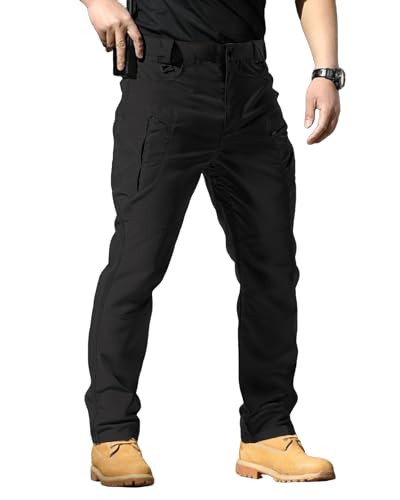
Trail bottoms endure continuous friction from thick brush, abrasive granite rocks, and moving knee joints. While running shorts offer excellent ventilation on smooth paths, overgrown backcountry trails require rugged leg defense against thorns, stinging nettles, and ticks. Stretch-woven nylon pants provide outstanding tear resistance while maintaining full freedom of movement on steep technical steps. Reinforced seat and knee panels further guard against premature fabric wear during rocky rest stops.
Investing in purpose-built hiking bottoms makes a tangible difference in all-day comfort. Exploring options like durable trail pants gives hikers access to moisture-wicking fabrics engineered with gusseted crotches and articulated knees. These specialized tailoring features eliminate binding around the thighs and waist when lunging over boulders or fallen logs. Flat, pack-compatible waistbands also prevent agonizing pinching beneath heavy backpack hip belts.
Challenging alpine routes with steep descents demand additional lower-body focus and steady joint support. Many backpackers choose supportive hiking trousers designed to maintain mobility and ease strain during high-mileage mountain treks. Pairing ergonomic trail pants with breathable synthetic trail tights underneath offers versatile warmth during unpredictable shoulder-season outings. This layered combination keeps leg muscles warm while shedding exterior trail grit and wind chill efficiently.
Trail Footwear Strategies: Low-Top Cushioning versus Zero-Drop Barefoot Designs
Selecting appropriate trail footwear depends directly on terrain ruggedness, pack weight, and personal biomechanical preferences. Low-top trail shoes like the SHULOOK Men’s Waterproof Hiking Shoes provide reliable weather protection and shock absorption across uneven ground. Their waterproof uppers help keep feet dry in damp environments, while reinforced toe caps guard against impacts with roots and loose rocks. Outsoles featuring multidirectional lugs provide the essential mechanical traction needed for loose dirt and slick switchbacks.
Water-rich trails and river crossings introduce unique footwear requirements where traditional shoes often fail. Minimalist options such as the Barefoot Water Shoes Women Men Adult Hiking Swim incorporate dedicated drainage holes to expel water instantly after wading through streams. Their five-toe guard design protects digits from submerged rocks and coral without adding clumsy bulk. Quick-adjust bungee lacing keeps silt and river gravel out, allowing seamless transitions between wet wading and dry shoreline walking.
Minimalist hikers frequently favor wide toe boxes that allow toes to splay naturally for enhanced balance. Footwear like the RUFONE Hiking Barefoot Shoes for Women Men and Spesoul Mens Barefoot Shoes Wide Hiking Shoes Zero emphasizes zero-drop soles to promote an upright stride and ground connection. Their flexible rubber outsoles deliver slip-resistant grip on packed dirt and rocky surfaces while reducing joint fatigue over moderate distances. This lightweight construction allows instinctive foot movement, making them popular for light trail treks and coastal walks.
Sock Architecture and Blister Prevention Mechanics
Trail socks serve as the critical interface between your skin and footwear, directly dictating whether your hike stays pain-free. High-density merino wool blends and technical synthetics represent the premier materials for preventing hot spots and blisters. These advanced fibers actively transport foot perspiration away from delicate skin into the shoe upper where moisture evaporates. Maintaining dry skin stabilizes the outer epidermal layer, dramatically lowering the risk of debilitating friction blisters.
Targeted cushioning across the heel and ball of the foot absorbs continuous impact forces on rocky downhills. Seamless toe closures eliminate irritating ridges that rub against toe knuckles during repetitive strides. Elastic arch braces hold the sock firmly against the foot contour, preventing sagging or bunching inside the toe box. When socks stay smooth and snug, foot movement within the shoe causes zero dangerous shearing friction.
Carrying extra pairs of clean hiking socks in a waterproof pack sack is essential backcountry practice. Swapping into fresh, dry socks during a midday lunch break instantly rejuvenates tired feet and eliminates accumulated sweat salts. If you encounter stream crossings, removing dry socks before wading prevents hiking in soggy, abrasive fibers for the rest of the day. A few moments spent managing sock dryness pays massive dividends in comfort across multiday outings.
Why Cotton Poses Critical Safety Hazards on the Trail
The outdoor adage that cotton kills stems from solid physiological and textile physics. Cotton fibers are hydrophilic, meaning they absorb and hold up to twenty-seven times their weight in water. When you sweat during a steep climb, cotton shirts and underwear soak up perspiration like sponges. Instead of evaporating away, that trapped moisture remains pinned directly against your warm skin, saturating the fabric completely.
Wet cotton loses all its insulating capacity and conducts heat away from the body roughly twenty-five times faster than air. Once you reach an exposed mountain pass or stop hiking, summit winds trigger rapid evaporative cooling. This rapid loss of core body temperature can induce hypothermia surprisingly quickly, even in mild forty-degree weather. Technical synthetics and merino wool, by contrast, retain air pockets and warmth even when partially damp.
Moisture-logged cotton also generates severe friction against damp skin, causing agonizing chafing across the inner thighs and underarms. The swollen cotton fibers become abrasive, breaking down the skin barrier over miles of repetitive movement. Sweat salts dry into coarse crystals within the fabric, further accelerating skin irritation and painful raw spots. Eliminating cotton entirely from your hiking wardrobe prevents these dangerous and uncomfortable wilderness complications.
Weather Adaptation: Dialing In Layers for Heat, Rain, and Cold Snaps
Adapting your apparel to specific environmental challenges requires proactive layering adjustments before discomfort begins. In scorching summer conditions, your clothing strategy must balance radiant heat protection with maximum evaporative cooling. Loose-fitting UPF-rated tops promote airflow while shielding your skin from sun damage that accelerates dehydration and heat fatigue. Wide-brimmed hats and polarized sunglasses protect sensitive facial areas and eyes from blinding alpine glare.
Shoulder-season hiking introduces erratic weather patterns where morning sunshine can quickly yield to freezing rain squalls. Packing a dedicated waterproof-breathable rain jacket with fully taped seams provides critical storm security in your daypack. Deploying mechanical underarm pit zips lets you release excess heat during climbs without letting rain saturate your inner layers. Pairing your jacket with lightweight rain pants creates an impenetrable barrier against wind-driven precipitation.
Cold-weather outings demand strict pacing discipline to avoid soaking your base layers with sweat during ascents. Hikers should start their trek feeling slightly cool, knowing that aerobic effort will warm their muscles within minutes. Stripping off your heavy mid-layer before embarking on a sustained climb prevents excessive moisture buildup. Stowing a packable synthetic or down puffy jacket near the top of your pack allows instant warmth during summit breaks.
Technical Trail Accessories and Family Hiking Preparations
Trail accessories provide critical micro-adjustments for regulating heat loss and protecting exposed extremities throughout the day. Lightweight neck gaiters protect against sunburn in summer and seal out biting drafts around your collar during autumn frosts. Breathable running caps shade the eyes from midday sun while keeping sweat from dripping into your vision. Lightweight fleece liner gloves pack down to pocket size, offering essential wind protection when handling cold trekking poles.
Cultivating good outdoor habits early makes trail adventures far more enjoyable for younger family members. Classic outdoor children’s books like Do Princesses Wear Hiking Boots? from Globe Pequot Press explore hiking curiosity and encourage practical preparation for young explorers. Equipping kids with real moisture-wicking layers and proper trail footwear builds outdoor confidence and prevents miserable mid-trail meltdowns. When children stay dry and comfortable, family hiking trips transform into lifelong wilderness memories.
Staging your backpack carefully ensures that essential accessories and layers remain accessible without unpacking your entire load. Rain gear, extra socks, and emergency insulation should occupy top compartments or external stretch pockets. Keeping high-use items like trail hats and sun gloves within arm’s reach encourages prompt adjustments as weather fluctuates. Developing efficient gear staging habits minimizes trail downtime and keeps your group moving comfortably.
Practical Gear Maintenance and Field Longevity
Preserving the high performance of technical trail apparel requires careful laundering protocols after returning from the backcountry. Standard household detergents contain optical brighteners, fragrances, and surfactants that leave behind wicking-inhibiting chemical residues. Using specialized technical fabric washes preserves the capillary channels in synthetic base layers and protects delicate merino fibers. Never use fabric softeners, as they coat synthetic threads with a waxy film that prevents sweat absorption.
Trail shoes and barefoot water footwear require routine cleaning to prevent premature upper wear and seam failure. Accumulated trail dust, sand, and fine river grit act like sandpaper against flexible knit fabrics and synthetic stitching. Rinsing dirty footwear in cold water and air-drying them away from direct heat sources preserves sole adhesives and upper elasticity. Removing insoles after wet hikes allows interior footbeds to dry thoroughly, preventing unpleasant odors and mildew growth.
Restoring the durable water repellent finish on waterproof shells and jackets ensures continued moisture protection across multiple seasons. When water stops beading on face fabrics, a gentle wash followed by controlled tumble drying often reactivates the hydrophobic polymer coating. Inspecting seam tape, zipper pulls, and pocket closures before every major hike catches minor wear before it turns into a backcountry failure. Careful gear maintenance ensures that your clothing system remains dependable whenever you venture into the outdoors.
Final Practical Trail Dressing Strategy
Assembling a reliable hiking outfit is ultimately an ongoing exercise in adapting to shifting terrain and weather forecasts. Prioritizing moisture management, ergonomic mobility, and reliable weatherproofing protects your health across every backcountry mile. Investing in modular layers and durable trail footwear allows you to explore remote wilderness routes with absolute confidence. Checking local trail conditions before stepping out ensures your clothing choices match the exact demands of your mountain journey.


Write Your Review
No reviews yet. Be the first to share your experience!