


Navigating unpaved wilderness routes requires far more preparation than cruising along smooth neighborhood asphalt. Uneven ground, sudden elevation changes, and unpredictable weather mean runners must carry specialized equipment to maintain pace and stability. When transitioning from paved roads to technical singletracks, understanding what gear do you need for trail running becomes the central priority for staying safe and efficient. Proper equipment protects joints, prevents dehydration, and ensures you remain self-sufficient miles away from trailheads.
Core trail necessities include grippy footwear, dedicated hydration packs, weather-resistant apparel, and lightweight folding poles for grueling ascents. Pairing breathable tops with flexible lightweight trail pants can shield your legs from trail debris without restricting stride length. As you venture farther into backcountry terrain, balancing pack weight against essential trail protection helps you cover technical miles with greater endurance and confidence.

Pros
- Extremely lightweight at just 140 grams (0.31 lbs), reducing upper-body strain
- Comes complete with a 1.5-liter hydration bladder ready for immediate trail use
- Convenient front strap pockets allow easy access to phone, nutrition, and 250 ml bottles
- Breathable mesh back panel supports airflow during warm-weather outings
Cons
- Very limited cargo capacity for carrying extra layers, bulky gear, or full daypack essentials
- Explicitly not intended for use by children 12 and under according to manufacturer guidelines
- Ultra-slim 0.39-inch depth means it cannot accommodate bulky or rigid outdoor accessories
The INOXTO Running Hydration Vest Backpack is an ultralight, close-fitting pack designed specifically for trail runners, day hikers, road cyclists, and endurance racers who prioritize fluid access over gear capacity. With its streamlined vest-style layout, it serves as a lightweight alternative to traditional hiking daypacks, keeping water and essential items stable and close to the body during high-cadence movement.
Equipped with an included 1.5-liter water bladder housed in the rear compartment, this pack offers ample fluid capacity for short to moderate trail outings. Weighing just 140 grams (approximately 0.31 pounds) with compact dimensions of 13.77 by 5.9 by 0.39 inches, the vest sits high and flat against the back. The adjustable shoulder straps and hip belt allow you to tune the torso fit, helping minimize load shifting and unwanted bounce on ascents and descents.
Constructed from lightweight nylon, the vest combines a smooth outer shell with a ventilated mesh back panel. This open mesh design promotes steady air circulation across your back, helping manage heat buildup during warm-weather runs or strenuous hill climbs. For early morning starts or dusk outings, integrated reflective trim provides visibility, while dedicated strap clips keep excess harness webbing neatly secured.
Organization is focused heavily on front-facing accessibility. In addition to the main hydration compartment, the front harness features two large pockets and two small utility pockets designed to hold trail items like energy gels, tissues, keys, and cards. Pockets on the left and right chest straps hold 250 ml PET bottles, while a side pocket keeps a mobile phone accessible for trail navigation or music on the move.
Prospective buyers should be mindful of the pack's minimal storage capacity. With a profile under one inch thick, it is purely a hydration carrier with accessory pockets, lacking the volume for packable rain shells, extra insulation, or bulky first aid kits. The manufacturer also specifies that this model is not designed for children aged 12 and under.
For adult hikers, runners, and cyclists looking for an accessible, featherlight vest complete with an included water reservoir, the INOXTO Hydration Pack offers great practical utility. It delivers stable hydration and convenient snack access, making it an excellent match for fast-and-light trail adventures where bulkier backpacks would only slow you down.
Hydration management is the primary focus of the INOXTO vest. The pack comes standard with a 1.5-liter water bladder that rests securely in the rear compartment, delivering sufficient fluid for routine trail runs, cycling loops, and quick day hikes.
For hikers who like carrying supplemental electrolytes or extra fluids, the harness includes dedicated front pockets sized to fit 250 ml PET bottles. Four front utility pockets and a phone sleeve ensure nutrition, keys, and communication devices remain within arm's reach without needing to unbuckle the vest.
The INOXTO hydration vest features an adjustable harness system consisting of side adjustment straps and an adjustable hip belt. This dual-adjustment layout helps secure the vest snugly against the torso to prevent chafing and bouncing during repetitive running or cycling motions.
Integrated strap clips help keep excess strap webbing contained once adjusted. Because fit is tuned via lateral straps, users can easily loosen or tighten the vest depending on whether they are wearing a thin summer base layer or a light wind jacket.
A Complete Breakdown of Trail Running Equipment and Trail Essentials
Heading out on rugged dirt trails requires specialized equipment designed to handle varied terrain, elevation swings, and changing wilderness weather. Unlike road runners who stay close to paved infrastructure, trail runners must carry their own water, calories, and protective equipment. Answering what gear do you need for trail running starts by examining three foundational pillars: traction underfoot, fluid carrying capacity, and weather defense. Investing in purpose-built gear keeps you balanced on loose scree while preventing exhaustion far from the trailhead.
Dedicated Trail Running Footwear and Traction Mechanics
Footwear forms the absolute foundation of your entire trail setup. Road running shoes lack the aggressive tread pattern and structural protection required for wet mud, loose gravel, and jagged rock fields. Dedicated trail shoes feature deep multi-directional lugs molded from sticky rubber compounds that bite into loose terrain. These specialized outsoles keep you upright across slick roots and steep descents where standard smooth road treads would slip instantly.
Underfoot defense represents another critical distinction between road and trail footwear. Many trail running models incorporate flexible rock plates embedded within the midsole foam to disperse sharp underfoot impacts. This protective layer prevents bruised soles when landing directly on pointy granite edges or hidden tree stumps. Reinforced toe bumpers around the front rand also protect delicate toes when you inevitably kick loose rocks during high-cadence strides.
Upper construction must strike a balance between high breathability and structural durability. Tightly woven ripstop mesh keeps out gritty trail silt while allowing sweat vapors to escape freely into the air. Some runners also pair low-profile ankle gaiters with their trail shoes on dusty or gravelly routes to keep small pebbles from entering the collar. Choosing the correct heel-to-toe drop and cushioning level depends on your typical mileage, personal biomechanics, and technical trail roughness.
Ergonomic Hydration Vests and Load Management
Carrying adequate fluids without disturbing your natural running cadence is essential for off-road outings. Handheld water bottles may suffice for short loops, but longer mountain excursions demand a specialized running hydration vest. These form-fitting packs rest high across the upper thoracic spine to eliminate the irritating bouncing motion common with traditional daypacks. Broad shoulder harnesses distribute liquid weight evenly across your torso so your shoulder muscles stay relaxed.
Hydration options generally split between rear reservoir bladders and front-mounted soft flasks. A rear water bladder lets you sip through a routed hose while transporting up to two liters of fluid for remote backcountry routes. Meanwhile, flexible front chest flasks make it simple to monitor fluid consumption and refill quickly at mountain streams or race aid stations. Combining both storage methods provides immense versatility across changing seasons and fluctuating temperatures.
A prime example of an accessible setup is the INOXTO Running Hydration Vest Backpack,Lightweight from IX INOXTO, which provides a designated sleeve for a 1.5-liter water bladder while weighing just 140 grams empty. Its lightweight nylon construction features a ventilated mesh back panel engineered to promote continuous airflow, preventing excessive heat accumulation against your back muscles. Front harness pockets accommodate 250-milliliter bottles alongside dedicated compartments for your phone, keys, and energy gels, ensuring quick access on the move. Adjustable torso and hip straps stabilize the load against your frame, which is critical for reducing chafing during repetitive stride cycles.
Selecting the appropriate pack volume depends entirely on your target distance and self-sufficiency requirements. Minimalist two-to-five-liter race vests carry just enough fluids and fuel for rapid outings on familiar local loops. Conversely, runners tackling unsupported wilderness routes or variable alpine weather often prefer larger packs, similar in capacity to compact budget daypack options, to stow spare layers and mandatory emergency safety gear.
Lightweight Trail Running Poles for Steep Ascents and Joint Relief
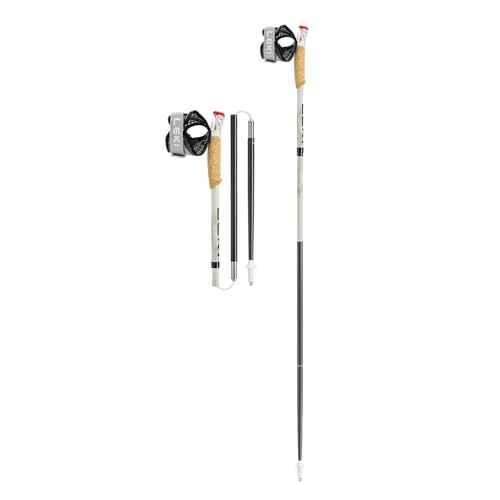
Technical ascents and quad-burning descents place extraordinary physical demands on your lower body joints. Incorporating lightweight running poles into your kit helps distribute work across your upper body, engaging your shoulders, core, and back muscles to maintain forward propulsion. When power-hiking up steep gradients, planting poles synchronizes with your stride to alleviate patellofemoral knee strain and reduce muscular fatigue in your calves.
Shaft material plays an enormous role in swing weight dynamics over high-mileage runs. Featherweight carbon fiber shafts absorb minor trail vibrations while offering minimal swing weight, meaning your forearms will not fatigue after thousands of repetitive pole plants. Durable 7075-T6 aluminum shafts weigh slightly more but provide greater ductile strength against bending when a pole tip accidentally catches between rocky talus crevices. Both materials have their place depending on whether you prioritize absolute weight savings or rugged rock resistance.
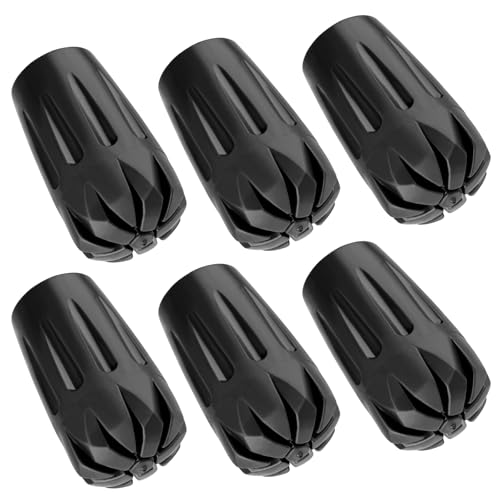
Locking mechanisms and folding architectures are tailored specifically for rapid on-trail transitions. Three-section folding Z-poles connected by internal tension cords collapse in seconds, allowing runners to quickly stow them against vest loops during flat runnable stretches. External cam lever locks offer precise height adjustments for fluctuating slope gradients but require slightly more time to collapse than fixed-length folding designs. Tungsten carbide flex tips bite securely into hard rock and slick dirt, while removable rubber tips protect pavement sections during mixed-surface approaches.
Ergonomic grip profiles also dictate hand comfort throughout warm summer efforts. Contoured natural cork grips naturally wick moisture away from sweaty palms, mitigating blister formation during humid mountain adventures. Closed-cell EVA foam handles offer soft cushioning and extended choke-up lower sleeves, letting you adjust hand position instantly when traversing steep sidehills without changing pole length. Breathable wrist straps transfer vertical load directly to your skeletal structure, freeing you from maintaining a fatiguing death-grip on the handles.
Layering Systems and Weather-Resistant Technical Apparel
Mountain trail environments are notorious for rapid temperature drops and sudden precipitation. Dressing in a dynamic layering system allows you to regulate body heat efficiently without sweating through your base layers. Technical synthetic fabrics like polyester and polypropylene pull perspiration away from your skin to prevent rapid post-run chilling. Merino wool garments also serve as fantastic base layers, maintaining thermal insulation properties even when damp from exertion or mist.
Lower body apparel must provide complete freedom of movement while preventing painful inner thigh chafing. Many runners rely on split running shorts with built-in compression liners, while cooler climates demand form-fitting tights or supportive outdoor pants that shield exposed skin from scratchy trail brush. Look for bottoms constructed with flatlock seams and wide elastic waistbands that remain secure without pinching under a loaded hydration vest harness.
An ultralight, packable wind jacket or waterproof breathable shell is an indispensable safety layer in any mountain kit. Modern running jackets fold down to the size of an energy bar, making them effortless to carry inside a vest rear pocket. A quality shell blocks biting summit gusts while venting excess body heat through underarm perforations or breathable membrane fabrics. Do not overlook seamless anti-blister trail socks, which feature dense cushioning around the heel and toe boxes to minimize shearing friction inside your shoes.
Trail Nutrition and Electrolyte Replenishment Plans
Sustained aerobic output on technical climbs burns through glycogen reserves much faster than flat road jogging. Trail runners must actively consume carbohydrates every thirty to forty-five minutes to prevent sudden energy crashes and mental fog. Energy gels, chewable gummies, and liquid drink mixes provide fast-acting simple carbohydrates that digest quickly without upsetting your stomach. Stowing these calorie packets inside accessible front vest pockets ensures you can feed without breaking your running cadence.
Electrolyte balance becomes equally crucial once sweat rates rise during warm afternoon workouts. Sweating depletes critical sodium, potassium, and magnesium ions needed for proper muscular contractions and neurological signalling. Carrying electrolyte tablets or specialized drink mixes in one of your chest flasks helps maintain electrolyte equilibrium, warding off debilitating leg cramps. Sipping small amounts of electrolyte solution regularly ensures steady absorption into your bloodstream throughout long efforts.
On longer multi-hour mountain journeys, relying solely on sugary gels can lead to flavor fatigue and gastrointestinal distress. Carrying savory snacks such as salted nuts, small energy bars, or dried fruit provides complex carbohydrates and healthy fats for sustained metabolic fuel. Experimenting with various fuels during training runs teaches your digestive tract to process nutrition under physical stress. Always pack a spare calorie buffer in case an unexpected trail detour extends your planned outing.
Navigation, Illumination, and Emergency Wilderness Gear
Losing your bearings in remote backcountry woods can transform an enjoyable run into a serious survival situation. Cellular reception is notoriously unreliable in deep valleys and rugged mountainous ravines, making standalone paper maps or downloaded digital tracks vital. Modern GPS running watches allow you to follow pre-loaded breadcrumb routes with turn-by-turn alerts right from your wrist. Carrying a fully charged smartphone with offline mapping applications installed provides a dependable visual backup when junctions lack proper signage.
Early morning starts and late evening finishes require a dependable, hands-free light source. A compact headlamp capable of casting at least two hundred to three hundred lumens illuminates hidden rocks and roots well before you step on them. Wide beam profiles allow your eyes to scan peripheral terrain without constantly jerking your head from side to side. Always check battery levels before leaving home, and carry spare lithium cells or a lightweight charging cord on extended wilderness outings.
Emergency equipment occupies minimal space in your pack but provides immense peace of mind. A basic safety kit should include an emergency foil bivy blanket, a small loud whistle, adhesive bandages, antiseptic wipes, and blister treatments. Reflective accents on your pack harness, such as those integrated into the INOXTO lightweight vest, increase your visibility to other trail users or motorists during road connectors at dusk. These small precautionary items ensure you can signal for assistance or treat minor scrapes without outside help.
Assembling Your Kit and Final Trail Preparation
Packing your gear strategically within your running vest maximizes balance and on-trail efficiency. Place heavier items, such as your filled water bladder, closest to your spine to keep your center of gravity stable. Frequently accessed gear like gels, soft flasks, and phones should sit securely in front harness pockets where you can grab them without stopping. Secure your collapsible poles horizontally across lower vest straps or vertically along dedicated bungees to eliminate annoying rattling against your ribs.
Post-run gear maintenance extends the working lifespan of technical fabrics and mechanical components. Always rinse out your hydration bladders and soft flasks promptly with warm water, hanging them upside down to air dry completely to prevent mold. Launder your running vest in cold water to remove corrosive salt deposits from dried sweat, avoiding high-heat clothes dryers that can degrade delicate elastic mesh. Disassemble collapsible running poles after rainy outings to wipe down internal ferrules and prevent grit from jamming locking mechanisms.
Understanding what gear you need for off-road running ultimately boils down to matching your equipment to terrain demands, weather forecasts, and total run duration. Starting with reliable traction, a comfortable hydration vest, and appropriate weather layers allows you to progress safely from flat gravel paths to alpine ridges. Taking the time to dial in your gear before leaving the trailhead transforms challenging terrain into an enjoyable, empowering outdoor adventure.






Write Your Review
No reviews yet. Be the first to share your experience!