


Most users find that setting the tip of the pole at the level of the wrist crease provides the most natural and stable walking posture. This specific alignment ensures that your elbow remains slightly bent, typically between 15 and 20 degrees, which allows for efficient power transfer during the stride.
The correct walking pole height is not a one-size-fits-all measurement but depends on your individual stature, the type of terrain you are navigating, and whether you are using adjustable or fixed-length poles. Getting this measurement right prevents shoulder strain, reduces fatigue in the arms, and helps maintain a balanced gait whether you are hiking a steep trail or walking on flat pavement.
Many beginners make the mistake of choosing poles that are too long, which forces the shoulders to hike up and creates tension in the neck. Conversely, poles that are too short can cause the arms to lock, leading to discomfort in the elbows and wrists. For those using proper gear organization, ensuring your poles are the right length also helps with packing efficiency.
By understanding the biomechanics of pole placement, you can select the ideal length that supports your body weight effectively without causing joint stress. This guide breaks down the precise steps to measure your height accurately and explains how different pole types, from collapsible to one-piece carbon, affect the final sizing decision.

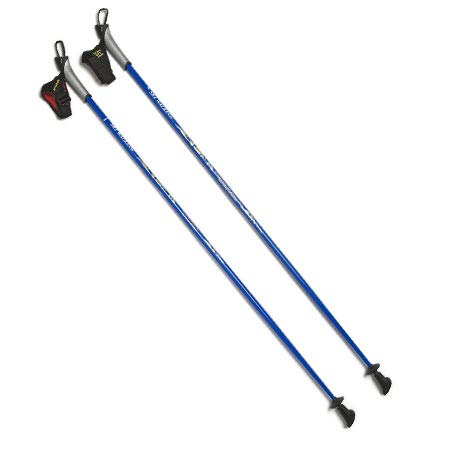


Determining the Correct Pole Height for Your Body
The fundamental rule for sizing walking poles is to measure from the floor to your wrist crease while standing in your walking shoes. This measurement serves as the baseline for most manufacturers and physical therapists. When you hold the pole with your elbow bent at approximately 15 to 20 degrees, the tip should align with this wrist point.
This specific angle allows for a natural push-off motion that engages the upper body muscles without straining the joints. If your elbow is fully extended, the pole is likely too long. If your elbow is bent sharply beyond 30 degrees, the pole is likely too short.
| Pole Type | Adjustment Range | Best For |
|---|---|---|
| Collapsible Aluminum | 26 to 54 inches | Travel, variable terrain |
| One-Piece Carbon | Fixed (32 sizes) | Stability, lightweight use |
| One-Piece Aluminum | Fixed (32 sizes) | Durability, budget options |
Before you start measuring, ensure you are wearing the shoes you plan to use for walking or hiking. The thickness of the sole can change your effective height by up to an inch, which is significant for pole sizing. Stand on a flat, hard surface with your feet shoulder-width apart. Let your arms hang naturally by your sides.
The crease of your wrist, where your hand meets your forearm, is the target point. If you are between two sizes for a fixed-length pole, it is generally safer to choose the shorter option. A slightly shorter pole allows for a more active arm swing and better control on uneven ground, whereas a longer pole can cause you to lean back excessively.
For adjustable poles, you have the flexibility to fine-tune the length based on the terrain. On flat ground, the standard wrist-crease rule applies. However, when hiking uphill, shortening the poles by one or two inches can help you maintain a forward lean and prevent the tips from catching on the ground.
Conversely, when descending, lengthening the poles slightly can provide additional stability and reduce the impact on your knees. This adaptability is a key advantage of collapsible designs, allowing you to adjust to the specific demands of the trail without carrying multiple pairs of poles.
Measuring for Adjustable vs. Fixed-Length Poles
Adjustable poles, such as those with quick-lock systems, offer a wide range of settings. You can start by extending them to your maximum height and then locking them in place. It is crucial to ensure that the locking mechanism is fully engaged to prevent the pole from collapsing during use. A secure lock is essential for safety, especially when bearing significant weight.
For fixed-length poles, you must select the exact size that matches your measurement. These poles are often made from a single piece of carbon or aluminum, which eliminates the risk of joint failure. They are preferred by many users for their rigidity and lack of rattle, providing a more solid feel underfoot.
- Stand in walking shoes on a flat surface
- Measure from floor to wrist crease
- Ensure elbow is bent 15 to 20 degrees
- Choose shorter size if between two options
- Check locking mechanisms on adjustable poles
The difference between a well-fitted pole and a poorly fitted one becomes apparent after a few miles of walking. A pole that is too long forces you to reach forward, which can alter your natural gait and cause shoulder discomfort. A pole that is too short requires you to lift your arms higher, leading to fatigue in the deltoids and biceps.
By taking the time to measure correctly, you avoid these common issues and ensure that your poles serve as a supportive tool rather than a source of strain. This initial setup is a one-time task that pays off in every subsequent walk or hike.
Impact of Terrain on Pole Length Selection
Terrain plays a significant role in how you should set your pole length. On flat, paved surfaces, the standard wrist-crease measurement works best. This allows for a smooth, rhythmic stride that mimics a natural walking motion. On uneven trails, rocks, or roots, a slightly shorter pole can help you navigate obstacles more easily.
It allows you to place the tips more precisely and avoid tripping. On steep inclines, shortening the poles helps you maintain balance and prevents the tips from digging into the slope. On descents, lengthening the poles can provide extra support and reduce the load on your lower body.
For users with balance issues or those recovering from injuries, stability is the primary concern. In these cases, a fixed-length pole that is slightly shorter than the standard measurement may be preferred. This shorter length allows for a wider base of support and more frequent contact with the ground.
It can also make it easier to control the pole during sudden shifts in balance. Always consult with a physical therapist or healthcare provider if you are using poles for rehabilitation purposes. They can provide specific recommendations based on your condition and recovery goals.
Common Sizing Mistakes to Avoid
One of the most common mistakes is measuring barefoot or in socks. This can lead to a pole that is too long when you are actually walking in shoes. Another mistake is ignoring the type of grip. Some grips are longer than others, which can affect the effective length of the pole.
If you have a longer grip, you may need to adjust the pole length slightly to maintain the correct elbow angle. Additionally, some users fail to account for the thickness of their hands. Larger hands may require a slightly different grip position, which can influence the ideal pole length.
- Do not measure barefoot or in socks
- Account for grip length and hand size
- Test poles on different terrains
- Ensure locking mechanisms are secure
- Consult a professional for medical needs
Ignoring the terrain-specific adjustments is another frequent error. Many users set their poles to one length and never change them, regardless of the slope or surface. This can lead to inefficient walking and increased fatigue.
By learning to adjust your pole length based on the conditions, you can improve your comfort and performance. It takes only a few seconds to adjust the poles, and the benefit is worth the effort. Make it a habit to check your pole length before starting a new hike or walk, especially if the terrain is likely to change.
Material Considerations for Pole Stability
The material of the pole can also influence how it feels at different lengths. Carbon fiber poles are lighter and more responsive, which can make them feel more agile. This responsiveness is beneficial for users who want a more active walking experience. Aluminum poles are heavier but more durable and less likely to snap under impact.
They may feel more stable, especially for users who prefer a solid, unyielding feel. The choice of material should align with your walking style and the conditions you typically encounter. If you are hiking in rocky terrain, a durable aluminum pole may be a safer choice.
For users who prioritize weight, carbon fiber poles are an excellent option. They are significantly lighter than aluminum, which can reduce arm fatigue over long distances. However, they are more susceptible to damage if subjected to heavy side impacts.
If you are a casual walker or hiker, the weight difference may not be as critical as durability. In this case, an aluminum pole may be the better choice. Ultimately, the best material is the one that fits your needs and budget. Consider the trade-offs between weight, durability, and cost when making your decision.
Adjusting for Hand Size and Grip Comfort
Hand size and grip comfort are often overlooked but are crucial for long-term comfort. A grip that is too large can cause your hand to slide, leading to blisters and loss of control. A grip that is too small can cause pressure points and numbness.
Most poles come with adjustable straps that allow you to secure your hand in place. These straps should be snug but not tight, allowing for natural blood flow. If you have arthritis or other hand conditions, you may need to experiment with different grip materials, such as cork or foam, to find the most comfortable option.
Cork grips are popular for their natural antibacterial properties and ability to mold to your hand over time. They provide a secure hold without being too tight. Foam grips are softer and can provide more cushioning, which may be beneficial for users with sensitive hands. Leather grips offer a classic look and good durability but may require more maintenance. Choose a grip material that suits your skin sensitivity and walking style. A comfortable grip will encourage you to use your poles more frequently, which can improve your overall walking experience.
By carefully considering your height, terrain, and personal comfort preferences, you can select the ideal pole length for your needs. The right poles will support your body, reduce fatigue, and enhance your enjoyment of walking and hiking. Take the time to measure and test your poles before embarking on long trips.
This simple step can make a significant difference in your comfort and safety. If you are unsure about the correct length, consult with a professional or refer to the manufacturer’s guidelines. A well-fitted pole is a valuable tool that can serve you for years to come.
If you are looking for additional gear to complement your poles, our hiking pants guide offers practical advice on choosing the right clothing for your outdoor activities. Proper gear selection ensures that you are comfortable and prepared for any conditions you may encounter.
By combining the right poles with the right clothing, you can create a complete outfit that supports your active lifestyle. Remember to always check your gear before each outing to ensure it is in good working order. This proactive approach will help you avoid unexpected issues and enjoy your time outdoors to the fullest.





Write Your Review
No reviews yet. Be the first to share your experience!