


Stepping directly into a submerged puddle or tramping through rain-soaked underbrush quickly reveals whether trail footwear can truly keep moisture out. Many hikers struggle with damp socks after a long morning on wet trails, wondering what hiking boots are actually waterproof when marketing labels make broad claims of complete weather defense. Understanding how membrane construction, seam sealing, and exterior materials interact is essential for staying comfortable and preventing friction blisters on challenging terrain. When pairing sturdy footwear with breathable lightweight trail pants, keeping external moisture away from your skin becomes significantly easier.
The reality is that no boot is an impenetrable submarine, because water can overtop low ankle collars, creep through saturated outer fabrics, or accumulate from internal foot sweat. Genuine water resistance relies on a continuous internal bootie, a well-stitched gusseted tongue, and water-repellent upper treatments that prevent surface wet-out. Mid-cut boots with supportive leather panels and integrated liners offer practical barriers against shallow streams, slush, and muddy ruts without adding excessive bulk. Knowing what features separate temporary moisture resistance from durable, trail-ready protection helps hikers choose footwear that performs consistently across varied terrain.
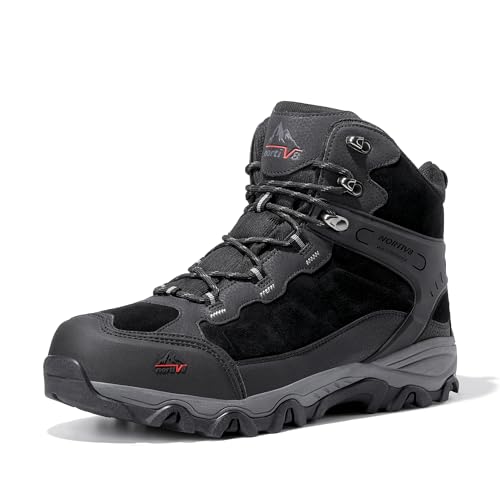
Pros
- Waterproof membrane construction helps keep feet dry through wet grass and muddy trail sections
- Multi-directional traction (MDT) rubber outsole provides reliable grip across mixed outdoor surfaces
- Rubber toe cap and reinforced heel counter offer practical impact protection and walking stability
- Shock-absorbent MD midsole with removable insole provides cushioned comfort on packed trails
Cons
- Suede leather upper requires periodic cleaning and conditioning to maintain water-repellent performance
- Listed size 10.5 offers a fixed fit without wide-width sizing options noted in product details
- Traditional mid-cut boot profile is naturally heavier than minimalist trail running shoes for ultralight hikers
The NORTIV 8 Men's Waterproof Lightweight Hiking Boots in size 10.5 (Black) are designed as protective, trail-ready footwear suited for day hikers, weekend campers, and backpackers navigating mixed terrain. Built with an integrated waterproof membrane and a soft suede leather upper, these boots aim to balance rugged weather defense with all-day walking comfort. They are especially relevant for budget-conscious outdoor enthusiasts who need dependable footwear for trail approaches, local park loops, or campsite duties without spending a fortune on specialized mountaineering gear.
On the trail, foot support and traction dictate how comfortably you can carry your gear and manage long hours on your feet. The NORTIV 8 boots feature a rugged rubber outsole equipped with multi-directional traction (MDT) lugs engineered to bite into loose dirt, damp gravel, and uneven surfaces. Underfoot, a shock-absorbent MD midsole works alongside a flexible, removable insole to soften landings. While footwear does not carry gear volume like a backpack, underfoot cushioning directly influences how comfortably a hiker can navigate extended miles while wearing a daypack or backpacking pack.
Durability and foot protection stem from practical construction details throughout the upper and chassis. The boots utilize wear-resistant suede leather reinforced with a protective rubber toe cap to guard against painful collisions with exposed rocks and roots. At the rear, a reinforced heel counter stabilizes your stride, helping reduce excess lateral shifting on off-camber paths. The internal waterproof membrane construction provides a dependable barrier against puddles, wet morning brush, and mud, supporting dry comfort throughout unpredictable weather changes.
Proper fit adjustment and ongoing maintenance are straightforward with this traditional lace-up design. Hikers can adjust lace tension through the eyelets to customize instep hold and secure the ankle before tackling steep climbs or rocky descents. Because the insole is completely removable, users can easily take it out to dry after humid outings or replace it with custom aftermarket orthotics if personalized arch support is desired. Cleaning the boots requires simply brushing away dried trail dirt and wiping the suede upper with a damp cloth before letting them air-dry at room temperature.
Despite their versatile protective features, these boots have realistic limitations to keep in mind. Suede leather can hold surface moisture if subjected to continuous downpours or submerged beyond the membrane collar, making occasional reproofing beneficial. In addition, hikers who prioritize ultralight trail runners over structured mid-cut boots may find traditional boot builds heavier on high-mileage summer treks. Fit is also specific to the listed size 10.5, meaning hikers who require wide widths should consider their sock thickness carefully when dialing in fit.
Based on product specifications and features, the NORTIV 8 Waterproof Lightweight Hiking Boots offer strong practical value for trail hikers, hunters, campers, and weekend backpackers. With multi-directional traction, a protective toe bumper, and a cushioned shock-absorbent midsole, they deliver reliable trail capability at an accessible price point. For outdoor enthusiasts seeking ready-to-wear waterproof footwear to complement their trail pack on day hikes and weekend adventures, these boots represent a functional and balanced choice.
The NORTIV 8 hiking boots utilize a rugged rubber outsole featuring multi-directional traction (MDT) lugs engineered to maintain grip across varied outdoor surfaces such as loose soil, wet gravel, and rocky paths. Paired with a reinforced heel counter that minimizes lateral foot movement, this tread layout supports stable foot placement whether climbing steep grades or carrying a loaded daypack over uneven terrain.
Crafted with a soft suede leather exterior and an internal waterproof membrane, these boots offer abrasion resistance while shielding feet from mud and water. To maintain the materials over time, brush off dried dirt using a soft bristle brush, wipe the exterior with a damp cloth, and remove the cushioned insole to let the boots air-dry thoroughly at room temperature away from direct heat sources.

Pros
- Seam-sealed waterproof leather and suede upper provides reliable wet-weather defense
- Omni-GRIP non-marking rubber outsole delivers dependable grip across varied terrain
- TECHLITE midsole provides lightweight cushioning and responsive energy return
- Reinforced toe and heel barriers with extended toe overwrap protect critical wear points
Cons
- Designed specifically for three-season hiking rather than severe winter snowpack or sub-zero conditions
- Leather and suede exterior requires occasional brushing and natural drying after wet, muddy outings
- Mid-cut ankle coverage may feel warmer during high-heat midsummer hikes than low-cut trail shoes
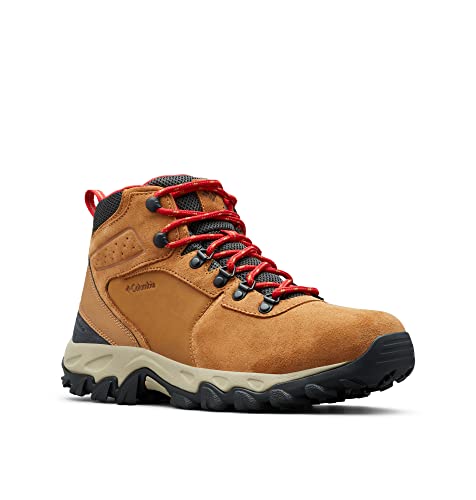
The Columbia Women's Newton Ridge Plus Waterproof Amped is a mid-cut hiking boot engineered for day hikers, outdoor walkers, and weekend adventurers who need dependable trail traction and weather defense. Built with classic mountaineering style cues in a women's size 8 Stratus and Canyon Rose colorway, this boot targets hikers seeking reliable foot support without excess bulk on established trails, forest paths, and mixed outdoor terrain.
On the trail, the boot relies on Columbia's TECHLITE lightweight midsole to deliver sustained cushioning and high energy return across hours of walking. Underneath, the signature Omni-GRIP non-marking rubber outsole provides traction across a wide variety of terrain, making it suitable for loose gravel, packed dirt, slick roots, and rocky inclines throughout spring, summer, and fall.
Construction highlights include a waterproof combination of supportive leather and suede paired with seam-sealed craftsmanship to lock out moisture from wet grass, shallow puddles, and unexpected rainfall. Durability is further reinforced at key wear points with dedicated toe and heel barriers, as well as an extended outsole toe overwrap designed to protect the front of the boot against scrapes and rocks over extended use.
The traditional mid-cut lace-up setup allows hikers to customize tension across the instep and collar for a stable, secure fit around the ankle. For ongoing maintenance, wiping away caked mud with a damp cloth, gently brushing the suede sections, and letting the boots air dry at room temperature helps preserve the upper materials and waterproofing performance between outings.
While the seam-sealed design provides solid moisture protection on damp trails, this boot is specifically rated for three-season use and is not built for deep winter snow or mountaineering crampon compatibility. Additionally, hikers who tackle very warm summer trails in dry climates may find the leather and suede construction holds more heat than lightweight, mesh-heavy low-cut trail running alternatives.
For hikers seeking a sturdy, comfortable waterproof trail boot with solid grip and proven protective overlays, the Columbia Newton Ridge Plus Waterproof Amped delivers excellent practical value. It serves as a dependable choice for day hikes, state park loops, and general outdoor recreation where ankle support, traction, and dry feet are top priorities.
The Columbia Newton Ridge Plus Waterproof Amped combines supportive leather and suede panels to create an abrasion-resistant outer shell. Seam-sealed construction works directly with the treated upper materials to prevent water from penetrating through needle holes and panel joints during wet conditions.
High-wear areas receive dedicated reinforcement, including heavy-duty toe and heel barriers. An extended rubber overwrap from the Omni-GRIP outsole shields the front toe box against impact from trail obstacles, extending the functional lifespan of the boot across seasons of trail use.
This boot is well suited for day hikers navigating variable trails where changing weather and uneven footing are common. The mid-cut height provides supportive coverage around the ankle joint, which helps manage balance over rocky stretches and uneven dirt trails.
Underfoot cushioning from the TECHLITE midsole reduces ground impact during longer day treks, while the Omni-GRIP rubber tread maintains reliable footing on dry switchbacks, damp leaves, and loose gravel paths without marking indoor surfaces at the trailhead.
Routine care for the leather and suede upper begins with removing dried mud and dust using a soft-bristle brush after every trail outing. Spot cleaning with cool water and a mild soap helps preserve the appearance of the Stratus and Canyon Rose colorway without damaging the material structure.
Always allow the boots to dry naturally at room temperature away from campfires, radiators, or direct high heat, as excessive heat can dry out leather and compromise seam adhesives. Occasional treatment with a water-repellent spray designed for suede and leather can help maintain outer water bead performance.
Understanding Waterproof Hiking Boot Construction and Trail Realities
A truly waterproof hiking boot does not rely on a single magic coating, but rather an integrated barrier system built into the footwear. Hikers frequently discover that water resistance varies dramatically depending on construction methods, tongue design, and trail conditions. A boot capable of resisting wet grass and shallow mud puddles might struggle during sustained downpours or submerged creek crossings. Evaluating how internal liners, seam tapes, and outer leathers collaborate allows you to choose footwear that keeps feet dry without compromising comfort.
The Anatomy of a Truly Waterproof Hiking Boot
At the heart of any reliable wet-weather boot lies an internal waterproof membrane, often shaped like a seamless bootie. This micro-porous or hydrophilic layer sits sandwiched between the outer shell and the interior lining of the footwear. The membrane features pores small enough to block liquid water droplets from entering while still permitting finer water vapor molecules to escape. Without this internal membrane barrier, water would readily penetrate the stitching holes and needle perforations of the outer upper.
Seam-sealed construction represents another indispensable element of reliable moisture protection. When manufacturers stitch together leather and fabric panels, every needle puncture creates a potential pathway for moisture to seep inside. Quality waterproof footwear incorporates heat-applied waterproof tape or specialized liquid sealants across every internal seam to block these vulnerable channels. For example, the Columbia Womens Newton Ridge Plus Waterproof utilizes seam-sealed construction to prevent water infiltration through its structural stitch lines.
Outer materials also dictate how well a boot resists water penetration over hours of continuous exposure. Full-grain leather, split-grain suede, and dense synthetic textiles each offer different levels of natural water repellency. Suede and treated leather provide a resilient physical shield that deflects trail moisture, abrasive rocks, and thorny brush. When these sturdy uppers are treated with durable water repellent coatings, they cause surface moisture to bead up and roll away before reaching the underlying membrane.
Tongue Bellows Height and the Submersion Threshold
One of the most overlooked components of boot waterproofing is the gusseted or bellows tongue. A standard shoe tongue features open gaps along the sides, allowing water to pour directly into the footbed if submerged past the lower eyelets. A gusseted tongue connects the tongue to the boot upper with continuous, waterproof fabric wings that fold inward when laced. This continuous gusset establishes an effective flood barrier that matches the height of the tongue stitching.
The height of this tongue gusset defines the true submersion limit of any waterproof boot. Hikers often assume that a mid-cut boot remains watertight all the way to the top of the ankle collar. In practice, water can flood into the boot as soon as the water level rises above the lowest point of the tongue bellows seam. Once water overtops this barrier, it enters the interior cavity and remains trapped inside by the very membrane designed to keep it out.
For shallow stream crossings, snow drifts, and deep mud puddles, a properly constructed bellows tongue provides peace of mind. Models such as the NORTIV 8 Men’s Waterproof Lightweight Hiking incorporate a waterproof membrane build designed to keep feet dry when trudging through surface water and wet terrain. Understanding your boot’s water entry threshold ensures you know when to step confidently into a puddle and when to seek an alternative route across a deeper creek.
Internal Sweat Condensation Versus External Leakage
Many hikers conclude their boots have failed when they take them off at the end of a long hike and discover damp socks. In many trail scenarios, this dampness does not stem from external water leaking into the boot, but rather from internal sweat accumulation. The human foot contains hundreds of thousands of sweat glands that produce substantial moisture during strenuous ascents. When external humidity is high or temperatures rise, waterproof membranes struggle to vent vapor as quickly as feet generate perspiration.
Moisture vapor transmission operates along a temperature and humidity gradient, requiring the interior of the boot to be warmer and more humid than the outside air. In saturated rainforests, warm rainstorms, or muddy bogs, this vapor gradient diminishes significantly, slowing down breathability. As a consequence, internal moisture condenses against the cool inner lining of the boot, mimicking the sensation of a leak. Differentiating between sweat condensation and true outer leakage requires inspecting whether moisture is concentrated across the entire footbed or localized around a specific seam.
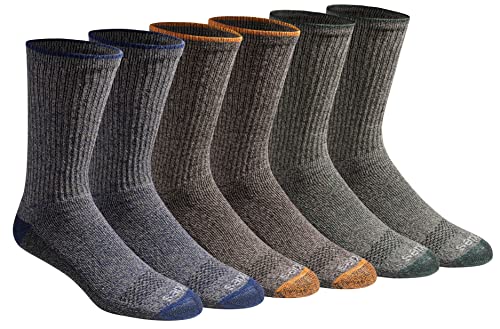
Managing internal foot perspiration starts with choosing appropriate moisture-wicking hiking socks. Cotton socks absorb water like a sponge and collapse against the skin, creating friction points and macerating the foot over long distances. Merino wool and synthetic blends pull moisture away from the skin surface, transferring it outward where the boot lining can absorb or vent it. Packing spare pairs of wool socks and swapping them out during midday trail breaks is an effective habit for maintaining dry, blister-free feet.
Seam Sealing, Protective Overlays, and Durability Under Flex
A waterproof boot must withstand thousands of continuous flex cycles across a single day on the trail. Each time a hiker steps forward, the forefoot vamp compresses and creases, exerting mechanical stress on internal membrane seams. Over hundreds of miles, continuous creasing can stress lower-quality membranes, causing hairline fractures at the primary flex point behind the toes. Robust construction combines flexible upper materials with strategic seam placement to minimize mechanical tension on waterproof barriers.
Protective toe caps and reinforced heel barriers play a vital role in preserving waterproof integrity. Trail debris such as sharp granite, submerged roots, and loose scree can quickly abrade thin fabrics and puncture underlying liners. A sturdy rubber toe cap absorbs direct impacts, preventing sharp rock strikes from cutting into the waterproof seam lines. Reinforced heel counters keep the rear foot stable, preventing internal friction from wearing through the membrane bootie from the inside.
Footwear designs like the Columbia Womens Newton Ridge Plus Waterproof feature reinforced toe and heel barriers alongside an extended outsole overwrap. These structural reinforcements defend critical wear points against trail hazards, extending the lifespan of the weatherproofing system. Similarly, the NORTIV 8 Men’s Waterproof Lightweight Hiking boot incorporates a protective rubber toe cap and reinforced heel to guard against collisions and maintain rear-foot stability. By protecting the outer envelope, these protective features safeguard the delicate waterproof lining within.
Underfoot Traction and Midsole Support in Wet Conditions
Waterproof protection provides little benefit if a hiker cannot maintain stable footing on slippery, water-slicked surfaces. Wet trail conditions often bring slippery mud, slime-covered river rocks, and slick clay descents that test rubber compounds. Reliable wet-weather footwear requires deep, multidirectional lugs capable of biting into soft loam while clearing mud from between tread channels. Mud that cakes into outsole grooves turns boots into smooth sleds, increasing the risk of slips and lower-leg fatigue.
Outsole rubber compounds must balance soft stickiness for wet-rock adhesion with sufficient hardness to resist abrasive wear. The Omni-GRIP non-marking traction rubber outsole on the Columbia Newton Ridge delivers versatile grip across varied three-season surfaces. On the NORTIV 8 hiking boot, a rugged rubber outsole featuring multi-directional traction (MDT) provides responsive grip on unpaved trails and slick gradients. These varied lug orientations help hikers brake securely during steep downhill descents on muddy slopes.
Midsole cushioning also plays a key role in joint protection when navigating wet, uneven trails under pack weight. The TECHLITE lightweight midsole engineered by Columbia provides high energy return and impact absorption without adding excessive weight to each stride. Shock-absorbent MD midsoles found on NORTIV 8 boots soften ground impacts across rocky routes, reducing foot fatigue during full-day outings. When hikers carry packed bags or gear, such as outdoor essentials for hiking with dogs, consistent underfoot cushioning prevents arch strain and maintains steady footing.
Maintenance, Cleaning, and Restoring Water Repellency
Even the most capable waterproof hiking boots lose their effectiveness if neglected after muddy trail outings. Dried mud and fine silt act like tiny sponges on outer leather and fabric surfaces, pulling moisture inward and wearing down protective coatings. Furthermore, microscopic dirt particles work their way through exterior textiles, clogging the pores of internal breathable membranes. Rinsing away caked mud with lukewarm tap water and a soft nylon brush after hikes prevents grit from degrading upper materials.
Factory-applied Durable Water Repellent (DWR) treatments naturally degrade over time from abrasion, trail dust, and UV exposure. When DWR wears off, outer leather or synthetic uppers soak up water, a condition known as wetting out. Wetting out does not necessarily mean water is leaking inside, but the saturated exterior fabric creates a cold barrier that halts breathability. Applying a specialized, water-based reproofing spray to damp uppers revives surface water beading and keeps outer materials lightweight and breathable.
Drying wet boots correctly is just as important as cleaning them to ensure long-term durability. Never place wet hiking boots directly in front of campfires, wood-burning stoves, or high-temperature heating radiators. Intense radiant heat dries out natural leather, causing brittle cracking, and can even melt the cementing adhesives that bind midsoles to outsoles. Instead, remove the damp insoles, unlace the boots wide open, and allow them to air-dry slowly in a well-ventilated room.
Fitting Considerations for Wet-Weather Hiking
Securing the right fit is critical because moisture inside a loose boot accelerates friction, leading to severe trail blisters. Feet naturally swell over the course of a day, particularly when hiking long miles in humid weather or carrying a heavy pack. Trying on boots later in the afternoon while wearing your intended medium-to-heavy hiking socks ensures adequate internal volume. You should always have roughly a finger width of space between your heel and the boot collar when toes touch the front unlaced.
Downhill toe clearance must be verified before tackling steep mountain trails in wet conditions. If your toes jam against the front of the toe box on steep descents, repetitive impact can cause painful subungual hematomas, commonly known as black toenails. Utilizing targeted lacing adjustments can effectively stabilize your foot and eliminate unwanted forward translation inside the boot. A surgeon’s knot or heel-lock lacing pattern applies firm tension across the instep, keeping your heel seated deeply in the rear cup without restricting forefoot circulation.
Removable factory insoles allow hikers to customize arch support and fine-tune boot volume. Footwear like the NORTIV 8 lightweight hiker includes a flexible, removable insole that provides adaptable underfoot cushioning with each step. Hikers with high arches or plantar fasciitis may opt to swap factory footbeds for aftermarket orthotics to enhance arch stability. Ensuring that replacement footbeds leave enough room for toe splay prevents lateral pressure points that become painful when walking through wet, uneven terrain.
Real-World Expectations for Wet Trail Performance
Choosing what hiking boots are actually waterproof requires matching design features to your realistic trail environment. Mid-cut boots with seam-sealed leather and suede construction, such as the Columbia Womens Newton Ridge Plus Waterproof, excel on damp forest trails, muddy three-season paths, and light stream crossings. Lightweight waterproof designs, like the NORTIV 8 Men’s Waterproof Lightweight Hiking boot, provide accessible weather resistance and agile comfort for day hikes, camping, and everyday outdoor activities. Neither boot is meant for deep river fords that exceed ankle height, but both deliver dependable protection against typical trail wetness.
Ultimately, keeping your feet dry involves combining capable footwear with smart trail habits and proper gear maintenance. Pairing waterproof boots with weather-resistant gaiters helps shed falling rain and prevents wet trail brush from soaking your socks from above. Regularly cleaning away abrasive mud and refreshing water-repellent treatments ensures your boots maintain their protective barriers season after season. By understanding how waterproof membranes work and respecting their physical limits, you can confidently navigate wet trails with comfortable, protected feet.



Write Your Review
No reviews yet. Be the first to share your experience!