


Hitting a steep, rocky descent after miles on the trail quickly exposes every flaw in ordinary athletic sneakers. Thin soles allow sharp rocks to bruise the bottom of your feet, while flexible uppers offer little resistance when your ankles wobble across uneven granite slabs. Understanding what is hiking boots begins with recognizing that trail footwear is engineered as protective equipment rather than casual sportswear. Specialized outdoor boots provide structured chassis stability, durable uppers, and aggressive traction lugs designed to shield your joints from repetitive trail impact.
Pairing proper trail footwear with comfortable, moisture-wicking gear like breathable trail pants can transform an exhausting trek into an enjoyable wilderness experience. Whether you navigate wet creek crossings, loose gravel scree, or root-choked switchbacks, purpose-built hiking boots stabilize your stride under the burden of a loaded pack. Knowing the anatomy, materials, and support levels of these boots helps you choose footwear that keeps your feet protected mile after mile.

Pros
- High 70% merino wool content delivers dependable thermal warmth for cold-weather trail outings
- Generous 5-pair multipack makes it easy to pack dedicated dry sleep socks and trail spares into a backpack
- Spandex blend provides sufficient elasticity to accommodate women's shoe sizes 6 through 10
- Crew length pairs comfortably with mid-cut and high-cut hiking boots
Cons
- Care instructions recommend hand washing and avoiding heat, requiring more maintenance than standard synthetic socks
- One-size design for women's sizes 6-10 does not accommodate very small or larger foot profiles
- Product specifications do not list targeted anatomical cushioning zones or graduated arch compression
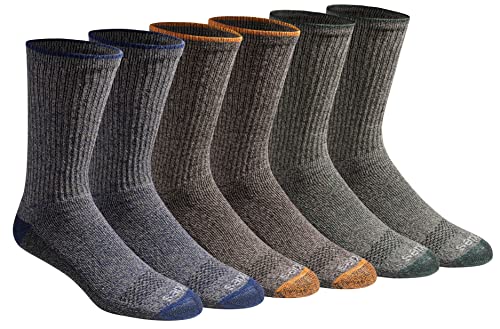
The MQELONG Merino Wool Socks are thermal crew-length boot socks designed as essential cold-weather trail accessories for women. While primary pack hardware like suspension and frames handle carried loads, reliable foot insulation is an equally critical component of any backcountry packing list. These socks are aimed at day hikers, winter walkers, weekend backpackers, and campers who need dependable thermal foot protection without spending top-tier prices for individual pairs.
On the trail, foot comfort relies heavily on fabric composition, especially when temperatures drop. These socks feature a blend of 70% merino wool, 22% polyester, and 8% spandex. Merino wool is recognized for its natural ability to insulate and manage moisture, making this knit practical for chilly morning starts, damp trail conditions, and cold-weather camp setups. The listed size range fits US women's shoe sizes 6 through 10, utilizing the integrated spandex to grip the foot and stay upright inside mid-cut or high-cut hiking boots.
Construction quality centers around a thick, cozy knit structure that provides a soft barrier between the foot and the inner lining of hiking footwear. The 22% polyester content adds structural strength to the yarn, which helps the knit hold up against the repeated friction generated inside a boot. The crew-height design extends well above the ankle, preventing stiff boot collars from rubbing against bare skin and keeping trail duff, pine needles, and cold drafts off the lower leg.
For backpackers organizing gear in a multi-day pack, having clean, dry socks is a major safety and comfort consideration. Because this package includes five pairs, hikers can easily roll two or three sets into a dry bag or stuff sack to ensure they have dedicated sleeping socks and backup pairs for creek crossings. Maintenance requires conscious care: the manufacturer suggests hand washing and advises against ironing, which helps protect the natural elasticity of the wool fibers between weekend trips.
These socks carry clear practical limitations that trail users should weigh before heading into technical terrain. Sizing is restricted to a single range covering women's shoe sizes 6 to 10, meaning hikers with narrower, wider, or larger feet may experience loose bunching or tight toes. Furthermore, the product data does not indicate specific technical trail features such as targeted heel-strike padding, ventilated mesh insteps, or specialized arch bands found on dedicated endurance hiking socks.
Overall, the MQELONG Merino Wool Hiking Socks represent a solid, budget-conscious choice for casual hikers, winter campers, and travelers stocking their packs for cooler weather. The high merino wool ratio and multipack value make them a functional addition to any daypack or overnight gear list where warmth, soft comfort, and extra trail spares are needed.
The fabric blend consists of 70% merino wool, 22% polyester, and 8% spandex. This combination allows the natural thermal properties of wool to dominate, while synthetic fibers provide structural integrity and stretch retention across trail use.
To maintain the soft feel and elasticity of the knit, the manufacturer recommends hand washing and specifically advises against ironing. Backpackers should air-dry these socks completely before storing them in gear closets or compression dry sacks between outings.
These socks are built to fit standard US women's shoe sizes 6 through 10. The 8% spandex integration allows the fabric to stretch over the foot and contour along the lower calf.
Because this is a one-size offering, hikers with feet outside the 6-10 shoe size bracket should verify their fit before committing to long treks to avoid excess material bunching inside hiking footwear.
An In-Depth Breakdown of Hiking Boots and Trail Footwear Systems
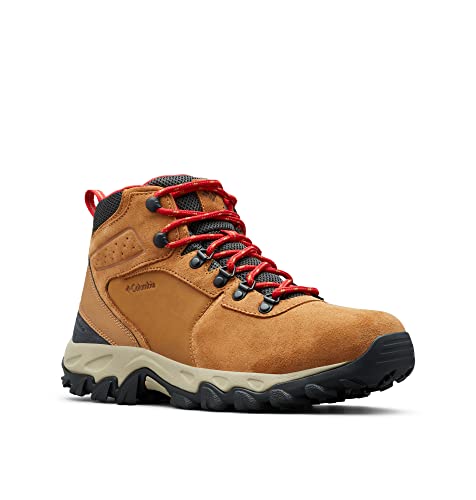
At their core, hiking boots are specialized footwear constructed to protect human feet and lower leg joints from the hazards, uneven contours, and sustained impacts of outdoor footpaths. While standard athletic sneakers focus on flexibility and lightweight road cushioning, hiking boots prioritize structural stability, torsional stiffness, weather protection, and multidirectional grip. Understanding the mechanical components that make up these rugged shoes allows outdoor enthusiasts to match their footwear to specific trail conditions, pack loads, and personal foot shapes.
What Distinguishes Hiking Boots from Standard Footwear
Everyday sneakers and running shoes feature soft, pliable soles designed primarily for predictable, flat surfaces like asphalt or gym floors. When you step onto jagged stones or slippery tree roots in standard running shoes, the flexible sole wraps around the obstacle, concentrating pressure directly against the metatarsal bones of your foot. A purpose-built hiking boot utilizes a firmer platform and a reinforced chassis to disperse underfoot force across the entire sole, shielding your foot from bruising.
Lateral support also sets trail boots apart from conventional footwear. As you traverse off-camber hillsides, standard athletic uppers stretch and roll over the footbed, leaving your ankles vulnerable to sudden twisting. Hiking boots counteract these forces through structured heel counters, sturdy sidewalls, and torsionally rigid midsoles that resist twisting along their longitudinal axis. This combination prevents excessive foot fatigue and helps stabilize your gait when carrying heavy gear.
The Core Anatomy and Structural Components of a Hiking Boot
A hiking boot consists of several interconnected layers, each engineered to fulfill a distinct protective role. The upper forms the external enclosure, wrapping the top and sides of the foot with abrasion-resistant textiles, leather, or synthetic laminates. Built directly into the upper is a gusseted tongue, which connects to the boot collar via fabric wings to block loose pebbles, mud, and water from slipping inside the boot.
Beneath the upper rests the lasting board and the midsole assembly, which together determine how the boot cushions and supports your weight. A supportive shank, constructed from molded nylon, thermo-polyurethane, or tempered steel, is embedded between the midsole and the outsole to provide rigid structural support. This internal framework preserves the boot arch under load and prevents the foot from over-flexing across rocky obstacles.
The exterior perimeter often includes protective reinforcements such as a molded rubber toe cap and a stiffened thermoplastic heel counter. These protective features defend vulnerable foot anatomy against blunt collisions with hidden roots or boulders. Some heavy-duty models also add a wraparound rubber rand along the lower boundary of the upper, protecting seams from jagged scree and abrasive rock faces.
Upper Materials: Full-Grain Leather, Nubuck, and Synthetic Textiles
Upper materials dictate a boot weight, breathability, water resistance, and break-in timeline. Full-grain leather represents the most traditional and rugged choice, offering natural water resistance and unmatched resistance to abrasion. Because full-grain leather retains the dense outer fiber layer of animal hide, it withstands punishing off-trail conditions, although it requires dedicated conditioning and a patient break-in schedule.
Nubuck leather is full-grain leather that has been lightly buffed on the exterior surface to create a velvety suede-like texture. This treatment enhances initial flexibility and aesthetic appeal while retaining the durable resilience of genuine hide. Nubuck boots generally offer a slightly shorter break-in window than full-grain alternatives, though they remain heavier and less breathable than synthetic options.
Modern synthetic uppers utilize high-denier ripstop nylon, polyester mesh, and polyurethane overlays to maximize airflow and minimize overall weight. These boots flex easily right out of the box, drastically reducing the time required to prepare them for the trail. While synthetic textiles dry faster than thick leather when soaked, they generally have a shorter lifespan when exposed to sharp, abrasive talus.
Shaft Heights and Ankle Collar Dynamics
The height of a boot collar plays an influential role in protection and mobility. Low-cut trail shoes end below the ankle bone, providing maximum joint freedom and nimble foot placement on groomed paths. However, low-cut designs provide no physical coverage against kicked debris, trail mud, or trailside brush.
Mid-cut boots extend just above the ankle bone, offering a balanced compromise between flexible stride motion and defensive coverage. They cushion the malleolus bones against direct impacts and provide sufficient collar wrap to keep gravel out. This style serves as the most popular choice for day hikers and weekend backpackers traversing maintained trails.
High-cut boots rise several inches above the ankle joint, creating an enclosed sleeve that braces the lower leg. Hikers who carry a structured multi-day pack across off-trail terrain often favor high-cut boots for their protective barrier. It is worth noting that actual ankle stability relies heavily on torsional midsole rigidity and heel cup retention rather than collar height alone.
Midsole Cushioning and Internal Chassis Mechanics
The midsole acts as the primary shock absorber between your foot and the unforgiving trail surface. Compression-molded ethylene vinyl acetate, commonly known as EVA foam, is the most widespread midsole material in lightweight and mid-weight hiking boots. EVA provides immediate step-in comfort, plush shock dampening, and low bulk, but it gradually compresses and loses its rebound over hundreds of trail miles.
Polyurethane, or PU, offers a denser, firmer alternative that excels under heavy expedition loads. While polyurethane feels stiffer underfoot out of the box, it resists compression pack-out and maintains its supportive geometry over extended periods. Backpackers carrying heavy loads often favor PU midsoles because they prevent the foot from bottoming out across sharp rocks.
Internal shanks work hand-in-hand with the midsole material to maintain torsional stiffness. A boot lacking a shank will flex excessively through the arch, straining your plantar fascia and accelerating muscle fatigue on long ascents. By inserting a semi-rigid nylon or composite plate into the chassis, boot makers ensure the footwear flexes only at the ball of the foot, where natural toe-off occurs.
Waterproof Membranes Versus Non-Waterproof Breathability
Waterproof hiking boots incorporate an internal membrane bootie, such as Gore-Tex, eVent, or a proprietary waterproof laminate, layered between the outer shell and the inner lining. These microporous membranes contain billions of pores per square inch that are small enough to block liquid water droplets yet large enough to allow water vapor molecules to escape. This barrier keeps feet dry when crossing shallow streams, hiking through wet grass, or navigating slushy snow.
However, waterproof membranes have clear thermal and breathability limits. In hot or arid trail conditions, moisture vapor generated by hard-working feet cannot escape as fast as it accumulates inside the boot. This dynamic can trap perspiration inside the lining, leaving socks damp from internal sweat and increasing the likelihood of skin softening and blister formation.
Non-waterproof ventilated boots trade complete moisture protection for superior airflow and rapid drying times. Built with open nylon mesh panels, these boots allow warm air to vent freely during desert hikes and high-temperature outings. If a ventilated boot becomes submerged during a deep river crossing, it drains quickly and dries through natural foot warmth far faster than a flooded waterproof boot.
Outsole Traction Patterns and Rubber Compounds
The outsole serves as the direct traction interface between the hiker and the earth. Manufacturers formulate outsoles using specialized rubber blends engineered for specific balance points between sticky grip and long-term durability. Softer, stickier rubber compounds cling reliably to wet granite slabs, while harder rubber formulations resist accelerated wear when hiking across coarse sandstone and scree.
Traction performance also depends on lug geometry and pattern spacing. Deep lugs, typically measuring between 4 and 6 millimeters, bite into loose mud, gravel, and wet loam to prevent slipping on steep inclines. Widely spaced perimeter lugs facilitate self-cleaning, shedding packed mud as the boot flexes so the tread does not clog into a slick, flat surface.
A well-designed hiking outsole features a distinct undercut heel breast that provides mechanical braking during descents. When stepping down a loose, slippery decline, the sharp leading edge of the heel bites into the soil to arrest forward momentum. Smooth, rounded heel profiles lack this braking bite and require more muscular effort to maintain control on downhills.
Managing the Internal Boot Environment with Proper Socks
Even the most technologically advanced hiking boot will fail to provide comfort if paired with inappropriate socks. Standard everyday cotton socks trap perspiration directly against your skin, causing wet fibers to collapse and form abrasive friction points. As damp skin softens through prolonged moisture exposure, sheer forces inside the moving boot rapidly lead to painful hot spots and blisters.
High-performance trail systems rely on merino wool and synthetic yarn blends that actively manage interior humidity. Merino wool fibers absorb vapor internally while keeping their exterior dry, providing reliable thermal regulation in both cold and warm climates. Synthetic fibers like polyester and spandex add crucial durability, shape retention, and snug arch elasticity to prevent the sock from bunching inside the toe box.
For example, options like the MQELONG Merino Wool Socks for Women Hiking Thermal incorporate a blend of 70% merino wool, 22% polyester, and 8% spandex. Built in a crew length to cushion women shoe sizes 6 to 10, thick knit socks like these create a plush shock barrier between the skin and rigid boot collars. Having reliable footbeds and warm, cozy socks allows you to focus on scenic overlooks while carrying trail daypack options without distraction.
Sizing Dynamics, Foot Volume, and In-Store Verification
Choosing the correct size for a hiking boot differs significantly from selecting everyday casual footwear. Over the course of a strenuous hike, foot arches naturally flatten and soft tissues swell under sustained impact, increasing overall foot volume. For this reason, many experienced hikers select boots a half size larger than their standard casual dress shoes to accommodate afternoon foot expansion.
A reliable sizing procedure involves the unlaced finger-width test. With the boot completely unlaced, slide your foot forward until your toes lightly touch the front of the toe box. You should be able to slide an index finger snugly into the open space behind your heel. If you cannot fit a finger behind your calcaneus, the boot is too short and will likely cause bruised toenails on steep descents.
Foot volume and last shape are just as critical as overall shoe length. A boot with excessive instep volume allows the foot to slide forward on downhill grades, slamming toes into the front bumper. Conversely, a boot that is too narrow through the metatarsal heads compresses the forefoot, causing numbness and aggravating bunions. Always try on trail boots late in the day wearing the exact socks you intend to hike in.
Precision Lacing Techniques for Foot Lockdown
Lacing hardware on a hiking boot is designed to give you customized control over internal foot tension. Most trail boots feature a combination of lower eyelets, midfoot locking hooks, and upper speed hooks. By understanding how to manipulate these contact points, you can eliminate heel slip and alleviate pressure points across sensitive bones.
A surgeon knot is one of the most effective methods for locking the heel firmly into the rear pocket. By twisting the laces around each other twice at the transition between the forefoot eyelets and ankle hooks, you create friction that prevents lace slippage. This allows you to keep the toe box relaxed while maintaining secure tension around the ankle collar, preventing heel lift on steep climbs.
Window lacing, also known as box lacing, provides targeted relief for hikers with high insteps or painful dorsal bone spurs. By threading the laces vertically up through adjacent eyelets rather than crossing them over the instep, you create an open window that removes direct downward pressure. This simple adjustment preserves proper blood circulation without sacrificing lateral ankle support.
Break-In Protocols and Progressive Trail Conditioning
The time required to break in a hiking boot depends directly on its structural stiffness and upper construction. Lightweight synthetic models with flexible EVA midsoles often feel comfortable right away, requiring only a few short walks to soften flex zones. In contrast, thick full-grain leather boots with stiff shanks demand a gradual break-in routine to mold the leather and internal footbed to your anatomy.
Start the conditioning process by wearing your new boots around the house with your intended hiking socks. Pay close attention to any localized pinching, stiff collar bite, or heel lift. Once the initial stiffness eases, advance to short neighborhood walks and park trails before attempting a full-day mountain trek with a loaded backpack.
Never resort to destructive break-in shortcuts, such as soaking leather boots in hot water or baking them in household ovens. Excessive heat destroys cementing adhesives, breaks down internal thermoplastic heel counters, and causes leather fibers to turn brittle and crack. A gradual, progressive mileage schedule remains the only safe and reliable method for breaking in trail footwear.
Boot Care, Cleaning, and Waterproofing Maintenance
Routine cleaning is essential for preserving the functional lifespan and breathability of your hiking boots. Dried trail mud acts like a sponge, pulling natural moisture out of leather uppers and making them vulnerable to premature cracking. Furthermore, fine silt particles work their way through exterior textiles, grinding against waterproof membrane fibers and reducing their effectiveness.
After muddy hikes, remove the insoles and laces, then scrub off dirt using a nylon bristle brush and warm water. For stubborn grime, apply a specialized footwear cleaning gel that rinses clean without leaving residue. Allow the boots to air-dry at room temperature away from direct sunlight, campfires, or radiators, as concentrated heat sources melt outsole glues and warp internal chassis components.
When water stops beading up on the exterior surface of your boots and begins soaking into the outer fabric, it is time to refresh the durable water repellent coating. Apply a water-based footwear reproofing spray directly to damp uppers, wiping away excess liquid from metal eyelets. For leather boots, apply a specialized leather conditioner periodically to keep hide fibers supple, durable, and ready for future adventures.
Summary: Selecting Footwear for Your Trail Needs
Ultimately, a hiking boot is a protective tool designed to support the mechanical demands of outdoor travel. Whether you choose a lightweight synthetic mid-cut boot for fast day hikes or a heavy-duty leather boot for rugged wilderness expeditions, success comes down to matching the boot construction to your trail environment and pack weight. By prioritizing heel lock, toe clearance, reliable traction, and quality moisture-wicking socks, you can tackle miles of rugged terrain in complete comfort.



Write Your Review
No reviews yet. Be the first to share your experience!