


Managing body temperature during a steady uphill climb requires a deliberate balance of breathable fabrics, flexible fits, and weather protection. Stepping onto an exposed trail in heavy everyday cotton often leads to lingering dampness, skin irritation, and sudden chills once the breeze picks up at higher elevations. Understanding what is the best outfit to wear when hiking begins with swapping moisture-absorbing everyday garments for lightweight, technical pieces that pull perspiration away from the skin. Pairing quick-drying tops with versatile lightweight hiking pants ensures steady airflow while shielding legs from brush, insects, and harsh sunlight throughout the journey.
Trail comfort depends heavily on how well individual layers work together to manage internal sweat and sudden outdoor weather shifts. Reliable trail apparel should prevent fabric friction against loaded backpack straps, eliminate painful inner-thigh chafing, and allow unhindered movement across steep terrain. Whether you choose relaxed athletic tops, sun-protective tunics, or zero-drop trail footwear, the right setup keeps you dry, agile, and protected without weighing down your pack. Focusing on synthetic blends like polyester and spandex allows hikers to adapt seamlessly from warm valley trailheads to breezy ridge tops.


Building the Ultimate Hiking Outfit for Comfort, Protection, and Mobility
Determining what is the best outfit to wear when hiking comes down to selecting functional apparel that handles moisture, regulates body heat, and shields your skin from environmental hazards. A great trail outfit works as an integrated system, allowing hikers to maintain a stable body temperature during grueling uphill pushes and chilly summit stops. By matching lightweight technical fabrics with ergonomic cuts, hikers avoid common trail setbacks like heat exhaustion, raw skin friction, and wet-weather shivering.
The Golden Rule of Trail Fabrics: Why Synthetic Fibers Outperform Cotton
Everyday cotton clothing remains one of the most hazardous choices for outdoor trekking due to its high water retention. Cotton fibers can hold up to twenty-seven times their weight in water, absorbing sweat and holding it directly against the skin. When damp cotton is exposed to mountain winds or dropping temperatures, it conducts thermal energy away from the body at an alarming rate. This rapid evaporative cooling effect significantly elevates the risk of hypothermia, even in mild shoulder-season weather.
Synthetic fabrics such as polyester and nylon rely on hydrophobic qualities that actively repel liquid rather than absorbing it. Through capillary action, these technical polymers pull moisture from the surface of your skin to the outer face of the garment where it evaporates quickly. Adding a small percentage of spandex or elastane introduces four-way stretch, allowing hikers to scramble over rocks without tearing seams. Choosing reliable synthetic activewear ensures that perspiration evaporates rapidly during steep switchbacks, leaving your skin comfortable and dry.
Blended synthetics also provide an impressive strength-to-weight ratio that withstands repeated contact with brush, granite boulders, and abrasive gear straps. Unlike natural plant fibers that weaken when wet, synthetic filaments maintain their tensile strength and resist bagging out during multi-hour treks. They dry in a fraction of the time required by denim or cotton fleece, making them easy to rinse and air-dry between multi-day trail stages. Investing in synthetic layers keeps your trail kit dependable across varied outdoor environments.
Selecting the Base Layer: Sun Shirts, Breathable Tanks, and Active Tops
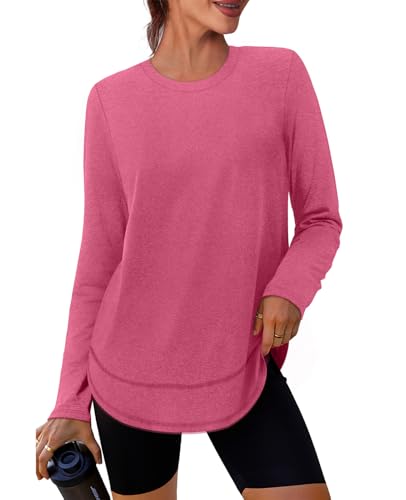
The next-to-skin layer serves as your primary defense against moisture accumulation and direct solar radiation. Long-sleeve technical shirts, such as the Workout Tops for Women Long Sleeve Uv Sun, demonstrate how modern athletic tops deliver both sun safety and thermal comfort. Built from a lightweight blend of 95% polyester and 5% spandex, this style of athletic tunic offers certified UPF 50+ sun protection against harmful UVA and UVB rays. The loose fit, curved hem, and side slits allow continuous airflow around the torso while preventing the fabric from riding up beneath a waist harness.
Alternative synthetic blends provide similar sun-blocking performance with slight variations in drape and mechanical elasticity. For instance, the Workout Tops for Women Long Sleeve Uv Sun utilizes an 86% polyester and 14% spandex fabric composition for increased flexibility during dynamic movements. The higher spandex ratio yields a supple hand feel while continuing to wick away sweat during strenuous hill climbs. Choosing long-sleeve rash guards or sun tunics minimizes the need for frequent sunscreen reapplication across exposed arms and shoulders on open alpine trails.
For warm summer excursions through dense forest canopy, sleeveless active tops can maximize core ventilation and prevent overheating. The Miusey Tunic Tank Workout,Cool Sleeveless Sport top incorporates a 94% polyester and 6% spandex weave that drapes loosely over the torso without clinging to sweaty skin. A flowy silhouette and elongated hem keep the shirt seated comfortably over leggings or shorts, eliminating the annoyance of constant garment adjustments during high-stepping ascents. While sleeveless tops leave arms exposed to brush and bugs, they excel at dumping heat on steep, shaded valley trails.
Casual day hikers sometimes prefer relaxed graphic tees for low-intensity outings and campground exploration. Tops like the Dinosaur Shirt Women Cute Dinosaurs Graphic T provide a loose, slouchy cut that pairs easily with trail tights and casual layers. While graphic tees with playful prints deliver fun styling for relaxed forest strolls, hikers should always check the fiber breakdown before tackling strenuous elevation gains. Ensuring that any graphic shirt includes moisture-wicking synthetic threads helps prevent sweat retention when the grade steepens.
Trail Bottoms: Balancing Leg Protection, Mobility, and Chafe Prevention
Legwear must strike a delicate compromise between breathability, friction management, and defense against overgrown trail debris. Many day hikers find success wearing technical running tights or yoga leggings constructed with flatlock seams and moisture-wicking synthetics. High-waisted leggings stay securely in place during deep knee bends and prevent rough backpack hip belts from digging into bare hips. However, thin knit leggings can be prone to snagging on thorny briars and coarse rock faces during off-trail scrambles.
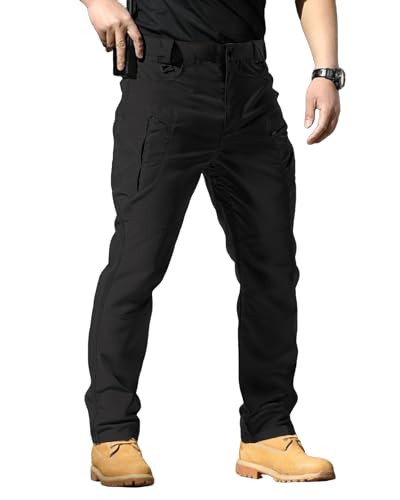
Hikers navigating rugged backcountry paths often prefer dedicated trail trousers that feature woven ripstop materials and articulated knee joints. Exploring options like comfortable trail pants provides enhanced abrasion resistance against thorny thickets and sharp granite edges. Woven synthetic hiking pants frequently incorporate zippered security pockets, reinforced seat panels, and durable water repellent finishes that shed light mist. The structured waistband and gusseted crotch also eliminate binding when scaling boulders or crossing fallen logs.
Chafing along the inner thighs remains one of the most frustrating discomforts hikers experience during warm-weather outings. Salt crystals from dried perspiration act like fine sandpaper against delicate skin whenever fabric shifts or skin rubs together. Wearing moisture-wicking synthetic compression shorts or seamless athletic tights creates a smooth barrier that eliminates skin-on-skin friction entirely. Pairing breathable bottoms with anti-chafe glide balm provides dependable defense against skin irritation on twenty-mile wilderness pushes.
Minimalist Trail Footwear and Sock Strategy for Agility and Grip
Footwear represents the foundation of every outdoor hike, directly influencing joint fatigue, balance, and traction. While traditional heavy leather hiking boots provide rigid ankle stabilization, many recreational hikers are transitioning toward lightweight, flexible trail shoes. Minimalist footwear like the MR HIKING Minimalist Barefoot Shoes for Women Men promotes a natural gait by eliminating elevated heels and stiff arch supports. Featuring a zero-drop platform and a wide toe box, these shoes allow your toes to splay naturally for improved stability across uneven dirt paths.
Breathability is another critical consideration when selecting trail footwear, as sweaty feet soften the skin and accelerate painful blister formation. Designs such as the MR HIKING Minimalist Barefoot Shoes for Women Men utilize a lightweight knit upper that encourages continuous airflow around the foot bed. The flexible knit fabric wicks moisture away from the skin while slip-resistant rubber soles supply traction across gravel, packed dirt, and slick stone surfaces. Barefoot style shoes also reduce the overall lifting weight with each stride, minimizing leg exhaustion over rolling terrain.
Even the most breathable footwear cannot prevent hot spots if paired with substandard, moisture-holding cotton athletic socks. Technical hiking socks made from fine merino wool or synthetic nylon blends cushion high-impact zones under the heel and metatarsals. Merino wool fibers offer natural temperature regulation and moisture absorption within the fiber core while maintaining a dry outer surface. Smooth toe seams and snug arch bands keep the sock firmly anchored to your foot, preventing the bunching that causes deep friction blisters.
Managing Pack Friction and Upper Body Ergonomics Under Load
Carrying a loaded daypack fundamentally changes how your clothing interacts with your shoulders, spine, and waistline. A poorly fitted shirt can bunch up beneath the shoulder straps, creating concentrated pressure points that chafe raw skin over several miles. Selecting tops with flatlock stitching or offset shoulder seams prevents heavy pack harnesses from driving bulky thread ridges into your collarbones. Ensuring your shirt has adequate torso length also stops the fabric from riding up when the pack shifts during steep scrambles.
The interaction between your clothing waistband and the backpack hip belt requires careful planning to avoid bruised hips and painful rubbing. Pairing high-rise athletic leggings or flat-waistband trousers with a functional budget hiking backpack distributes pack weight cleanly across the pelvic bones. Padded hip belts should sit flush against smooth, non-bunching fabric rather than pressing directly onto stiff metal belt buckles or heavy denim rivets. Proper ergonomic alignment between your pack and apparel ensures miles of frictionless trekking.
Ventilation along the back panel also dictates how clammy your base layer feels after hours of continuous uphill effort. Even the most breathable polyester shirts will saturate if trapped directly beneath an unvented pack frame. Choosing shirts with antimicrobial yarn treatments helps inhibit bacterial odor buildup during intense physical exertion. Taking periodic trail breaks to unclip your pack allows airflow to circulate and dry your synthetic back panel in minutes.
Adapting to Variable Trail Climates: Mid-Layers and Weather Shells
Mountain weather can shift rapidly, transforming a sun-drenched valley ascent into a windblown alpine ridge in less than an hour. A truly versatile hiking outfit relies on a modular layering system that adapts to temperature drops without requiring a full change of clothes. Carrying a lightweight fleece jacket or an active synthetic insulated pullover in your pack provides immediate warmth when you pause for lunch. Fleece fabrics trap insulating dead air within their lofted fibers while remaining breathable enough for chilly uphill marches.
When wind picks up or precipitation begins to fall, an outer weather shell becomes indispensable for retaining core body heat. Lightweight nylon windbreakers block convective heat loss on exposed summits while adding virtually no weight to your pack. For sustained rain, a waterproof-breathable jacket featuring taped seams and mechanical pit zips shields against external downpours without trapping boiling sweat inside. Venting pit zips during climbs prevents internal condensation, keeping your synthetic base layer dry and functional.
Packing a compact pair of ultralight rain pants provides emergency defense when unexpected storms batter exposed wilderness routes. Wet legs combined with gusty mountain winds accelerate convective cooling and quickly compromise your core body temperature. Elasticized cuffs and full-length side zippers allow hikers to pull rain pants over muddy footwear without missing a beat. Stowing these protective outer layers in accessible exterior pack pockets ensures you can deploy them before heavy rains soak through your active outfit.
Trail Laundering and Fabric Maintenance for Synthetic Outdoor Apparel
Maintaining the technical performance of synthetic hiking garments requires proper care routines after returning from dusty wilderness trails. Standard household fabric softeners should never be used on moisture-wicking shirts or technical pants because they deposit silicone coatings over synthetic fibers. These chemical residues clog the microscopic spaces between polyester threads, severely degrading the garment’s capillary action and wicking efficiency. Washing synthetic tops in cold water with mild sports detergent preserves their natural breathability and elasticity.
Sun-protective garments with certified UPF ratings require gentle wash cycles to prevent the breakdown of dense weave structures. Hand washing in cold water or utilizing gentle machine cycles protects delicate spandex fibers from stretching out prematurely. Line drying or tumble drying on low heat prevents synthetic yarns from melting and preserves the structural shape of curved hems and side vents. Taking mindful care of your hiking apparel extends its lifespan and ensures dependable performance on countless future treks.
Footwear maintenance is equally vital for preserving tread traction, upper breathability, and sole flexibility over challenging terrain. After muddy excursions, brushing away dried dirt from knit uppers and rubber lugs prevents grit from abrading the stitching. Allowing minimalist barefoot shoes to air dry away from direct high heat protects sole adhesives from warping. Inspecting outsole tread depth before embarking on rocky wilderness routes ensures your trail shoes maintain reliable grip across technical ground.
Key Trail Outfit Takeaways for Every Outdoor Adventure
Assembling what is the best outfit to wear when hiking ultimately requires matching lightweight, moisture-managing synthetics to the specific terrain and weather of your planned route. Prioritizing loose, sun-protective tops with UPF 50+ ratings shields your skin from UV radiation while keeping you cool during strenuous climbs. Pairing flexible tops with friction-free bottoms and wide-toe barefoot trail shoes encourages natural body movement and minimizes physical fatigue. With a thoughtful, layered apparel system, you can step onto any backcountry trail with complete confidence in your comfort and safety.


Write Your Review
No reviews yet. Be the first to share your experience!