

Regulating core body temperature during fast-paced travel days can challenge even experienced hikers. Moving through drafty airports, exposed mountain viewpoints, and sudden afternoon downpours demands outerwear that protects against the elements without taking over your luggage. When evaluating what is the best travel jacket, the right choice depends on balancing dependable water resistance, active ventilation, and compact storage.
A single heavy coat often leads to overheating during steep uphill walks or persistent shivering when cold winds strike. Building a functional travel kit involves choosing between packable waterproof shells, lightweight windbreakers, and cozy insulating mid-layers. Reviewing a practical carry-on backpack size guide helps ensure your outer layers stow away neatly alongside other trail essentials without adding unnecessary luggage bulk.


What Makes Outerwear Ideal for Travel and Trail Use
Selecting travel outerwear requires matching garment performance to changing weather conditions and daily activity levels. While some travelers prioritize complete waterproof protection for rugged outdoor excursions, others need compact wind resistance or soft thermal insulation for drafty transit days. Understanding how fabric weaves, seam construction, and ventilation features function allows you to choose an outer layer that keeps you dry and comfortable without overloading your luggage.
Waterproof Shells Versus Water-Resistant Windbreakers
A primary distinction in travel outerwear lies between full waterproof shells and lighter water-resistant windbreakers. A waterproof jacket utilizes a solid barrier or membrane that prevents rain from penetrating the fabric, even during sustained squalls. In contrast, water-resistant windbreakers use tightly woven textiles that deflect light mists and chilling gusts, but eventually soak through under steady rainfall. Hikers facing unpredictable mountain weather generally require the absolute protection of a waterproof shell, whereas urban sightseers might appreciate the lightweight flexibility of a casual windbreaker.
Fabric durability is another critical consideration when choosing between outer shell materials. Tough nylon fabrics, such as the shell found on the Columbia Men’s Glennaker Lake II Rain Jacket, provide exceptional resistance against abrasive backpack straps and trailside brush. Lightweight polyester fabrics offer a softer texture and dry rapidly, making them pleasant for everyday walking tours and mild day hikes. Matching fabric strength to your travel environment ensures your jacket endures repeated friction without developing premature wear points.
Seam Taping and Structural Storm Defense
A jacket made from waterproof fabric can still allow moisture inside if its seams remain unsealed. Manufacturing processes puncture fabrics with tiny needle holes that permit water to seep through during continuous rain. Garments like the PITINAN Lightweight Rain Jacket Women Thin Travel incorporate full interior seam taping to seal these needle holes and prevent moisture penetration. Without taped seams, driving rain eventually works along shoulder lines and chest stitching, saturating your inner clothes.
Adjustable closures work together with sealed seams to provide a complete barrier against stormy conditions. An adjustable hood and cinchable hem prevent turbulent gusts from driving rain upward under the lower edge of the coat. The Zando Men’s Packable Raincoat utilizes both an adjustable hood and hem cord, allowing users to customize their fit when strong winds pick up. Elastic cuffs also keep sleeve openings secure, preventing water from dripping down arms while handling luggage or trekking poles.
Collar construction and stowable hood designs provide welcome versatility during variable travel days. When a storm clears, a loose hood can flap in the wind or feel cumbersome inside airport terminals and train stations. Shells featuring a stow-away hood that folds neatly into the collar let you transition smoothly into a clean, streamlined appearance for casual city exploration.
Packability, Garment Weight, and Luggage Space
Luggage constraints require travel apparel that compresses into a small footprint without losing its structural shape. Packing a bulky coat consumes valuable bag space that could otherwise hold essential trail layers or clean clothing. Choosing a lightweight, compressible shell allows travelers to carry dependable storm defense in their personal bag at all times. Pairing your outer shell with lightweight hiking pants creates a nimble, low-bulk wardrobe that packs flat and dries quickly between destinations.
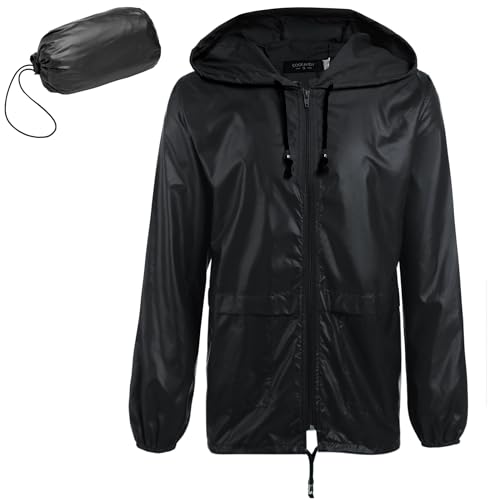
Storage convenience varies depending on whether a jacket packs into its own pocket or relies on an external pouch. The Columbia Glennaker Lake II stows directly into its own zippered chest pocket, creating a self-contained bundle that avoids the hassle of misplaced accessories. Conversely, jackets like the COOFANDY Travel Packable Foldable Raincoat for Men include a separate carrying pouch designed for neat packing inside travel luggage. Both approaches keep wet shells isolated from dry clothing once rain showers pass.
Garment weight also influences comfort during long walking tours and transit transfers. Ultralight shells weighing around 250 grams rest lightly across the shoulders and add minimal burden to a loaded daypack. Heavier garments offer structured draping, but they can quickly create fatigue when carried over long walking distances.
Internal Condensation and Lining Construction
Managing moisture while traveling requires controlling internal perspiration just as effectively as deflecting falling rain. During active walking or uphill ascents, body heat generates vapor that can condense against the chilly interior of an unlined shell. Hikers often mistake this internal sweat condensation for fabric leakage, leading to uncomfortable clamminess. Maintaining steady ventilation by adjusting the main zipper prevents humidity from reaching saturated levels inside the jacket.
Interior linings dramatically change how a jacket feels against bare skin during damp, humid weather. Unlined synthetic jackets can feel sticky when worn directly over short-sleeve shirts in warm rain. The LOMON Women Rain Jacket Lightweight Travel Trench addresses this issue with a soft, striped cotton lining that enhances skin comfort during casual travel. However, because cotton absorbs moisture and dries slowly, unlined or synthetic-lined shells remain preferable for strenuous outdoor hikes where sweat output is high.
Choosing a slightly relaxed cut can also enhance natural airflow around your torso. Looser garments promote air circulation with every step, helping warm vapor escape before it condenses against the shell wall. Adjusting cuff tension and loosening the hem drawcord further encourages gentle venting without exposing base layers to direct rainfall.
Thermal Insulation and Mid-Layer Integration
Standard waterproof rain jackets block wind and precipitation, but they offer virtually no insulation against chilly air. In cool climates, travelers benefit from combining a weather shell with a dedicated insulating mid-layer. A plush fleece garment traps warm air pockets close to the body, creating comfortable warmth without excessive weight. This modular layering strategy allows you to adapt instantly as outdoor temperatures rise and fall throughout the day.
Fleece jackets serve as cozy standalone outer layers in dry, cool conditions and function as effective mid-layers beneath rain shells. The Dokotoo Ladies Winter Coat 2026 Loose Fit Zipper uses soft polyester fleece fabric to deliver exceptional warmth during cold transit days and relaxed trail walks. Its stand collar guards against drafty airplane cabins and brisk summit breezes, while side pockets provide a comfortable haven for cold hands. Because polyester fleece breathes well and dries quickly, it handles active travel without trapping excess sweat.
Ensuring proper sizing between your fleece mid-layer and outer shell prevents uncomfortable binding across the shoulders. A fleece that fits too tightly under a shell restricts arm movement and compresses insulating fibers, reducing their warming efficiency. Trying your layers on together before your trip ensures you maintain full mobility when lifting luggage or hiking steep paths.
Emergency Rain Gear Versus Structured Shells
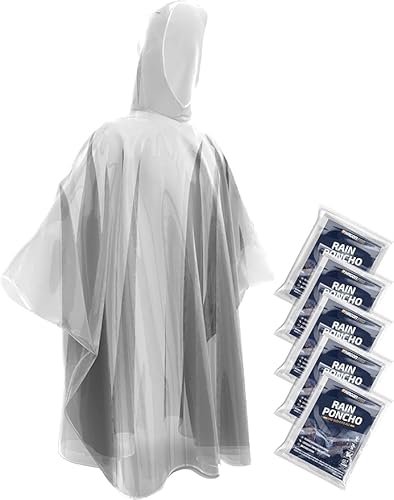
Travelers visiting theme parks, sporting events, or attending outdoor festivals often weigh traditional jackets against compact disposable rain ponchos. Lightweight options like the Hagon PRO Disposable Rain Ponchos for Adults provide broad coverage in an ultra-compact package. Crafted from 0.035mm polyethylene plastic, these ponchos fold into tiny four by six inch envelopes that slip easily into bags or glove compartments. They deliver an economical emergency shield when sudden downpours strike unexpectedly.
The open design of a poncho offers distinct ventilation advantages in hot, humid rain conditions. Because the sides remain open, air circulates naturally around the body, eliminating the clammy greenhouse effect often felt in closed rain gear. A generous one-size cut also allows the poncho to drape effortlessly over both the wearer and a small backpack. This rapid-deployment coverage keeps your daypack and clothing dry without requiring you to carry a dedicated pack rain cover.
Despite these conveniences, thin plastic ponchos lack the structural durability needed for rugged backcountry terrain. Polyethylene plastic can easily tear on sharp branches or rough rocks, compromising weather protection in high winds. Structured jackets crafted from woven polyester or nylon provide far greater tear resistance, secure closures, and tailored mobility. Travelers should reserve emergency ponchos for low-risk outings and rely on durable technical shells for wilderness exploration.
Pocket Functionality and Transit Organization
Thoughtful pocket placement is essential for travelers who need to keep personal items safe and accessible. Secure zippered hand pockets prevent boarding passes, passports, and smartphones from tumbling out during hectic transit moments. Shells like the Zando Men’s Packable Raincoat incorporate dedicated waterproof pockets to keep sensitive electronics shielded from driving rain. Having secure pocket storage reduces the need to stop and rummage through your main pack during sudden downpours.
Pocket ergonomics also determine how easily you can access gear while carrying a backpack. Standard lower pockets can become awkward to reach if they sit directly beneath a pack’s padded waist belt. Selecting outerwear with accessible pockets ensures you can retrieve trail snacks or navigational devices without removing your pack. Pairing your jacket with an affordable trail daypack keeps your everyday gear organized, accessible, and protected from unexpected showers.
Deep internal compartments provide extra protection for high-value items like passports and emergency cash. Concealed storage keeps sensitive documents safe from opportunistic pickpockets in crowded transit hubs. Organizing your essential gear across secure pockets leaves your hands free to navigate busy train platforms, ticket gates, and trailheads.
Fabric Care and Waterproof Coating Preservation
Preserving the weather resistance of travel outerwear requires following recommended cleaning instructions carefully. Harsh laundry detergents, fabric softeners, and high-heat drying cycles can degrade waterproof coatings and weaken seam tape adhesives. Manufacturers generally advise gentle hand washing or delicate machine cycles using mild liquid soap to clean synthetic shells safely. Checking garment care tags before washing prevents accidental damage that could compromise rain protection on your next journey.
Applying direct heat is a frequent mistake that can permanently ruin lightweight synthetic rain jackets. High temperatures from household irons can melt thin polyester fabrics and break down specialized waterproof coatings. Garment care instructions for shells like the COOFANDY Packable Raincoat explicitly caution against ironing to protect the waterproof treatment. Air-drying your jacket on a wide hanger allows the fabric to dry naturally while keeping taped seams intact.
Regular gentle cleaning also helps restore water repellency by removing accumulated dirt, sweat salts, and skin oils. Contaminants on the exterior fabric cause water droplets to flatten and soak in rather than beading away cleanly. Washing away these residues keeps outer fibers clear, ensuring raindrops roll off the surface as designed.
Selecting Outerwear for Your Specific Travel Needs
Choosing the right travel jacket ultimately depends on your route, expected weather conditions, and personal comfort priorities. Adventurers facing damp mountain hikes and blustery ridges need a rugged nylon shell with taped seams to block wind and driving rain. Travelers planning autumn city walks and scenic train journeys will find far greater utility in a plush polyester fleece that provides soft warmth.
For trips with uncertain forecasts and low luggage allowances, an ultra-light packable windbreaker or rain shell offers the most versatile protection. These compact jackets take up minimal room in your daypack, deploying quickly when conditions deteriorate. Carrying emergency ponchos also serves as a cost-effective backup for family vacations and amusement park visits where full jackets might feel excessive.
Understanding your layering needs allows you to build a practical outerwear system tailored to any adventure. Testing your jacket over your typical travel clothes before leaving home ensures comfortable mobility and reliable weather protection. With the appropriate outer layers packed in your bag, you can focus on enjoying your journey without worrying about sudden shifts in the weather.


Write Your Review
No reviews yet. Be the first to share your experience!