


Steep rocky descents, hidden tree roots, and loose gravel can quickly turn an enjoyable day outdoors into an ordeal of bruised toes and aching arches. Footwear serves as the primary barrier between your body and unpredictable terrain, absorbing repetitive impacts while stabilizing every step. Understanding what kind of shoes are good for hiking requires looking past everyday athletic sneakers to identify models engineered specifically for uneven trails. Proper footwear provides dedicated underfoot protection, secure heel lockdown, and aggressive traction to keep you moving safely across varying trail conditions.
Trail shoes range from ultra-lightweight breathable mesh designs to sturdy suede models equipped with internal waterproof membranes and protective rock plates. When pairing your footwear with functional gear like lightweight trail pants, selecting the proper shoe structure depends largely on the terrain difficulty, climate, and anticipated trail miles. Lightweight day hikers and trail runners excel on well-maintained dirt paths where foot speed and airflow matter most. In contrast, technical routes with wet stone, mud, and jagged rocks demand firmer midsoles, sticky rubber outsoles, and reinforced toe bumpers.
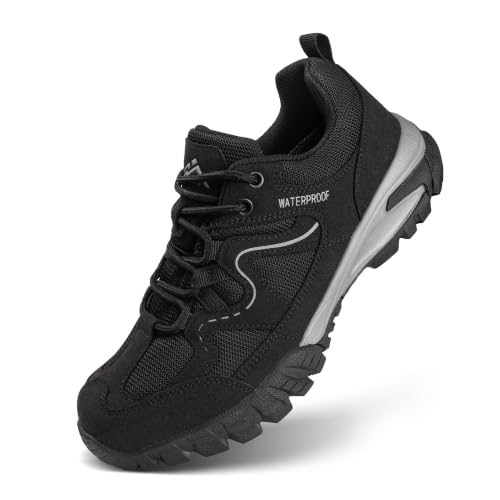




Key Characteristics That Define Effective Hiking Footwear
Selecting what kind of shoes are good for hiking requires matching footwear engineering to the trails you plan to explore. Natural paths present uneven surfaces, loose gravel, and steep grades that place unique stresses on your feet. Dedicated hiking shoes resolve these challenges through three primary features: reliable outsole traction, shock-absorbing underfoot support, and a secure structural fit. Understanding how these components work together helps you select footwear that protects your feet across diverse outdoor terrain.
The Biomechanics of Trail Demands: Why Road Sneakers Fall Short
Standard running sneakers are built for flat, predictable asphalt. Their smooth outsoles maximize surface contact on pavement but offer minimal grip on loose dirt, wet roots, or muddy inclines. In addition, the flexible uppers of road shoes lack lateral reinforcement, allowing feet to slide sideways on off-camber paths. This instability increases fatigue in your lower legs as stabilizer muscles work overtime to maintain balance.
Trail-specific footwear resolves these issues with torsional rigidity, multidirectional grip, and reinforced perimeter support. A stiffer platform prevents the shoe from twisting excessively when stepping on angled rocks or exposed roots. Reinforced uppers also hold your foot centered over the midsole, minimizing the friction that creates painful blisters. Shifting the structural workload from your feet to the shoe chassis saves valuable energy over long distances.
Outsole Engineering: Rubber Compounds, Lug Depth, and Traction Physics
Traction begins with outsole rubber compounds and specialized tread geometry. Hard rubber compounds offer excellent abrasion resistance on coarse gravel, but they can slip on wet granite slabs or damp river stones. Softer rubber formulations grip smooth, slick surfaces firmly but wear down more rapidly on abrasive trails. Quality trail shoes utilize durable rubber soles designed to balance slip resistance and long-term durability across mixed terrain.
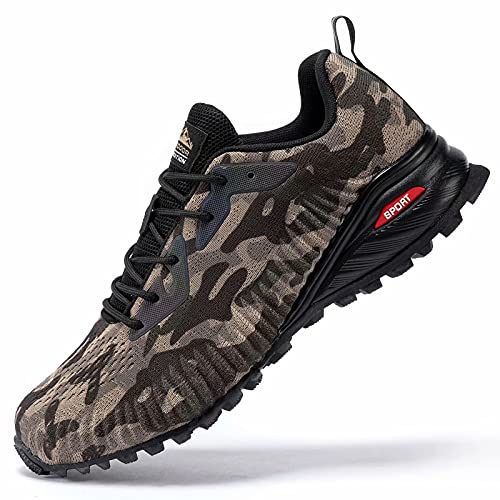
Lug depth and pattern geometry determine how effectively footwear digs into soft ground. Deep, widely spaced lugs between three and five millimeters bite into loose mud and loam while shedding caked dirt. Multidirectional designs feature forward-facing lugs on the forefoot for uphill propulsion and reverse lugs on the heel for downhill braking. Designs like the Kricely Men’s Trail Running Shoes Fashion Hiking utilize aggressive rubber tread patterns to maintain steady footing on steep ascents.
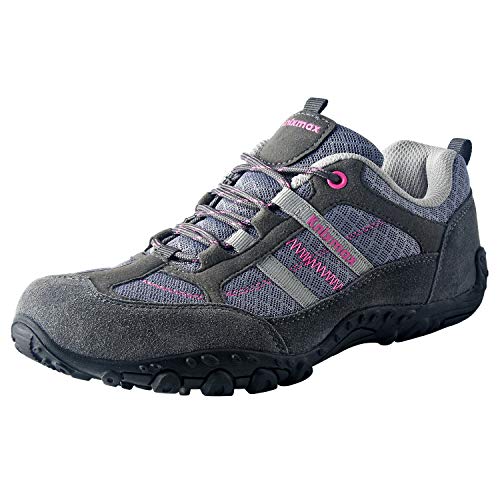
On moderate paths, textured outsoles with shallower tread provide broader surface contact. The Knixmax Women’s Hiking Shoes Lightweight Outdoor feature a textured rubber outsole suited for park paths, forest trails, and campsite gravel. These flatter lugs distribute body weight evenly on firm ground without the rolling sensation tall mud lugs can cause on hardpack. Matching your lug profile to the trail prevents premature tread wear while maximizing grip.
Underfoot Protection: Midsoles, Foam Density, and Rock Plates
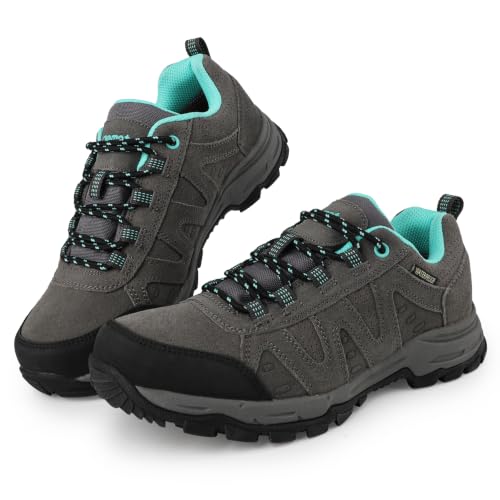
Trail midsoles must absorb repetitive impact shocks and shield delicate foot bones. Most lightweight trail designs use compression-molded EVA or Phylon foam to deliver responsive, lightweight shock attenuation. The riemot Womens Waterproof Lightweight Hiking Shoes incorporate a Phylon midsole to soften ground impact without adding excessive bulk. This cushioning layer reduces joint fatigue during extended descents where repetitive impact forces peak.
Jagged rocks and roots present constant hazards on technical singletrack. Stepping directly onto a pointed stone with a thin running shoe can cause painful metatarsal stone bruising. Dedicated hiking shoes mitigate this risk by embedding rock protection plates between the outsole and midsole. The Oboz Women’s Katabatic Mid B-DRY Waterproof Hiking features an integrated ESS plate, which adds tuned stiffness and deflects sharp stone strikes without compromising forefoot flex.
Foam density directly influences the operational lifespan of your footwear. Ultra-soft foams feel plush initially, but they tend to pack out quickly under consistent trail use. Higher density EVA blends and structured multi-layer designs retain cushioning resilience much longer under heavy foot strikes. Inspecting midsoles for deep horizontal compression lines helps you determine when the foam has flattened and lost its protective capacity.
Waterproof Membranes Versus Breathable Quick-Drying Mesh
Choosing between waterproof protection and breathable unlined mesh is a pivotal footwear decision. Waterproof shoes utilize internal bootie liners, such as the B-DRY membrane in the Oboz Katabatic Mid or the waterproof sock liner in the CC-Los Women’s Waterproof Lightweight Hiking Shoes. These microscopic barriers prevent external moisture from light rain, puddles, and damp grass from soaking your socks. They keep feet dry and comfortable in cool weather and muddy shoulder-season conditions.
Waterproof membranes inevitably reduce overall moisture vapor breathability. In hot weather or during strenuous climbs, feet generate significant perspiration that can struggle to vent through dense membrane layers. Trapped internal moisture softens skin, increasing friction and the risk of blisters. For warm, dry summer outings, non-waterproof models with open mesh uppers provide far superior heat dissipation and internal ventilation.
Water height creates another critical consideration for low-cut waterproof footwear. When water rises above your ankle collar during stream crossings, moisture spills into the interior. Once flooded, waterproof linings trap water inside, creating a heavy, waterlogged shoe that dries very slowly. Unlined designs with breathable fly-knit mesh, like the Kricely Men’s Trail Running Shoes Non Slip Hiking, allow water to drain immediately and dry quickly while walking.
Low-Cut Trail Shoes Versus Mid-Cut Boots: Choosing Collar Height
Low-cut hiking shoes are the most popular option for day hikers and trail walkers. Ending below the ankle bone, low-top designs provide unrestricted range of motion and an agile stride. Trimming away upper collar material also reduces footwear weight, helping you save energy across long trail distances. Shoes like the Knixmax Women’s Hiking Shoes Lightweight Outdoor deliver solid traction and underfoot support without the bulk of heavy mountain boots.
Mid-cut options, such as the Oboz Women’s Katabatic Mid B-DRY, extend above the ankle to provide distinct protective advantages. While flexible collars cannot prevent every joint twist, they provide physical feedback that helps you keep your foot centered. Mid-cut collars also block loose pebbles, scree, mud, and trail debris from slipping into your footwear. This extra barrier is particularly valuable when traversing off-trail terrain or loose gravel slopes.
Your pack weight should also influence collar height and platform stiffness. When carrying heavier loads, such as gear held in a framed pack for trail stability, your body benefits from added lateral support. Substantial pack weight transfers additional force through your ankles and arches on uneven ground. For light daypacks, agile low-cut trail footwear offers plenty of stability for most hikers.
Upper Durability: Suede Leather, Synthetic Overlays, and Protective Rands
Trail uppers must endure constant abrasion from trailside brush, rocks, and repetitive forefoot flexing. Many traditional designs blend natural suede leather with mesh panels to maximize durability without sacrificing breathability. The CC-Los Women’s Waterproof Lightweight Hiking Shoes feature suede leather overlays that reinforce high-stress zones along the sides of the foot. These sturdy panels prevent blowouts along the flex point while providing lateral structure that stabilizes your foot.
Synthetic uppers rely on engineered mesh and welded TPU overlays to reduce overall weight. The Oboz Katabatic Mid utilizes abrasion-resistant mesh fortified with welded TPU overlays, delivering structural support without the heavy weight of solid leather. Synthetic materials absorb less moisture and dry faster after muddy outings. Welded overlays also eliminate external stitching lines that might otherwise fray against coarse granite.
Reinforced toe caps are another indispensable feature for trail walking. Striking a hidden rock or raised root can cause painful toe injuries if your shoes lack frontal shielding. Both the CC-Los and riemot hiking shoes incorporate reinforced rubber toe bumpers that absorb direct impacts. Sturdy toe caps also protect the forward sole bond, preventing delamination at the front of the shoe.
Fit Dynamics: Toe Box Volume, Heel Lockdown, and Sizing Strategies
Proper fit is more crucial to trail comfort than any individual shoe feature. Feet naturally expand and swell during long walks due to increased circulation and gravity. As a result, hiking footwear should provide roughly a thumb-width of space between your longest toe and the front of the shoe. This vital clearance prevents toes from jamming against the front bumper on steep descents, protecting your toenails from bruising.
While the toe box requires ample room for natural toe splay, the heel pocket must remain completely secure. Heel slippage occurs when your heel lifts inside the collar during ascents, generating friction that rapidly creates blisters. A snug heel counter combined with proper lacing locks your rearfoot in place. Utilizing a heel-lock lacing technique can eliminate heel lift without placing uncomfortable pressure across your instep.
Insole construction also influences underfoot pressure distribution and footbed stability. Specialized footbeds, like the molded O FIT Insole in Oboz footwear, match your arch contours to encourage balanced alignment. Memory foam sockliners, found in CC-Los footwear, cushion high-pressure areas and soften foot strike impact. Hikers with high arches or plantar sensitivity can replace factory insoles with aftermarket orthotics for customized arch support.
Matching Shoe Categories to Trail Terrains and Activity Demands
Trail environments present varied challenges that demand different footwear characteristics. Level dirt paths, gravel rail trails, and neighborhood nature routes require modest grip and minimal rock shielding. Lightweight walking and running hybrid shoes, such as the LCGJR Men’s Walking Shoes Ultra Light Running, perform well on smooth paths thanks to their flexible soles and airy uppers. Their lightweight construction keeps feet cool during relaxed day walks.
Woodland singletrack with exposed roots, loose gravel, and rolling hills calls for dedicated low-cut hikers with deeper tread. Footwear like the Knixmax Women’s Hiking Shoes or the Kricely Men’s Trail Running Shoes Fashion Hiking provides the necessary grip and lateral stability for these routes. When trekking with pets alongside hiking essentials for dogs, unexpected leash pulls demand footwear with reliable traction to maintain your footing on uneven dirt.
Rugged mountain routes and wet alpine paths require robust, protective footwear. Demanding terrain makes features like waterproof membranes, rock protection plates, and reinforced toe caps vital for foot safety. Footwear such as the Oboz Katabatic Mid B-DRY or the riemot Waterproof Hiking Shoes offers the underfoot armor and traction needed for rocky ascents. Matching footwear capabilities to trail difficulty ensures a confident, comfortable hiking experience.
Footwear Maintenance: Extending Tread Life and Cushioning Performance
Consistent care preserves technical materials and extends the usable lifespan of your hiking shoes. Caked mud and fine grit abrade upper fabrics and wear down stitching over time. After dirty outings, remove dried dirt with a soft brush and clean the outsoles using lukewarm water. Avoid placing hiking shoes in a washing machine, as violent agitation can weaken adhesives and damage cushioned midsoles.
Proper drying prevents material breakdown after wet trail outings. Remove the insoles, loosen the laces, and allow footwear to dry naturally at room temperature in a well-ventilated area. Never place wet trail shoes near campfires, on home radiators, or inside a heated clothes dryer. Excessive heat shrinks EVA foam midsoles, hardens rubber outsoles, and weakens the factory glues bonding the shoe together.
Monitoring physical wear indicators tells you when to retire your hiking shoes. Inspect the outsole tread for rounded lugs that can no longer grip loose soil or wet rock effectively. Look for deep horizontal creases along the midsole that indicate cushioning foam has compressed and lost its rebound. Replacing footwear before the cushioning and traction fail protects your joints and ensures dependable safety on every trail.


Write Your Review
No reviews yet. Be the first to share your experience!