


Tackling rugged mountain trails requires outdoor apparel that moves effortlessly with your body while shielding your skin from sharp brush and sudden weather shifts. Many hikers quickly discover that everyday denim or casual sweatpants trap sweat, restrict knee flexion, and become heavy burdens during long ascents. Exploring what makes good hiking pants reveals how specialized technical fabrics, ergonomic tailoring, and functional utility transform a strenuous trek into a comfortable journey. Reliable trail options such as lightweight men’s hiking pants prioritize breathable moisture management so you can maintain endurance across varied elevations without overheating.
When terrain turns steep, features like reinforced seams and knee flexibility become vital for sustaining forward momentum across boulder fields. Selecting the proper garment means looking closely at how articulated joints, gusseted construction, and adaptable hems function together to prevent chafing during repeated strides. Hikers dealing with joint stress might also consider designs like tendon knee hiking pants to ensure legwear supports movement rather than fighting against natural stride patterns. Understanding these construction details helps you identify practical trail trousers that withstand unexpected brush scrapes and sudden mountain drizzles across consecutive seasons.

Pros
- Generous 35% elastane content offers much more stretch and flex than traditional rigid canvas cargo pants
- Zippered thigh pockets prevent trail essentials from sliding out when sitting or scrambling
- Reinforced knee and crotch sections add practical durability in high-wear zones
- Lightweight synthetic construction dries relatively quickly after moisture exposure
Cons
- Does not include a belt, requiring you to provide your own belt for an adjustable waist fit
- Water-repellent finish handles light rain and splashes but is not a substitute for fully seam-taped technical rain shells in heavy downpours
- Elastic blend may feel less rigid than heavy-duty work canvas for extreme abrasive industrial tasks
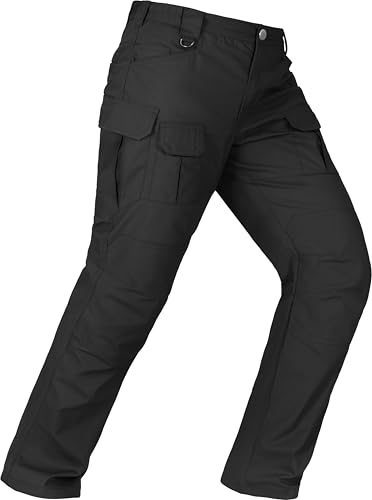
The PIDO YOGA Men's Stretch Tactical Pants are designed for hikers, backpackers, outdoor workers, and travelers who need flexible, durable apparel for active days outside. Traditional utility trousers often rely on heavy, rigid canvas that restricts knee drive on uphill switchbacks. These pants counter that issue by blending 65% polyester with 35% elastane, producing a lightweight, high-stretch feel that moves freely during steep climbs, kneeling around camp, or navigating overgrown trails.
Pocket organization is a major focus of this design. The layout includes six functional pockets positioned for practical utility. The standout features are the dedicated thigh cargo compartments equipped with secure zippered closures. These zippered pockets keep items such as smartphones, pocket knives, trail maps, or car keys safely locked down, preventing accidental loss when scrambling over rocks or stepping over fallen timber.
Durability in the outdoors depends heavily on stress-point engineering. These pants feature reinforced construction across the crotch and knees, helping them withstand brush scrapes, abrasive boulders, and repeated flexing. The ripstop textile weave further limits tearing if you encounter stray thorns or sharp gear edges. Additionally, the outer fabric receives a water-repellent treatment engineered to bead off light drizzle, morning dew, and liquid splashes without suffocating natural airflow.
Regarding fit and day-to-day handling, the pants use an ergonomic cut designed to accommodate tactical movements and active strides. This specific listing arrives in size Large and versatile black. Buyers should note that a belt is not included in the package, so pairing them with a sturdy nylon trail belt is recommended to fine-tune waist tension. Maintenance is simple, as synthetic polyester-elastane blends wash cleanly and air-dry much faster than pure cotton duck or denim.
There are a few realistic limitations to consider before heading into wet backcountry conditions. While the description identifies the fabric as waterproof, it functions as a water-shedding surface barrier rather than a fully seam-sealed hardshell membrane. In prolonged, soaking downpours, water can eventually work its way through the seams, making a dedicated rain shell advisable for severe weather. Furthermore, the high elastane ratio prioritizes flexibility over the extreme armor-like puncture resistance found in heavy, unyielding work pants.
For day hikers, campers, anglers, and outdoor DIYers seeking an affordable pair of multi-pocket pants that will not bind at the knees, the PIDO YOGA Stretch Tactical Pants represent a sensible choice. The combination of secure zippered thigh pockets, reinforced high-friction points, and generous stretch makes them a comfortable companion for active days on and off the trail.
Storage efficiency on the trail requires both accessibility and security. The PIDO YOGA Tactical Pants feature six individual pockets strategically arranged to distribute pocket gear comfortably across the hips and thighs.
The zippered thigh cargo pockets are especially useful for hikers carrying sensitive items like smartphones, compact trail guides, GPS units, or keys. The zip closure ensures contents stay locked inside during vigorous movement, while the standard hip pockets provide rapid access to everyday items when resting at camp or walking easy terrain.
The core material is a blend of 65% polyester and 35% elastane woven into a ripstop pattern. This ratio delivers high stretch and recovery, allowing the pants to expand during deep strides and squatting without losing their shape.
To handle trail wear, the manufacturer incorporates dedicated reinforcements at the knees and crotch, which are the most common failure points in active pants. The surface is treated to resist oil and repel light precipitation, helping keep trail grime and morning moisture from immediately soaking into the fibers.
The ergonomic cut of these pants focuses on mobility, providing sufficient clearance through the seat and thighs to accommodate natural athletic movement without excess bulk flapping in the wind.
This model is supplied in size Large and does not include a belt. Hikers should plan to use a standard webbed outdoor belt or low-profile hiking belt to dial in waist stability, especially when loading the cargo pockets with heavier gear items.

Pros
- Five secure zippered pockets prevent trail gear and smartphones from sliding out on rugged terrain.
- Roll-up leg capability allows quick temperature adjustment on warm afternoons without removing footwear.
- Four-way stretch-woven fabric delivers comfortable mobility for uphill stepping and trail walking.
- UPF 50+ rating provides dependable sun coverage for exposed summer and shoulder-season hikes.
- Elastic waistband delivers relaxed, pinch-free comfort under light daypacks and everyday wear.
Cons
- Product specifications do not list the exact fiber breakdown or durable water repellent (DWR) rating.
- Roll-up knee tabs can feel slightly bulkier around the lower leg than streamlined zip-off convertible systems.
- Lightweight construction is not designed for bushwhacking dense briars or cold-weather winter hiking.
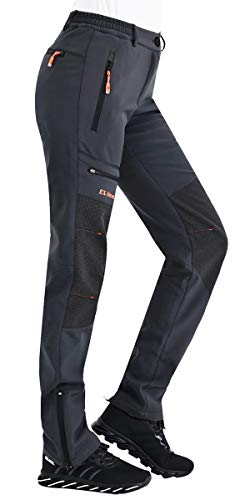
The Toomett Women's Quick Dry Cargo Hiking Pants (Model 6608) are tailored for day hikers, travelers, and outdoor walkers seeking lightweight, sun-protective coverage across three seasons. Built with a stretch-woven fabric and an elastic waistband, these trail pants suit hikers who want dependable ease of movement without the rigid feel of traditional heavy hiking trousers. The roll-up convertible styling adds instant versatility for shifting trail temperatures, making them well-suited for warm spring, summer, and early autumn outings in national parks, state forests, and casual travel settings.
On active trails, the four-way stretch material is designed to promote stride freedom when stepping over trail roots, ascending steep switchbacks, or walking extended miles. The manufacturer lists the fabric as lightweight, breathable, and quick-drying, which aids moisture management when hiking in humid conditions or under direct sun. Built-in UPF 50+ sun protection provides an added layer of defense on unshaded ridgelines and desert paths. When afternoon heat builds, the roll-up feature around the knees lets you convert the pants into capris, increasing airflow to the lower legs without requiring you to remove your hiking footwear.
Storage utility is a primary strength of this model, featuring five individual zippered pockets to secure essential trail gear. The layout includes two front slant pockets, one rear pocket, and two thigh cargo pockets designed to accommodate items like smartphones, compact trail maps, energy snacks, or a compass. Equipping every pocket with a zipper helps ensure that valuable items do not slide out during scrambles or quick trail breaks. While the manufacturer highlights a four-way stretch weave with wrinkle resistance, the product data does not disclose the specific fiber blend percentages, nor does it specify any durable water repellent (DWR) surface treatment for rain defense.
In terms of fit and handling, the elastic waistband provides an adaptable, forgiving hold that rests comfortably under lightweight daypack straps. The listed size Medium Petite caters to hikers who require a shorter length to avoid excess hem bunching at the boots. The lightweight textile compresses down small, allowing it to pack easily into weekend duffel bags or travel carry-ons without stubborn creasing. Routine maintenance is straightforward, though washing with gentle cycles and air-drying is practical to preserve the four-way elasticity and zipper functionality over time.
A few realistic limitations should be noted before purchasing. The product specifications do not establish water resistance or waterproof protection, meaning these pants will absorb moisture during steady rain and should not be treated as wet-weather foul-weather gear. Furthermore, the roll-up cuff mechanism relies on folding the fabric up around the knee, which creates a slight fabric bunch that some users may find less streamlined than fully detachable zip-off legs. Because the material focuses on lightweight breathability, it is not intended for heavy-duty bushwhacking through sharp, dense underbrush or sub-freezing winter hiking without thermal base layers.
For outdoor enthusiasts who prioritize hot-weather ventilation, secure zippered pocket capacity, and relaxed trail mobility, the Toomett Cargo Hiking Pants offer a practical, budget-conscious option. They perform well on maintained trails, campsite afternoons, and active vacations where sun defense and fast capri conversions matter most. While technical alpine routes require heavier-duty construction, these pants deliver an accessible, functional solution for everyday warm-weather hiking.
The Toomett Cargo Hiking Pants provide five separate zippered storage compartments designed to keep essential gear organized and secure on the move. The two front slant pockets offer quick access for small items, while the single zippered rear pocket provides a flat storage option that stays out of the way while walking.
Two thigh cargo pockets offer deeper capacity for bulkier items such as smartphones, trail maps, compasses, or energy bars. Because every pocket uses a zipper closure, hikers can scramble over rocks and negotiate steep descents without worrying about items bouncing loose along the trail.
The convertible roll-up feature allows the Toomett hiking pants to adjust quickly between full-length pants and ventilated trail capris. The lower leg fabric rolls up and secures around the knee area, increasing airflow around the calves on hot climbs without the hassle of unzipping and packing away detached pant legs.
This design eliminates the risk of misplacing loose pant legs during day hikes and allows hikers to adapt to sudden temperature swings without taking off trail running shoes or hiking boots. It serves as a practical middle ground between dedicated shorts and full-length protective trail pants.

Pros
- Zip-off legs provide instant temperature regulation without needing a full clothing change on the trail
- Five deep storage pockets keep daily trail essentials organized and within easy reach
- Adjustable waistband accommodates fluctuating midsection comfort throughout long hiking days
- Lightweight, breathable fabric dries quickly after creek crossings or heavy aerobic output
Cons
- Manufacturer specifications do not disclose exact fiber percentages or specific inseam measurements
- Thigh-level zip-off zippers introduce additional seam bulk compared to standard fixed-leg hiking trousers
- No waterproof membrane or DWR rating is listed, making separate rain gear necessary in wet weather
The Cycorld women's convertible hiking pants are lightweight, zip-off trail trousers designed for day hikers, backpackers, and travelers who need flexible coverage across fluctuating temperatures. By incorporating removable lower legs, these pants suit hikers tackling chilly morning trailheads that transition into warm afternoon switchbacks, eliminating the need to carry separate shorts. Their low-profile athletic cut also extends utility to car camping, casual outdoor work, and warm-weather travel where pack space is limited.
Trail mobility relies on the garment's lightweight stretch fabric, which is engineered to support natural stepping, bending, and striding on uneven ground. The manufacturer highlights moisture-wicking breathability, which assists in keeping the skin dry and comfortable during prolonged exertion in warm or humid conditions. When hiking uphill in direct sunlight, converting the trousers into shorts offers immediate lower-leg ventilation to reduce heat accumulation.
Construction details emphasize utility through five deep storage pockets, giving hikers dedicated compartments for a phone, trail map, pocket knife, or snacks without cluttering pack access. The convertible design allows for multiple styling configurations, though the circumferential thigh zippers introduce a mechanical seam that some hikers may notice against the skin during repetitive high-stepping movements. While the fabric is designed to be lightweight and quick drying, the supplied product data does not specify exact synthetic fiber ratios or ripstop weave details.
Waist fit is managed via an integrated adjustable waistband, allowing wearers to customize tension around the hips to prevent slipping while carrying gear. The listed product represents size Large in black, but exact rise, seat, and inseam dimensions are not detailed in the manufacturer specifications. The streamlined waistband profile helps reduce pressure points beneath a loaded backpack hip belt, and the lightweight material compresses easily into a daypack or carry-on bag.
A realistic consideration with any convertible pant is the presence of leg zippers, which inherently add minor rigidity around the lower thigh compared to uninterrupted fabric. Additionally, without documented waterproof coatings or windproof laminates, these bottoms provide minimal defense against steady downpours or freezing alpine gusts. Hikers tackling overgrown trails should also consider that ultralight fabrics can be susceptible to snags from sharp briars and coarse rock surfaces.
For hikers seeking an affordable, adaptable warm-weather pant for state parks, summer trekking, and general outdoor recreation, the Cycorld convertible pants provide reliable utility. The combination of quick-drying stretch fabric, five spacious pockets, and an adjustable waist creates practical value for variable climate days. Hikers preparing for sustained wet conditions or rough off-trail scrambling, however, should complement them with dedicated waterproof shells or heavy-duty reinforced trousers.
The zip-off construction enables wearers to transition quickly between full-length trousers and trail shorts as temperatures rise during the day. This adaptable configuration reduces the overall weight of a hiker's pack by consolidating two essential trail garments into one. The integrated thigh zippers are designed for straightforward conversion at rest stops, though hikers should consider the mechanical zipper seams against the leg during high-cadence walking.
Equipped with five deep pockets, these pants offer dedicated carrying capacity for essential gear such as smartphones, GPS units, snacks, and keys. The structured pocket depth helps keep items secure during movement rather than shifting loosely against the hips. While the storage layout accommodates daily trail accessories, heavier items should be distributed evenly to avoid sagging during steep ascents.
Essential Features and Construction That Define Quality Trail Pants
Good hiking pants balance mobility, durable fabric construction, moisture management, and reliable weather defense across unpredictable wilderness conditions. Unlike everyday casual trousers, high-performing trail bottoms actively wick perspiration, resist abrasion from sharp brush, and stretch naturally during steep ascents. They achieve this balance through engineered synthetic weaves, strategic gussets, and functional pocket placements that secure essentials without impeding movement. Identifying these practical qualities ensures you select legwear tailored to the specific climates and trail profiles you plan to explore.
Technical Fabric Blends and Moisture Management
Synthetic materials serve as the primary foundation for modern trail apparel because they handle perspiration far better than cotton. Natural cotton absorbs moisture and holds it against the skin, which accelerates chafing in warm weather and induces rapid chilling in cool winds. Quality trail trousers utilize synthetic textiles such as polyester and elastane blends that pull sweat toward the outer face of the garment. This continuous capillary action allows moisture to evaporate swiftly into open air, keeping legs dry throughout sustained physical exertion.
The specific ratio of synthetic fibers determines how a pair of pants behaves across uneven trail corridors. For instance, garments utilizing sixty-five percent polyester and thirty-five percent elastane provide substantial elastic rebound while maintaining structural resilience against friction. This high elastane content ensures the material extends smoothly during deep lunges without binding against the thighs or knees. Furthermore, the polyester component preserves the integrity of the weave, preventing the fabric from bagging out after long days on the mountain.
Drying speed remains another critical performance metric when choosing dependable trail bottoms. Hikers frequently encounter stream crossings, sudden downpours, or heavy morning dew that leaves undergrowth dripping wet against the legs. Four-way stretch fabrics engineered with quick-drying yarn structures disperse droplets broadly across their surface area to accelerate evaporation. Fast moisture dispersal minimizes damp fabric cling, lowering the probability of painful friction blisters around the inner thighs and waist.
Articulated Knees, Gusseted Crotches, and Dynamic Mobility
Mobility on the trail depends heavily on three-dimensional tailoring rather than relying exclusively on stretchy fibers. Standard casual pants use flat pattern pieces that pull tight against the knees whenever a hiker steps onto a high boulder or fallen log. Quality outdoor trousers incorporate articulated knees, which utilize pre-curved darts sewn into the fabric to mirror the natural bend of the joint. This anatomical shaping eliminates fabric resistance over the patella, significantly reducing the energy required for every upward step.
A gusseted crotch represents another hallmark of thoughtful trail design that prevents sudden seam failures in the backcountry. Traditional four-way seam intersections concentrate immense mechanical tension at the pelvic saddle during high-stepping maneuvers. Inserting an extra diamond-shaped fabric panel distributes pulling forces across multiple reinforced seams instead of a single point. This structural feature drastically reduces the risk of blowouts while simultaneously preventing uncomfortable fabric bunching between the legs.
Hikers exploring uneven singletracks often seek out trail comfort hiking pants that combine ergonomic tailoring with durable reinforcement at high-friction zones. Reinforced stitching along the seat, crotch, and knee panels ensures that contact with rough terrain does not compromise structural integrity. When pants move harmoniously with your natural biomechanics, you expend less physical effort pushing against rigid fabric. This ergonomic efficiency keeps your legs fresher over extended mileage and technical terrain.
Weather Protection, Water Repellency, and Sun Defense
Trail pants must defend against ambient environmental factors while preserving internal airflow. High-grade hiking trousers often feature water-repellent surface finishes designed to cause light rain, morning dew, and trail mud to bead up and roll off cleanly. Technical models frequently incorporate water-resistant treatments that actively repel liquid splashes and surface grime without sealing off breathable pores. This exterior shielding keeps hikers dry through brief passing showers while allowing trapped body heat to vent outward.
Ultraviolet radiation presents a persistent hazard on exposed alpine ridges and arid desert trails where natural tree cover remains scarce. Selecting pants crafted with built-in UPF 50+ sun protection blocks over ninety-eight percent of harmful ultraviolet rays from penetrating through the fabric. Unlike chemical sunscreen lotions that sweat off over hours of exertion, woven UV protection provides constant, reliable shielding throughout the entire day. This protective barrier proves especially valuable during summer expeditions across reflective granite slabs or high-altitude passes.
A clear distinction exists between water-resistant hiking pants and fully waterproof hard-shell rain pants. Water-resistant designs excel in variable weather conditions, offering ample protection against moderate drizzle while sustaining the high breathability necessary for active trekking. In contrast, non-breathable waterproof garments often create a humid internal climate that leaves the wearer soaked in sweat during strenuous hill climbs. Choosing a water-resistant ripstop model ensures a sensible compromise between dependable weather shielding and dynamic thermal comfort.
Adaptable Leg Configurations and Ventilation Options
Daylong expeditions often start in chilly dawn temperatures and transition into scorching afternoon heat as trails descend into sunbaked valleys. Adaptable legwear solves this thermal challenge by allowing hikers to modify their pants without needing a full wardrobe change in the wilderness. Zip-off convertible pants feature hidden horizontal zippers above the knees, enabling users to detach the lower leg sections and convert trousers into walking shorts. This versatile functionality makes convertible garments exceptionally popular among lightweight backpackers seeking to minimize pack bulk.
Roll-up capri mechanisms offer another practical alternative for temperature regulation without the mechanical complexity of perimeter zippers. Technical pants featuring internal tab loops or button closures allow wearers to roll up the lower hems securely around the calves. This design opens the lower legs to cooling cross breezes while preserving upper-thigh abrasion protection against scratchy undergrowth and trailside debris. It also eliminates the risk of losing detached leg cuffs on multi-day backcountry journeys.
Investing in adaptable leg configurations provides substantial flexibility for unpredictable shoulder-season outings. When selecting convertible options, inspecting zipper placement and protective fabric flaps ensures the hardware does not rub directly against the skin during movement. Well-designed zip tracks sit smoothly against the leg, preventing irritation while offering swift conversion whenever trail temperatures fluctuate. This adaptability allows outdoor enthusiasts to remain focused on route navigation rather than adjusting cumbersome clothing layers.
Functional Pocket Layouts and Secure Trail Storage
Pocket arrangement on trail pants directly affects how comfortably a hiker carries navigation tools, snacks, and personal electronics. Everyday front slash pockets often dump contents onto the ground whenever a wearer sits on a log or climbs over a fallen tree. Quality hiking pants solve this problem by incorporating deep pockets equipped with durable zipper closures or secure flaps. These reliable closures prevent compact smartphones, GPS devices, and pocket knives from slipping out during aggressive scrambling.
Thigh-mounted cargo pockets deliver optimal storage for bulky essentials because they sit flush against the quadriceps rather than bunching at the hip flexors. When cargo compartments are positioned poorly, heavy items bounce against the knee or dig into the waist with every stride. Streamlined, low-profile cargo pockets keep weight balanced and anchored close to the thigh, maintaining a natural cadence during long ascents. Zippered entries on these compartments allow quick, one-handed access to trail maps or compasses while keeping hands free.
Back pocket configuration also warrants close attention when selecting pants for extended wilderness travel. A single zippered rear pocket provides a secure spot for emergency identification or small flat items without adding bulk under heavy backpack hip belts. Pockets lined with breathable mesh can double as passive ventilation channels when left unzipped during steep climbs. Balancing storage volume with low-profile construction keeps your gear accessible without disrupting your trail mobility.
Waistband Engineering, Belt Integration, and Secure Fit
The waistband of a hiking pant must stay firmly anchored in place without digging into the abdomen or creating uncomfortable pressure points. Wearing a loaded backpacking pack places substantial downward force onto the hips, which can cause stiff button closures or bulky buckles to pinch sensitive skin. Superior trail trousers utilize elasticized sections along the side or rear waistband to conform gently to changing body positions. This flexible contouring prevents the back of the waist from gaping open whenever a hiker bends forward.
Integrated adjustment systems such as internal drawstrings or hook-and-loop side tabs allow hikers to fine-tune waist circumference throughout a multi-day trip. Hikers frequently experience minor waist fluctuations during extended treks due to hydration changes and sustained calorie burn. Built-in adjustment tabs eliminate the immediate need for a separate heavy belt, simplifying your apparel system and preventing friction under pack hip belts. When waistbands feature wide, smooth belt loops, wearers retain the choice to add lightweight webbing belts if additional support is preferred.
Checking out reliable hiking pants for trail mobility often reveals how flat-seam construction and soft internal waistband linings prevent friction sores across high-sweat zones. A moisture-wicking waistband lining pulls sweat away from the lower back, reducing skin dampness where pack pads press against the lumbar spine. Smooth internal finishes eliminate abrasive ridges, allowing you to hike from dawn to dusk without distracting chafing. A secure, comfortable waist interface remains the bedrock of all-day hiking comfort.
Durability Standards, Ripstop Weaves, and Reinforced Seams
Trail environments subject clothing to relentless abrasive forces, ranging from rough granite friction to snagging briars and dense brush. Lightweight garments made from standard flat-woven fabrics can tear easily when caught on a sharp branch, quickly turning small punctures into running rips. Quality hiking pants utilize ripstop weaving techniques, which incorporate thicker reinforcement threads in a crosshatch pattern at regular intervals. This grid structure isolates small tears, preventing punctures from unraveling across the entire garment panel.
Seam construction represents another critical indicator of structural longevity in technical outdoor bottoms. Single-stitched seams with low thread density separate rapidly under the repetitive shear stresses generated by cross-country hiking. High-performing trail trousers employ double-needle stitching or reinforced bar-tacks at high-stress points like pocket corners, belt loops, and crotch joins. These robust construction methods ensure the pants withstand frequent washing, heavy gear loads, and seasonal trail abuse without thread unraveling.
Garment longevity also depends on how the exterior face of the fabric handles repeated contact with trail mud and gritty minerals. Tightly woven synthetic yarns resist fiber abrasion much better than loose knits, allowing the fabric to brush against coarse sandstone without fraying. Following manufacturer care instructions, such as washing in cold water and air drying, helps protect technical coatings and fiber elasticity over years of service. Investing in well-built materials guarantees that your trail legwear remains an asset rather than a liability on remote routes.
Matching Hiking Pant Styles to Specific Trail Demands
Selecting the ideal pair of hiking trousers requires balancing your personal hiking style against the environmental conditions of your intended route. Fast-paced day hikers tackling well-maintained trails during warm summer months typically benefit most from ultralight, quick-drying fabrics equipped with UPF sun defense. These featherweight designs emphasize maximum ventilation and swift moisture transfer, keeping legs cool even on steep, exposed switchbacks. Minimalist pocket designs and roll-up cuffs provide all the practical versatility needed for casual weekend outings.
Backcountry trekkers embarking on multi-day journeys or navigating off-trail routes demand heavier-duty construction and expanded gear capacity. Tactical and rugged outdoor cargo models featuring ripstop fabrics, water-resistant coatings, and reinforced knee articulation provide the necessary defense against thorny scrub and abrasive rock scrambles. The generous pocket arrays on these rugged trousers keep essential navigation tools readily accessible without forcing you to remove your backpack. The slight weight penalty of these robust fabrics pays substantial dividends in durability and peace of mind.
Unpredictable climates with large temperature swings call for convertible zip-off designs that adapt instantaneously to shifting trail weather. Having the capability to transition smoothly between full-length trousers and airy shorts prevents overheating during midday ascents while retaining full leg protection for chilly alpine mornings. Evaluating your primary trail environments, seasonal preferences, and gear organization habits ensures you invest in pants that enhance every step of your journey. High-quality hiking pants ultimately deliver the seamless blend of comfort, mobility, and protection necessary for memorable backcountry adventures.


Write Your Review
No reviews yet. Be the first to share your experience!