


Preparing for a day on the trail requires balancing moisture management, skin protection, and all-day comfort. When hikers ask what shirt is best for hiking, the ideal answer depends on terrain, expected weather, and personal hiking pace. Selecting the wrong material can leave you shivering in damp fabric at windy summits or battling painful skin friction along your collarbones. Modern trail tops range from technical quick-drying synthetic garments to soft cotton-blend graphic options tailored for casual outdoor gatherings.
Choosing an appropriate top is just as vital as pairing your route with supportive footwear and lightweight hiking pants for lower-body comfort. Active hikers generally prioritize moisture-wicking textiles that transport sweat away from the skin before sudden temperature drops occur. Meanwhile, weekend adventurers often enjoy relaxed, nature-themed shirts that transition easily from trailheads to campsite cookouts. Understanding how different textile fibers, cuts, and sun-protective finishes perform helps you assemble the right wardrobe for your upcoming excursions.


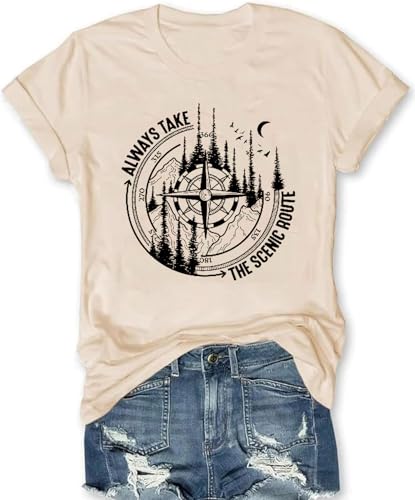


Evaluating What Shirt Is Best for Hiking Across Different Trail Conditions
Determining the right shirt for outdoor trekking comes down to managing moisture, body heat, and mechanical friction. A high-quality hiking top acts as the primary interface between your skin, your outer layers, and your backpack harness. When a shirt fails to manage sweat, skin stays damp, leading to rapid cooling during stationary trail breaks. Hikers who understand the balance between fabric composition, physical cut, and environmental protection can easily choose garments that match their intended trail conditions.
Trails range from shaded forest paths to sun-scorched granite switchbacks, meaning no single shirt solves every scenario. High-output ascents demand rapid sweat evaporation to avoid saturating your clothing system. In contrast, relaxed weekend walks and social camping trips prioritize soft hand-feel, easy movement, and expressive styling. Evaluating how specific apparel pieces behave under exertion allows you to make informed decisions before packing your gear.
Technical Synthetic Fabrics Versus Cotton Blend Performance
Fabric composition is the most critical factor when evaluating trail performance. Moisture-wicking synthetic fabrics such as pure polyester utilize hydrophobic fibers that resist holding onto water. Instead of absorbing liquid, these synthetic yarns pull moisture along tiny surface channels toward the outside of the shirt. This capillary action allows perspiration to spread out and evaporate quickly, keeping your skin dry during intense climbs.
The PINSPARK Hiking Shirts for Women UPF 50 Sun exemplifies this synthetic approach by utilizing a lightweight, quick-drying knit fabric. This polyester construction is engineered to shed sweat efficiently while feeling soft against the skin during sustained aerobic workouts. Similarly, the V Neck Graphic Women Mountain Tree Shirt Summer features a soft polyester blend designed to provide all-day comfort without feeling heavy. These synthetic profiles excel when ambient temperatures rise and your body produces significant perspiration.
In contrast, many popular casual trail tops incorporate substantial amounts of cotton into their weave. Garments like the Womens Hiking Mountain V-Neck T Shirt Camping and the Jorlyen Women Mountain Camp Hike Outdoor Shirt feature a composition of 65% cotton and 35% polyester. Cotton fibers are naturally hydrophilic, meaning they absorb moisture and hold it within their cellular structure. While the polyester portion adds durability and some drying assistance, the predominant cotton content keeps the fabric damp for longer periods once wet.
Holding moisture against the body becomes a serious concern when hiking in cool, windy, or alpine environments. Wet cotton conducts heat away from the skin up to twenty-five times faster than dry air, which can accelerate hypothermia when summit winds pick up. For strenuous mountain treks or unpredictable shoulder seasons, relying on high-cotton garments presents genuine thermal hazards. Hikers tackling sustained ascents with heavy backpacks should generally reserve high-cotton shirts for warm, predictable outings.
Casual cotton-polyester blends still hold a legitimate place for low-intensity recreation and relaxed camping. Graphic tees like Funny Hiking, Just Another Half Mile Or So, Hiking is Just Walking Where You Might Die, and Its Another Half Mile or so Mountain Hiking offer comfortable, classic fits that hikers love for easy strolls. These tops provide exceptional softness against the skin and look right at home around a campsite picnic table. As long as the mileage remains low and the weather remains stable, hybrid cotton blends deliver plenty of comfort.
Solar Defense and Certified UPF Ratings on Exposed Routes
Sun protection is another vital consideration when selecting apparel for exposed alpine ridges or desert washes. Ultraviolet radiation intensifies with elevation, increasing the risk of sunburn, premature skin aging, and heat exhaustion. While sunscreen washes away with heavy perspiration, clothing provides a continuous physical barrier against damaging rays. Hikers traveling above tree line need apparel that blocks both UVA and UVB rays without trapping excessive body heat.
Garments with certified UPF 50+ sun protection, such as the PINSPARK Hiking Shirts for Women UPF 50 Sun, block approximately 98 percent of harmful ultraviolet radiation. This level of defense allows outdoor enthusiasts to navigate sun-drenched trails without having to reapply greasy lotions across covered areas. The tight, specialized knit required for UPF ratings prevents light transmission while maintaining enough air permeability to cool the skin. For hikers spending hours under direct sunlight, certified sun-protective clothing is an invaluable tool.
Standard cotton t-shirts offer significantly less ultraviolet defense, often providing an equivalent protection factor of only UPF 5 to UPF 7. When a thin cotton shirt becomes damp with sweat, its protective rating drops even further as water fills the fabric gaps. Light passes directly through wet fibers, allowing ultraviolet rays to reach delicate skin beneath the shirt. If your planned trail features long stretches of open exposure, choosing specialized sun-protective knits is far safer than relying on basic casual wear.
Collar geometry and neckline architecture also influence personal temperature regulation and upper-body sun safety. V-neck styles, featured on both the PINSPARK and MQSVPUT designs, promote convective airflow around the chest and neck to vent excess heat during steep climbs. Crew neck options, such as the Jorlyen shirt, offer slightly more surface coverage around the clavicle, shielding that area from overhead sun angles. Hikers can balance their need for rapid heat dumping against direct solar exposure when choosing between neckline cuts.
Ergonomic Cut, Seam Architecture, and Pack Strap Friction
Carrying a loaded backpack introduces constant friction points across your shoulders, chest, and waistline. Standard t-shirts often place raised, bulky seams directly along the crest of the shoulder, precisely where pack straps press downward. Over multiple miles, heavy pack weight can grind those raised seams into your skin, creating painful hotspots and chafing. Dedicated outdoor designs often implement flatlock seams or offset shoulder panels to keep high-friction areas completely smooth.
Garment patterning and torso drape also dictate how freely you can move when negotiating rocky scrambles and steep switchbacks. Just as selecting trail mobility pants prevents knee restriction during steep ascents, choosing the right shirt cut prevents binding across the upper back. Relaxed silhouettes, such as the loose fit found on the Jorlyen Women Mountain Camp Hike Outdoor Shirt, provide plenty of room for shoulder rotation without pulling tight. Unrestricted mobility keeps your movements natural and reduces tension along your neck and upper torso.
Hem construction is another practical detail that directly affects trail comfort when wearing a backpack hip belt. The PINSPARK Hiking Shirts for Women UPF 50 Sun features a curved hem and hip-length silhouette designed to provide reliable coverage. When shirts are cut too short, backpack hip belts can catch the bottom edge and continuously roll the fabric upward into your lower back. A generous hip-length cut stays tucked neatly beneath your pack harness, preventing abrasive pack contact against bare skin.
Hem reinforcement also contributes to how well a garment withstands regular trail friction over multiple seasons. Tops like the Funny Hiking, Just Another Half Mile Or So tee feature double-needle stitching along the sleeves and bottom hem for added structural durability. This robust stitching style prevents hems from unraveling when rubbed against trail gear or washed repeatedly. Clean edge construction ensures your trail clothing stays intact despite constant pack motion and regular laundry cycles.
Layering Synergy Under Active Mid-Layers and Storm Shells
A hiking shirt rarely functions in total isolation because mountain weather requires a versatile three-part layering system. In this system, your shirt serves as the next-to-skin base layer responsible for managing liquid sweat. The mid-layer provides active insulation to trap warm air, while the outer shell protects against wind and external precipitation. If your base layer fails to move perspiration away from your skin, the entire layering system breaks down.
Wearing an impermeable waterproof jacket over a damp shirt quickly leads to sweating out from the inside. When cold rain hits your rain shell, warm humid air inside the jacket condenses rapidly against the interior fabric. A moisture-wicking synthetic shirt prevents this condensation from pooling against your torso by distributing sweat across a broad evaporative surface. Hikers who maintain dry skin under their weather shells stay significantly warmer and avoid dangerous post-hike chills.
Combining the right upper layers with durable trail pants establishes a balanced microclimate across your entire body. Moisture must move freely from both your upper and lower base layers to prevent localized clamminess during strenuous sections. A lightweight technical top pairs seamlessly under grid fleeces and packable windbreakers without adding unnecessary bulk inside your pack. Choosing versatile layers ensures you can adapt quickly as summit breezes replace warm valley breezes.
Placing a heavy cotton-blend shirt beneath insulated mid-layers or hardshells is one of the most common mistakes among newer hikers. Cotton fibers trap moisture against the body, collapsing the insulating air pockets of fleece or down layers worn over top. Once insulation becomes damp from trapped body sweat, its ability to keep you warm drops drastically. For this reason, synthetic performance tops should always be your first choice whenever you plan to layer up for cold or rainy conditions.
Garment Care, Washing Practices, and Fabric Longevity
Caring for your hiking tops correctly preserves their moisture-wicking efficiency, sun protection, and graphic integrity. Technical synthetic knits and graphic prints require slightly more attention than ordinary household laundry. Manufacturer specifications for tops like the Womens Hiking Mountain V-Neck T Shirt Camping recommend cold water washing by hand or gentle machine cycles. Washing in cold water prevents delicate polyester fibers from warping and preserves the flexibility of screen-printed trail art.
Chemical additives like standard liquid fabric softeners must always be avoided when cleaning technical athletic apparel. Fabric softeners coat yarn surfaces with a waxy silicone film designed to make standard cotton feel supple. However, this waxy layer clogs the microscopic channels in synthetic fabrics, completely disabling their moisture-wicking capabilities. Once clogged, synthetic shirts trap sweat and body oils, leading to persistent odors and clammy trail performance.
Bleach and harsh stain removers should also be kept away from hiking apparel to protect fiber strength and color fastness. As stated on the care labels for garments from Oriental Pearl and Jorlyen, avoiding bleach prevents premature chemical breakdown of synthetic threads. Using gentle, sports-specific liquid detergents or mild standard formulas keeps performance fibers clean without stripping functional finishes. Thorough rinsing ensures no residual detergent remains to irritate sensitive skin on long, sweaty hikes.
Drying methods also play a major role in how many seasons your trail shirts will survive. The care guidelines for the V Neck Graphic Women Mountain Tree Shirt Summer advise keeping the shirt out of the clothes dryer. High dryer heat can melt or deform delicate synthetic yarns and cause rubberized graphic prints to crack and peel. Line drying or laying shirts flat in a well-ventilated space protects garment elasticity and keeps mountain graphics looking sharp for years of trail use.
Matching Shirt Selection to Your Trail Environment
Choosing the best shirt ultimately comes down to matching garment strengths with your specific trail environment. For strenuous climbs, exposed ridgelines, and high-heat environments, technical synthetic tops with UPF 50+ sun protection offer unmatched performance. These garments keep you dry, prevent sun damage, and integrate smoothly beneath outer shells when weather shifts. Investing in purpose-built performance apparel pays dividends in safety, temperature regulation, and overall stamina.
For casual weekend strolls, car camping trips, and local nature paths, comfortable cotton-blend graphic tees deliver great everyday appeal. Shirts like those from MQSVPUT, Jorlyen, and Its Another Half Mile Or So Tees provide pleasant breathability, soft texture, and fun trail camaraderie. Knowing the limits of cotton allows you to enjoy these casual tops responsibly during pleasant, low-stakes outings. Keeping both technical synthetics and relaxed graphic tees in your rotation gives you the perfect option for every outdoor scenario.
Before packing your bag for the trailhead, always review the local weather forecast and trail elevation profile. Verifying anticipated temperatures and precipitation chances ensures your upper layer keeps you comfortable throughout the entire trek. Equipping yourself with the right fabric and fit lets you focus on the scenery ahead rather than wrestling with uncomfortable clothing.


Write Your Review
No reviews yet. Be the first to share your experience!