


Regulating core body temperature during steep ascents requires strategic planning because alpine environments present rapid weather shifts, sudden wind gusts, and sharp temperature drops. When figuring out %what to wear for mountain hiking%, your clothing choices serve as your primary defense against moisture accumulation and convective heat loss. Beginning an ascent in heavy outerwear often leads to excessive sweating, which saturates fabrics and causes shivering once you reach exposed ridges. Selecting breathable, moisture-wicking materials ensures that perspiration moves away from your skin before chilling sets in. Hikers pairing reliable upper-body layers with durable lightweight hiking pants can maintain complete mobility while staying shielded from trail brush.
Mountain trekking demands an adaptable three-part layering system consisting of a next-to-skin base layer, an insulating mid-layer, and a protective weather shell. Understanding %what to wear for mountain hiking% prevents common backcountry hazards such as rapid heat loss, painful chafing, and blister formation. While technical performance garments remain essential for rugged trails, casual mountain accessories and themed apparel also highlight the outdoor spirit during basecamp downtime. Exploring dependable trail pants options alongside appropriate moisture-buffering layers gives backpackers the security needed to handle variable weather across shifting elevations.
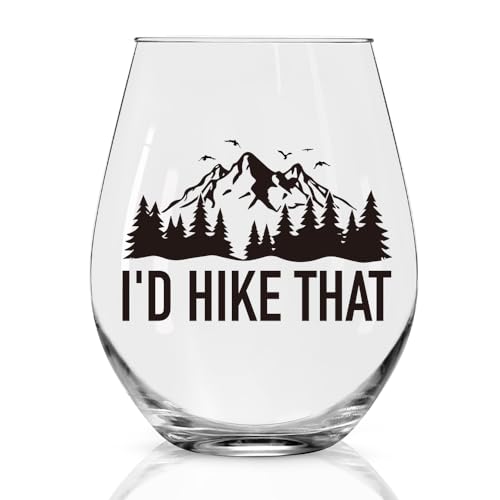
Pros
- Broad base design lowers the center of gravity to help prevent accidental spills on flat surfaces
- Roomy 15-ounce volume holds a full pour of wine, beer, or mocktails comfortably
- Playful trail-themed graphic makes it an appealing gift for hiking companions and outdoor lovers
- Made from 100 percent lead-free, non-toxic transparent glass for clean beverage flavor
Cons
- Traditional glass material is breakable and unsuitable for backcountry trail carrying inside a backpack
- Requires gentle hand washing and cannot be cleaned in the microwave or subjected to sudden high heat
- Lacks double-wall insulation or an included travel lid for mobile drinking
The Perfectinsoy I'd Hike That Stemless Wine Glass is a novelty glassware accessory created for outdoor enthusiasts who enjoy celebrating their trail memories after the hike is finished. Featuring a playful nature-inspired graphic, this glass serves as a lighthearted bridge between rugged trail pursuits and comfortable home relaxation. It appeals directly to day hikers, backpackers, cabin vacationers, and family members searching for a themed gift that acknowledges a loved one's passion for the mountains.
Functionality centers around its ergonomic stemless shape and practical dimensions. Measuring 3.5 inches by 3.5 inches across with a height of 4.5 inches, the glass sits securely in hand while offering a generous 15-ounce liquid capacity. The contour features a wider bottom paired with a subtly tapered rim, which naturally lowers the center of gravity compared to traditional stemmed glasses. This design helps minimize accidental tipping on picnic tables, cabin porches, or crowded post-hike kitchen counters.
Material quality relies on 100 percent transparent glass that is food-safe, non-toxic, and odorless, preserving the crisp flavor of whatever beverage you pour. Whether filled with red wine, craft beer, sparkling water, or iced tea, the glass delivers a comfortable drinking experience. However, because it is conventional glass rather than stainless steel or enamelware, it carries standard fragility concerns. The manufacturer notes that abrupt temperature swings of roughly 194 degrees Fahrenheit (70 degrees Celsius) can cause thermal shock, making it unsuitable for hot liquids or boiling washes.
Maintenance and handling are straightforward but require a little care to ensure long-term durability. To protect the printed lettering and maintain surface clarity, hand washing with mild dish soap and a soft sponge is strongly recommended over harsh dishwasher cycles. Additionally, this piece is not microwave-safe. For storage, its compact footprint stacks neatly into home cupboards or fits securely inside padded drinkware organizers for road trips to state parks or rental cabins.
Prospective buyers should note that this is fundamentally casual celebration drinkware rather than rugged backcountry gear. Packing a stemless glass into an internal-frame backpack for a multi-day trek poses an obvious breakage hazard. It shines best at established basecamps, tailgate gatherings, car-camping setups, or relaxed evenings at home after returning from the local trailhead.
For anyone seeking a fun, functional gift for a hiking buddy, spouse, or family member who loves the outdoors, this glass offers high utility and lighthearted charm. It delivers reliable stability, versatile 15-ounce capacity, and an unmistakable nod to the hiking lifestyle without pretending to be something it is not.
This stemless glass excels as an off-trail gift item, making it ideal for birthdays, holidays, Father's Day, Mother's Day, or trail milestone celebrations like completing a 14er or finishing a long section hike. Its humorous message connects immediately with anyone who spends weekends hitting state or national park trails.
For basecamp living, RV road trips, and glamping weekends, the glass adds a touch of domestic comfort around the campfire. While not meant for rugged bushcraft travel, it provides an elevated way to enjoy local craft brews or wine once the tents are pitched and the hiking boots are off.
Preserving the printed graphic and glass clarity requires simple hand washing with non-abrasive dish soap and warm water. A soft cloth or sponge protects the decorative lettering from premature wear or peeling over time.
Always avoid sudden thermal shocks, such as pouring boiling water into a chilled glass, as temperature differences around 194 degrees Fahrenheit can cause structural cracking. The glass should never be placed in a microwave or subjected to extreme heat drying cycles.

Pros
- Soft and breathable 80% cotton blend feels gentle on the skin for casual lounging
- Spandex addition provides flexible stretch across a wide shoe size range (men's 6-13, women's 7+)
- Comes individually packaged in a neat gift box, saving time on gift wrapping
- Fun mountain-themed visual design appeals to backpackers, campers, and nature enthusiasts
Cons
- High cotton content retains moisture, making them unsuitable as technical trail socks for high-mileage hikes
- Universal one-size sizing may feel slightly loose on smaller foot profiles or snug on extra-wide feet
The Zmart 'I'd Rather Be in the Mountains' socks are novelty casual crew socks designed for hikers, campers, and outdoor enthusiasts who want to showcase their passion for the wilderness. Packaged in a compact single-pair gift box, these socks serve as an accessible and fun present for friends, family members, or coworkers who spend their free time exploring trails or planning mountain adventures.
Featuring an outdoor motif, the black background is accented with detailed knit graphics depicting evergreen forest pines, snow-capped mountain peaks, and azure skies along with the clear slogan 'I'D RATHER BE IN THE MOUNTAINS.' The design makes them an enjoyable accessory to slip on during casual office days, travel mornings heading to the trailhead, or post-hike downtime when relaxing at camp.
The socks are woven from a fabric composition of 80 percent cotton, 15 percent nylon, and 5 percent spandex. The high percentage of cotton yields a gentle, comfortable hand feel that breathes well during indoor or sedentary wear. The integrated nylon improves structural endurance against everyday friction, while the 5 percent spandex helps the sock hold its shape and stretch comfortably around the calf and foot.
In terms of fit, the manufacturer lists this pair with a universal size profile suited for men's shoe sizes 6 through 13 and women's shoe sizes 7 and larger. The inherent elasticity allows the sock to adapt to varying foot widths and calf sizes without excessive binding, simplifying sizing decisions when purchasing them as a gift.
From a functional hiking standpoint, it is helpful to keep real-world fabric characteristics in mind. Because these socks are primarily cotton-based, they absorb and hold moisture rather than wicking it away like dedicated wool or synthetic performance trail socks. They are best reserved for casual lifestyle wear, travel, cabin lounging, or relaxing by the campfire rather than rigorous, sweat-heavy backpacking routes.
Overall, the Zmart Mountain Socks deliver a charming, budget-friendly gift for anyone who loves the outdoors. For shoppers seeking an easy holiday stocking stuffer, birthday token, or cozy camp-lounge pair to keep in an overnight duffel, this pair offers distinctive mountain styling and everyday comfort.
The Zmart Mountain Socks utilize a universal medium sizing structure tailored to accommodate men's U.S. shoe sizes 6 through 13 and women's U.S. shoe sizes 7 and up.
The knit incorporates 5 percent spandex, which gives the cuff and footbed responsive elasticity. This stretch enables the sock to conform across a broad range of shoe sizes, making it a reliable option for gift-giving when exact footwear measurements are unknown.
These novelty outdoor socks are constructed from an 80 percent cotton, 15 percent nylon, and 5 percent spandex fabric blend that balances softness, shape retention, and everyday wear resistance.
Because cotton fibers can shrink or degrade under extreme heat, standard gentle machine washing in cold water with similar dark colors and low-heat tumble drying or air drying will help preserve the knit graphics and elastic stretch over time.
Essential Strategies for Dressing on Mountain Trails
Planning %what to wear for mountain hiking% requires a clear understanding of dynamic alpine weather patterns and human thermoregulation. High-elevation trails subject hikers to steep ascents, biting winds, sudden rainfall, and rapid drops in ambient temperature. Wearing the correct technical apparel ensures that your body remains dry from internal sweat while staying shielded from external environmental threats. Creating a modular clothing system gives you the adaptability to add or shed garments as exertion levels and weather conditions shift throughout the day.
The Mechanics of the Three-Part Mountain Layering System
A successful mountain apparel strategy relies on three distinct layers working in harmony rather than a single bulky coat. The base layer sits directly against your skin to manage perspiration, while the mid-layer traps escaping body heat to provide vital insulation. Over these inner garments, a durable outer shell deflects wind, snow, and driving rain to preserve your internal microclimate. Each component serves an individual purpose, allowing you to regulate body temperature across diverse activity levels.
When you hike uphill, your muscles generate substantial metabolic heat that triggers active perspiration. If your clothing traps that moisture against your skin, cooling occurs rapidly as soon as you pause for a break or reach an exposed summit. A modular system lets you strip down to a light base layer during strenuous climbs to minimize sweat accumulation. Once you encounter chilling ridge breezes, putting on an insulating fleece or wind-resistant jacket prevents shivering and maintains core stability.
Next-to-Skin Base Layers: Moisture Management and Fiber Selection
Your base layer forms the foundation of your mountain wardrobe and dictates how effectively moisture leaves your skin. Synthetic fabrics like polyester and nylon excel at pulling sweat outward through capillary action, spreading moisture across a broad surface area for rapid evaporation. These synthetic knits dry exceptionally fast, making them dependable choices for humid forest approaches and high-output trail ascents. They also withstand repeated friction from heavy backpack straps without showing premature surface thinning.
Merino wool offers natural thermoregulation and maintains moderate warmth even when dampened by persistent perspiration. The microscopic structure of merino fibers buffers moisture vapor before it condenses into liquid sweat, keeping the skin feeling dry across fluctuating output levels. Merino wool also possesses inherent antimicrobial qualities that resist odor retention over multi-day backpacking trips. For hikers who generate moderate sweat or trek in cooler shoulder-season climates, a lightweight merino base layer provides reliable comfort.
Cotton garments present serious safety concerns in rugged alpine environments and should be avoided for high-output hiking. Cotton fibers are hydrophilic, absorbing up to twenty-seven times their weight in water and holding moisture directly against your skin. As mountain winds blow across damp cotton, conductive and convective cooling accelerates rapidly, which dramatically increases the risk of hypothermia. While casual mountain-themed apparel often features soft cotton blends, technical trail ascents demand synthetic or wool alternatives.
Active and Static Mid-Layers: Balancing Breathability and Warmth
Mid-layers provide the thermal barrier that traps air warmed by your body, preventing cold atmospheric conditions from draining your energy. Active insulation garments, such as grid fleece jackets and breathable synthetic pullovers, allow excess heat and moisture vapor to vent freely during movement. These garments feature open-weave construction that prevents sweat buildup while shielding your torso from moderate morning chill. A versatile fleece remains an indispensable staple because it retains insulating loft even in damp backcountry environments.
Static insulation layers, including down jackets and heavier synthetic puffy coats, are designed for periods of rest and camp downtime. Goose or duck down delivers an exceptional warmth-to-weight ratio and compresses into a remarkably compact package inside your backpack. However, standard down loses its loft and thermal value when exposed to soaking rain or heavy internal sweat. High-loft synthetic fills provide dependable warmth even in sustained drizzle, making them smart choices for damp maritime mountain ranges.
Hikers must balance pack volume against regional weather hazards when deciding which mid-layer to carry. Packing a lightweight grid fleece for movement alongside a packable puffy jacket for lunch breaks ensures complete thermal control. When climbing steep switchbacks, keep your puffy jacket stowed safely inside your pack so it stays completely dry for summit stops. Deploying static insulation immediately upon resting prevents rapid cooling before your body temperature plummets.
Weather-Protective Shells: Defending Against Alpine Wind and Rain
High mountain summits are notorious for sudden squalls, making a dedicated weather shell an essential safety item in your pack. A waterproof and breathable rain jacket acts as an impermeable barrier against driving downpours while releasing internal humidity. Technical shells utilize microporous membranes paired with durable water repellent coatings that force exterior water droplets to bead up and roll off. Maintaining this exterior surface finish prevents the outer face fabric from saturating, which preserves interior breathability.
Mechanical venting features are crucial when hiking uphill in persistent precipitation. Even advanced waterproof membranes struggle to vent moisture vapor at the same rate that an exercising hiker produces sweat. Pit zips and two-way front zippers provide direct airflow that dumps humid heat without letting driving rain penetrate your inner layers. Adjusting these ventilation zippers during steep trail ascents prevents internal condensation, commonly known as sweating out your shell.
Wind shells offer a lightweight alternative when rain is absent but chilly gusts threaten your thermal equilibrium. These tightly woven nylon jackets weigh only a few ounces and slip easily into an exterior pocket for instant access. While not waterproof, a wind shell cuts convective heat loss across exposed granite ridges while allowing far more air permeability than a hardshell rain jacket. Pairing a wind jacket over a light base layer often provides the ideal setup for brisk, dry mountain ascents.
Lower Body Apparel: Selecting Trail Pants and Leggings for Mountain Scrambles
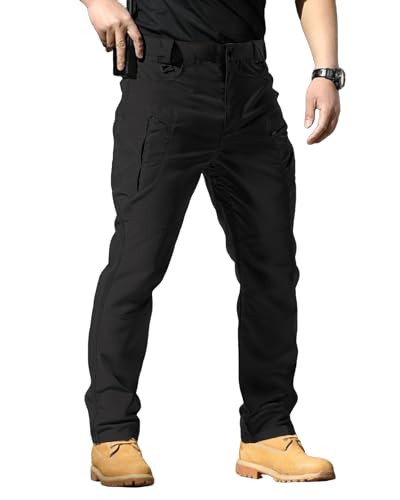
Your trail pants must withstand abrasive rock scrambles, brushy overgrowth, and continuous knee articulation without restricting movement. Dedicated hiking pants constructed from woven nylon blends provide superior tear resistance compared to standard athletic apparel. Many technical designs feature articulated knees and a gusseted crotch, which eliminate seam tension when taking high steps over boulders. Backpackers seeking extra joint relief on steep descents often incorporate specialized gear, such as supportive hiking pants, to cushion repetitive strain during long miles.
Convertible pants offer versatile utility by allowing hikers to zip off the lower legs as valley temperatures climb. This functionality eliminates the need to carry separate shorts while keeping your legs protected during early morning starts through dew-soaked brush. However, some hikers find horizontal thigh zippers restrictive during steep scrambling, preferring dedicated roll-up pants with button tabs instead. Choosing a flat, low-profile waistband ensures that heavy backpack hip belts do not press painful seams directly into your hips.
Hiking tights and trail leggings have gained popularity among day hikers due to their unhindered stretch and snug comfort. If you choose leggings for mountain travel, prioritize heavy-duty synthetic knits with reinforced panels across the seat and knees. Standard running tights often snag easily on granite slabs or sharp thorny brush, leading to premature tears. In addition, carrying a pair of ultralight rain pants ensures that your lower body stays warm and dry when mountain thunderstorms roll across open passes.
Footwear and Socks: Blister Prevention and Fabric Blends
Proper foot care begins with selecting the right socks to buffer friction between your skin and hiking footwear. Technical hiking socks should be composed primarily of merino wool or hydrophobic synthetic fibers like nylon and polyester. These materials pull sweat away from the sole of your foot, minimizing the softening of skin that leads to painful blisters. Targeted cushioning across the heel and ball of the foot absorbs impact shock on rocky descents while maintaining snug arch support.
Novelty socks and casual gift options often feature high cotton concentrations designed strictly for everyday leisure. For instance, the Zmart Mountain Gifts for Women Men socks feature an appealing mountain peak pattern blended with eighty percent cotton, fifteen percent nylon, and five percent spandex. While these socks provide a soft, comfortable feel for relaxing around a mountain cabin, their high cotton content makes them unsuitable for strenuous backcountry ascents. Cotton retains foot perspiration, causing friction hotspots and increasing the risk of debilitating trail blisters under heavy footwear.
Investing in purpose-built trail socks with seamless toe closures prevents pressure points against your boots. Many experienced hikers pack an extra pair of dry socks inside a waterproof dry bag to swap midway through a long hike. Putting on fresh, dry socks during a summit break instantly rejuvenates tired feet and keeps moisture levels under control. Pairing reliable socks with well-fitted technical hiking trousers establishes a solid lower-body defense against trail grit and rough terrain.
Technical Accessories: Sun Defense, Extremity Warmth, and Headwear
Alpine environments expose hikers to intense ultraviolet radiation due to thinner atmosphere and reflective granite surfaces. A wide-brimmed sun hat or a lightweight technical cap shields your face, scalp, and eyes from harsh rays throughout exposed climbs. Sun hoodies made from lightweight polyester have become trail favorites because their integrated hoods drape comfortably over a cap, providing full neck protection. Polarized sunglasses with high UV ratings are also essential to guard against eye strain and glare on bright alpine passes.
Sudden mountain cold fronts can quickly numb your fingers and ears, drastically reducing dexterity and trail safety. Packing a lightweight fleece beanie and a pair of windproof gloves takes up negligible pack space while providing critical warmth. In shoulder seasons, lightweight liner gloves made of merino wool or fleece allow you to handle trekking poles without freezing your fingers. Keeping a versatile neck gaiter handy provides additional warmth around your throat or pulls up over your nose in freezing summit gusts.
Pacing and Layer Management: Avoiding the Sweat Trap on Ascents
One of the most valuable trail habits for mountain hikers is adopting the principle of starting slightly cool. When you step out of your vehicle or leave the trailhead, your natural instinct is to bundle up in heavy jackets. However, your body quickly generates significant heat within five to ten minutes of steady uphill walking. Starting with just a light base layer prevents excessive perspiration, preserving your energy and keeping your clothing dry for later elevation gains.
Hikers must stay proactive and stop to adjust layers the moment they feel their skin getting uncomfortably warm. Waiting until your base layer is soaked through with sweat before removing a jacket is a recipe for post-climb chilling. Open pit zips, push up long sleeves, or remove your mid-layer before steep switchbacks demand maximum exertion. When you reach a windy ridge or pause for a snack, immediately pull on your windbreaker or puffy jacket before your body heat dissipates.
Post-Hike Transition Gear: Mountain Celebrations and Basecamp Comfort
Completing a challenging mountain trek brings a deep sense of accomplishment that often extends into basecamp relaxation. Once you return to the trailhead or mountain cabin, stripping off damp hiking layers in favor of dry, comfortable clothing prevents post-exertion shivering. Changing into soft cotton garments, cozy casual socks, and breathable camp shoes allows your feet and skin to recover after miles of trail pounding. This transition period is where outdoor-themed gifts and leisure accessories naturally fit into the mountain lifestyle.
Celebratory accessories like the Perfectinsoy I’d Hike That Stemless Wine Glass offer a fun way to commemorate a successful summit with friends. Holding fifteen ounces of your favorite beverage, this glassware features a wide bottom and narrow rim designed for stability at outdoor picnic tables. Because extreme temperature shifts of one hundred ninety-four degrees Fahrenheit can crack glassware, it is intended for temperate drinks rather than boiling liquids. Packing dedicated leisure items for post-hike festivities adds joy to outdoor gatherings while keeping technical trail packs lightweight and functional.
Garment Care and Fabric Longevity: Preserving Mountain Apparel
Maintaining technical hiking garments requires specialized care routines to preserve water resistance and moisture-wicking capabilities. Washing waterproof shells with standard household detergents leaves behind chemical residues that attract water, causing the face fabric to wet out prematurely. Using specialized technical fabric cleaners cleans the microporous membrane without compromising the durable water repellent treatment. Tumble drying clean rain jackets on low heat helps reactivate the hydrophobic surface coating, restoring rain-shedding performance.
Merino wool garments demand gentle handling to prevent shrinkage and fiber degradation over extended seasons. Wash wool base layers in cool water on a gentle cycle, avoiding bleach and fabric softeners that degrade natural wool fibers. Laying wool items flat to dry preserves their structural shape and prevents premature thinning around high-stress seams. Storing your clean technical layers in a cool, dry bin away from direct sunlight shields delicate synthetic fibers from UV degradation between backcountry adventures.
Carefully inspecting your clothing before embarking on high-altitude routes ensures you are fully prepared for sudden weather shifts. Pairing moisture-wicking base layers, breathable mid-layers, and dependable rain shells guarantees comfort and safety across diverse trail terrains. Understanding how each piece of apparel functions within your mountain layering system empowers you to tackle steep climbs with confidence. Choosing garments tailored to expected elevations and weather conditions ensures a rewarding, comfortable day in the mountains.


Write Your Review
No reviews yet. Be the first to share your experience!