


Unpredictable mountain weather and rugged switchbacks quickly punish anyone who heads into the backcountry with the wrong clothing choices. Selecting proper trail garments prevents painful chafing, shields your skin against abrasive brush, and maintains thermal balance when elevation changes bring sudden temperature drops. Understanding what to wear for trekking requires looking past everyday casual clothes and focusing on functional apparel engineered for durability, moisture transport, and mobility. Pairing breathable base garments with reliable lower body coverage like men’s lightweight hiking pants ensures your body stays ventilated during strenuous climbs while remaining protected against sun exposure and stinging insects.
Footwear choices and foundational underfoot support matter just as much as shirts and trousers when tackling uneven terrain. Wet creek crossings, loose scree, and prolonged descents place intense physical demands on feet, joints, and ankles. Dialing in your outdoor kit means matching specific trail conditions to water-resistant fabrics, rigid footbed inserts, and high-traction soles. When you choose purposeful layers designed for wilderness travel, you can hike longer distances with fewer hot spots and significantly less physical fatigue.



Essential Layering and Gear Selection for Mountain Trekking
Planning your apparel for the wilderness requires viewing your outfit as an integrated system that protects against environmental hazards while regulating body temperature. Mountain weather fluctuates rapidly between exposed ridgelines and shaded valleys, making single-garment solutions ineffective. Deciding what to wear for trekking comes down to selecting technical fabrics that transport sweat away from the skin, resist trail abrasion, and provide dependable foot support. Evaluating your kit piece by piece ensures each item serves a functional purpose across varying altitudes and shifting trail conditions.
Lower Body Protection: Pants, Joggers, and Abrasion Resistance
Trail pants serve as the primary defensive barrier against thorny underbrush, stinging nettles, sharp rocks, and intense solar radiation. Standard athletic sweatpants or heavy work denim often fail in the backcountry because denim absorbs water heavily and sweatpants tear easily on granite outcroppings. Technical hiking trousers utilize ripstop weaves, nylon blends, or treated polyester designed to dry quickly while allowing unrestricted knee articulation during steep ascents. Finding the right balance between mechanical durability and lightweight ventilation is essential when navigating switchbacks under direct sunlight.
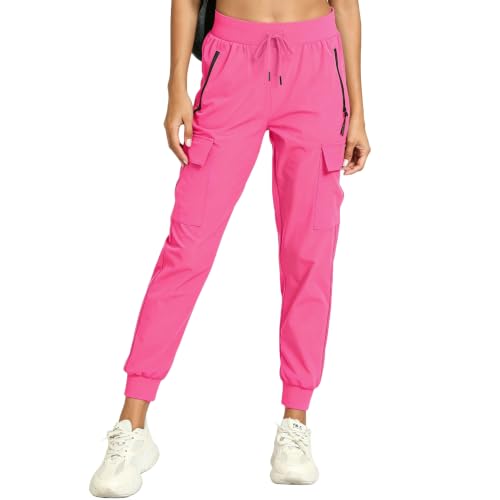
Garments like the Womens Cargo Hiking Pants with Pockets Water highlight the value of water-resistant, quick-drying fabrics built with practical mobility features. An adjustable drawstring waistband and stretchy ankle cuffs provide a customizable fit while creating a physical seal that helps keep insects and loose scree out of footwear. Deep zippered side pockets allow hikers to secure compasses, trail snacks, or map cases without risk of losing items during scrambling sections. The sun-protective treatment integrated into lightweight fabrics also provides prolonged UV shielding across treeless alpine environments.
For casual day hikes, alternatives like the Women’s Joggers Lightweight Cargo Hiking Pants offer breathable mobility with flexible cuffs and cargo storage. These synthetic fabrics resist light moisture from morning dew, shedding droplets before moisture penetrates to the skin. In contrast, traditionalists often prefer rugged cotton-blend options such as the Columbia Men’s Flex ROC Pant,Flax,38W x 32L, providing natural abrasion resistance and comfort with a hint of stretch. While cotton blends are less suited for wet downpours, their durable fabric excels on dry, rocky scrambling routes where sharp granite would tear lightweight synthetics.
When selecting your trail bottoms, you can explore specialized garments such as supportive trail trousers to identify designs built for extended joint comfort and mechanical durability. Pocket placement also plays an operational role during long excursions, as bulky items placed in standard front pockets can restrict high knee lifts. Cargo pockets positioned along the mid-thigh keep heavy essentials secure without impeding natural leg strides. Ensuring your chosen trousers match expected regional precipitation and brush density keeps your legs comfortable and scratch-free from trailhead to summit.
Trail Footwear Selection: Boots, Low-Cut Shoes, and Stream Crossings
Footwear constitutes the single most critical gear decision for any wilderness traveler, as blisters or inadequate traction can derail an excursion within miles. Different trekking routes present completely unique surface demands ranging from slick wet river boulders to dry gravel and loose mud. Hikers must choose between high-top leather boots, low-cut waterproof trail shoes, athletic trail runners, or drainage-focused water shoes based on terrain severity and carried pack weight. Matching shoe construction to trail conditions prevents foot fatigue and reduces slips across technical ground.
Traditional routes with uneven rock and substantial pack loads benefit from sturdy options like the Columbia Men’s Newton Ridge II Waterproof Hiking boot. This model features waterproof full-grain leather construction paired with an internal seam-sealed bootie and durable mesh tongue to keep moisture out while maintaining breathability. The advanced Omni-Grip rubber outsole incorporates multi-terrain dual-zone tread designed to maintain traction across mud, gravel, and slippery winter conditions. High-ankle construction provides mechanical protection against rolling loose stones against ankles and adds torsional rigidity on uneven descents.
Hikers moving faster with lighter packs often favor low-top options like the SHULOOK Men’s Waterproof Hiking Shoes for decreased weight and ankle freedom. A reinforced toe cap shields toes from unexpected impact against tree roots and rocky steps. Multi-directional outsole lugs provide reliable grip on switchbacks, while the cushioned midsole absorbs shocks to decrease fatigue. Similarly, the AiLocshun Men’s Waterproof Hiking Shoes feature full waterproof sealing, a bellows tongue to block trail debris, and a specialized TPU arch-to-heel component that limits excessive foot twisting on uneven paths.
Specialized environments demand alternative footwear strategies that deviate from waterproof leather or sealed membranes. Wet slot canyons and broad river crossings render waterproof membranes counterproductive because water pouring over the ankle collar remains trapped inside. Footwear like the FREE SOLDIER Men’s Water Shoes Quick Dry Sports addresses this issue with high-drainage soles, perforated footbeds, and breathable knit mesh uppers that expel water instantly while drying rapidly on stone. Meanwhile, fastpackers on dry dirt paths often select options like the Kricely Men’s Trail Running Shoes for Hiking, utilizing a wide toe box that lets toes splay naturally alongside a low-drop EVA midsole for agile footwork.
Biomechanical Insole Support: Stabilizing Joints and Managing Foot Pressure
Repetitive impacts over miles of rocky trails place significant stress on the delicate metatarsophalangeal joints, plantar fascia, and heel fat pads. Factory insoles included in many hiking shoes consist of thin stamped foam that compresses flat within a few days of sustained trail use. Upgrading to structured inserts or rigid plates alters foot kinematics by stabilizing the transverse arch and distributing downward pressure evenly across the sole. This biomechanical support proves particularly beneficial when carrying heavy multi-day backpacks across jagged talus.
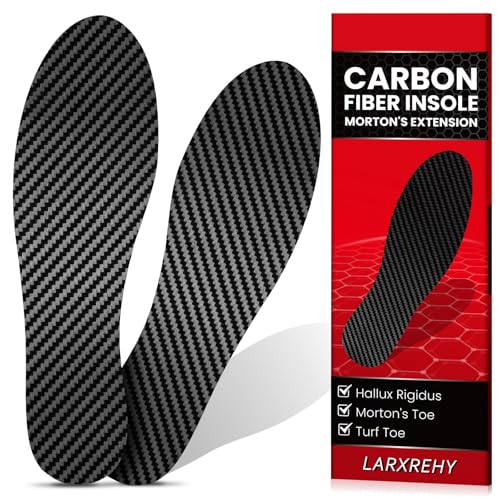
Rigid inserts such as the 1 Pair Carbon Fiber Insole for Men & Women deliver specialized rigidity engineered to limit excessive toe flexion and joint strain. Measuring 1.2 millimeters thick with a flat 180-degree profile, these carbon composite inserts slide beneath your existing removable insole to eliminate unwanted bend. By restricting excessive extension of the big toe, rigid plates help alleviate stress associated with turf toe, hallux rigidus, and foot fracture recovery. The high stiffness of carbon fiber prevents local pressure hot spots caused by sharp rock edges pressing upward through flexible soles.
Installing rigid footbeds requires careful attention to shoe volume to avoid crowding the forefoot. Because carbon inserts do not compress, they should be sized approximately one-quarter to one-half inch shorter than the standard shoe insole to sit flat against the midsole bottom. Placing a cushioned foam footbed directly on top of the rigid plate ensures the foot enjoys soft skin contact while benefiting from rigid torsional stability beneath. Hikers managing joint discomfort find that this combination transforms flexible trail sneakers into stable trekking platforms without the bulk of heavy mountaineering boots.
Even hikers without pre-existing joint conditions benefit from the torsional support provided by composite insoles on steep mountain ascents. When climbing sustained inclines on the balls of your feet, calf muscles and Achilles tendons work continuously to support body weight. A stiff carbon fiber plate acts as a lever that transfers kinetic force directly through the shoe, reducing calf fatigue during all-day vertical climbs. Combining structured insoles with ergonomic footwear ensures your feet retain stability across challenging backcountry miles.
Upper Body Layering: Climate Control and Moisture Management
Regulating core temperature in mountain environments requires a dynamic three-part layering system consisting of base layers, insulating garments, and protective outer shells. Wearing a single thick jacket often leads to overheating and excessive perspiration during uphill climbs, which subsequently chills the body when stopping at windy passes. A modular approach allows hikers to shed or add individual layers as exertion levels and ambient temperatures fluctuate throughout the day.
Base layers sit directly against the skin and carry the vital responsibility of wicking liquid sweat outward before it cools. Synthetic polyester, polypropylene, and fine merino wool are ideal materials because their fibers do not absorb moisture within the cellular core. In contrast, regular cotton t-shirts absorb significant amounts of water, remaining cold and clammy against the torso. Selecting long-sleeve synthetic tops equipped with high UPF ratings also eliminates the need for greasy sunscreens while shielding forearms from scratchy branches.
The mid-layer functions as thermal insulation by trapping warm air generated by your body within its fibrous matrix. Lightweight grid fleeces, breathable synthetic puffers, or compact down sweaters provide dependable warmth-to-weight ratios for trail travel. When browsing complementary clothing options, reviewing durable trail apparel can help coordinate full-body protection suited for chilly morning departures. Fleeces excel during active exertion in cool weather because they allow moisture vapor to escape, whereas wind-resistant down jackets serve best during stationary rest breaks or camp chores.
Outer shells provide the ultimate weather barrier against torrential rains, biting alpine winds, and freezing sleet. High-performance rain jackets utilize microporous waterproof membranes paired with sealed seams to block driving moisture while permitting trapped body heat to vent outward. Key features to look for include adjustable storm hoods that fit snugly around the face, pit zips that allow mechanical venting on steep ascents, and hook-and-loop cuffs that seal out blowing precipitation. Layering your shell directly over a dry mid-layer keeps wind chill from draining vital body heat.
Weather Adaptations: Managing Heat, Humidity, and Alpine Cold
Trekkers frequently encounter multiple climate zones within a single day as trails climb from humid valley forests to exposed alpine tundra. Preparing for high-heat conditions requires prioritizing ventilation, sun protection, and loose-fitting silhouettes that facilitate convective airflow. Broad-brimmed sun hats, lightweight neck gaiters, and sunglasses with ultraviolet filtering are essential accessories that prevent solar glare fatigue and painful sunburns. Light-colored fabrics reflect solar radiation effectively, keeping skin temperatures lower than dark black or navy garments.
In rainy and humid climates, staying completely dry from both rain and sweat becomes a balancing act that requires smart garment management. Hikers moving vigorously uphill in rain gear often end up soaked from internal perspiration if they keep every zipper fully closed. Opening underarm vents and loosening wrist cuffs helps equalize humidity levels between the inside and outside of the shell. Pairing water-resistant pants with breathable low-cut trail shoes allows feet to shed moisture faster than heavy leather footwear once rain showers pass.
Cold alpine environments demand proactive management of sweat before dampness leads to hypothermia in sub-freezing winds. The golden rule of winter trekking is to start your hike slightly chilly, knowing that metabolic heat generation will warm your core within ten minutes of movement. If you feel perspiration forming on your forehead or back, slow your pace or shed an insulating layer immediately. Carrying a dry spare base layer in a sealed dry bag ensures you have warm clothing to change into if your primary shirt becomes damp during an arduous ascent.
Building an Integrated System: Practical Pre-Trail Preparation
Creating the ideal trail outfit requires assembling all your clothing pieces into a cohesive system that aligns with your specific route profile. Beginners often make the mistake of testing new boots, rigid insoles, and unwashed hiking pants simultaneously on long wilderness trips, resulting in painful chafing and blister formation. Completing a short local walk with your planned pack weight allows you to identify friction hot spots and confirm that your socks, insoles, and shoes interface smoothly before remote travel.
Socks deserve special consideration as the critical interface between skin and footwear. Double-layered synthetic socks or merino wool blends with targeted arch cushioning reduce shear friction against the heel and prevent blister formation. Avoid thin dress socks or coarse cotton athletic socks that bunch up in the toe box or retain dampness. Checking that your pants cuffs sit comfortably over your sock tops also prevents trail debris from filtering into your footwear.
Every item you wear into the mountains should earn its place by offering reliable durability, climate versatility, and functional protection. By combining quick-drying pants, high-traction footwear, biomechanically supportive insoles, and a modular upper layering system, you create a dependable kit prepared for backcountry challenges. Thoughtful garment planning removes discomfort from the equation, allowing you to focus completely on the trail ahead and enjoy the wilderness safely.






Write Your Review
No reviews yet. Be the first to share your experience!