


Stepping onto an exposed mountain trail often begins under pleasant morning sunshine, but shifting ridgeline winds and steep elevation gains quickly test your layering choices. Deciding what to wear on a hiking trail requires understanding how technical fabrics regulate core body temperature while transporting moisture away from the skin. Sweating heavily into non-breathable garments can lead to severe post-ascent chilling once you stop moving, while abrasive seams can cause painful friction over long miles. Selecting purpose-built trail garments, such as breathable lightweight hiking pants and moisture-wicking shirts, establishes a reliable protective barrier against the elements.
A practical outdoor clothing system coordinates next-to-skin base layers, insulating mid-layers, and weather-resistant outer shells into a modular system. Synthetic fibers and natural merino wool provide active moisture management, whereas wet cotton fibers trap perspiration and significantly increase hypothermia risks. Footwear choices also play an integral role in trail security, ensuring that foot support and lugged traction match the terrain underfoot. By planning your wardrobe around predictable environmental demands and proper textile performance, you can maintain trail comfort across varying elevations and unpredictable weather shifts.

Pros
- Advanced traction rubber outsole provides reliable grip on wet or uneven terrain
- Manageable 14.98 oz single shoe weight minimizes leg fatigue on long day hikes
- Waterproof suede leather build keeps feet protected in damp outdoor environments
- Cushioned EVA insole and supportive midsole soften impact on rocky trails
- Integrated mesh tongue assists with airflow during strenuous hiking
Cons
- Slightly firm sole feel may be stiffer than expected for hikers preferring plush trail-runner cushioning
- Hikers wanting a roomy toe splay may need to choose the wide toe box variant over this standard profile
- Specific waterproof membrane specifications and prolonged submersion limits are not provided
The NORTIV 8 Women's Waterproof Hiking Boots are designed for day hikers, weekend backpackers, and outdoor enthusiasts seeking protective, budget-friendly footwear for trail use. Listed in women's size 8.5 with an eye-catching black and pink colorway, these mid-cut trekking boots combine waterproof suede leather uppers with an ankle-height structure to balance weather resistance and trail stability.
For trail performance on varied ground, the boot relies on an advanced traction rubber outsole built for slip resistance on uneven, muddy, or rocky terrain. Weighing 14.98 ounces for a single shoe, the design keeps foot weight relatively low compared to traditional heavy backpacking boots, which helps reduce overall fatigue during high-mileage day hikes. The slightly firm sole profile delivers essential underfoot protection against sharp stones and roots without unnecessary bulk.
Construction features include a durable suede leather exterior that shields feet against trail debris, complemented by a breathable mesh tongue that facilitates ventilation during warm hikes. Underfoot, a lightweight midsole works alongside an EVA insole to provide all-day cushioning and shock absorption. The boot blends functional durability with a feminine outdoor style through soft suede textures and contrasting color panels.
In terms of fit and adjustment, this standard size 8.5 model features traditional lace-up hardware to secure the ankle and midfoot. For hikers who prefer extra forefoot volume or plan to wear thicker wool socks on backpacking trips, the manufacturer suggests considering the wide toe box version. Routine trail care involves brushing dried dirt from the suede surface and letting damp boots air dry away from direct heat sources.
Realistic limitations should be kept in mind before purchase. The slightly firm sole is designed primarily for stability and rock protection, which may feel rigid to hikers who prefer the flexible, plush cushioning of trail-running shoes. Furthermore, while the boots feature waterproof construction, deep water crossings or continuous heavy downpours can still test exterior materials over time.
For women seeking a dependable, cost-effective boot for state park day hikes, rugged weekend backpacking, or general camping, the NORTIV 8 Waterproof Hiking Boots offer practical performance. With reliable rubber traction, supportive EVA cushioning, and weather-resistant suede, they represent a solid entry-level choice for hitting the trail with confidence.
Finding the right fit in hiking footwear is essential for avoiding trail discomfort. This NORTIV 8 model comes in women's size 8.5 with a standard profile designed to secure the heel and midfoot. For hikers who prefer additional room for toe splay or thicker wool backpacking socks, the manufacturer recommends opting for the wide toe box version.
Standard lacing across the midfoot and ankle shaft allows users to customize tension depending on whether they are climbing uphill or descending steep terrain. Trying boots on with your preferred trail socks helps confirm adequate room in the front without heel slippage.
Underfoot stability on rugged trails depends heavily on outsole compound and tread design. NORTIV 8 equips this boot with an advanced traction rubber outsole engineered to resist slipping on loose dirt, gravel, and wet rock surfaces during backcountry trekking.
The slightly firm sole profile acts as a protective barrier against sharp stones and trail roots, preventing foot bruising under a loaded pack. Inside, an EVA insole paired with a lightweight midsole adds essential shock absorption to cushion recurring trail impact.
The upper is built from waterproof suede leather paired with an ankle boot structure to provide ankle support and barrier protection against wet brush and damp trail conditions. Suede offers natural abrasion resistance against light scrapes from rocks and trailside branches.
To maintain internal airflow, a durable mesh tongue is integrated into the lacing area to vent heat and moisture vapor during exertion. Proper maintenance includes brushing off dried mud and applying suede-safe waterproofing treatments periodically to preserve leather quality over multiple hiking seasons.
Essential Trail Wardrobe and Layering Systems for Hikers
Planning what to wear on a hiking trail comes down to building a modular clothing system capable of adapting to shifting weather, body heat, and rugged trail obstacles. Rather than wearing a single heavy garment, successful hikers rely on coordinated layers that handle moisture, regulate body warmth, and shield against wind or precipitation. Every piece in your trail wardrobe must serve a functional purpose, from moisture management directly against your skin to exterior abrasion resistance against rock and brush. Selecting appropriate trail apparel keeps you comfortable, minimizes fatigue, and prevents serious wilderness safety hazards like hypothermia and heat exhaustion.
The Three-Part Layering Principle for Active Temperature Regulation
The three-part layering system forms the foundation of modern outdoor apparel design and active thermal comfort. This framework divides your clothing into a moisture-wicking base layer, an insulating mid-layer, and a weather-resistant outer shell. Each specific layer performs a distinct mechanical job, allowing hikers to adapt their personal microclimate as elevation changes and exertion rates shift. By adjusting these pieces individually, you can vent excess heat before sweat accumulates or trap warmth quickly when icy winds sweep across an exposed summit.
Perspiration accumulation represents the most significant threat to thermal stability while navigating challenging mountain paths. When ascending steep switchbacks under pack weight, your body generates considerable metabolic heat and moisture that must escape outward. If trapped moisture saturates your clothing, conductive heat transfer accelerates dramatically once you pause to rest, cooling your body up to twenty-five times faster than dry air. A properly functioning layering system channels sweat vapor away from your core continuously, maintaining an insulating buffer of warm, dry air near the skin.
Base Layer Selection: Merino Wool versus Synthetic Polyesters
Next-to-skin base layers are responsible for moisture management, pulling perspiration away from your pores via capillary action. Synthetic fabrics, predominantly polyester and nylon blends, excel at rapid moisture transport and quick drying times. These hydrophobic fibers absorb very little liquid water into their chemical structure, allowing perspiration to spread across a large exterior surface area for rapid evaporation. Hikers tackling high-output summer trails often favor ultralight synthetic tops because they dry swiftly during brief trail rests.
Natural merino wool presents a compelling alternative, particularly for variable mountain conditions and multi-day wilderness backpacking trips. Merino fibers possess a complex cellular structure that can absorb moisture vapor into their inner core while keeping the outer surface dry against the skin. This unique hygroscopic property allows merino wool to maintain thermal insulation even when moderately damp from strenuous exertion. Additionally, the natural lanolin and microscopic fiber texture discourage bacterial growth, providing impressive odor resistance over consecutive days of backcountry travel without laundering.
Traditional cotton garments must be strictly avoided when assembling your primary base layers for mountain trails. Cotton fibers are hydrophilic, absorbing up to twenty-seven times their dry weight in moisture and retaining that water tenaciously. As sweat-soaked cotton clings to your torso, it collapses dead air spaces and rapidly drains core body heat in brisk summit winds. Experienced backpackers frequently caution that wet cotton accelerates hypothermia risks, making synthetic polyester or pure merino wool the standard baseline for trail safety.
Active Mid-Layers and Static Insulation for Shifting Climates
The mid-layer functions as your primary thermal insulator, trapping warm air generated by your body within its fibrous structure. Active insulation garments, such as grid fleeces and air-permeable synthetic jackets, are engineered specifically to provide breathability during continuous physical output. Classic fleece constructions feature open-weave channels that allow excess heat and moisture vapor to vent freely while still shielding your chest from ambient chill. This balanced breathability prevents the stifling clamminess often experienced when wearing windproof mid-layers during uphill climbs.
Static insulation layers, including lightweight packable down jackets and high-loft synthetic puffy coats, fulfill a distinct purpose during stationary trail periods. These garments offer superior warmth-to-weight ratios and pack down compactly inside a backpack until required at cold viewpoints or evening campsites. Down clusters provide unmatched compressibility and loft efficiency, though they lose insulating capability if saturated by persistent rain or internal sweat. High-loft synthetic fills retain loft and thermal resistance in humid climates, serving as a dependable option for wet shoulder-season adventures.
Outer Weather Shells: Rain Jackets and Wind Protection
Outer shells act as a defensive barrier against torrential rain, abrasive brush, driving snow, and piercing ridge winds. Technical rain jackets utilize waterproof-breathable membranes configured in two-point-five or three-layer laminates to block external water droplets while allowing microscopic sweat vapor to pass through. These garments feature sealed, fully taped seams along with factory-applied durable water repellent coatings on the outer face fabric. A functional water-resistant finish prevents the exterior textile weave from becoming waterlogged, ensuring that internal breathability remains uncompromised during prolonged rainfall.
Mechanical ventilation features are essential on technical waterproof shells to prevent internal condensation during high-output trekking. Underarm pit zips and mesh-backed core pockets allow hikers to dump massive amounts of humid air rapidly without removing their outer storm protection. In dry, windy environments without rain, ultralight wind shells constructed from tightly woven nylon often prove more comfortable than full waterproof hardshells. These windbreakers weigh only a few ounces, resist chilling gusts, and provide significantly higher air permeability to prevent overheating on exposed alpine ridges.
Trail Bottoms: Evaluating Hiking Pants, Shorts, and Leggings
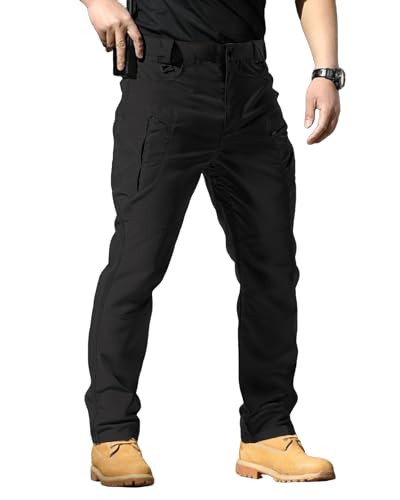
Selecting the right bottoms requires balancing range of motion, skin protection, and breathability across varied trail conditions. Purpose-built hiking pants made from woven nylon blends provide exceptional tear resistance against rough granite outcrops, thorny brambles, and biting trail insects. Integrating a modest percentage of elastane or spandex into the textile weave ensures flexible trail mobility during high-step boulder scrambles. For hikers prioritizing comfort on rugged routes, investing in durable flexible trail pants offers dependable protection against trail debris while facilitating unhindered strides.
Ergonomic tailoring features such as gusseted crotches and pre-curved articulated knees prevent restrictive binding along steep mountain paths. Hikers navigating steep ascents or dealing with joint fatigue can benefit from specialized hiking pants with supportive knee articulation designed to maintain fabric alignment without tugging uncomfortably across the kneecap. While some hikers prefer lightweight trail shorts or athletic gym tights in hot weather, unreinforced knit leggings can easily snag on sharp branches. Dedicated hiking bottoms also feature low-profile, flat waistbands that sit flush beneath a loaded backpack hip belt to prevent painful friction blisters.
Trail Footwear and Sock Engineering for Blister Prevention
Footwear forms the critical interface between your body and the unpredictable trail surface, demanding reliable traction and structural support. A supportive hiking boot, such as the NORTIV 8 Women’s Waterproof Hiking Boots, incorporates a suede leather and ankle boot structure to provide joint stability over loose scree and rocky pathways. The durable mesh tongue delivers essential breathability, while the lightweight midsole and EVA insole enhance underfoot cushioning across demanding day hikes. Advanced traction rubber soles with multidirectional lugs supply dependable slip resistance, and models offering a wide toe box option allow natural toe splay to reduce pressure points on prolonged descents. Weighing around 14.98 ounces per single shoe, this footwear design balances durable exterior foot protection with comfortable trail mobility.
Technical hiking socks are equally vital in preventing friction hot spots, painful blisters, and moisture build-up inside your footwear. High-density merino wool trail socks blend natural cushioning with synthetic nylon reinforcement to provide durability at high-wear heel and toe zones. Merino wool absorbs sweat vapor while preserving cushioning resilience under the balls of your feet, preventing the fabric compaction typical of ordinary athletic socks. Choosing socks with seamless toe closures and targeted elastic arch support ensures a secure, wrinkle-free fit that resists slippage inside technical hiking footwear.
Sun Defense and Trail Accessories for High-Exposure Routes
Sun protection becomes increasingly critical as elevation increases, where atmospheric thinning amplifies ultraviolet radiation intensity. Long-sleeve trail shirts and technical sun hoodies crafted from lightweight synthetic weaves provide consistent barrier protection against intense solar rays. A generous crossover hood shields your neck and ears from reflective alpine glare without requiring sticky chemical sunscreen applications. Integrated thumb loops secure sleeve cuffs over the backs of your hands, preventing painful sunburns during high-altitude scrambles across exposed talus fields.
Technical accessories complete your trail kit by sealing vulnerable exposure gaps around your face, neck, and hands. A wide-brimmed hiking hat or a dark-underbrim trail cap reduces eye strain and shades delicate facial skin during long desert miles. Lightweight microfiber neck gaiters can be adjusted quickly to guard against windblown trail dust, intense solar reflection, or biting morning chills. Stashing a pair of breathable sun gloves in your hip-belt pocket also protects your hands from UV exposure and trekking pole strap friction over extended distances.
Navigating Shoulder-Season Chills and Sudden Wet Weather
Shoulder-season hiking introduces erratic weather shifts, where warm afternoon sunshine can deteriorate rapidly into cold rain, sleet, or freezing winds. Cold-rain scenarios hovering around forty degrees Fahrenheit present the most hazardous conditions for outdoors enthusiasts, as wet clothing rapidly accelerates hypothermia risk. Carrying an emergency insulated layer and a seam-taped waterproof jacket is non-negotiable, even on short mountain excursions with clear starting forecasts. Hikers should practice proactive layer management, deliberately shedding warm mid-layers before initiating steep ascents to prevent internal sweating that compromises warmth later.
Understanding your individual metabolic sweat rate allows you to make timely adjustments to your clothing configuration before discomfort sets in. If you sense cold drafts penetrating damp base layers during exposed ridge traverses, donning a lightweight wind shell immediately restores warmth without trapping sweat. Conversely, pausing to vent underarm zips or loosen cuff closures at the first sign of overheating keeps face fabrics dry and functional. Remaining mindful of subtle microclimate shifts ensures your technical wardrobe functions as an adaptable shield against changing mountain environments.
Essential Technical Apparel Laundering and Garment Care
Maintaining technical hiking apparel requires specialized washing protocols to preserve membrane breathability and textile water repellency. Standard household detergents contain optical brighteners, fragrances, and surfactants that leave hydrophilic residues on technical synthetic yarns. These chemical residues attract water droplets to the outer fabric face, leading to premature wetting out and severe condensation inside waterproof rain jackets. Cleaning your technical outerwear with specialized liquid gear washes effectively removes body oils and trail grime without degrading factory durable water repellent finishes.
Reactivating worn water repellency on rain jackets involves laundering the garment properly, followed by low-heat tumble drying if recommended by the manufacturer. Controlled warmth relaxes and realigns the fluoropolymer chains on the outer textile surface, restoring optimal surface tension that causes water to bead cleanly. Merino wool base layers require gentle, low-temperature washing cycles using wool-safe detergents, avoiding bleach or fabric softeners that damage natural keratin fibers. Laying wool pieces flat to dry preserves structural elasticity and prevents premature garment shrinkage over seasons of heavy trail use.
Equipping yourself appropriately for a day on the trail ultimately balances terrain demands, atmospheric conditions, and physical exertion rates. Before leaving the trailhead, verifying that your garments accommodate flexible movement, wick sweat efficiently, and shield against sudden weather shifts ensures a comfortable, chafe-free backcountry experience. Checking that boots are securely laced, socks fit smoothly without bunches, and foul-weather storm shells sit readily accessible at the top of your pack guarantees trail readiness. With a dependable, thoughtfully coordinated apparel system in place, you can confidently navigate shifting elevations and focus on the natural beauty of the open trail.



Write Your Review
No reviews yet. Be the first to share your experience!