


Navigating mountain trails during the shoulder season requires balancing cold morning starts against high-output climbs under direct sunlight. Muddy paths, sudden wind gusts, and lingering snowmelt often turn an easy outing into an uncomfortable slog if you pack the wrong garments. Figuring out %what to wear spring hiking% comes down to assembling an adaptable layering system that handles perspiration before it chills your skin. Choosing synthetic or wool fibers over water-retentive cotton ensures that your body regulates temperature smoothly throughout the day. Investing in reliable lightweight hiking pants and moisture-wicking shirts keeps you comfortable across changing elevations.
Spring weather changes rapidly, so relying on a single heavy jacket often leads to overheating on steep switchbacks and shivering during ridge breaks. A modular clothing system lets you peel off or add garments as your heart rate and environmental conditions shift. Focusing on fast-drying base layers, flexible mid-layers, and cushioned trail socks will protect your skin from friction while preventing hypothermia hazards. The following trail apparel options provide the stretch, moisture transport, and insulation needed to tackle unpredictable early-season adventures with total confidence.


Building the Ultimate Spring Trail Layering System
Dressing for early season hiking presents unique challenges because temperatures and trail conditions swing dramatically between dawn and midday. Hikers frequently step onto frozen or muddy ground at 8:00 AM, only to face warm sun and humid climbs two hours later. Solving the riddle of %what to wear spring hiking% requires setting aside heavy winter parkas in favor of a flexible, three-part layering strategy. When you build an adaptable clothing system, you stay comfortable through fluctuating wind, damp air, and steep elevation gains without having to halt your stride constantly.
Why Spring Weather Demands a Modular Layering Strategy
Spring trails present unpredictable environments where shaded canyons remain chilly while exposed ridges receive intense solar radiation. If you hike in a single bulky garment, your body quickly generates excess heat on steep ascents, causing heavy perspiration. Once you pause at an overlook, that trapped sweat cools rapidly against your skin, triggering shivering and increasing your risk of hypothermia. A modular clothing system solves this dilemma by allowing you to add or remove individual pieces as your physical output and external temperatures fluctuate. You should always aim to start your hike feeling slightly cool, knowing your exertion will warm you up within ten minutes.
Adjusting garments before you become drenched in sweat is the golden rule of spring temperature regulation. Shedding a light jacket as soon as you notice your heart rate climbing prevents internal moisture buildup. Conversely, pulling an insulating mid-layer from your pack the moment you stop for water keeps your core temperature stable. This proactive routine preserves energy that your body would otherwise spend trying to warm up chilled, damp skin.
Next-to-Skin Base Layers: Moisture Management and Fiber Selection
The foundation of every successful spring hiking outfit begins directly against your skin with a high-performance base layer. Synthetic fibers like polyester and polyamide excel in this role because their hydrophobic properties actively resist absorbing water. Instead of soaking up sweat, technical knits use capillary action to pull moisture outward to the surface where it evaporates rapidly into the air. Garments such as the 5 Pack Women’s Dry Fit Slit Hem Workout Tops T highlight how smooth performance knits with spandex deliver both rapid drying speed and four-way stretch. The split-hem design on these athletic crew-neck tops also prevents fabric from bunching over waistbands when moving uphill.
Avoiding cotton base layers is essential when planning any spring excursion into backcountry terrain. Cotton fibers hold onto water up to twenty-seven times their weight, losing all insulating capacity the moment they become damp. A sweat-soaked cotton shirt draws heat away from your torso roughly twenty-five times faster than air, creating a dangerous chilling effect even in mild fifty-degree weather. Choosing a dedicated synthetic dry-fit tee or lightweight merino wool top ensures that your core remains dry and warm regardless of your exertion level.
Active Mid-Layers: Regulating Warmth on High-Output Climbs
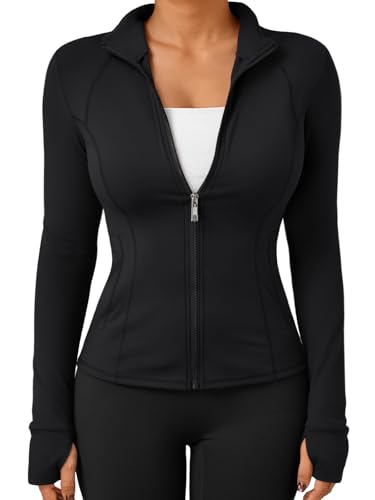
An effective spring mid-layer must strike a delicate balance between trapping warm air and venting excess body heat. Lightweight athletic jackets constructed with synthetic blends offer the breathability needed to sustain steep switchbacks without overheating. For example, the Trendy Queen Women’s Zip Up Lightweight Jackets uses a blend of 75 percent polyamide and 25 percent spandex to provide skin-friendly comfort and uninhibited four-way stretch. Its full-length front zipper acts as an instant mechanical vent, letting you dump heat at the collar without stopping to remove your backpack.
Integrated functional details like thumbholes and zippered pockets add immense practical value to an active mid-layer. Thumbholes hold your sleeves securely in place under outer shells while keeping the backs of your hands warm during brisk morning starts. Front zippered pockets provide a secure spot to store trail essentials like lip balm, a compass, or energy snacks within easy reach. Having an adaptable zippered jacket bridges the thermal gap between a short-sleeve base layer and a heavier insulating pullover.
Static Insulation: Cozy Pullovers for Rest Breaks and Camp
While lightweight zip-ups manage body heat during active movement, stationary breaks on breezy summits call for cozier, thermal layers. When your heart rate slows down, your body stops generating intense heat, making you vulnerable to rapid cooling from spring winds. Relaxed crew-neck pullovers made from soft synthetic fabrics provide lofted insulation that traps warm air around your torso. Options like the Winter Clothing for Women Long Sleeve Shirts Fall from Dofaoo transition seamlessly between crisp trail mornings and cool evening descents with their curved-hem tunics.
Similarly, the OFEEFAN Sweatshirt For Women Long Sleeve Tops features a 90 percent polyester and 10 percent spandex knit designed for velvety softness and gentle warmth. Its high-low side split design drapes smoothly over hips and base layers without constricting movement during casual meadow strolls or stationary breaks. Stashing a comfortable pullover inside your pack ensures you have dedicated static insulation ready whenever you pause for lunch. These cozy tops also serve as warm sleepwear or reliable post-hike travel layers when you return to your vehicle.
Selecting Trail Bottoms: Leggings Versus Dedicated Hiking Pants
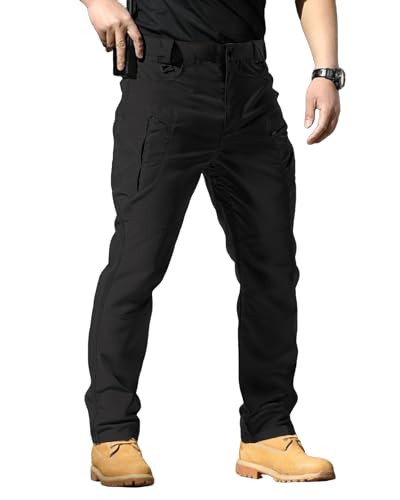
Choosing the right bottoms for spring depends heavily on trail conditions, ambient moisture, and the terrain you plan to explore. Many hikers enjoy the flexibility and close-fitting comfort of athletic leggings, especially when paired with long-hem tunics. However, standard workout tights often lack the abrasion resistance needed to push through thorny brush or scramble across rough granite boulders. When facing overgrown brush or rough rock faces, rugged trail pants for rugged terrain offer superior tear protection and barrier security against early-season ticks.
Water-resistant finishes and articulated knees make technical pants an indispensable asset on muddy trails. If you choose to hike in leggings, look for dense synthetic weaves that resist snags and dry quickly after brushing against wet trailside foliage. Alternatively, choosing flexible hiking bottoms with built-in elastane stretch provides the freedom of movement you want while repelling splashback from puddles. Ensure that your chosen bottoms feature a flat waistband that sits comfortably beneath your backpack hip belt without pinching or chafing your hips.
Footwear and Socks: Protecting Feet from Mud, Chill, and Blisters
Spring trails are notorious for standing water, melting snow drifts, and saturated mud, making foot protection a primary concern. Wearing low-quality cotton athletic socks inside trail runners or boots almost guarantees painful friction blisters before you finish your route. Thick merino wool hiking socks provide the natural moisture absorption and thermal regulation needed to keep your feet comfortable in damp environments. Knitted models such as the SIMIYA 5 Pairs Merino Wool Socks Thick Hiking Crew offer targeted cushioning that softens foot pressure against rocky paths.
Merino wool fibers excel in spring conditions because they absorb moisture internally while remaining dry to the touch on their exterior surface. This unique fiber crimp buffers temperature swings, keeping your toes warm during cold stream crossings and cool during sunny afternoon miles. The natural antimicrobial properties of wool also resist odor buildup over long hiking hours, keeping your footwear fresh. Packing a spare pair of dry merino crew socks inside a ziplock bag ensures you can swap into fresh comfort if you encounter an unexpected stream dunk.
Weather Shells: Defending Against Early Season Rain and Wind
No spring clothing kit is truly complete without a reliable weather shell stowed at the top of your pack. Spring rain squalls arrive quickly and are frequently accompanied by biting winds that can strip warmth from unprepared hikers. A lightweight, breathable waterproof jacket acts as your personal shield, preventing external water from saturating your insulating mid-layers. Look for shells with fully taped seams and adjustable hoods that fit comfortably over trail hats without obstructing peripheral vision.
Managing internal condensation is just as important as blocking outside rain when hiking in a technical shell. If your rain jacket lacks mechanical venting like underarm pit zips, perspiration can become trapped against the inner fabric, soaking your clothes from the inside out. When climbing steep grades in wet weather, crack your jacket zipper slightly to allow airflow while keeping rain off your shoulders. Balancing outer shell protection with active moisture transfer ensures that you stay dry from both rain and sweat.
Essential Trail Accessories and Inspiring Young Explorers
Technical accessories provide an easy way to fine-tune your comfort without constantly stopping to change large garments. A lightweight beanie or technical headband prevents heat loss from your ears during chilly morning ascents and packs down to pocket size. Lightweight gloves and a breathable neck gaiter shield vulnerable extremities from wind chill when crossing exposed ridgelines. When hiking with family or introducing younger children to nature, building enthusiasm is just as important as selecting proper clothing. Engaging picture books like Do Princesses Wear Hiking Boots? published by Globe Pequot Press offer a delightful way to inspire kids and teach them that anyone can conquer the trail with the right footwear and attitude.
Common Spring Dressing Pitfalls and How to Prevent Them
One of the most frequent errors made on spring trails is starting out wearing too many heavy layers at the trailhead. Chilly morning air often tempts hikers to bundle up, but walking uphill rapidly raises core body temperature within a few hundred yards. Hikers who fail to shed layers early end up soaking their shirts with sweat, leading to severe chills the moment they stop to rest. Force yourself to start out feeling slightly cool, and keep your mid-layer packed until you pause for a break.
Another dangerous mistake is underestimating how quickly spring weather can change at higher elevations. A sunny sixty-degree day at the valley floor can turn into a windy, forty-degree rain shower near the summit. Leaving your weather shell or warm fleece behind because the parking lot feels warm is an invitation to hypothermia. Always carry an extra dry insulating layer and a weather-resistant shell in your pack, even on short local day hikes.
Pre-Hike Mobility and Layering Checks at the Trailhead
Taking two minutes to test your clothing configuration before leaving the trailhead will save you from painful discomfort miles down the path. Perform a deep squat and a few high steps to verify that your leggings or hiking pants move freely without binding at the knees. Adjust your backpack shoulder straps and hip belt to ensure that shirt seams and waistbands do not pinch or bunch under heavy pressure. Finally, double-check that your rain shell and extra socks remain easily accessible near the top of your pack for fast deployment when conditions shift.


Write Your Review
No reviews yet. Be the first to share your experience!