


Steep switchbacks, sudden temperature drops, and unexpected alpine cloudbursts test a hiker’s endurance long before reaching the mountain summit. Selecting appropriate technical apparel transforms unpredictable wilderness outings into safe, comfortable backcountry adventures from start to finish. Understanding what to wear while trekking requires balancing active moisture management, core thermoregulation, and durable weather defense across fluctuating elevations. Hikers often consult a carry-on backpack sizing guide to ensure their travel packs can stow essential extra clothing layers without adding excessive bulk.
Every technical garment on the trail serves as an active barrier against saturation, abrasive rock scrambles, biting wind chill, and intense ultraviolet radiation. Poor outdoor clothing choices trap perspiration against your skin, saturate fabrics, and accelerate dangerous hypothermia risks once physical exertion slows on exposed mountain passes. Pairing articulated trail mobility hiking pants with dependable waterproof footwear protects your joints, lower limbs, and core temperature during challenging high-mileage days. Dialing in your complete wardrobe before stepping onto the trailhead guarantees lasting trail safety, personal comfort, and physical endurance across demanding backcountry routes.

Pros
- Lightweight 10.7 oz profile reduces leg strain compared to heavy leather boots
- Built-in waterproof sock construction shields feet from wet grass, mud, and light rain
- Cushioned EVA midsole absorbs impacts from repetitive foot strikes on hard trails
- Durable rubber outsole delivers slip-resistant grip on varied surfaces
- Leather and mesh combination balances upper durability with breathability
Cons
- Low-cut ankle design does not offer the lateral support of mid or high-top backpacking boots
- Waterproof inner membrane may run warm during high-temperature summer outings
- Not intended for heavy-pack mountaineering or severe off-trail technical routes
The OUTJET Women's Waterproof Hiking Shoes are low-cut trail shoes tailored for day hiking, light backpacking, walking, camping, and outdoor travel. Geared toward women who prioritize agility and reduced foot fatigue over the stiff structure of conventional boots, these shoes serve recreational trail walkers, weekend campers, and budget-conscious outdoor enthusiasts.
Weight management is a critical factor during long trail days, and each shoe weighs approximately 10.7 ounces. Underfoot, a thickened EVA midsole delivers shock absorption against repetitive ground strikes, helping buffer the feet when crossing hard-packed dirt, gravel paths, and moderate trail ascents. The low-profile build encourages natural ankle mobility without adding unnecessary bulk to your stride.
The upper combines leather overlays with breathable mesh sections to preserve airflow while maintaining structural durability. For moisture protection, the shoe incorporates an integrated waterproof sock layer designed to block water ingress from damp grass, trail puddles, and light rain. The mesh outer panels support moisture vapor release to help regulate internal shoe temperatures during moderate weather.
Underneath, the shoe features an advanced rubber sole engineered for anti-slip performance and extended wear life. The textured tread pattern bites into loose dirt, damp soil, and slick rocky surfaces, giving hikers stable footing on rolling trails and around camp. Traditional front lacing allows hikers to quickly adjust fit tension across the bridge of the foot to suit various sock thicknesses.
While well-suited for established trails and casual outdoor recreation, the low-cut silhouette naturally provides less ankle stability than tall backpacking boots when traversing off-camber scree or hauling heavy expedition gear. Additionally, like most waterproof footwear, the internal membrane retains more warmth on hot summer afternoons than unlined mesh trail runners.
For day hikers, campers, and travelers seeking an approachable, lightweight shoe with out-of-the-box cushioning and dependable weather protection, the OUTJET Women's Waterproof Hiking Shoes offer practical value. They are an accessible choice for local trails, park paths, and light weekend excursions where comfort and moisture resistance matter most.
Traction relies on an advanced rubber compound with an aggressive anti-slip tread pattern designed to grip loose dirt, packed soil, wet rock, and uneven campsite terrain. The grooved outsole pattern assists with slip resistance during both uphill climbs and downhill descents on moderate trails.
Underfoot cushioning is powered by a thickened EVA midsole that absorbs repetitive ground impact. This layer helps protect joints and sensitive footbeds from stone bruising on rocky trails while keeping the total shoe weight down to approximately 10.7 ounces.
Weather resistance is achieved through an internal waterproof sock lining that creates a moisture barrier against external dampness. Paired with a leather and breathable mesh exterior, the upper keeps out morning dew, splashing water, and shallow puddles while facilitating ventilation through the mesh areas.
The low-cut collar allows standard ankle freedom for fast-paced walking and day hiking. A dependable lace-up system enables wearers to customize fit pressure across the instep, ensuring a secure heel seat and adequate room in the toe box for varying sock profiles.

Pros
- Advanced traction rubber outsole provides reliable grip on wet or uneven terrain
- Manageable 14.98 oz single shoe weight minimizes leg fatigue on long day hikes
- Waterproof suede leather build keeps feet protected in damp outdoor environments
- Cushioned EVA insole and supportive midsole soften impact on rocky trails
- Integrated mesh tongue assists with airflow during strenuous hiking
Cons
- Slightly firm sole feel may be stiffer than expected for hikers preferring plush trail-runner cushioning
- Hikers wanting a roomy toe splay may need to choose the wide toe box variant over this standard profile
- Specific waterproof membrane specifications and prolonged submersion limits are not provided
The NORTIV 8 Women's Waterproof Hiking Boots are designed for day hikers, weekend backpackers, and outdoor enthusiasts seeking protective, budget-friendly footwear for trail use. Listed in women's size 8.5 with an eye-catching black and pink colorway, these mid-cut trekking boots combine waterproof suede leather uppers with an ankle-height structure to balance weather resistance and trail stability.
For trail performance on varied ground, the boot relies on an advanced traction rubber outsole built for slip resistance on uneven, muddy, or rocky terrain. Weighing 14.98 ounces for a single shoe, the design keeps foot weight relatively low compared to traditional heavy backpacking boots, which helps reduce overall fatigue during high-mileage day hikes. The slightly firm sole profile delivers essential underfoot protection against sharp stones and roots without unnecessary bulk.
Construction features include a durable suede leather exterior that shields feet against trail debris, complemented by a breathable mesh tongue that facilitates ventilation during warm hikes. Underfoot, a lightweight midsole works alongside an EVA insole to provide all-day cushioning and shock absorption. The boot blends functional durability with a feminine outdoor style through soft suede textures and contrasting color panels.
In terms of fit and adjustment, this standard size 8.5 model features traditional lace-up hardware to secure the ankle and midfoot. For hikers who prefer extra forefoot volume or plan to wear thicker wool socks on backpacking trips, the manufacturer suggests considering the wide toe box version. Routine trail care involves brushing dried dirt from the suede surface and letting damp boots air dry away from direct heat sources.
Realistic limitations should be kept in mind before purchase. The slightly firm sole is designed primarily for stability and rock protection, which may feel rigid to hikers who prefer the flexible, plush cushioning of trail-running shoes. Furthermore, while the boots feature waterproof construction, deep water crossings or continuous heavy downpours can still test exterior materials over time.
For women seeking a dependable, cost-effective boot for state park day hikes, rugged weekend backpacking, or general camping, the NORTIV 8 Waterproof Hiking Boots offer practical performance. With reliable rubber traction, supportive EVA cushioning, and weather-resistant suede, they represent a solid entry-level choice for hitting the trail with confidence.
Finding the right fit in hiking footwear is essential for avoiding trail discomfort. This NORTIV 8 model comes in women's size 8.5 with a standard profile designed to secure the heel and midfoot. For hikers who prefer additional room for toe splay or thicker wool backpacking socks, the manufacturer recommends opting for the wide toe box version.
Standard lacing across the midfoot and ankle shaft allows users to customize tension depending on whether they are climbing uphill or descending steep terrain. Trying boots on with your preferred trail socks helps confirm adequate room in the front without heel slippage.
Underfoot stability on rugged trails depends heavily on outsole compound and tread design. NORTIV 8 equips this boot with an advanced traction rubber outsole engineered to resist slipping on loose dirt, gravel, and wet rock surfaces during backcountry trekking.
The slightly firm sole profile acts as a protective barrier against sharp stones and trail roots, preventing foot bruising under a loaded pack. Inside, an EVA insole paired with a lightweight midsole adds essential shock absorption to cushion recurring trail impact.
The upper is built from waterproof suede leather paired with an ankle boot structure to provide ankle support and barrier protection against wet brush and damp trail conditions. Suede offers natural abrasion resistance against light scrapes from rocks and trailside branches.
To maintain internal airflow, a durable mesh tongue is integrated into the lacing area to vent heat and moisture vapor during exertion. Proper maintenance includes brushing off dried mud and applying suede-safe waterproofing treatments periodically to preserve leather quality over multiple hiking seasons.
Comprehensive Trail Layering and Footwear Systems for Trekking
Planning your clothing for rugged mountain routes requires viewing your gear as a synchronized climate control system rather than separate garments. Ascending steep gradients generates substantial body heat, while descending windswept ridges quickly exposes your core to rapid evaporative chilling. Modern outdoor apparel resolves this conflict through specialized synthetic and natural fibers that transfer vapor away from skin before fabric saturation occurs. Coordinating your base, insulating, and protective outer shells ensures consistent thermoregulation across varied elevations and erratic weather patterns.
Foundations of the Three-Tier Layering System
The foundational three-tier layering strategy forms the cornerstone of wilderness thermal efficiency and physical endurance. The primary layer rests against your skin to manage perspiration, the middle layer traps warm air, and the outer layer repels moisture and cutting wind. When these garments work in harmony, backpackers can modulate body temperature simply by adding or removing individual components as terrain gradient changes. Relying on a single thick jacket fails because it leads to heavy sweating during steep climbs, leaving damp fabric that chills the body during stationary rest stops.
Each layer must accommodate the thickness and cut of adjacent garments without restricting range of motion or compressing underlying insulation. Seams along the shoulders and hips should remain flat to prevent painful pressure points beneath heavy backpack harness straps. Hikers who actively adjust their layers before becoming drenched in sweat maintain consistent energy levels over grueling mountain miles. This proactive approach saves critical calories that would otherwise be wasted on shivering or managing overheating.
Base Layer Fabrics: Managing Perspiration and Temperature
Direct contact with your skin makes the base layer the most critical garment for preventing post-exertion chill. Hydrophobic synthetic textiles like polyester and polypropylene excel during warm days and high-output trail running because their fibers absorb virtually no liquid water. These synthetic fabrics pull moisture across an expansive surface area where ambient air rapidly evaporates the dampness. Ultralight synthetic tops dry faster than any other textile, making them ideal for strenuous summer expeditions.
Natural merino wool provides exceptional warmth retention and natural antimicrobial resistance for multi-day backcountry trips. Unlike synthetics, merino wool fibers can absorb up to thirty percent of their weight in moisture before feeling wet against the body. This unique cellular structure allows wool to insulate even when slightly damp, buffering your skin against abrupt alpine temperature drops. However, cotton must be strictly excluded from your trekking wardrobe because it retains moisture, clings to skin, and accelerates hypothermia.
Base Layer Ergonomics: Seams, Collars, and Sun Defense
The physical construction of your base layer determines its long-term comfort beneath a loaded trekking pack. Flatlock stitching along side seams and raglan sleeves eliminates bulky thread ridges that can rub raw spots into delicate shoulder skin. Quarter-zip collar designs provide immediate manual venting when grinding up steep passes under direct sunlight. Opening the chest zipper lets cool air circulate around your neck and upper torso without requiring you to remove your backpack.
Long-sleeve designs offer vital protection against relentless ultraviolet exposure at high elevations where thinner atmosphere increases sunburn risks. Fabric treated with high ultraviolet protection factors shields arms and forearms from solar damage without adding significant weight or thermal bulk. Extended cuffs with integrated thumb loops keep sleeves firmly in place when reaching forward with trekking poles or scrambling across rocky ledges. Selecting light-colored fabrics helps reflect radiant solar heat during hot valley approaches.
Mid-Layer Insulation: Balancing Heat Retention with Airflow
The insulating mid-layer creates a warm microclimate around your core by trapping dead air within high-loft textile fibers. Grid fleece stands out as a dependable choice for active trekking because its geometric interior channels allow excess body heat to vent outward. When hiking uphill in brisk conditions, a grid fleece pullover provides sufficient warmth without inducing oppressive moisture buildup. The smooth outer face of modern technical fleece also glides easily beneath weather shells without binding.
High-loft synthetic jackets offer excellent moisture resistance when backpacking through humid valleys or intermittent drizzle. These synthetic garments maintain their loft and insulating capability even if soaked by blowing mist or internal condensation. Packable down jackets deliver superior warmth for their weight, making them unmatched for chilly alpine camps and high-pass summits. However, down must be kept dry inside water-resistant sacks because wet plumage collapses completely, losing all thermal protection.
Outer Weather Shells: Windproofing and Waterproof Membranes
Your outer shell acts as an impenetrable barrier against wind, driving rain, and wet alpine snow. Hardshell jackets utilize advanced microporous laminates that block liquid droplets while allowing vaporous sweat molecules to diffuse outward. Taped seams and water-resistant external zippers prevent wind-driven moisture from seeping into underlying fleece layers. A stiffened hood brim preserves your field of vision by preventing driving rain from lashing against your eyes or fogging eyewear.
Windproof softshell jackets provide a quieter, more breathable alternative when rain is unlikely but freezing gusts scour exposed ridgelines. Softshells feature tightly woven face fabrics that deflect biting winds while offering enough natural air permeability to vent heavy perspiration. Flexible stretch weaves allow complete freedom of movement when navigating technical scrambles or using trekking poles on rocky terrain. Applying a fresh durable water repellent finish to shell garments ensures precipitation beads up rather than saturating the exterior fabric.
Mechanical Venting and Breathability Dynamics
Breathable membrane fabrics have physical limits when backpackers push uphill in warm, rainy weather. When humidity outside matches the saturated air inside your jacket, vapor transfer across the membrane slows down dramatically. Mechanical venting features like underarm pit zippers become essential for dumping excess heat and hot humid air instantly. Opening these generous vents creates chimney-effect airflow that keeps your interior clothing dry even during sustained mountain downpours.
Adjustable hook-and-loop wrist cuffs allow you to roll up sleeves or seal out driving rain as weather conditions shift. Two-way front zippers permit extra venting from the bottom of the jacket without opening the collar to direct rain exposure. Elastic hem drawcords seal out drafts when resting in high winds, yet loosen easily to encourage air circulation during rapid climbs. Harnessing both fabric breathability and mechanical vents prevents clamminess inside your storm shell.
Lower Body Trail Apparel: Articulation and Fabric Durability
Legs endure constant friction against vegetation, granite boulders, and dynamic stride cycles during full-day mountain journeys. Choosing durable lightweight hiking pants made from rugged nylon blends ensures long-lasting abrasion resistance and rapid moisture dissipation. Woven elastane fibers provide critical two-way or four-way stretch that prevents the fabric from catching or binding at the knee during high step-ups. Articulated knee patterning and gusseted crotches enhance comfort across rough, uneven terrain.
Hikers managing joint strain on long alpine descents frequently choose supportive hiking trousers to stabilize leg muscles and reduce fatigue over steep mileage. Reinforced seat and knee panels protect garments when taking trailside breaks on damp granite or kneeling to filter mountain stream water. Secure zippered pockets keep small essentials like trail snacks, pocketknives, and navigation tools easily accessible without requiring pack removal. Selecting pants with low-profile waistbands prevents chafing underneath your backpack hip harness.
Weather-Specific Trail Pant Configurations
Convertible pants equipped with hidden thigh zippers offer functional flexibility when hiking across widely varying elevations. Starting in cool valley mornings with full leg coverage shields against chilly drafts and damp brush before converting into shorts as temperatures rise. Hikers must ensure that leg zippers feature protective fabric flaps so metal teeth do not rub uncomfortably against bare skin. Leg cuffs with cinching shock cords keep loose hem fabric away from muddy trails and aggressive brambles.
When facing severe downpours or freezing alpine sleet, dedicated rain pants worn over standard trekking trousers provide indispensable weather defense. Full-length side zippers allow you to pull rain pants on over bulky footwear without sitting down in wet mud. Elasticized waists ensure a secure fit that stays put over base layers while moving across steep switchbacks. Stowing your rain pants near the top of your pack guarantees fast deployment before heavy rain soaks through your trail trousers.
Trail Footwear Architecture: Low-Cut Shoes versus Mid-Cut Boots
Your choice of footwear forms the primary interface between your body and unpredictable wilderness trails. Low-cut trail shoes like the OUTJET Women’s Waterproof Hiking Shoes Lightweight weigh only 10.7 ounces per shoe, helping eliminate leg fatigue across high-mileage days. This shoe features a thickened EVA midsole that provides dependable shock absorption against repetitive trail strikes, while its advanced rubber sole delivers anti-slip traction. A combined leather and mesh surface maintains breathability, and an integrated waterproof inner sock shields your feet from wet grass, shallow puddles, and trail muck.
For more demanding backcountry terrain involving heavy backpacks and loose scree, mid-cut footwear like the NORTIV 8 Women’s Waterproof Hiking Boots offers substantial ankle support and stability. Weighing 14.98 ounces per boot, this footwear pairs a durable suede leather ankle boot structure with a breathable mesh tongue for enhanced airflow. The slightly firm sole construction protects the soles of your feet from sharp rocks, while an added EVA insole delivers soft cushioning for all-day comfort. Hikers with broader feet can choose the wide toe box version to allow natural toe splay on steep descents.
Matching your footwear selection to trail difficulty and pack weight prevents ankle rolls, bruised toes, and excessive foot fatigue. Lightweight shoes excel on well-maintained paths and fast-and-light outings where agile foot placement and minimum rotational weight are top priorities. Sturdier boots shine on cross-country boulder fields, river valleys, and multi-day backpacking trips where lateral ankle protection and rigid underfoot support are essential. In both setups, aggressive rubber lug patterns provide the traction needed to traverse slick mud and loose gravel confidently.
Sock Construction and Friction Reduction Mechanics
Trail socks serve as a vital protective buffer between your skin and the interior lining of your boots or trail shoes. Merino wool blended with synthetic nylon and elastic fibers creates a contoured fit that resists slipping, bunching, and hot spots. Targeted arch compression bands hold the sock securely against the foot, preventing fabric movement that generates painful friction blisters. Flat-stitched toe seams ensure smooth comfort inside the toe box, preventing painful pressure points against sensitive toenails.
Carrying extra pairs of clean socks in a waterproof pack pouch allows quick midday changes on wet or sweaty hikes. Swapping damp socks for a dry pair immediately restores loft, cushions your feet, and keeps skin firm against blister-causing shear forces. Some backpackers prefer pairing ultralight synthetic liner socks with medium-cushion wool socks to transfer rubbing forces between fabric layers rather than against the skin. Selecting the correct sock thickness also ensures that footwear laces tighten securely without pinching the bridge of your foot.
Extremity Accessories: Gloves, Headwear, and Trekking Pole Interface
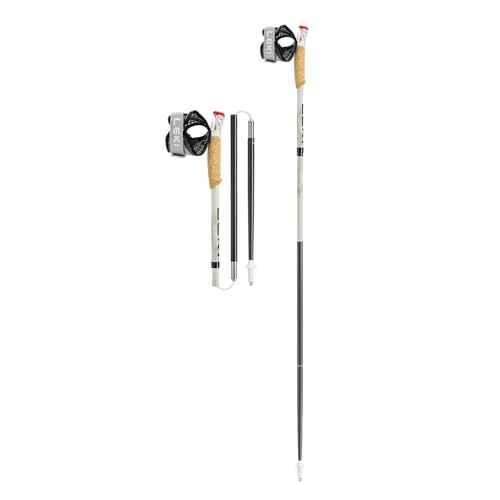
Protecting your hands, head, and neck completes your wilderness apparel system and prevents substantial thermal loss. Wide-brim hats or running caps with detachable neck capes guard against intense sun exposure across unshaded alpine saddles. Lightweight fleece or softshell gloves shield fingers from chilly gusts and rough granite during early morning ascents. When handling trekking poles for hours, lightly padded glove palms reduce grip friction and prevent painful chafing from pole wrist straps.
Multifunctional neck gaiters provide quick modular protection against driving trail dust, biting wind chill, and harsh sun. An ultralight knit beanie stowed inside your jacket pocket delivers immediate warmth when summit winds lower the effective ambient temperature. Adjusting your trekking pole straps over thin glove cuffs ensures smooth hand movement without restrictive fabric bunching. Keeping these small accessories within reach in exterior pack pockets allows effortless temperature adjustments on the move.
Trail Pack Integration and Pre-Hike Layer Verification
Before heading out into the wilderness, performing a full gear check in your planned trekking clothing confirms total range of motion. Ensure your pack hip belt rests smoothly over your pant waistband without pressing seams or zipper pulls into your hip bones. Verify that your waterproof shell fits cleanly over your fleece mid-layer and base shirt without constricting your chest or binding at the elbows. Testing your full layering system beforehand guarantees lasting comfort, reliable weather defense, and safety across every mile of your journey.






Write Your Review
No reviews yet. Be the first to share your experience!